championstream42
Esports, or competitive video gaming, has evolved from a niche pastime into a global industry that rivals traditional sports in popularity, viewership, and revenue. What started as simple contests among friends or local arcade players has transformed into a professional ecosystem complete with leagues, tournaments, professional teams, coaching, sponsorships, and millions of fans worldwide. Esports is more than just playing video games; it is an organized, strategic, and highly competitive field that engages players and spectators alike while shaping modern entertainment, technology, and culture.
The Early Days of Competitive Gaming
The origins of esports date back to the late 1970s and early 1980s with arcade competitions. Games like Space Invaders, Pac-Man, and Donkey Kong encouraged players to compete for high scores, often rewarded with local recognition or small prizes. While these competitions were modest and localized, they introduced the concept of skill-based competition within video games and created a foundation for what would become esports.
With the rise of home consoles and personal computers, competitive gaming moved beyond arcades. In the 1980s and 1990s, titles like Doom, Quake, and StarCraft introduced multiplayer gameplay, emphasizing skill, strategy, and team coordination. The proliferation of internet connectivity allowed players from different regions to compete against each other online, expanding competitive gaming from local communities to a global scale.
The Professionalization of Esports
The 2000s marked a pivotal era in esports, with gaming evolving into a structured, professional industry. Games like Counter-Strike, Warcraft III, and later League of Legends and Dota 2 introduced organized leagues, rankings, and major tournaments. These competitive platforms allowed skilled players to pursue gaming as a full-time profession, dedicating hours each day to practice, strategy, and teamwork.
Professional esports organizations emerged, sponsoring teams and providing infrastructure, coaching, and management. Analysts studied opponents and gameplay data to provide strategic insights, helping teams maximize performance. Prize pools for major tournaments grew significantly, often reaching millions of dollars, drawing international attention and legitimizing esports as a viable career path. This professionalization mirrored traditional sports in terms of structure, preparation, and performance expectations.
Popular Esports Genres and Titles
Esports spans a wide variety of genres, each appealing to different audiences and requiring unique skills. Multiplayer Online Battle Arenas (MOBAs) such as League of Legends and Dota 2 emphasize teamwork, strategy, and long-term coordination. First-Person Shooters (FPS) like Counter-Strike: Global Offensive and Overwatch demand precision, reflexes, and tactical decision-making. Fighting games such as Street Fighter and Super Smash Bros. focus on individual skill, timing, and mastery of mechanics.
Other genres like battle royale games, including Fortnite and Apex Legends, combine survival, strategy, and high-speed action. Sports simulation games like FIFA and NBA 2K replicate real-world athletic competition in a digital environment. Each genre has developed a dedicated community, influencing competitive culture, fan engagement, and tournament structures. The diversity of esports titles ensures its appeal to a wide range of players and viewers.
The Impact of Streaming Platforms
Streaming platforms have revolutionized esports by connecting players, teams, and audiences globally. Services like Twitch, YouTube Gaming, and Facebook Gaming allow live broadcasts of tournaments, individual gameplay, and practice sessions, making esports accessible to millions of viewers. Fans can engage in real-time commentary, interact with players, and participate in online communities, creating immersive experiences that extend beyond traditional spectator sports.
Streaming has also democratized content creation. Players and creators can build audiences independently, producing tutorials, gameplay highlights, and commentary. This direct interaction strengthens fan engagement and builds global communities around esports. Streaming has been critical in turning competitive gaming into a mainstream cultural phenomenon and in amplifying the reach of esports tournaments and leagues.
Economics of Esports
Esports has become a significant economic force with diverse revenue streams. Professional teams earn income from sponsorships, merchandise, and advertising, while tournament organizers generate revenue from ticket sales, broadcasting rights, and brand partnerships. Prize pools for major events, like the Dota 2 International, reach tens of millions of dollars, attracting top-tier talent and global attention.
Players earn salaries, performance bonuses, and personal sponsorship deals. Organizations invest in state-of-the-art training facilities, coaching staff, and wellness programs to optimize player performance. Hardware manufacturers, game developers, and streaming platforms also benefit from the industry’s growth, creating a comprehensive ecosystem that supports employment, innovation, and technological advancement.
Cultural Influence of Esports
Esports has significantly impacted modern culture, redefining the concept of athletes and fandom. Players are celebrated for their skill, dedication, and strategic thinking, while fans passionately follow tournaments and teams. Online communities and social media engagement play a vital role in shaping narratives, trends, and shared experiences within esports.
The influence of esports extends into entertainment, music, and fashion. Collaborations between game developers, brands, and artists create merchandise, digital content, and live events that blend gaming with broader cultural expression. Esports fosters inclusivity by providing competitive opportunities for players of diverse backgrounds, genders, and nationalities, reinforcing global connectivity and shared cultural identity.
Training, Strategy, and Player Development
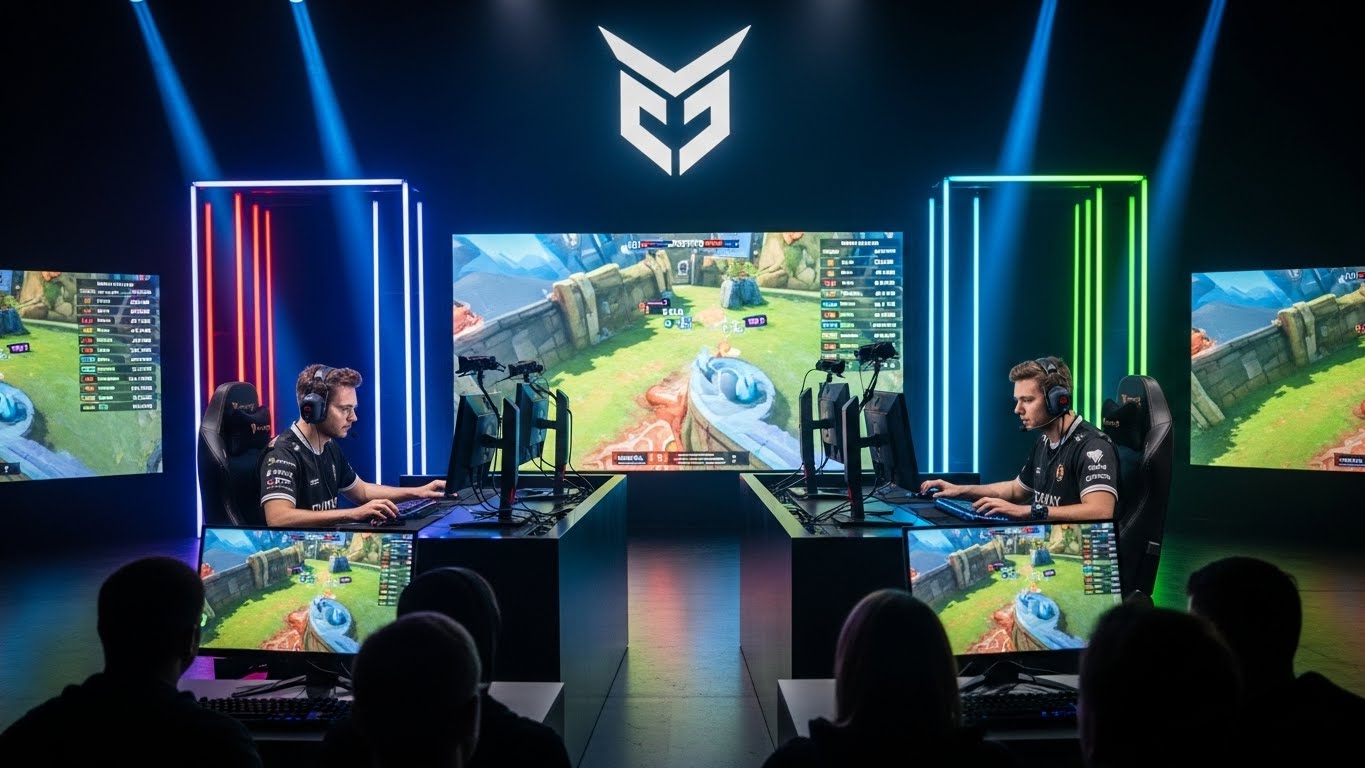
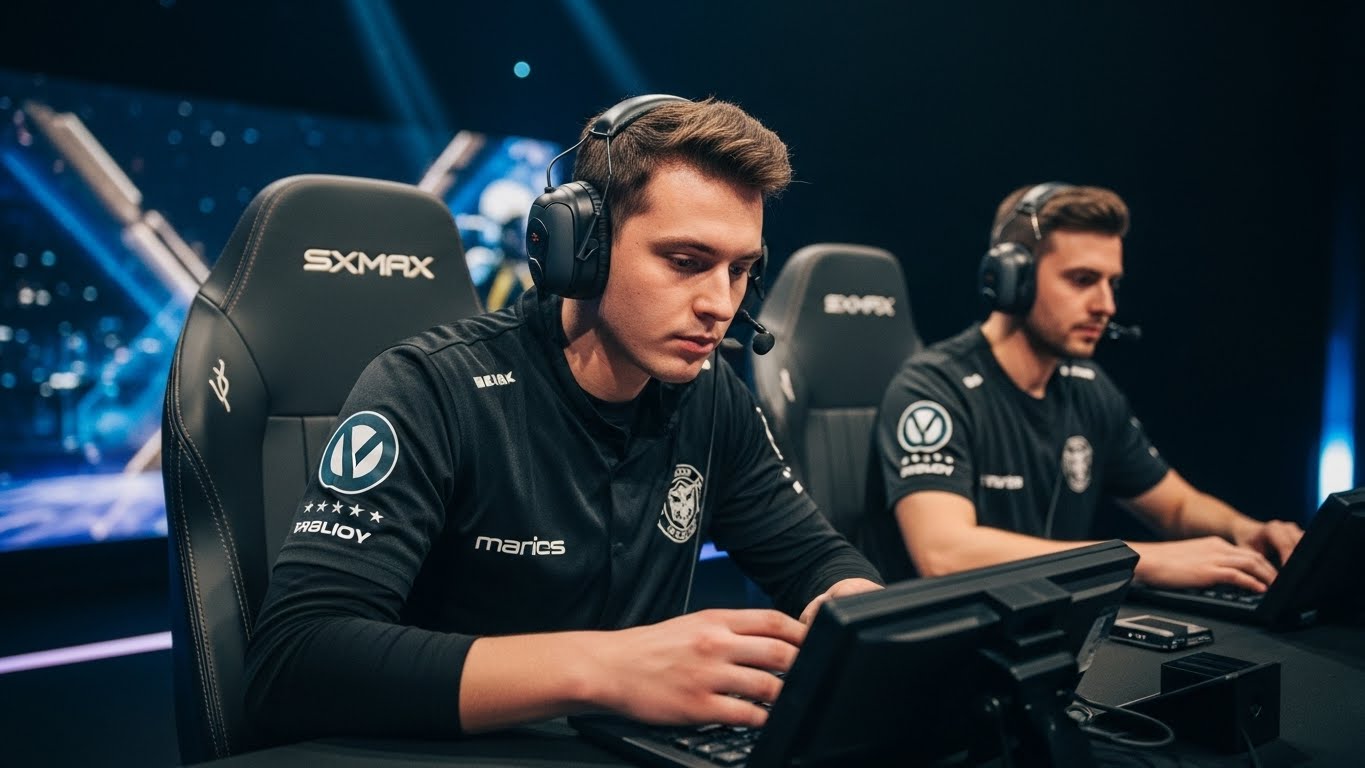
Professional esports requires disciplined training, strategic thinking, and effective teamwork. Players spend hours daily practicing mechanics, analyzing gameplay, and developing strategies. Individual games demand quick reflexes, mental resilience, and adaptability, while team-based games require coordination, communication, and synergy.
Coaching and analytics have become central to player development. Teams utilize detailed performance data to refine strategies, identify weaknesses, and improve coordination. Physical health, nutrition, and mental well-being are increasingly prioritized, reflecting a holistic approach to competitive readiness. This professional training mirrors traditional sports in intensity, structure, and commitment.
Esports as Spectator Entertainment
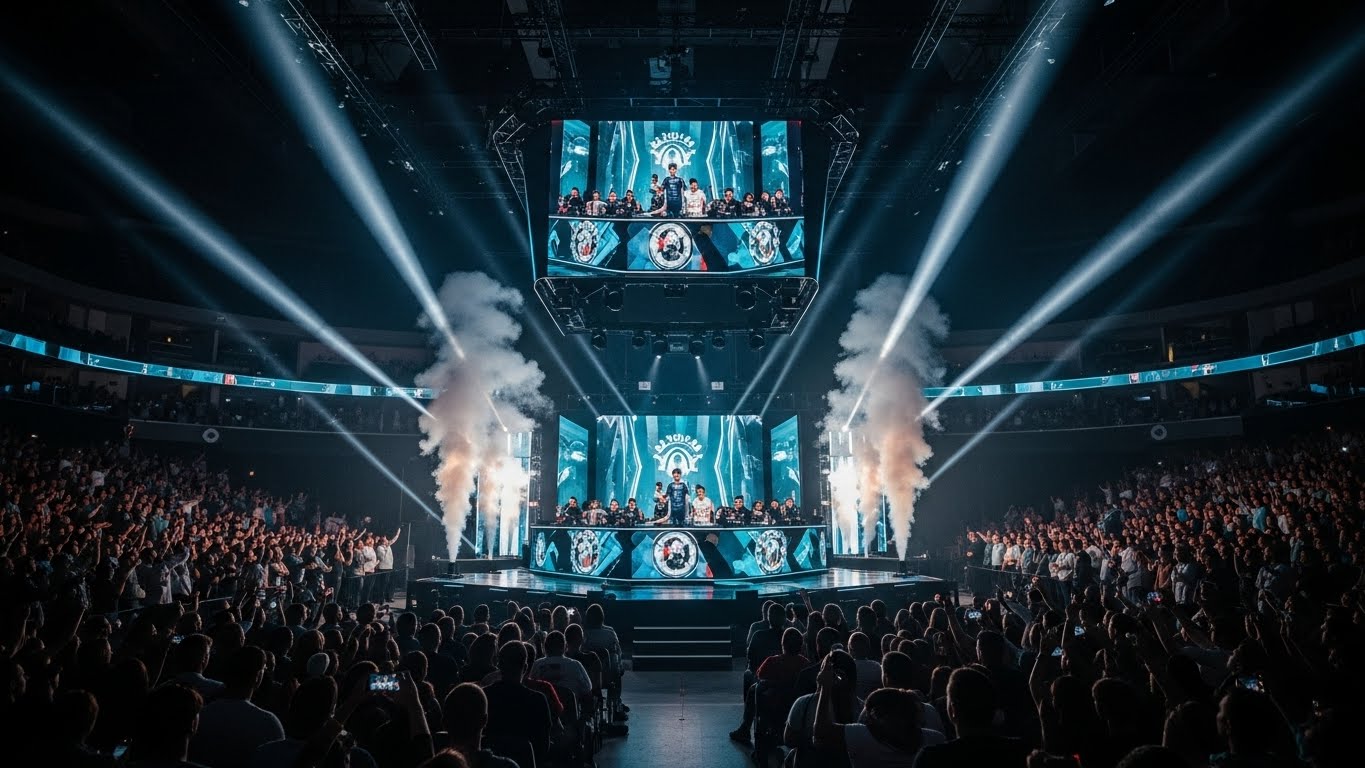
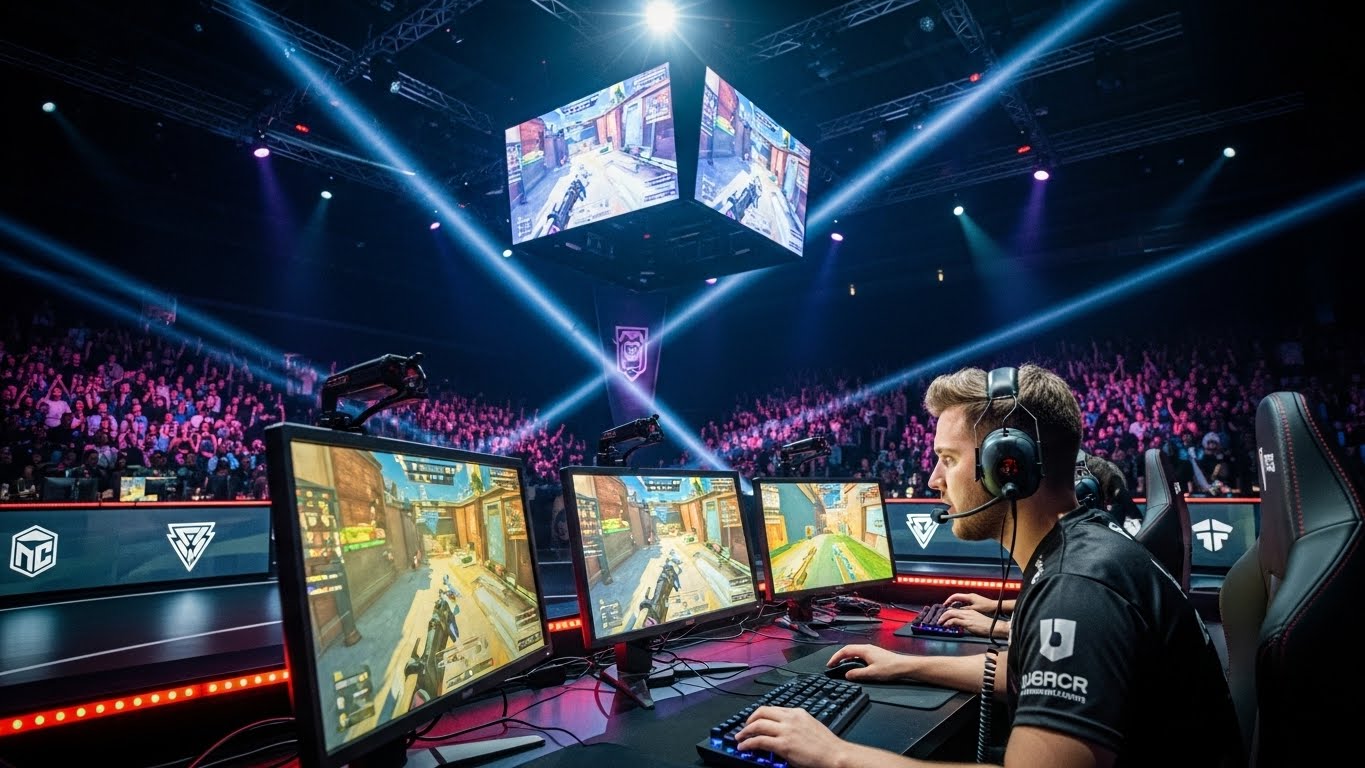
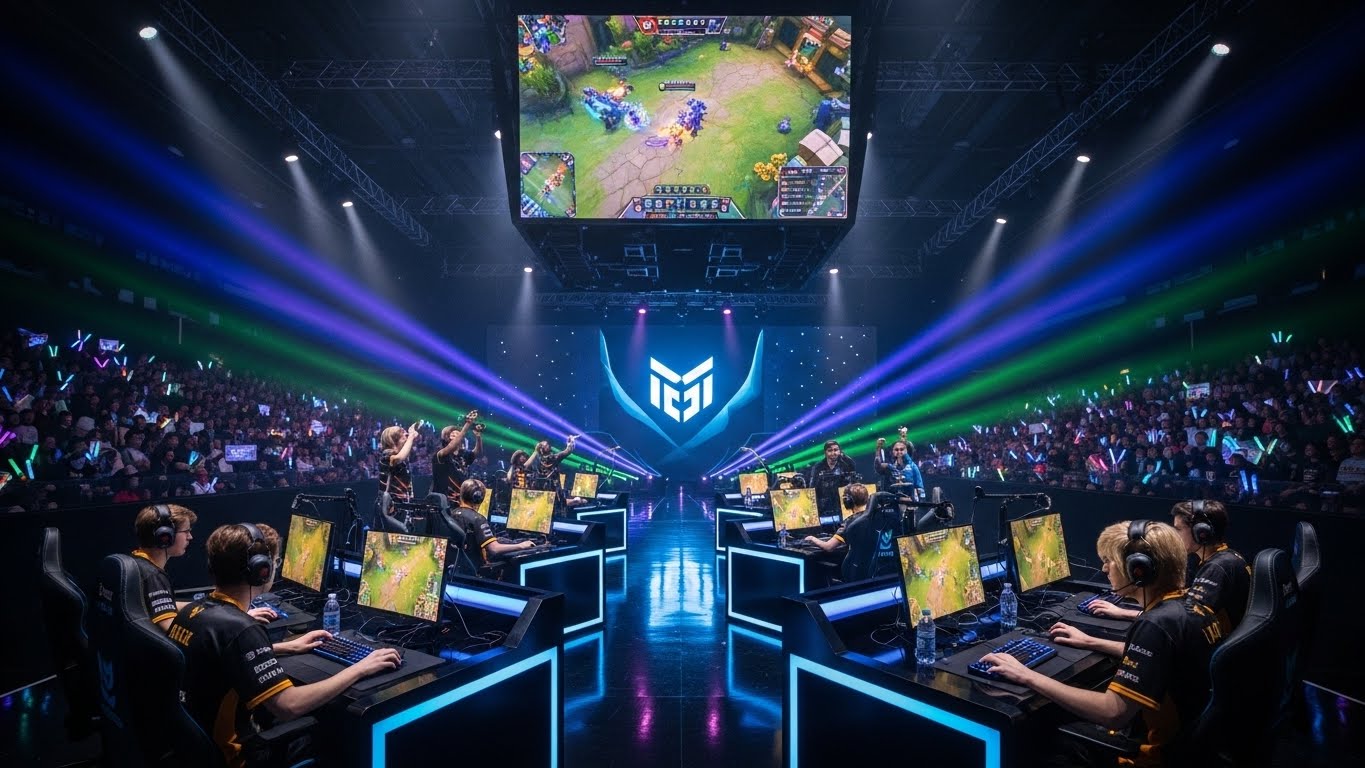
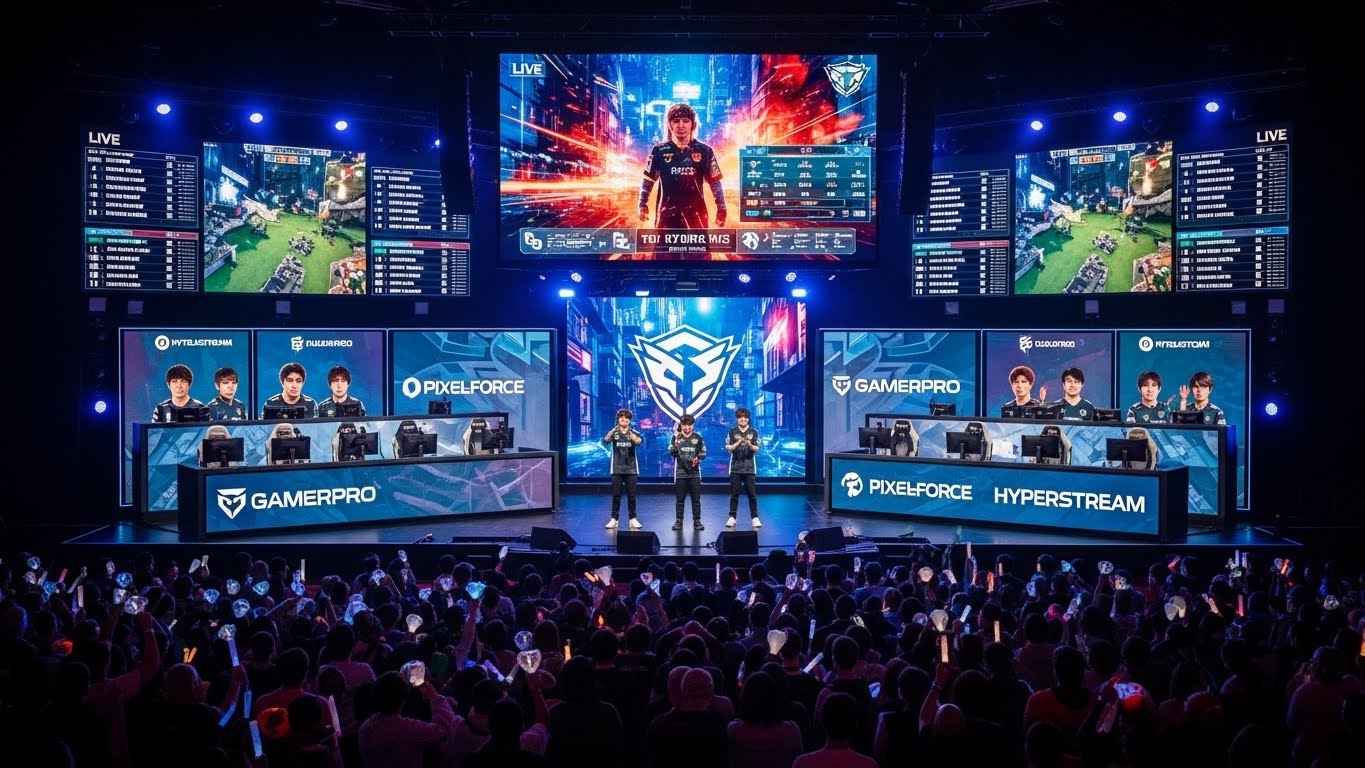
Spectating esports offers a dynamic and interactive experience. Commentary teams provide play-by-play analysis, strategic insights, and entertainment, helping viewers understand complex gameplay. Major tournaments feature live audiences, elaborate production stages, and professional broadcasting, creating events that rival traditional sporting spectacles.
Fans engage emotionally with rivalries, comebacks, and championship matches. Interactive features, including live chat and social media discussions, enable spectators to participate actively in the esports experience. This engagement strengthens fan loyalty and cultivates a vibrant community around competitive gaming.
Challenges Facing Esports
Despite rapid growth, esports faces several challenges. Player burnout, mental health concerns, and performance pressure are ongoing issues. Cheating, toxic behavior, and gambling-related controversies highlight the importance of regulation and ethical oversight.
International competitions also face logistical and legal hurdles, such as differing sponsorship regulations, broadcasting rights, and labor laws. Maintaining competitive integrity is crucial to preserving credibility within the industry. Organizations are addressing these challenges by implementing governance structures, ethical standards, and player support systems to ensure sustainable growth.
Educational and Social Impact of Esports
Esports has expanded into education, with universities offering scholarships, academic programs, and competitive teams. Participation develops valuable skills, including teamwork, communication, strategic planning, and leadership. Students balance rigorous practice with academic responsibilities, preparing for careers both within esports and in related industries such as media, marketing, and technology.
Esports also fosters social connections, creating communities that encourage collaboration, mentorship, and cultural exchange. Fans and players alike develop networks, friendships, and support systems, demonstrating the social value of esports beyond competition.
The Future of Esports
The future of esports promises continued innovation and expansion. Emerging technologies, including virtual reality, augmented reality, and artificial intelligence, will enhance both player and spectator experiences. AI-driven analytics may revolutionize training, performance optimization, and strategic development, pushing competitive standards higher.
Esports will continue to reach new global markets, attracting diverse audiences and creating new opportunities for players, teams, and content creators. Collaboration with traditional sports, media, and entertainment sectors will introduce crossover events, expanding the cultural influence of esports. Educational programs and professional development initiatives will prepare the next generation of esports professionals, ensuring sustainability and growth.
As technology advances and audiences expand, esports will remain a central pillar of digital entertainment, shaping how people compete, watch, and interact in a connected world.
Conclusion
Esports has transformed competitive gaming from a casual pastime into a global industry with professional players, international tournaments, and massive fan engagement. Its growth demonstrates the power of skill, strategy, and entertainment to connect people worldwide. Players are recognized for their expertise and dedication, while fans participate in vibrant communities that celebrate competition, creativity, and culture.
The industry’s economic, cultural, and social impact continues to expand, proving that esports is not just a trend but a defining element of modern entertainment. With technological innovation and global reach, esports will remain a driving force in how people play, watch, and experience competition for decades to come.