championstream42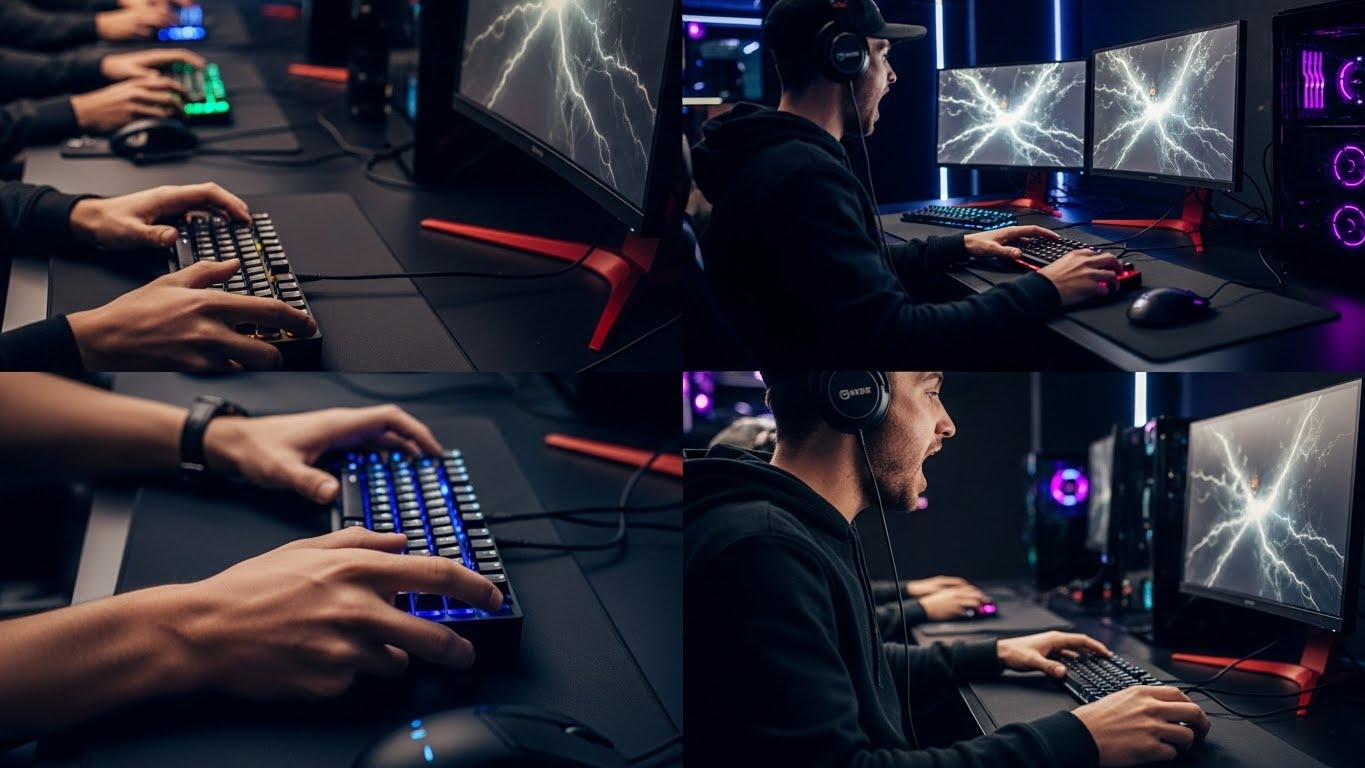
In the past decade, esports has transformed from a niche hobby enjoyed by a small group of enthusiasts to a global phenomenon that is capturing the attention of millions worldwide. What was once relegated to gaming conventions and local tournaments has now become a multi-billion-dollar industry, attracting players, sponsors, and spectators from all over the globe. The rise of esports represents a significant shift in how people view video games, entertainment, and competitive sports. In this blog post, we will explore the evolution of esports, its impact on society, and what makes it such an exciting and unique part of modern entertainment.
What is Esports?
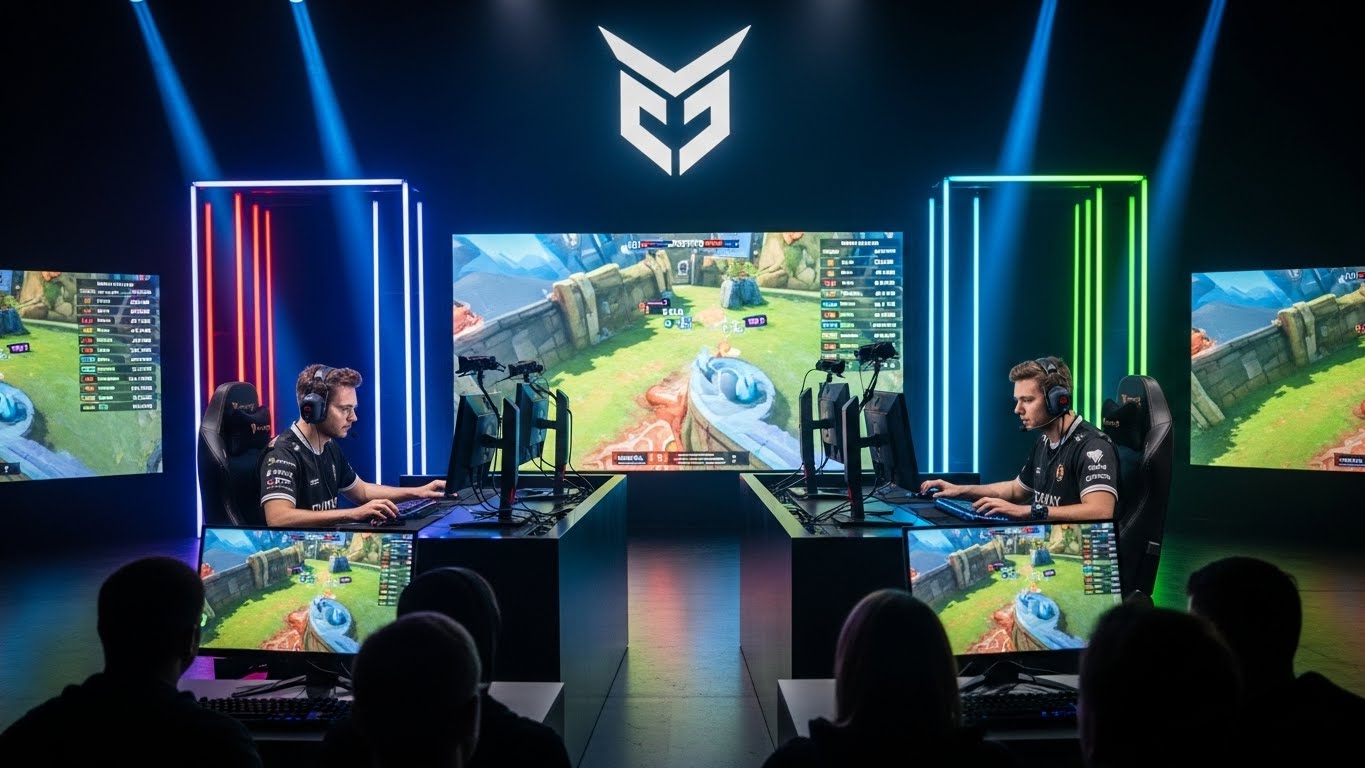
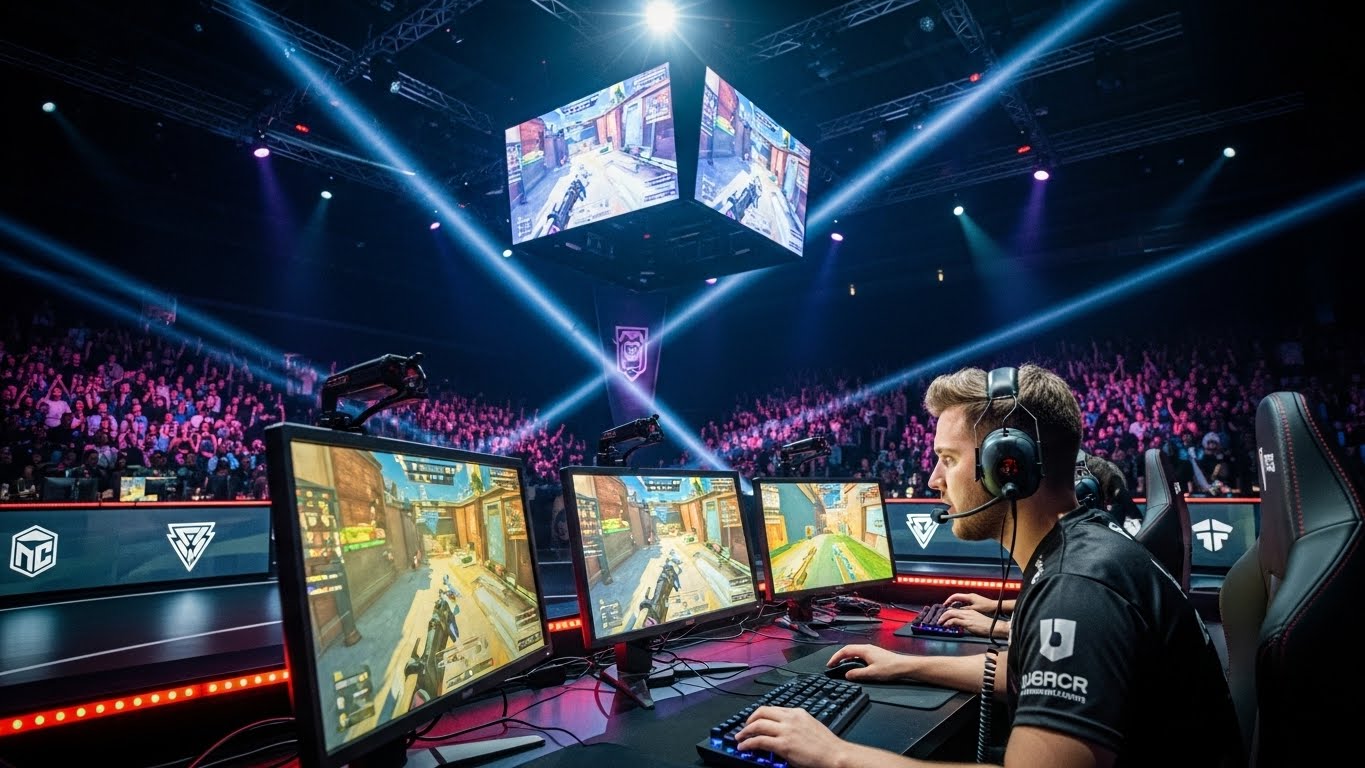
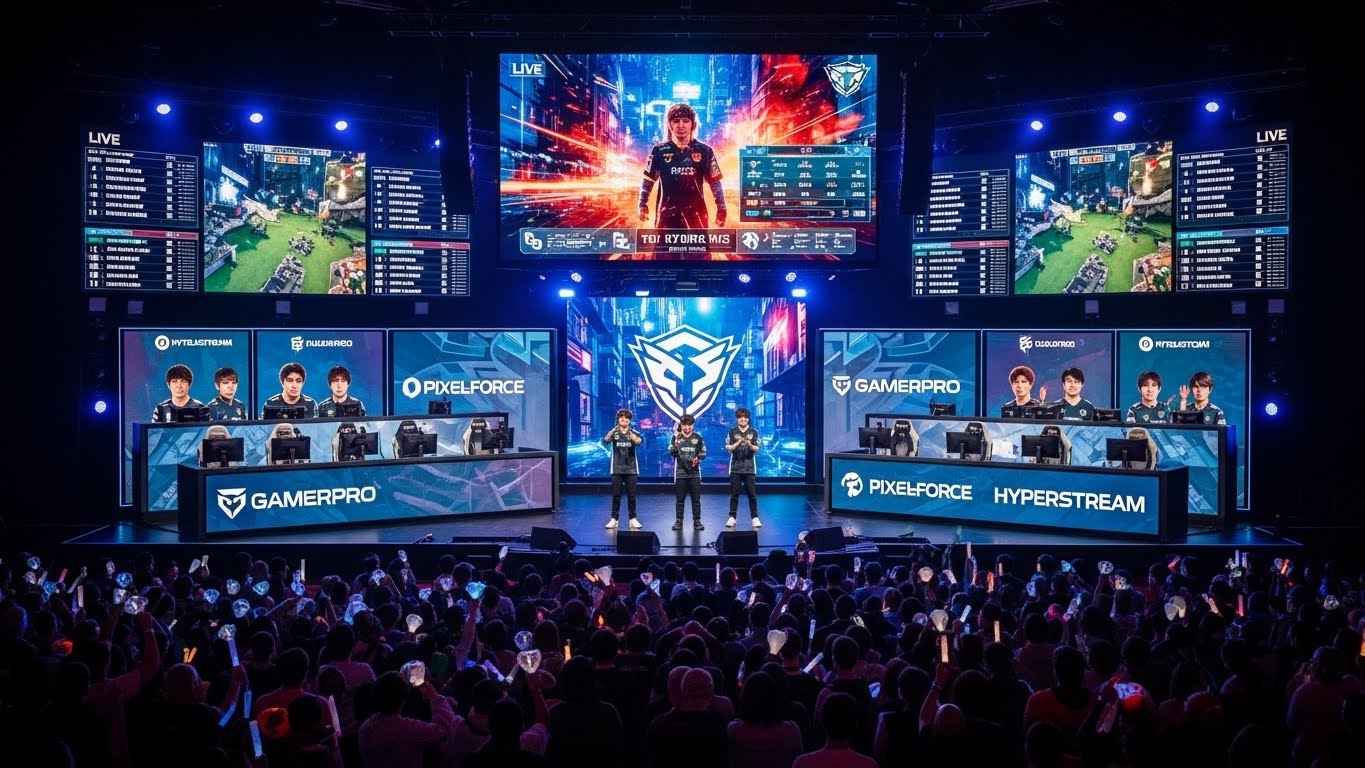
At its core, esports is simply competitive gaming. It involves professional players or teams competing in video games in organized tournaments, often with large cash prizes and global recognition on the line. These tournaments are frequently broadcast live online, with millions of viewers tuning in to watch their favorite teams and players battle it out. While esports may seem similar to traditional sports, there are key differences that set it apart. For one, esports can be played from the comfort of one’s own home, and it doesn’t require physical endurance or athletic ability—though it certainly demands skill, strategy, and mental focus.
Esports encompasses a wide variety of games across multiple genres, including first-person shooters (FPS) like Call of Duty and Counter-Strike, multiplayer online battle arenas (MOBAs) like League of Legends and Dota 2, real-time strategy (RTS) games like StarCraft II, and battle royale games like Fortnite and PUBG. Each of these genres offers its own unique set of challenges and attracts different types of players and audiences.
The Evolution of Esports: From Hobby to Industry
The origins of esports can be traced back to the late 1990s, when competitive gaming began to take shape. Early tournaments like the Red Annihilation tournament in 1997 for Quake were small, grassroots events, but they laid the foundation for what was to come. The late 2000s saw the birth of iconic games like League of Legends and StarCraft II, which would go on to dominate the esports scene.
The real turning point for esports came with the rise of online streaming platforms like Twitch. Launched in 2011, Twitch allowed gamers to broadcast their gameplay live to an audience of thousands, if not millions. This revolutionary shift in how games were consumed helped esports grow into a mainstream spectacle. As more players and teams gained followers, esports began to attract the attention of big-name sponsors, mainstream media outlets, and even traditional sports franchises.
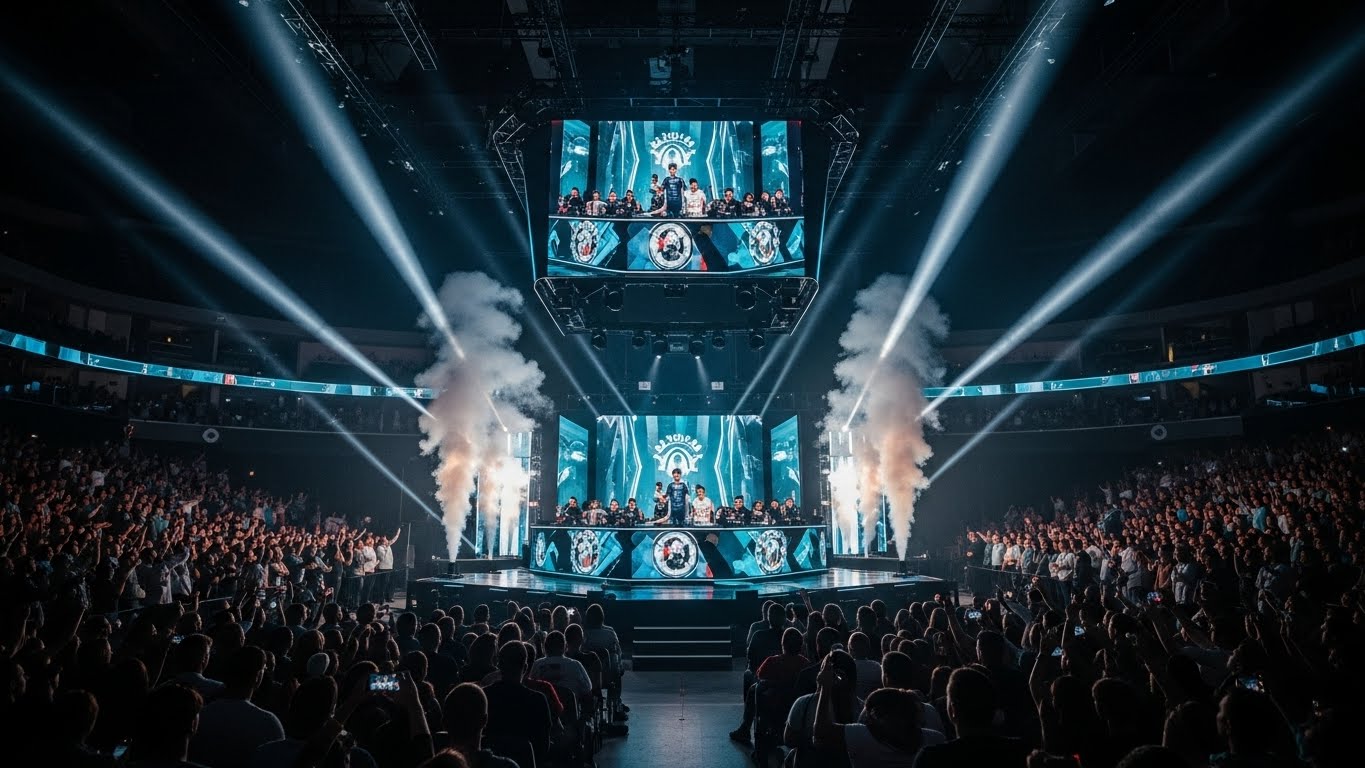
The growing popularity of esports events, coupled with increased investment in gaming infrastructure, paved the way for larger tournaments with professional-level production quality. Events like The International (the world championship for Dota 2), League of Legends World Championship, and Overwatch League became annual fixtures on the esports calendar, drawing massive crowds both online and in person.
Esports as a Global Phenomenon
Today, esports is a global industry with a massive reach. According to a report by Newzoo, the global esports industry was projected to generate over $1 billion in revenue in 2021, with that number continuing to grow year after year. The audience for esports is equally impressive, with over 450 million people tuning in to watch esports content regularly. Esports tournaments are broadcast in multiple languages and across various platforms, making them accessible to viewers from different parts of the world.
One of the key factors behind esports’ global success is the community-driven nature of the industry. Fans and players alike are passionate about their favorite teams and players, often engaging with them on social media platforms like Twitter, Instagram, and YouTube. This sense of community has helped esports carve out a space in modern culture, transcending borders and creating a global fanbase that is connected through their love of gaming.
The Esports Ecosystem: Players, Teams, and Organizations
Esports isn’t just about the players—it’s about the entire ecosystem that supports them. From professional organizations and team owners to coaches, analysts, and content creators, the esports scene is a complex and interconnected web that extends far beyond the players themselves.
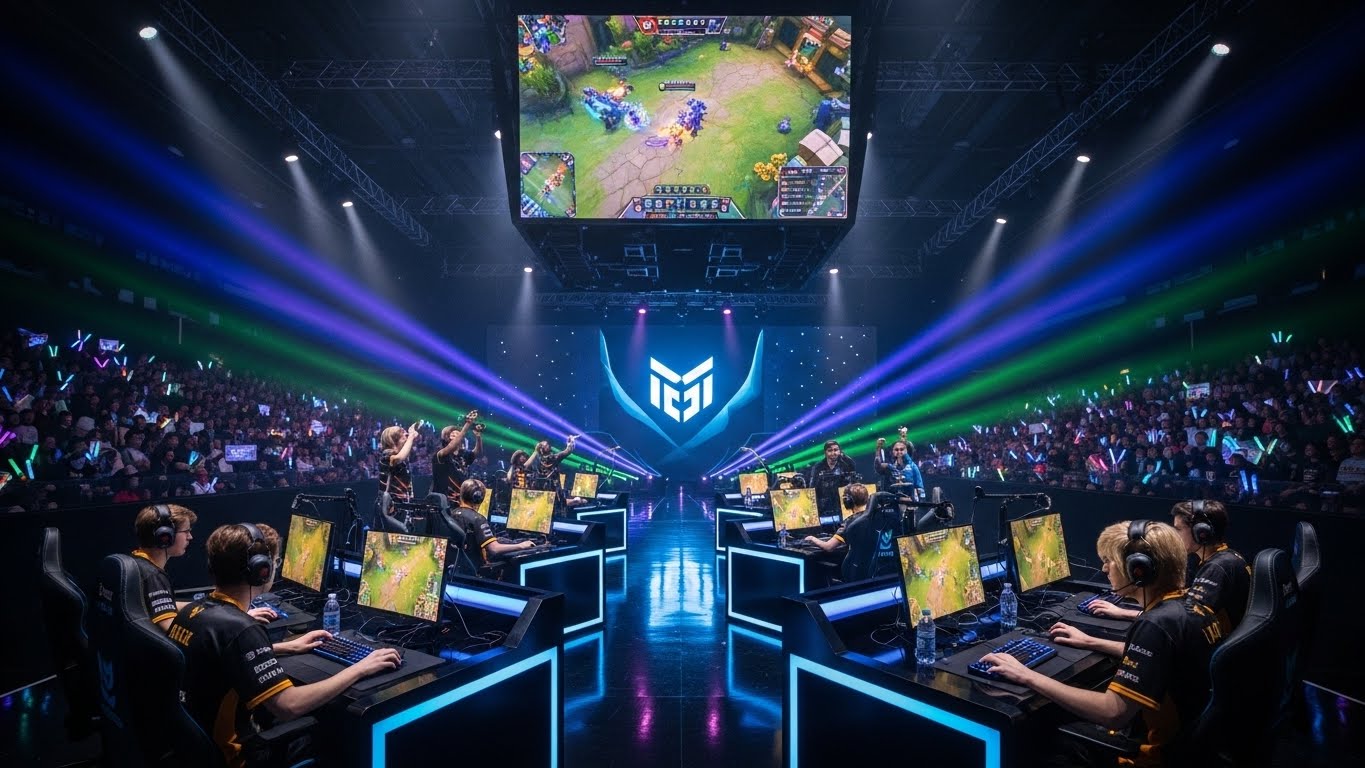
Professional esports organizations, such as Team Liquid, Cloud9, and Fnatic, operate like traditional sports franchises. These organizations scout and recruit top-tier players, sign sponsorship deals with global brands, and manage teams in various esports titles. Some organizations even have dedicated training facilities where players can practice and work with coaches to hone their skills.
Esports teams often field rosters for multiple games, and players frequently switch teams based on contract negotiations, performance, and personal preferences. The competitive nature of esports makes it a highly volatile career choice for players, but it also rewards those who can consistently perform at the highest level.
In addition to the professional organizations, esports has a thriving scene of content creators and streamers who add an extra layer of entertainment to the industry. Streamers on platforms like Twitch and YouTube create content for fans, offering everything from “Let’s Play” videos to in-depth analysis of matches and tournaments. Many top players in esports also have their own personal streaming channels, where they interact with fans and showcase their skills in real-time.
The Impact of Esports on Traditional Sports
While esports is still a relatively new industry compared to traditional sports, it has begun to influence and intersect with the world of athletics in fascinating ways. Major sports teams and organizations have taken notice of the esports boom and are getting involved in various ways. For example, professional football teams like the Dallas Cowboys and Paris Saint-Germain have invested in esports teams, while NBA franchises like the Sacramento Kings and Atlanta Hawks have launched their own esports divisions.
This crossover between esports and traditional sports highlights the growing recognition of esports as a legitimate form of competition. Many athletes, particularly from the younger generation, see esports as a natural extension of the competitive spirit found in traditional sports. Just like in basketball or soccer, the goal in esports is to outplay your opponents and demonstrate superior skill and strategy.
Moreover, esports and traditional sports share a common fanbase—young, tech-savvy individuals who are looking for new forms of entertainment. As such, many sports teams are looking to esports as a way to engage with a younger demographic, whether through sponsorships, media partnerships, or by developing their own esports programs.
The Future of Esports
Looking ahead, the future of esports appears incredibly bright. As technology continues to improve, the level of competition and immersion in esports is only going to increase. Virtual reality (VR) and augmented reality (AR) are expected to play a larger role in esports in the coming years, creating new opportunities for gameplay and viewer experiences. Additionally, the rise of 5G networks promises to reduce latency and improve the quality of online gaming, making it easier for players to compete on a global stage.
Esports’ increasing legitimacy has also led to its inclusion in major events like the Asian Games, where it is expected to eventually be recognized as a full-fledged medal event. As governments and educational institutions begin to recognize esports as a legitimate career path, we could see the development of even more formalized systems for player development, similar to what exists in traditional sports.
The financial side of esports is also expected to grow exponentially, with more sponsorships, media rights deals, and merchandise sales driving revenue. As esports continues to be embraced by brands from outside the gaming world, it will only further cement its place in the global entertainment landscape.
Conclusion
Esports is no longer just a passing trend or a niche interest—it has evolved into a global entertainment powerhouse that is changing the way we think about competition, sports, and gaming. With millions of fans, professional players, and organizations around the world, esports has earned its place in the mainstream. It has the potential to grow even larger in the coming years, and its influence on traditional sports and broader pop culture will continue to shape the future of entertainment.
Whether you’re a casual gamer or a hardcore esports fan, there’s no denying that the rise of esports is one of the most exciting developments in the world of entertainment. As the industry matures, we can expect even more innovation, more thrilling competitions, and more opportunities for fans and players alike to connect over their shared passion for gaming. The future of esports is bright, and it’s a journey worth watching.