championstream42
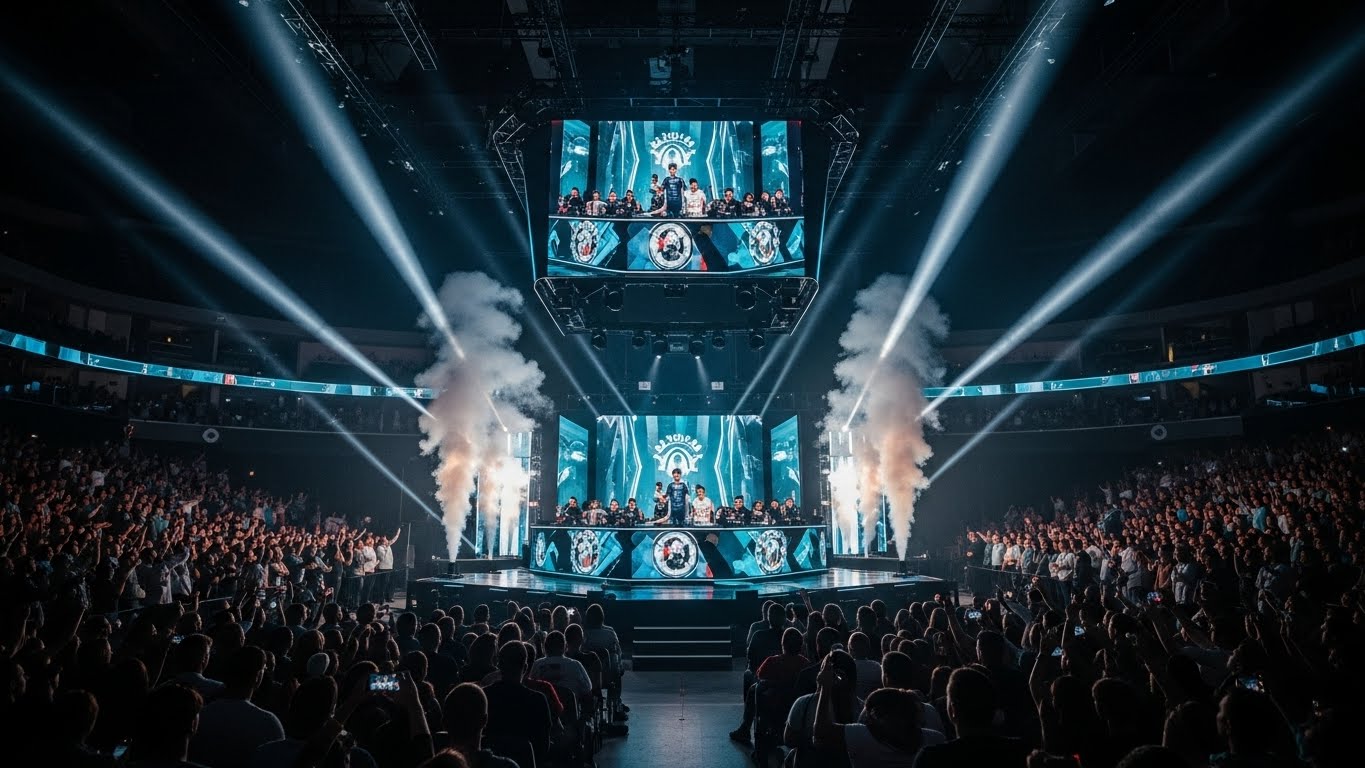
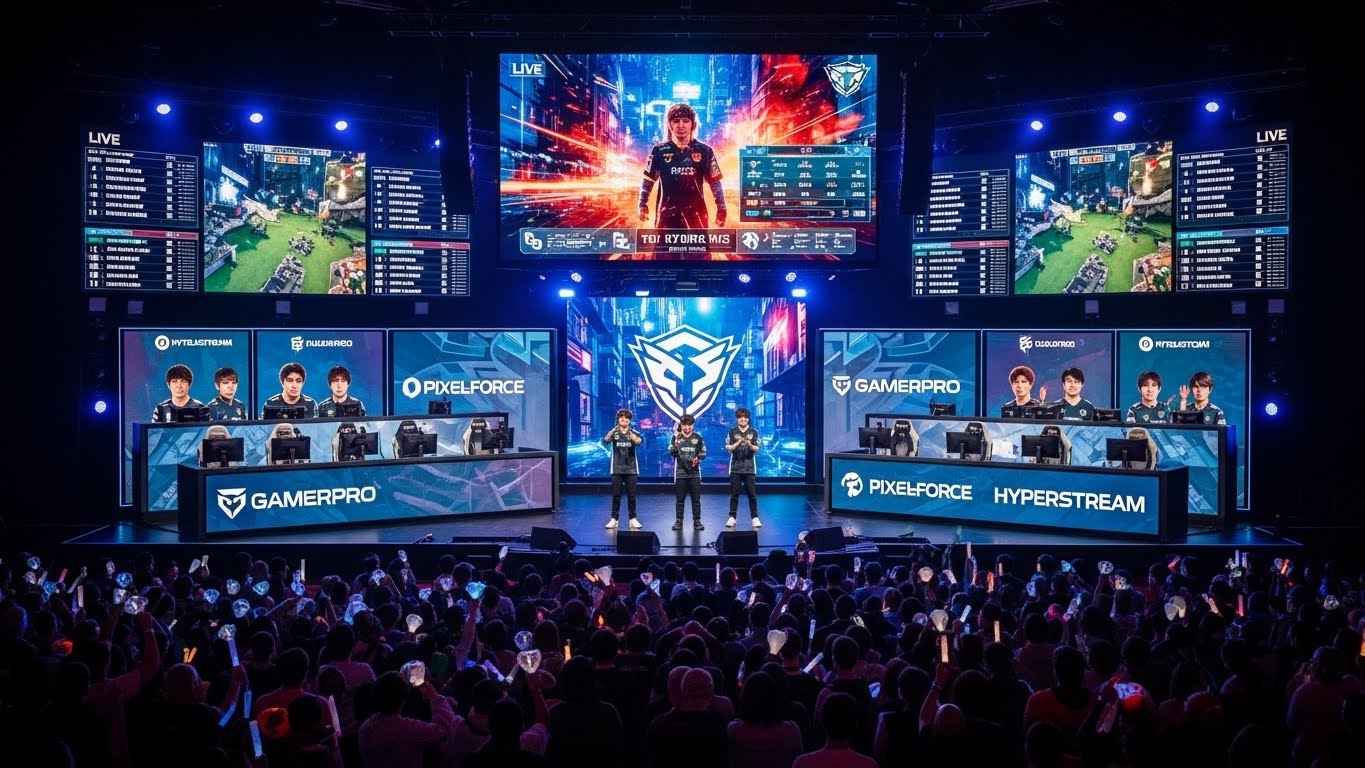
Esports is no longer just a niche interest; it has transformed into a global phenomenon that is changing the way we view competition, entertainment, and even careers. What was once considered a pastime for gamers is now a multi-billion-dollar industry, with professional leagues, massive fan followings, and millions of dollars in prize money up for grabs. As the world of esports continues to grow, its impact on entertainment and culture is becoming undeniable. In this blog post, we’ll explore the rise of esports, its influence on global culture, and what the future holds for competitive gaming.
The Evolution of Esports: From Hobby to Global Industry
Esports, or electronic sports, refers to organized, multiplayer video game competitions, particularly between professional players, individually or as teams. Though video games have been around since the 1970s, the rise of esports can be traced back to the late 1990s and early 2000s when internet speeds and gaming platforms became more accessible. Tournaments for games like “StarCraft” and “Warcraft” began attracting professional players, and as technology advanced, so did the scale of competitions.
The early days of esports were characterized by small, local tournaments, but the advent of streaming platforms like Twitch and YouTube revolutionized the industry. With millions of viewers watching live streams and participating in fan communities, esports went from a niche hobby to a mainstream entertainment powerhouse. Today, games like “League of Legends,” “Dota 2,” and “Counter-Strike: Global Offensive” are household names, with massive followings and a thriving professional scene.
The Professionalization of Esports: A New Career Path
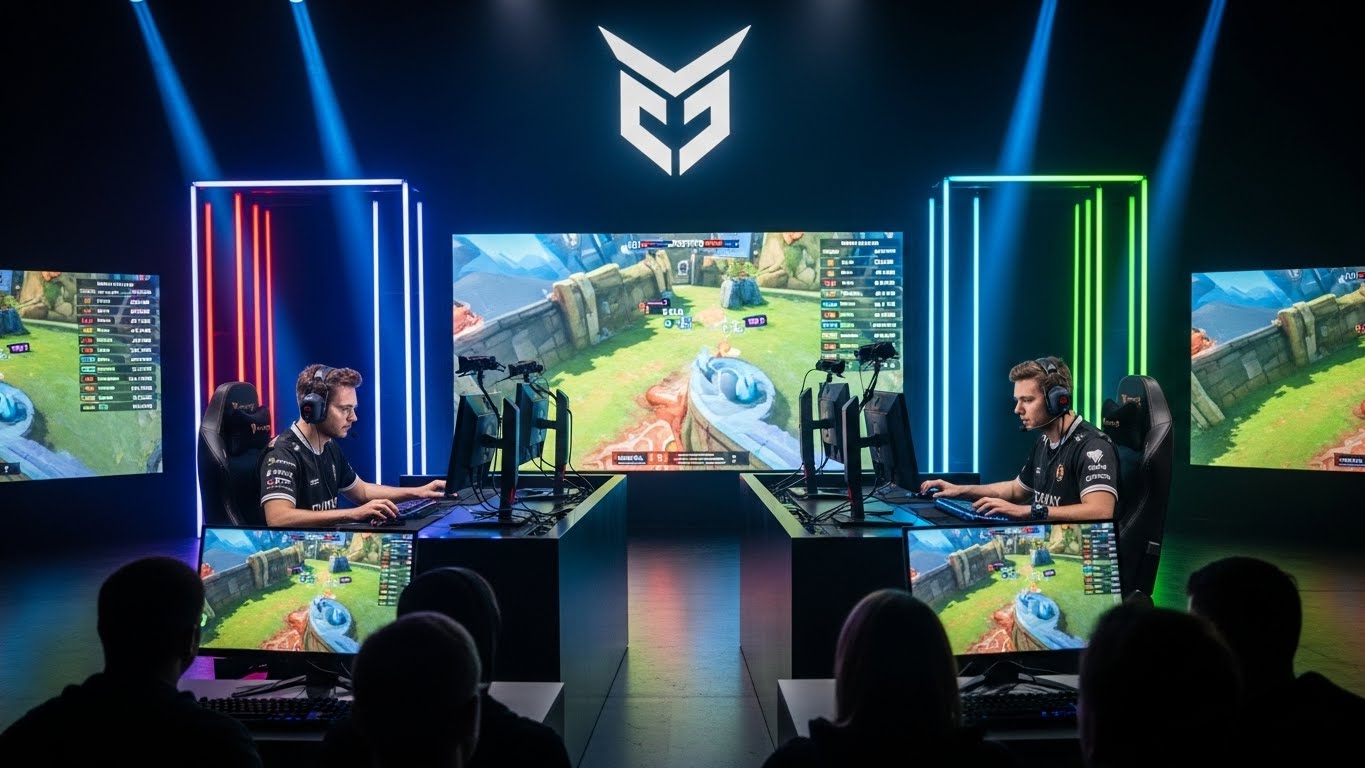
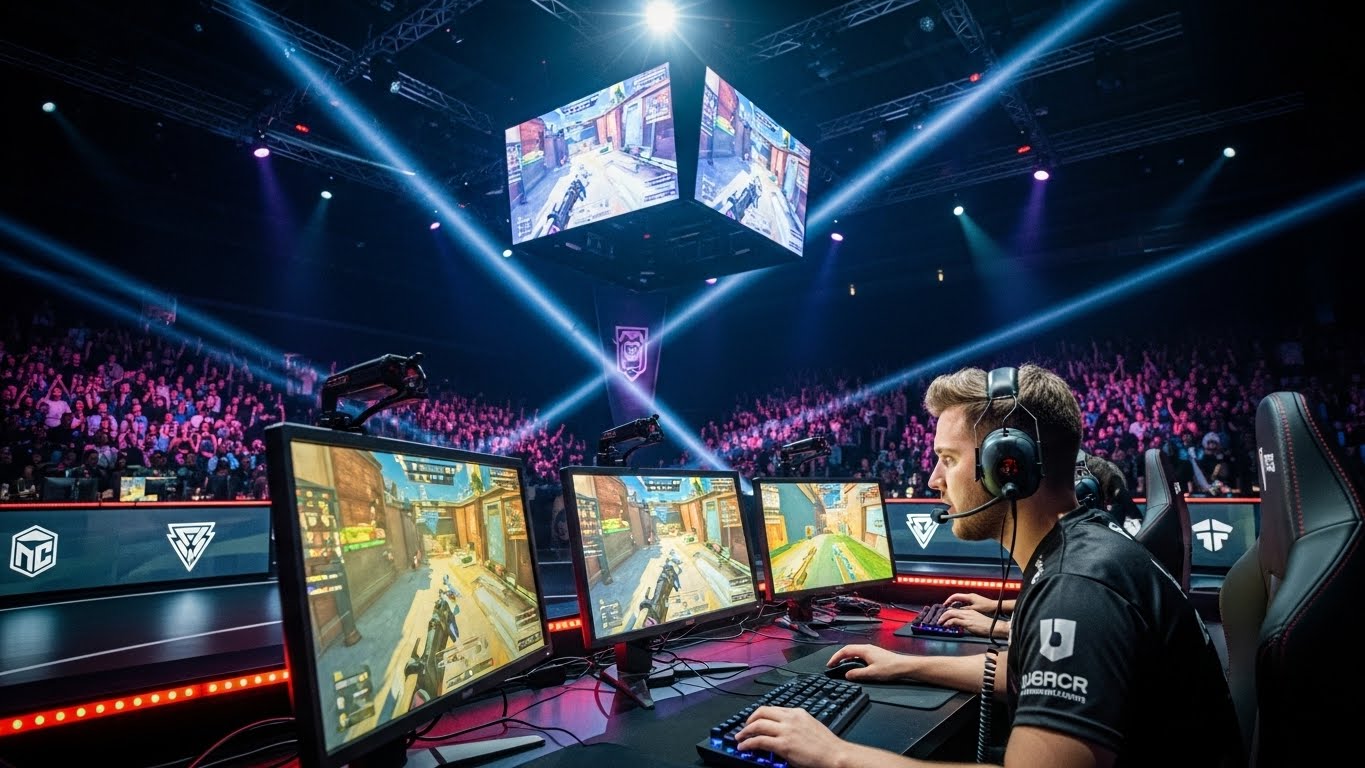
One of the most striking aspects of the esports revolution is the emergence of professional players who make a living from gaming. Just like traditional sports, esports athletes dedicate countless hours to practice, strategy, and competition. These players often start young, refining their skills over years of intense gameplay before breaking into the professional scene.
In addition to the players themselves, esports has given rise to an entire ecosystem of careers. Coaches, analysts, broadcasters, content creators, and event organizers now work in the esports industry, supporting the players and ensuring that the competitions run smoothly. As esports continues to grow, we’re seeing more opportunities for individuals to pursue careers in gaming, from streaming and content creation to game development and marketing.
The Global Reach of Esports: A New Type of Entertainment
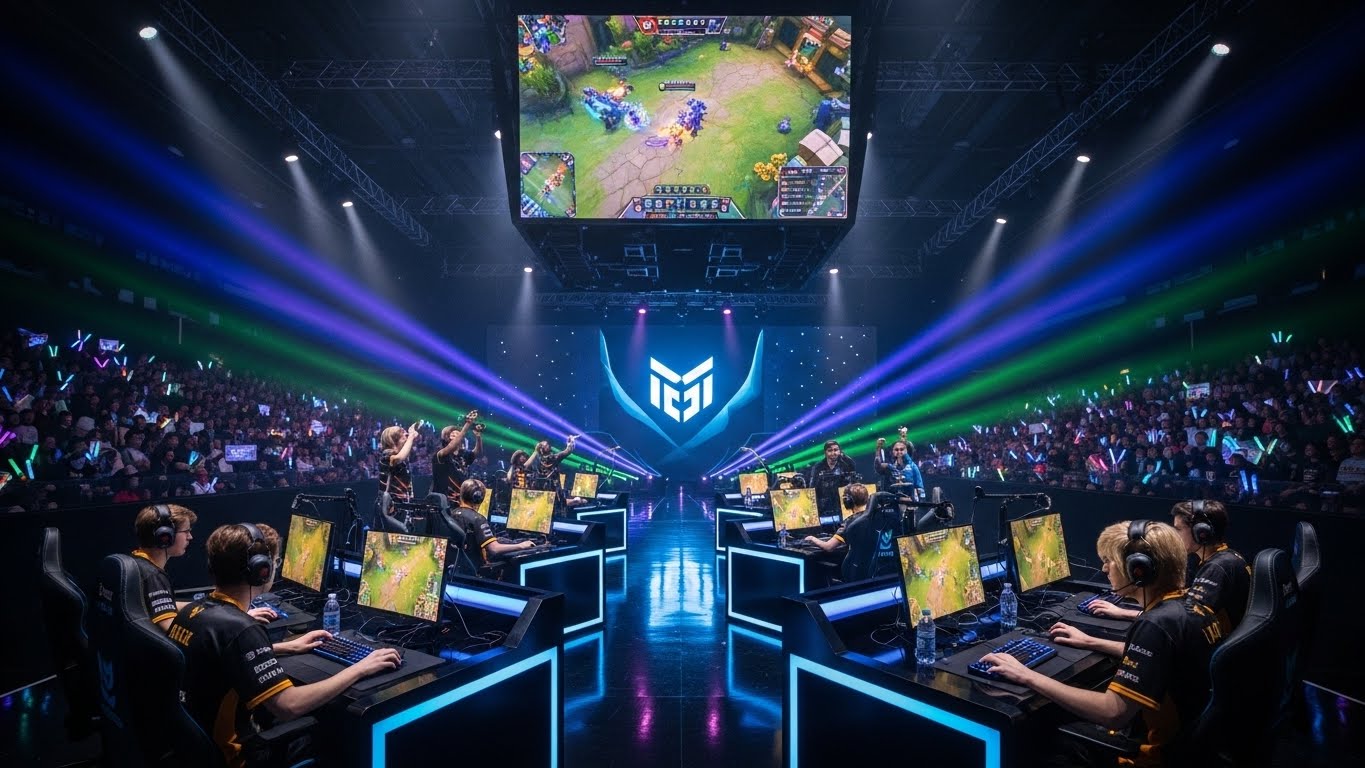
One of the defining features of esports is its global nature. Tournaments are streamed live to millions of fans around the world, and players come from every corner of the globe. Unlike traditional sports, where teams often represent specific regions or countries, esports fosters a unique sense of international competition. Players from the United States, South Korea, Europe, China, and beyond compete on the same stage, often in tournaments that attract audiences from every continent.
The fanbase of esports is incredibly diverse. Viewers can tune in to watch their favorite players compete, join in the excitement of major tournaments, or follow the drama that unfolds in various esports leagues. With the rise of streaming platforms and social media, esports has created a new form of interactive entertainment. Fans can engage directly with players, share their thoughts on matches, and even influence the course of events through live polls and chats.
The Economic Impact of Esports: A Multi-Billion-Dollar Industry
Esports has grown into a multi-billion-dollar industry, with revenue coming from various sources, including sponsorships, advertising, media rights, merchandise, and ticket sales for live events. Major brands, ranging from tech companies to soft drink giants, are investing heavily in esports, recognizing the vast potential for reaching a global audience of young, engaged consumers.
In 2020, the global esports market was valued at over $1 billion, and it is expected to continue growing at a rapid pace. This growth is fueled by both the increasing popularity of esports and the expanding ecosystem of related industries. In addition to traditional sports teams and media companies, tech giants like Intel, Microsoft, and NVIDIA have invested in esports infrastructure, including gaming hardware, software, and event production.
Esports events also generate significant tourism revenue. Major tournaments like “The International” (Dota 2) and “League of Legends Worlds” attract fans from around the world, who travel to host cities for live competitions. This influx of visitors boosts local economies, creating jobs in hospitality, event planning, and more.
Esports as a Social Experience: The Power of Community
Unlike traditional sports, where fans may watch from afar, esports fosters a unique sense of community. Whether it’s cheering for a favorite player or team, discussing strategy on online forums, or watching live streams with friends, esports is a social experience that brings people together.
Esports communities often extend far beyond the competitions themselves. Players and fans share common interests in the games they love, creating a bond that transcends borders. Many esports games, like “Fortnite” and “Minecraft,” allow players to build their own content and share it with others, further strengthening the sense of community.
Moreover, esports events are not just about the competition; they’re about creating a shared experience for the fans. Whether it’s an in-person tournament or an online stream, fans actively engage with the event through social media, live chats, and fan meetups. This sense of belonging is what makes esports so special—it’s not just about watching a game, but being part of a larger global movement.
Esports and Education: A New Frontier for Learning
Another interesting aspect of esports is its potential to be integrated into education. Many schools and universities have started offering esports programs, ranging from competitive leagues to academic courses that teach students about the business, technology, and strategy behind gaming. Esports scholarships are now available at many colleges, helping young players pursue higher education while continuing their gaming careers.
Beyond just playing, esports also teaches important life skills. Players must think critically, manage their time effectively, and work as a team to succeed. These skills are transferable to real-world careers, making esports a valuable tool for personal development. The rise of esports as an academic discipline also paves the way for the next generation of game developers, analysts, and content creators, helping them build the skills necessary for a career in the rapidly growing esports industry.
The Future of Esports: What’s Next?
As esports continues to evolve, there’s no telling just how far it can go. We’re likely to see more mainstream recognition, with esports potentially becoming an Olympic event in the future. As technology advances, virtual reality and augmented reality could offer entirely new ways of experiencing competitive gaming, further blurring the lines between the digital and physical worlds.
Moreover, with the rise of mobile gaming, esports is becoming more accessible to people on all devices, not just consoles and PCs. This will likely lead to an even greater surge in popularity, particularly in regions where mobile gaming is the dominant form of play. We may also see new esports titles emerge, with innovative gameplay and diverse genres, broadening the scope of competitive gaming.
Conclusion: Esports—A New Era of Competition and Entertainment
Esports has undoubtedly established itself as a dominant force in the world of entertainment and competition. From its humble beginnings as a hobby to its status as a global industry, esports has redefined what it means to be a fan, a player, and a spectator. It’s more than just gaming; it’s a cultural movement that’s bringing people together, creating new career opportunities, and offering a new form of entertainment for millions around the world.
As the industry continues to grow and evolve, there’s no doubt that esports will play an even larger role in shaping the future of entertainment, technology, and society. Whether you’re a dedicated player or a casual viewer, the rise of esports is something to watch—because this revolution is just getting started.