championstream42
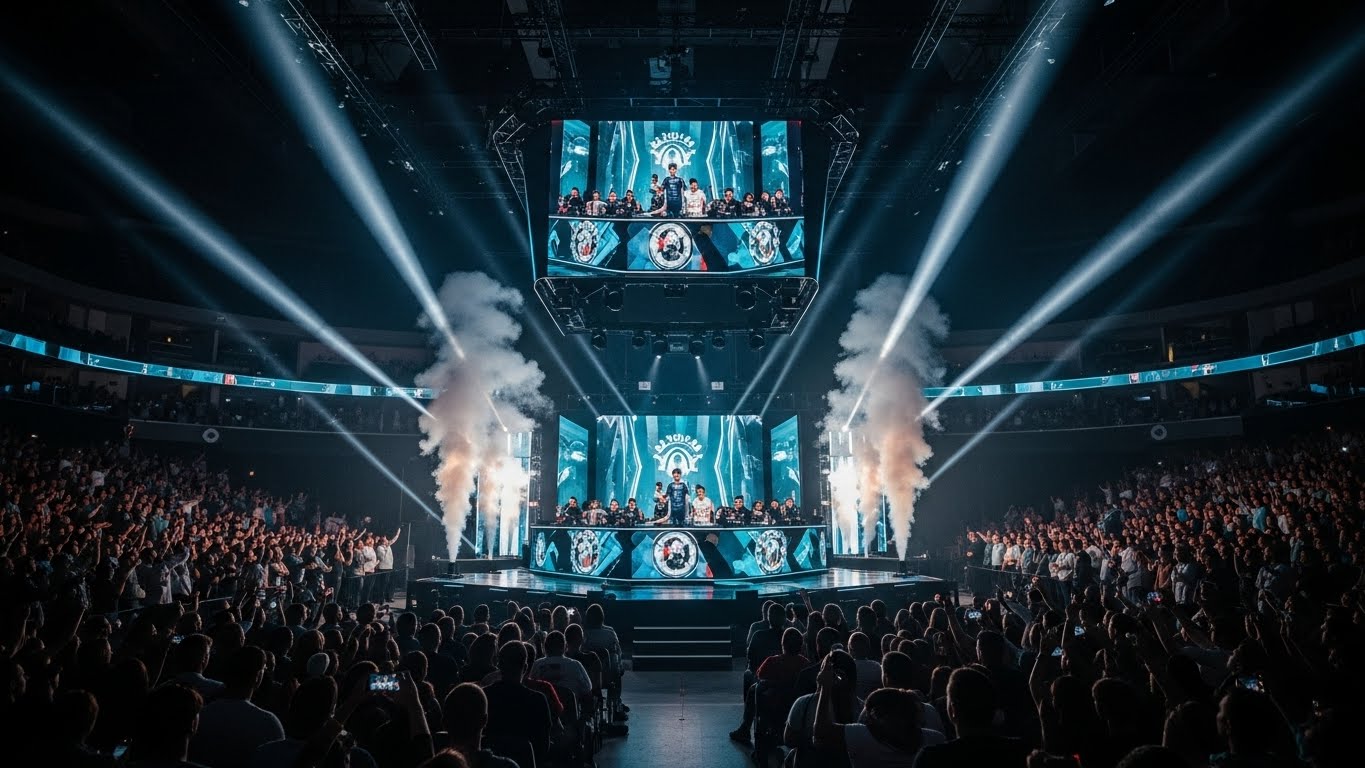
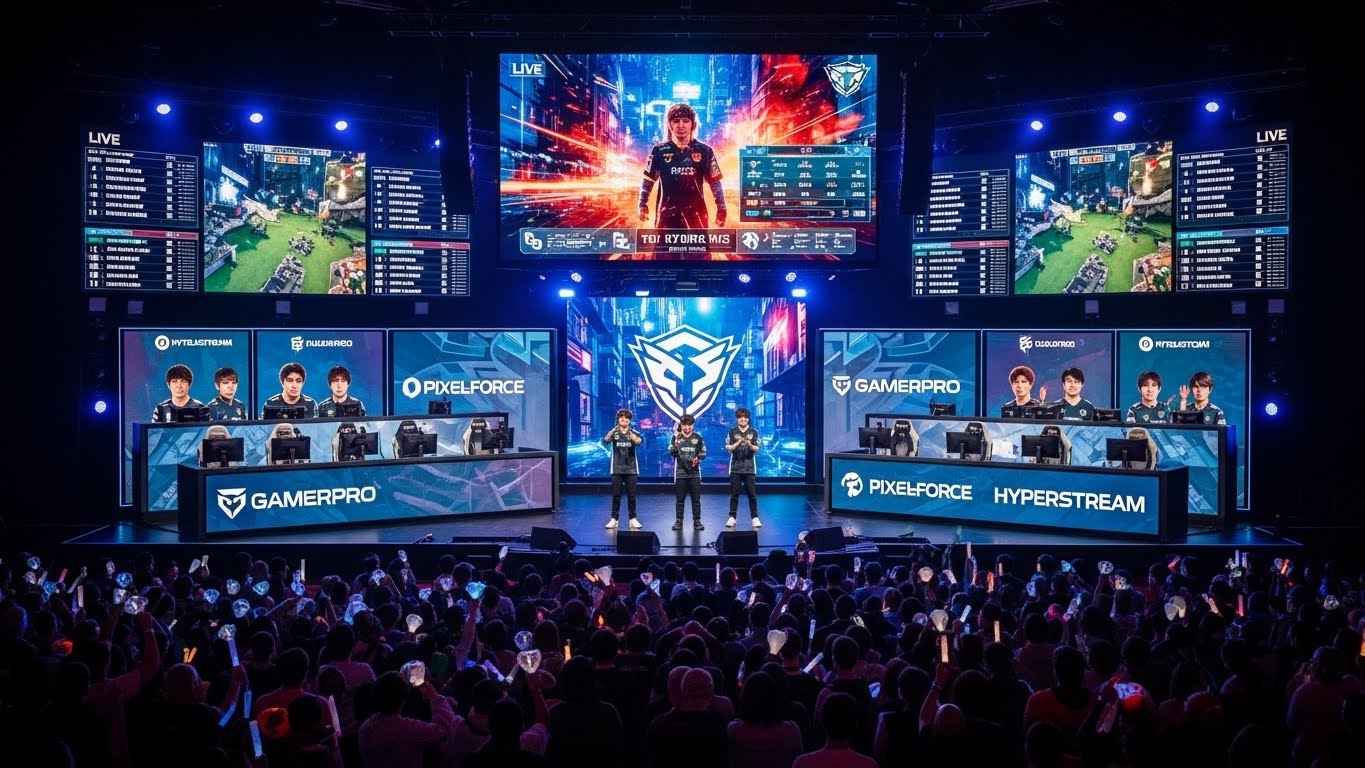
Esports, a fusion of technology and competition, has evolved from a hobby into a cultural and economic powerhouse. What once was seen as a niche activity is now an industry worth billions, with millions of fans around the world engaging with competitive gaming on a daily basis. From online tournaments to sold-out arenas, esports has carved out a space in the global entertainment landscape. But how did it get here, and where is it going? Let’s take a closer look at the rise of esports, its impact, and what lies ahead for the world of competitive gaming.
The Growth of Esports
Esports has experienced explosive growth over the past decade. As internet speeds improved and gaming technology became more accessible, the potential for competitive gaming skyrocketed. Platforms like Twitch and YouTube Gaming enabled players to stream their gameplay, allowing fans to watch live tournaments and follow their favorite teams and players in real-time. This direct access to content helped build a massive online community, making esports a mainstream form of entertainment.
The prize pools for major tournaments have reached astronomical figures. Games like Dota 2, with its annual International Championship, offer multi-million-dollar rewards for the best teams in the world. Sponsorships from brands like Coca-Cola, Intel, and Audi have further legitimized esports as a serious business. It’s not just about playing games anymore; it’s about competing on a global stage with professional contracts, sponsorships, and media coverage.
The Esports Ecosystem
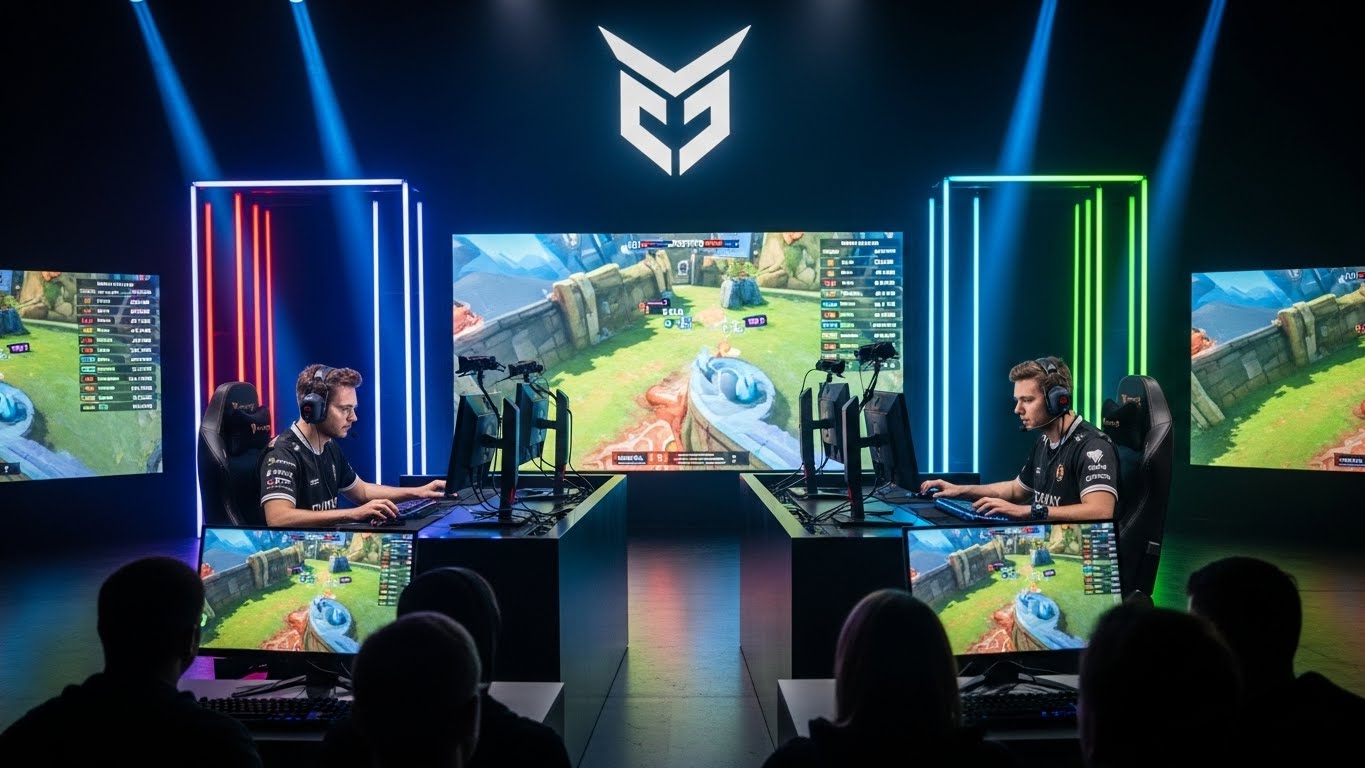
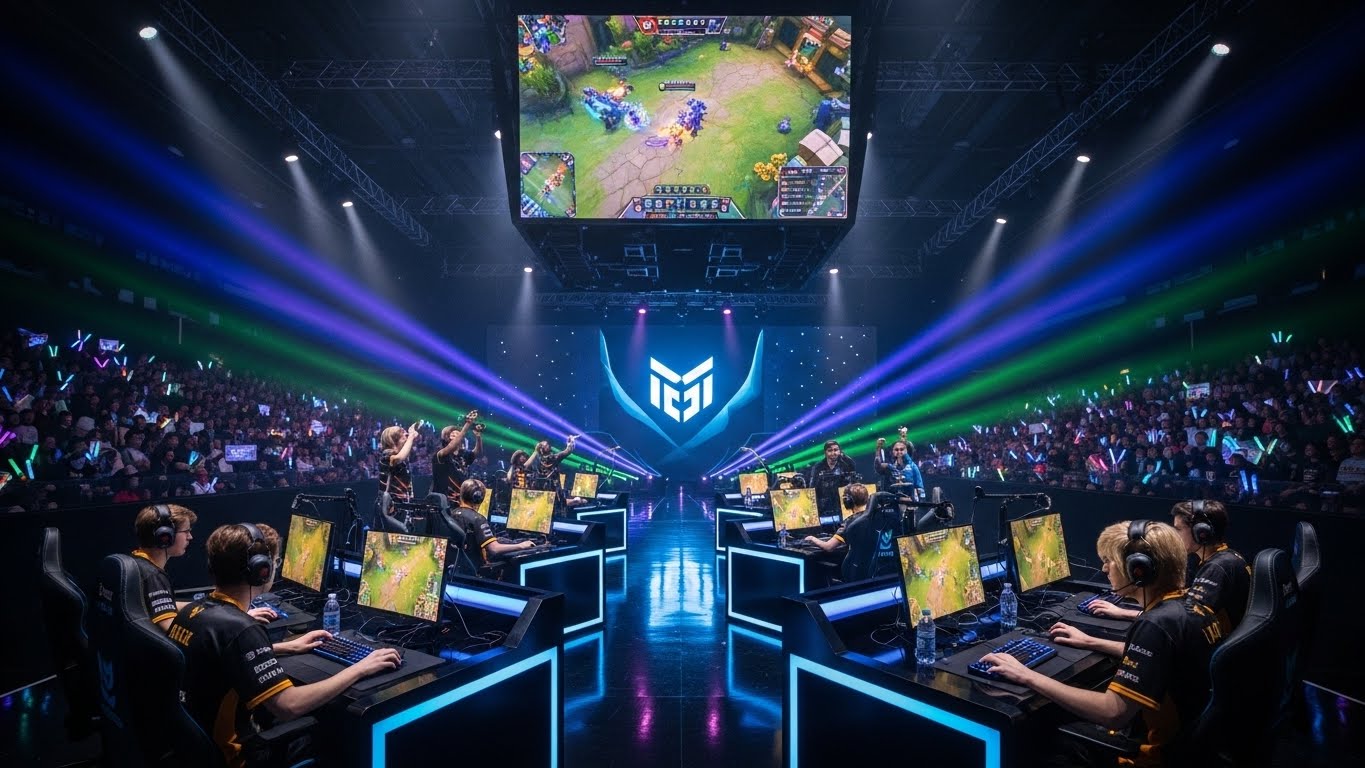
The ecosystem surrounding esports is vast and complex, bringing together players, coaches, analysts, broadcasters, sponsors, and fans. At the heart of this ecosystem are the professional players and teams who compete in various leagues and tournaments. These competitions take place in iconic games like League of Legends, Counter-Strike: Global Offensive, and Fortnite, each with their own unique culture and fanbase.
Alongside the players, there are the coaches and analysts who help refine strategies and prepare players for the intense demands of professional play. Teams have started employing support staff to assist players with mental health, fitness, and personal development to ensure they perform at their best. On the broadcast side, esports events are streamed to millions of viewers, with commentary, analysis, and live coverage elevating the spectacle of the games themselves. These broadcasts generate massive viewership, rivaling traditional sports leagues in terms of audience numbers.
The Role of Technology in Esports
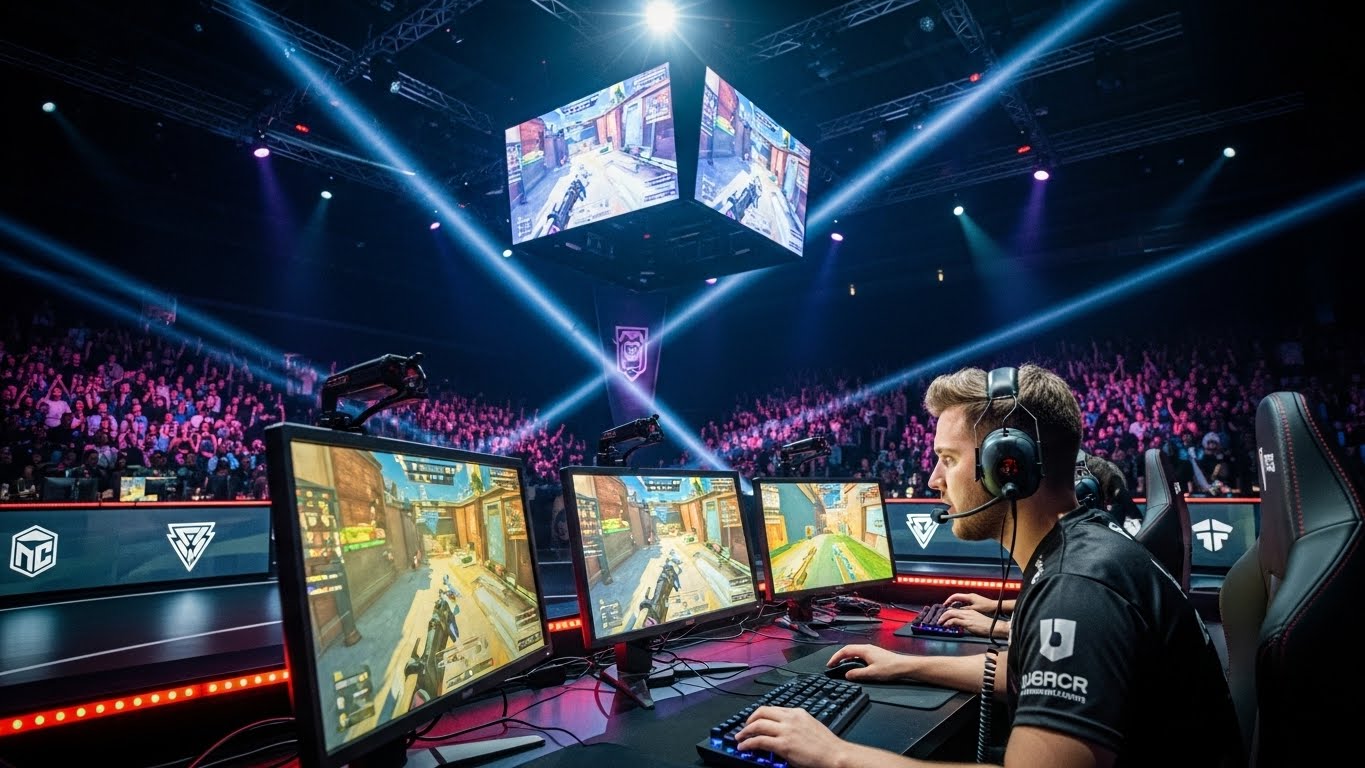
Technology is at the core of esports, not just as the medium for gameplay but also in the way it enhances the viewing experience. High-definition streaming, interactive features, and in-depth analysis have revolutionized how fans consume esports content. Virtual reality and augmented reality are also beginning to make their way into the esports space, offering new possibilities for both players and fans.
Additionally, the use of artificial intelligence and data analytics in esports has enabled teams to fine-tune their strategies and predict their opponents’ moves with greater accuracy. In-game performance metrics, player statistics, and real-time decision-making tools have become essential in competitive play. As technology continues to evolve, so too will the ways in which we experience and engage with esports.
Esports and the Global Community
One of the most remarkable aspects of esports is its ability to bring together people from all over the world. Players from different countries, speaking different languages, can compete in real-time thanks to the power of online platforms. This global connectivity has given rise to a diverse and inclusive esports culture, where people from all walks of life can participate, regardless of geography.
The rise of esports also reflects the growing influence of gaming as a cultural force. Gaming isn’t just for kids anymore; it’s a mainstream form of entertainment enjoyed by people of all ages. Esports, in particular, has built a strong following among young adults, many of whom now see professional gaming as a viable career option. This shift has also led to new educational opportunities, with colleges and universities offering scholarships and even dedicated esports programs.
Challenges Facing Esports
Despite its incredible growth, the esports industry faces a number of challenges. Player burnout is a significant issue, with some professional gamers retiring as young as their mid-20s due to the mental and physical strain of the profession. The intense schedule of practice, tournaments, and travel can take a toll on players’ well-being, and as the industry matures, addressing these concerns will be crucial to sustaining long-term success.
Another challenge is ensuring that esports remains inclusive and accessible to a wider range of participants. While there has been progress in diversifying the player base, esports remains a predominantly male-dominated space. Initiatives aimed at encouraging more women to get involved in esports, both as players and as professionals in other roles, are important for fostering a more inclusive environment.
Finally, the regulatory landscape for esports is still developing. As esports grows in popularity, it will need more standardized rules and regulations to ensure fair play, prevent cheating, and protect the interests of players, teams, and fans. This includes addressing issues like match-fixing, doping, and intellectual property rights.
The Future of Esports
Looking to the future, the potential for esports is boundless. With the continued advancement of technology, we may see new formats of competition, enhanced spectator experiences, and even further integration with traditional sports. The possibility of esports becoming an Olympic sport is no longer a far-off dream, with discussions about including it in future games gaining traction.
The esports industry is also likely to continue its global expansion. While North America, Europe, and Asia currently dominate the competitive gaming scene, other regions, particularly in Africa and South America, are beginning to make their mark. As internet infrastructure improves and gaming becomes more accessible worldwide, esports will continue to grow in new markets.
Conclusion
Esports has come a long way from its humble beginnings. Today, it’s a multi-billion-dollar industry with a global fanbase and a cultural influence that can’t be ignored. Whether you’re a fan watching from home or an aspiring professional looking to make your mark, the world of esports is only going to get bigger and more exciting in the years to come. As technology, competition, and community continue to evolve, esports will remain at the forefront of the entertainment industry, shaping the way we view and participate in competitive gaming.