championstream42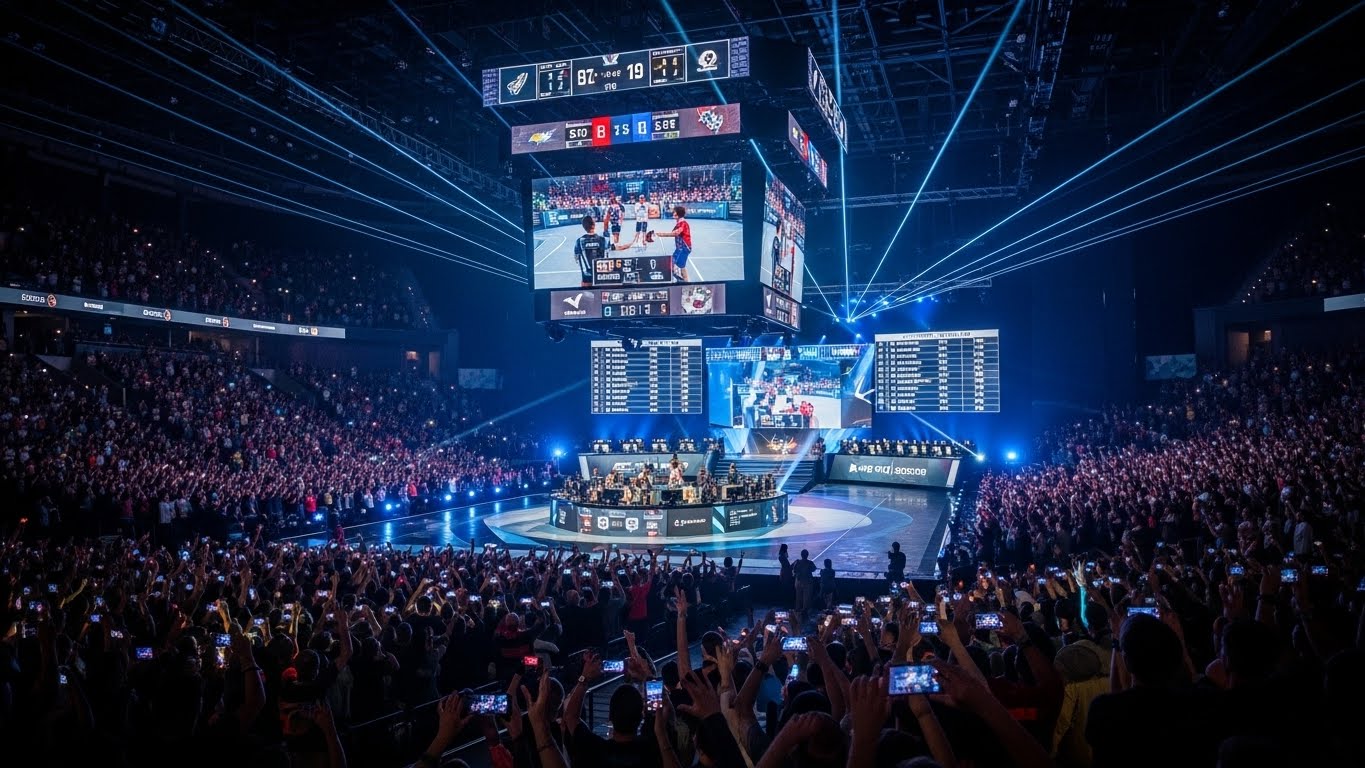
Introduction: The Surge of Esports
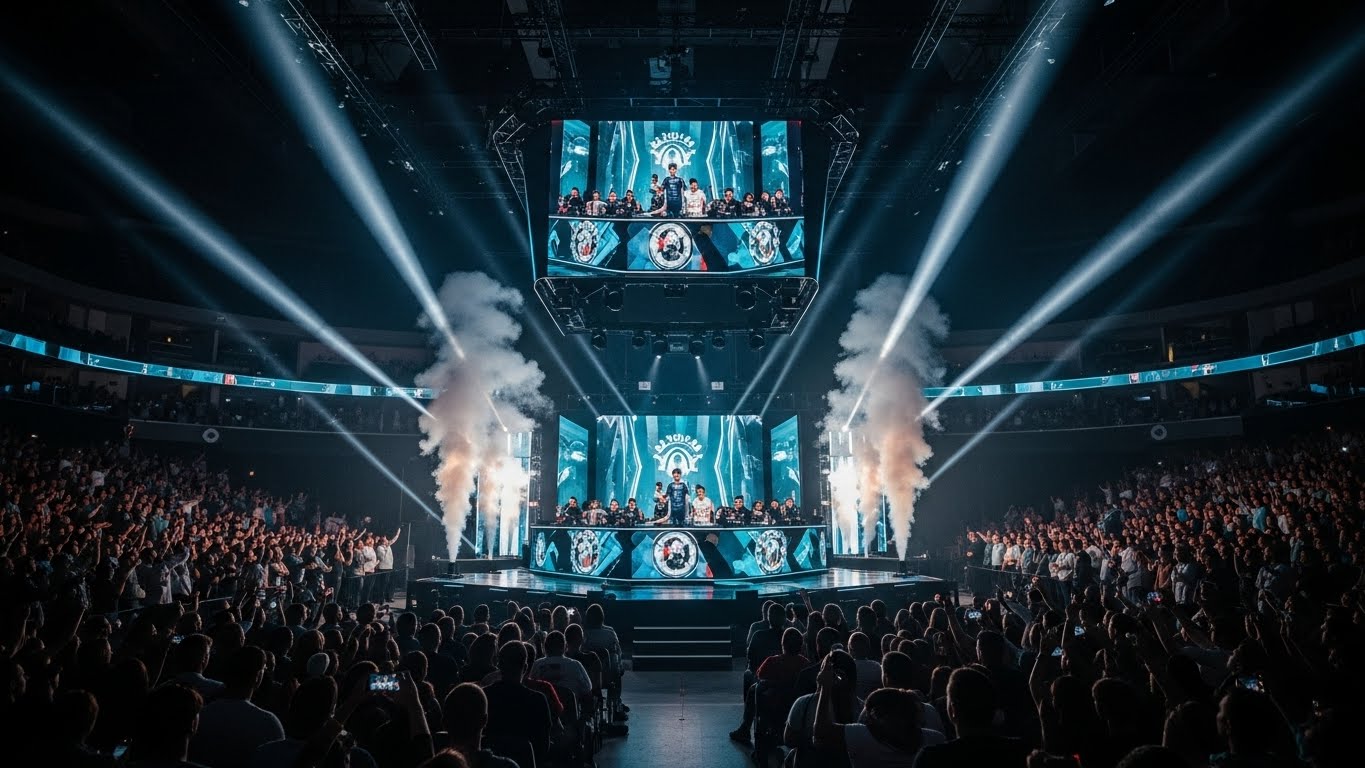
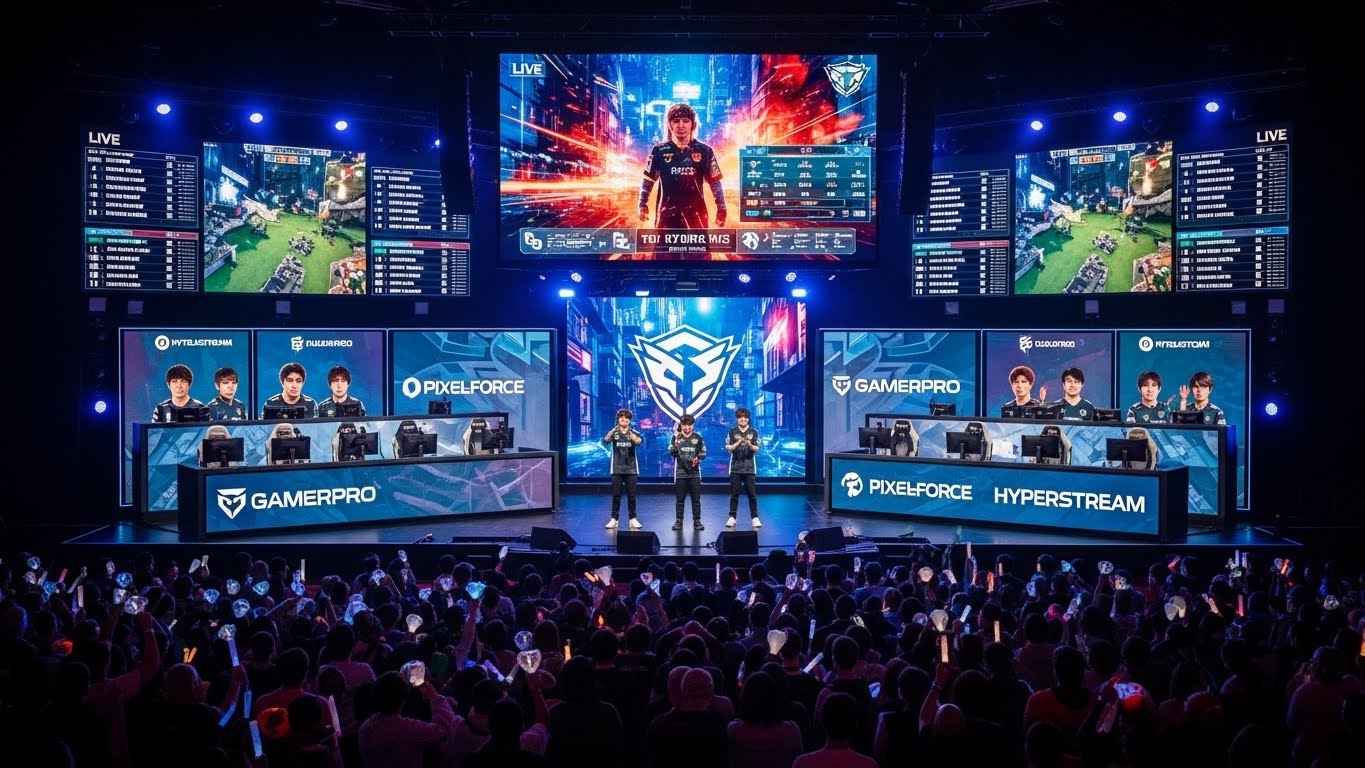
Over the last decade, esports has experienced a meteoric rise, transforming from a niche hobby into a billion-dollar global industry. What was once considered a pastime for gamers has now evolved into one of the most popular and rapidly growing forms of entertainment worldwide. Esports tournaments attract millions of viewers, top-tier players earn significant salaries, and games like “League of Legends,” “Dota 2,” and “Fortnite” have become household names.
But what is it about esports that has captivated millions of fans around the globe? Why has competitive gaming garnered such immense popularity? In this blog post, we will explore the growth of esports, its impact on the entertainment industry, the factors that have contributed to its success, and the future prospects for this digital revolution.
What Exactly Is Esports?
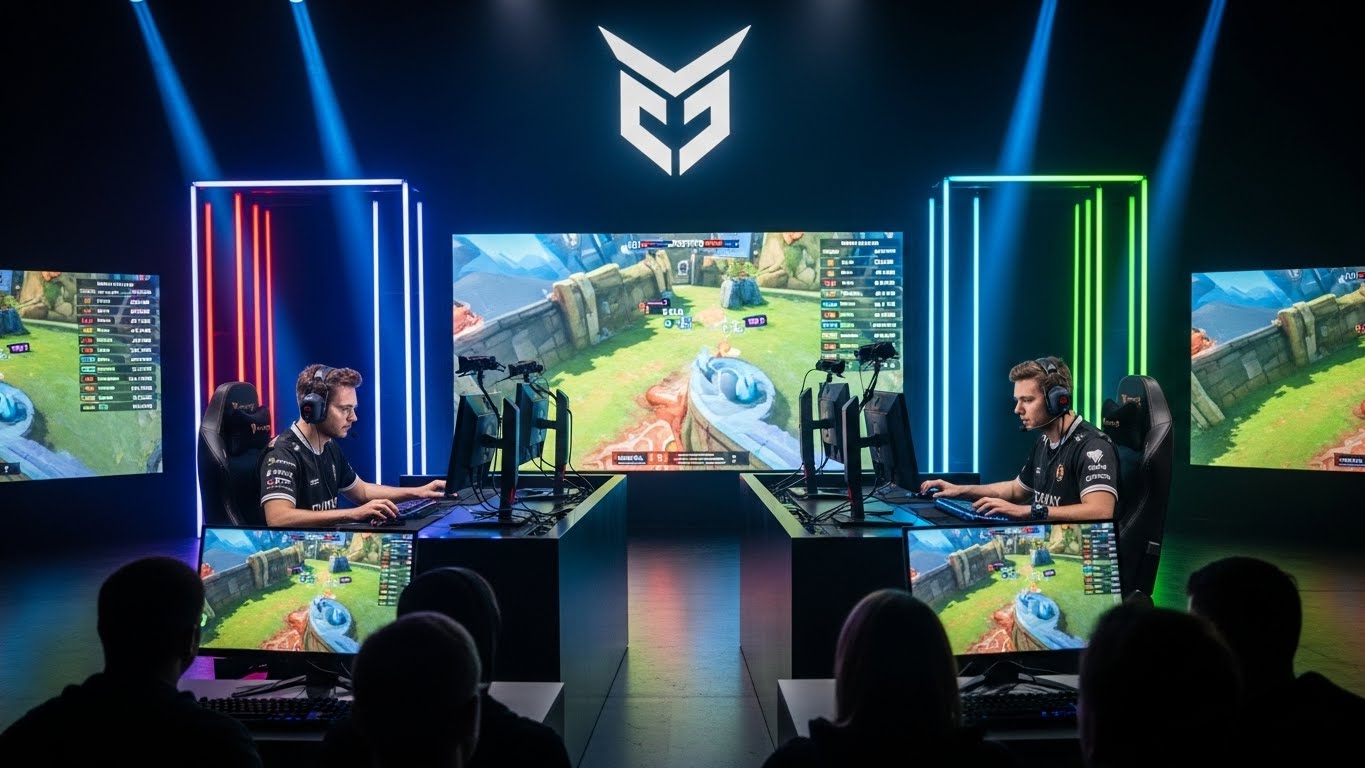
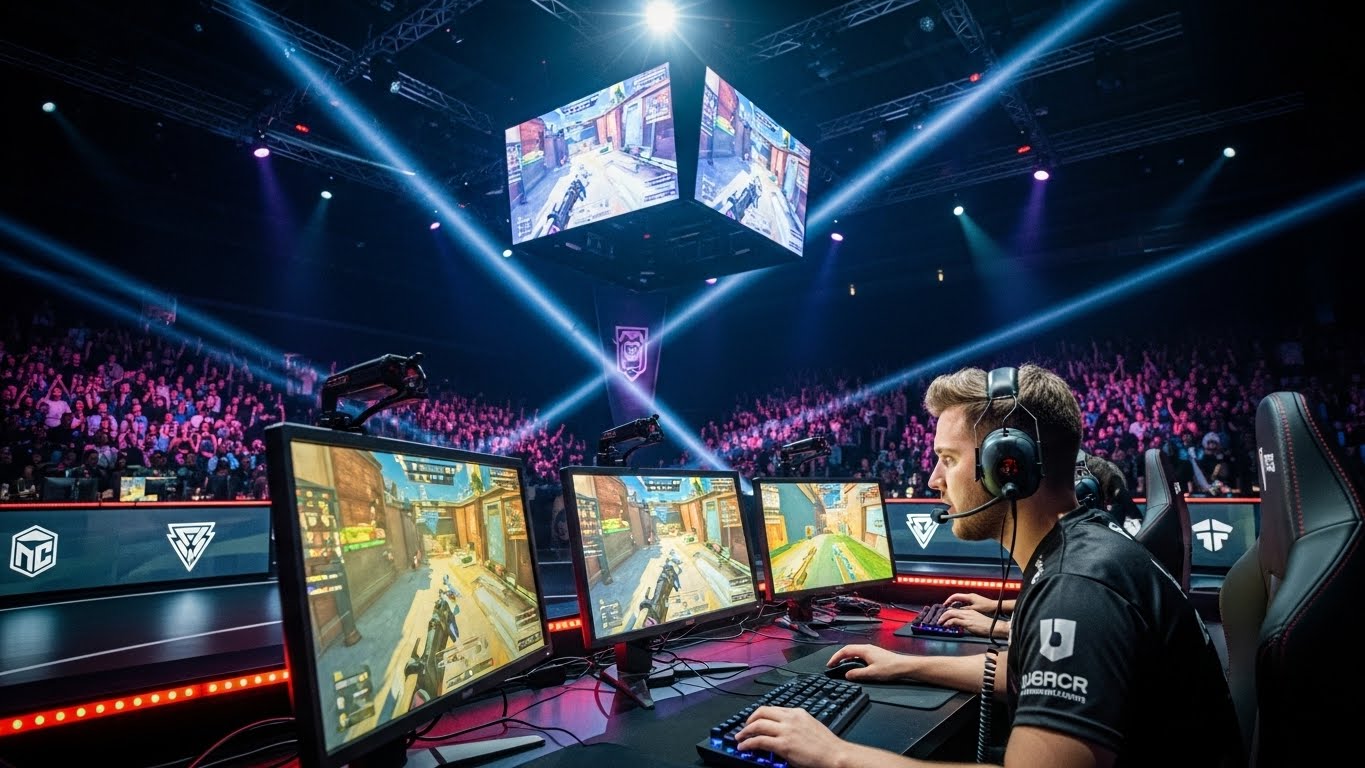
Esports refers to organized, multiplayer video game competitions, particularly between professional players, individually or in teams. These competitions are typically held in various game genres, including first-person shooters (FPS), real-time strategy (RTS) games, multiplayer online battle arenas (MOBAs), and sports simulations.
The most popular esports games include titles like “League of Legends,” “Dota 2,” “Counter-Strike: Global Offensive,” and “Call of Duty.” Players often compete for cash prizes, sponsorship deals, and, in many cases, a shot at global recognition. Esports has its own ecosystem consisting of players, teams, coaches, analysts, broadcasters, event organizers, and fans, all of whom contribute to the dynamic and thriving nature of the industry.
The Rise of Esports: From Casual to Competitive
While the concept of competitive gaming has existed since the early days of video games, esports as we know it today began to take shape in the late 1990s and early 2000s. During this period, games like “Quake” and “StarCraft” set the stage for organized tournaments, especially in regions like South Korea, which became a pioneer in esports culture.
The early 2000s saw a significant leap forward with the creation of esports leagues, including the Cyberathlete Professional League (CPL) and the World Cyber Games (WCG). These events began to garner modest attention, but it wasn’t until the arrival of high-speed internet and platforms like Twitch and YouTube that esports truly found a global audience.
The launch of Twitch in 2011 was a game-changer. It allowed gamers to stream their gameplay to a worldwide audience, enabling fans to watch live competitions and interact directly with players. This shift from watching traditional sports to tuning in for live gaming broadcasts marked the beginning of esports’ integration into mainstream culture.
By 2016, esports had truly broken into the public consciousness, with major tournaments like “The International” (Dota 2) offering multi-million-dollar prize pools, and esports organizations securing sponsorships from global brands such as Intel, Coca-Cola, and Red Bull. Esports began to be seen not just as a hobby, but as a legitimate career path for talented players.
The Esports Ecosystem: Key Players and Stakeholders
Esports is a multifaceted industry with a wide range of stakeholders contributing to its growth and success. Understanding the ecosystem is essential to grasp how esports operates and why it has become such a dominant force in entertainment.
- Players: At the heart of esports are the players, who dedicate hours of practice and training to hone their skills. These players, who often start their careers in their teenage years, are the face of the industry. They are often signed by professional esports organizations, receive salaries, and compete in major tournaments for lucrative prize pools. Top-tier players often build personal brands, gaining significant followings on platforms like Twitch and social media.
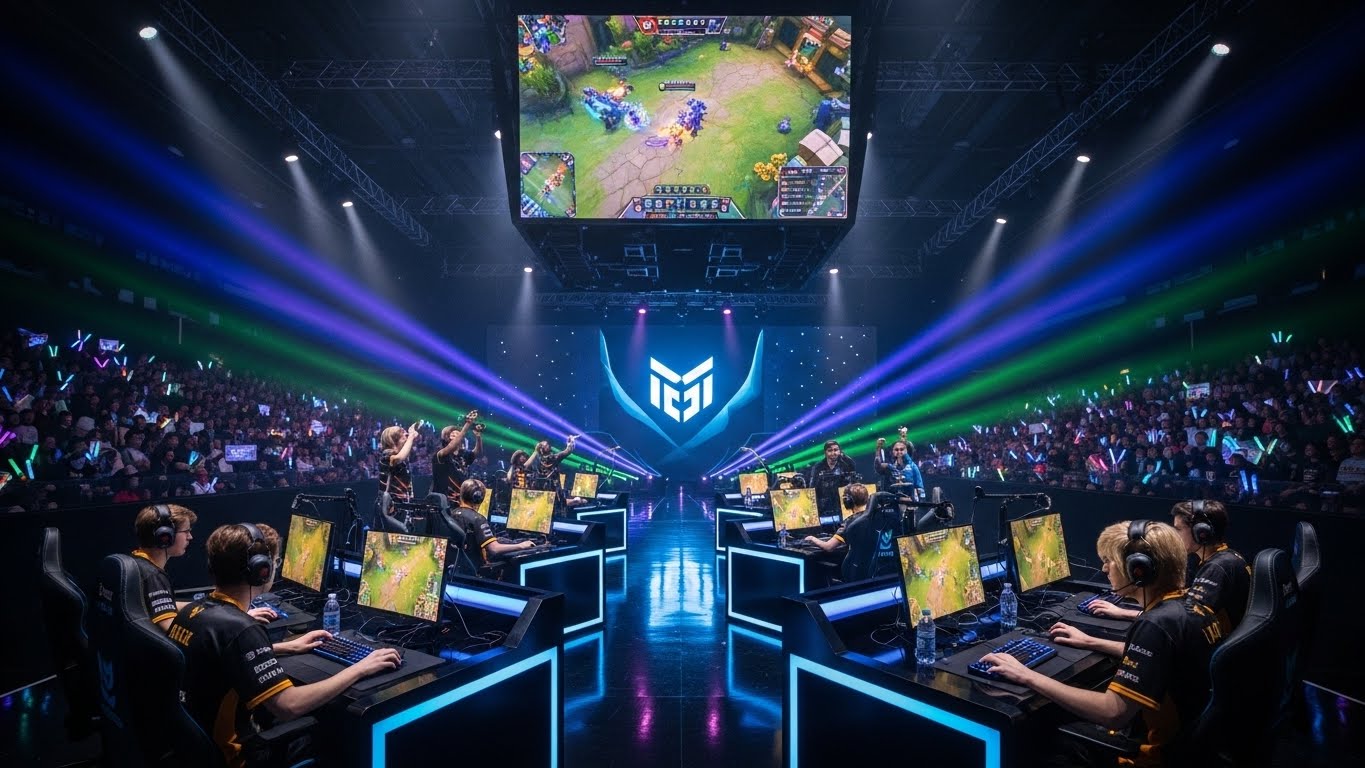
- Teams and Organizations: Just like traditional sports, esports has teams that compete in various leagues and tournaments. These teams are often backed by investors and sponsors, and they employ coaches, analysts, and managers to optimize performance. Some of the most recognized esports organizations include Team Liquid, Cloud9, and FaZe Clan. These teams provide players with resources, training, and support to succeed at the highest levels.
- Sponsors and Partners: Esports has attracted significant investment from both traditional corporations and tech companies. Major global brands like Coca-Cola, Nike, and Samsung have sponsored tournaments and teams. These sponsorships are crucial in financing the industry, making it possible for tournaments to offer large prize pools and for players to earn substantial salaries. The growing interest from investors highlights esports’ potential to become an even larger part of the entertainment industry.
- Event Organizers and Broadcast Platforms: Esports tournaments are organized by a variety of companies, including publishers of popular games and third-party event organizers. Companies like ESL (Electronic Sports League) and DreamHack are instrumental in hosting large-scale events, while game developers such as Riot Games (the creators of “League of Legends”) and Valve (the creators of “Dota 2”) often oversee tournaments for their respective titles. Streaming platforms like Twitch and YouTube Gaming are essential for broadcasting esports competitions to global audiences, providing a live and interactive experience for fans.
- Fans and Community: The fanbase of esports is one of its greatest strengths. Fans are not just passive viewers; they engage with players, teams, and other fans in real-time via social media, live streams, and fan events. The relationship between players and their communities is one of the key factors in the success of esports, as fans feel personally connected to the players they follow. The sense of belonging and community among esports fans is one of the driving forces behind its exponential growth.
Esports as a Global Phenomenon
Esports’ impact is not confined to any one region. While South Korea has long been considered the birthplace of esports, the industry has spread globally. North America, Europe, China, and Southeast Asia have all become major hubs for competitive gaming. Esports leagues, tournaments, and events are held around the world, and millions of fans tune in to watch their favorite games and teams compete.
The global appeal of esports is evident in the diversity of its audience. Fans come from all walks of life, with different cultural backgrounds and interests, but they are united by a common love for gaming. Major tournaments like “The International” and “League of Legends World Championship” are broadcast in multiple languages and attract millions of viewers from across the globe.
Esports has also had a significant impact on the way people consume entertainment. Traditional sports broadcasts have long been dominated by TV networks, but esports has embraced online streaming and social media, offering fans a more interactive and accessible experience. With the rise of live streaming platforms, fans can now watch their favorite games in real-time, engage with players, and share their experiences with others.
The Economic Impact of Esports
The financial growth of esports is staggering. According to industry reports, the global esports market is expected to surpass $1.5 billion in revenue by 2023. This growth is driven by a combination of factors, including increased viewership, sponsorships, merchandise sales, and ticket sales for live events.
Esports tournaments have become a major source of revenue, with prize pools for top competitions reaching tens of millions of dollars. For example, “The International 2019” boasted a prize pool of over $34 million, the largest in esports history. In addition to tournament winnings, players and teams also earn income from sponsorships, streaming deals, and merchandise sales.
The rise of esports has also created new opportunities for jobs in various fields. Beyond professional players, there is a growing demand for coaches, analysts, event organizers, broadcasters, and content creators. As the industry continues to expand, so too does the need for skilled professionals who can contribute to the growth of esports.
The Future of Esports: Where Is It Heading?
The future of esports looks incredibly promising, with new technologies, trends, and innovations shaping the industry. Here are some key areas that will influence the growth and development of esports:
- Mobile Gaming: Mobile esports is rapidly growing, particularly in regions like Southeast Asia and China, where smartphones are the primary gaming platform. Games like “PUBG Mobile” and “Arena of Valor” are seeing massive success, and mobile esports tournaments are gaining traction.
- Virtual Reality (VR) and Augmented Reality (AR): The integration of VR and AR into esports has the potential to revolutionize the way games are played and experienced. VR could offer more immersive gameplay, while AR could enhance the spectator experience.
- Mainstream Integration: As esports continues to gain popularity, it will likely become more integrated into mainstream culture. This could include esports being featured at the Olympic Games or major sports networks broadcasting esports events.
- Inclusivity and Accessibility: The esports community is also becoming more inclusive, with efforts to promote diversity and accessibility for underrepresented groups. Initiatives to support women in gaming and adaptive esports for people with disabilities are helping make esports a more inclusive space.
Conclusion: A Digital Revolution
Esports has transformed from a niche activity into a global entertainment powerhouse. The industry’s rapid growth, fueled by a dedicated fanbase, corporate sponsorship, and cutting-edge technology, signals that esports is here to stay. As the industry evolves, it will continue to reshape the landscape of competitive entertainment, providing new opportunities for players, fans, and professionals alike.
Esports is not just about video games; it’s about community, passion, and the future of entertainment. With its global reach, diverse audience, and potential for continued growth, esports is poised to become one of the most significant cultural phenomena of the 21st century.