championstream42
Esports has become one of the fastest-growing entertainment industries worldwide, reaching new heights of popularity and recognition every year. What began as a niche hobby for passionate gamers has evolved into a billion-dollar business, with professional tournaments, sponsorships, and a massive global audience. Competitive gaming now rivals traditional sports in terms of viewership, revenue, and influence, transforming the way we think about sports and entertainment. In this blog post, we’ll explore the rise of esports, its current impact, and its future as a dominant force in the world of entertainment and competition.
The Origins of Esports
The roots of esports can be traced back to the early days of video games. In the 1970s and 1980s, competitive gaming was mostly limited to local arcade games, where players would compete for high scores in games like Pong and Space Invaders. However, as technology advanced and gaming moved to personal computers, the foundation for modern esports began to take shape.
In the 1990s, the internet allowed gamers to connect online, opening the door to worldwide competitions. Games like Doom, Quake, and StarCraft became the cornerstone of competitive gaming, with online tournaments beginning to take form. South Korea, in particular, played a significant role in esports’ growth during this period. The country embraced competitive gaming with immense fervor, and gaming quickly became a national pastime. South Korean gamers were some of the first to be treated as professional athletes, and televised gaming tournaments began to draw large audiences.
In the early 2000s, platforms like YouTube and later, Twitch, revolutionized the way people consumed gaming content. Viewers no longer had to be physically present at a tournament to experience the action. They could watch live broadcasts of their favorite games and players from the comfort of their own homes. This change would prove to be one of the most important turning points in esports history, providing the foundation for its explosive growth.
The Rise of Esports as a Global Industry
Esports has evolved into a global industry with a massive following. Major gaming titles like League of Legends, Dota 2, Counter-Strike: Global Offensive, Fortnite, and Valorant have become household names, with tournaments offering multi-million-dollar prize pools and attracting millions of viewers worldwide. The global esports market was valued at $1.1 billion in 2020, and experts predict that this number will continue to grow exponentially in the coming years.
One of the reasons for esports’ rapid rise is its accessibility. Unlike traditional sports, which require specialized equipment, facilities, and physical talent, esports can be played by anyone with access to a gaming console, PC, or even a smartphone. This inclusivity has led to a massive global player base, ranging from casual gamers to professional competitors. In addition, esports is often viewed as a universal language, bringing together people from different countries, cultures, and backgrounds to compete or cheer for their favorite teams.
The increasing involvement of corporate sponsors and advertisers has also helped propel esports into the mainstream. Global brands from industries such as tech, energy drinks, apparel, and even traditional sports are now sponsoring teams, events, and tournaments, seeing the potential to connect with a highly engaged and diverse audience. These sponsorships have brought in vast amounts of money, further solidifying esports as a viable and lucrative career path for players and professionals alike.
Professionalization of Esports
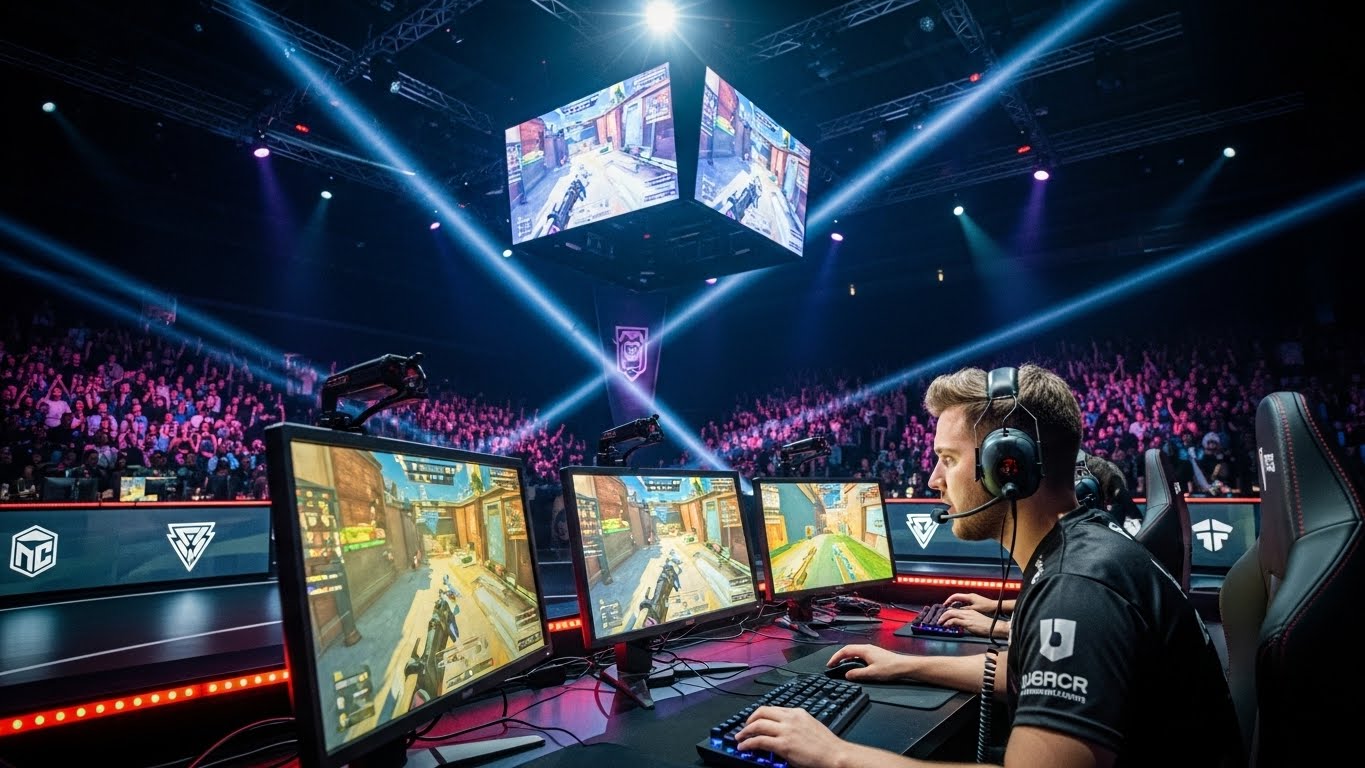
The professionalization of esports has been one of the key drivers of its success. Today, competitive gaming is no longer just about playing games for fun; it’s a legitimate career for many top players and professionals. Esports athletes train for hours each day, honing their skills and strategies to compete at the highest level. They often sign contracts with esports organizations that provide financial support, equipment, coaching, and other resources necessary for success.
Top esports players can earn substantial incomes from tournament winnings, sponsorships, streaming, and merchandising. In fact, many professional players have built lucrative personal brands by streaming their gameplay on platforms like Twitch and YouTube. These players not only gain fame within the gaming community but also attract sponsorships and brand deals, creating multiple revenue streams.
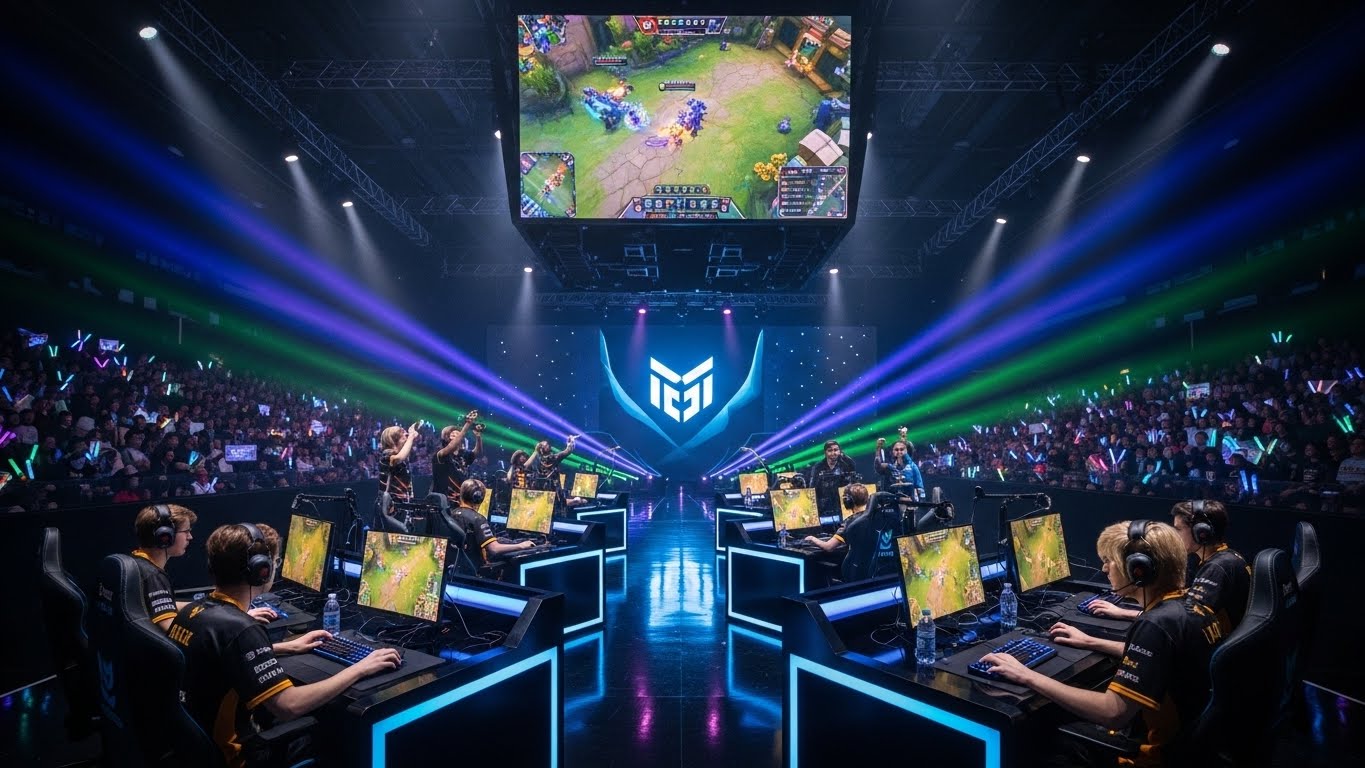
Teams and organizations have also become highly structured, with full-time coaches, analysts, managers, and other staff members dedicated to supporting players. This level of professionalism is similar to that of traditional sports teams, where the focus is on performance, strategy, and achieving success. Competitive esports is also highly team-oriented, with players working together to execute complex strategies and develop team dynamics, much like in football, basketball, or soccer.
Esports Tournaments and Spectator Engagement
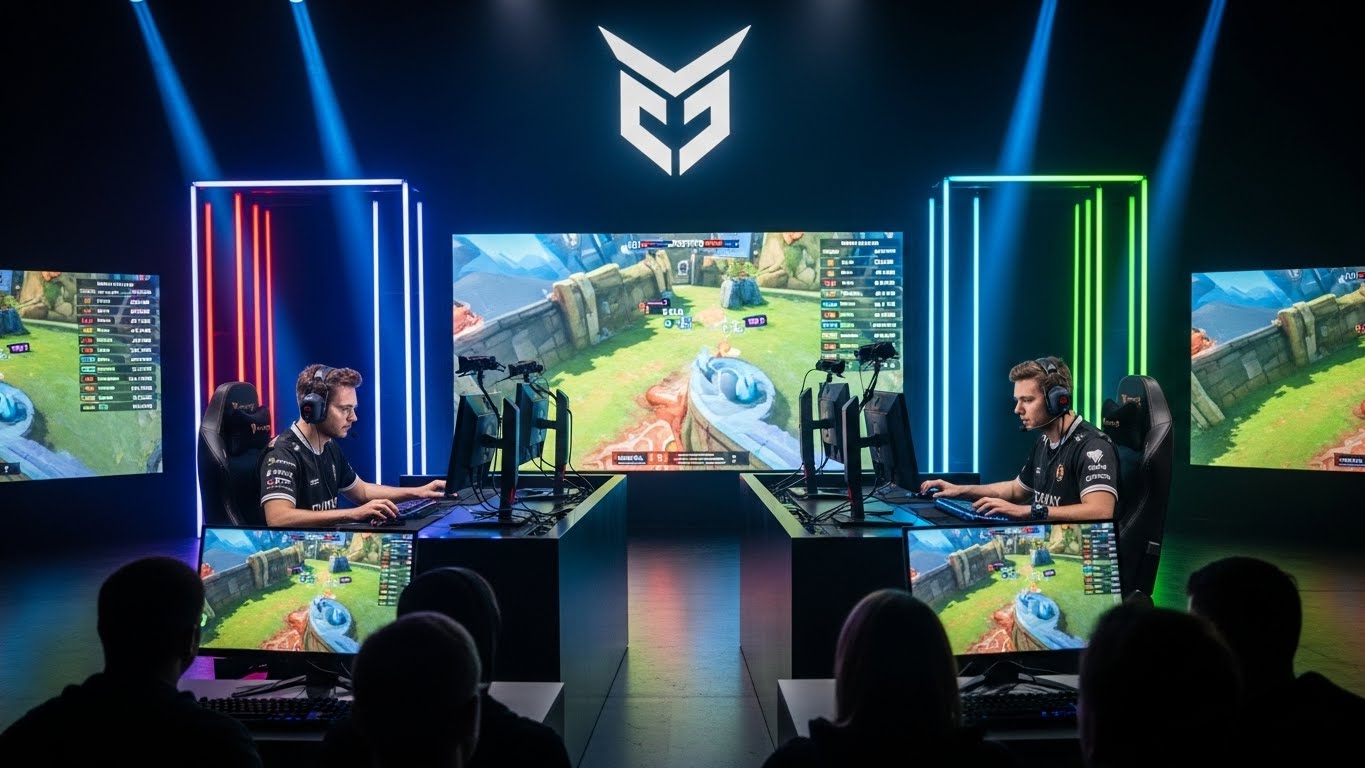
One of the most exciting aspects of esports is its tournament scene. Esports tournaments attract massive live and online audiences, offering thrilling competitions with high stakes. Major events like the League of Legends World Championship, The International (Dota 2), and CS:GO Major Championships have become annual highlights for fans around the world.
What sets esports apart from traditional sports is its ability to engage audiences through live streaming and interactive features. Fans can watch matches live on platforms like Twitch, YouTube Gaming, and Facebook Gaming, where they can interact with streamers, comment on matches, and even influence the game in some cases through interactive features. Esports tournaments are also often broadcasted on television and even live-streamed in cinemas, further expanding their reach.
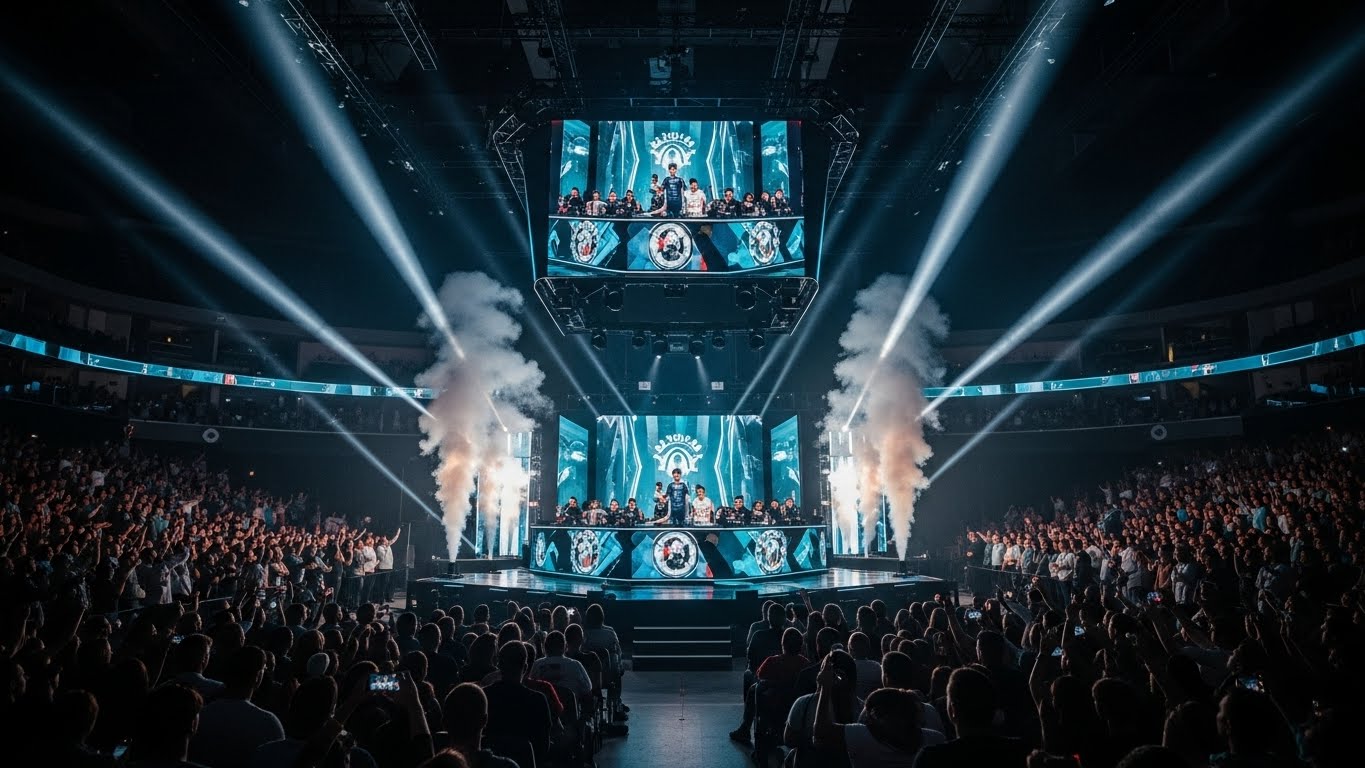
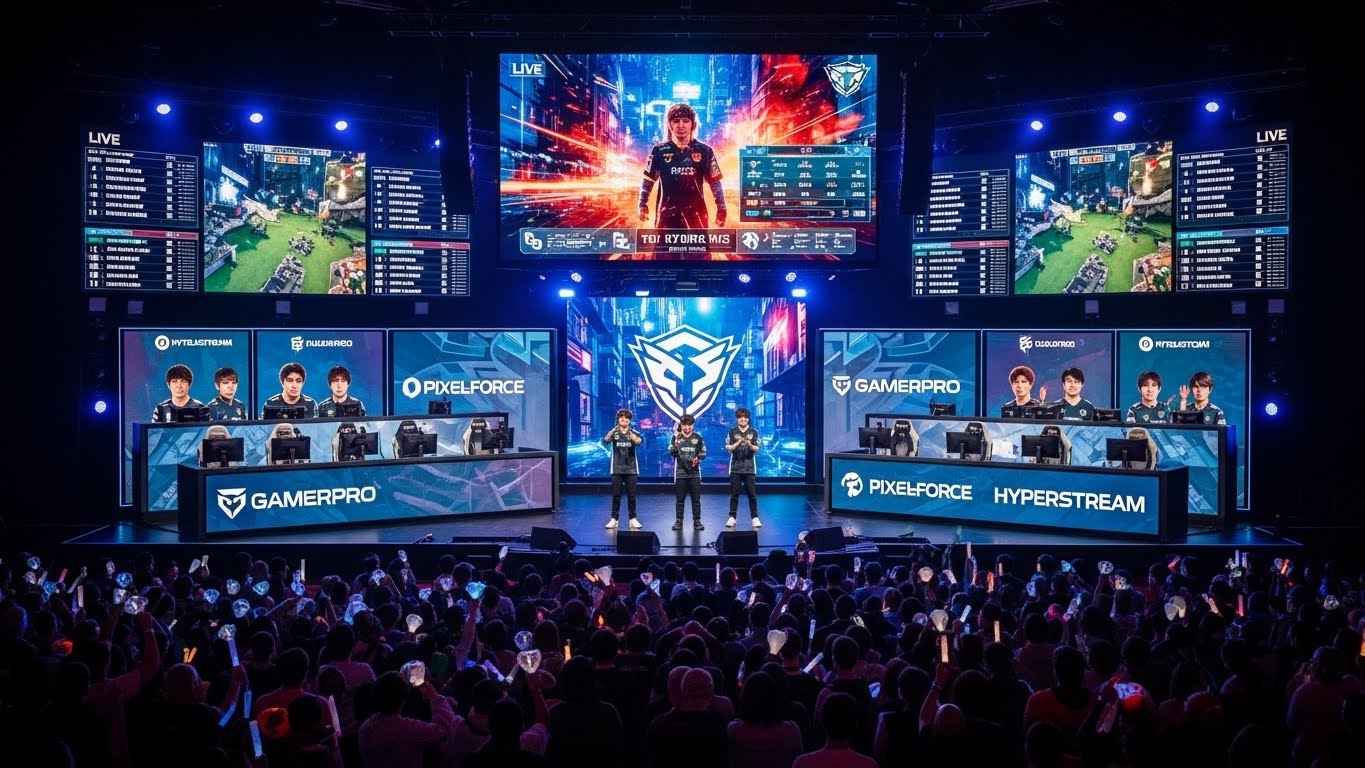
In addition to watching games, fans can also participate in the esports ecosystem by attending live events. Many major esports tournaments are held in large arenas or stadiums, where thousands of fans gather to cheer on their favorite teams. These events are often packed with energy, as fans support their teams with chants, signs, and merchandise. The atmosphere at these tournaments is electric, and the experience of being there is akin to attending a live sporting event.
The Cultural Impact of Esports
Esports has had a profound impact on global culture. Gaming, once considered a pastime for introverts and geeks, is now embraced by millions of people worldwide. This cultural shift has been particularly evident in the way that esports is portrayed in media and entertainment. Gaming stars are becoming household names, with players like Faker (Lee Sang-hyeok), Ninja (Tyler Blevins), and s1mple (Oleksandr Kostyliev) gaining the same level of recognition as athletes in traditional sports.
Moreover, esports is now being integrated into popular culture, with gaming references appearing in films, television shows, and music. Esports events are frequently featured in major entertainment outlets, and gaming celebrities often appear on talk shows and in mainstream advertising campaigns. Additionally, many esports events are broadcast live at major venues, with fans streaming from around the world.
Beyond entertainment, esports is also having an impact on education. Many universities and colleges now offer scholarships for talented esports players, recognizing the skill and dedication required to compete at a professional level. Esports programs have been established in schools and universities, where students can study everything from game design to tournament management, broadcasting, and marketing. This recognition is further legitimizing esports as a career and a discipline, offering students the opportunity to pursue their passion for gaming while gaining valuable skills in a rapidly growing industry.
Challenges Facing Esports
Despite its growth, esports faces a number of challenges that need to be addressed for its continued success. One of the most significant challenges is player burnout. Professional esports players often spend long hours practicing, traveling to tournaments, and maintaining their public image. This intense schedule can take a toll on players’ mental and physical health, leading to stress, anxiety, and exhaustion. Many esports players retire in their mid-20s due to burnout, which raises concerns about the sustainability of professional careers in esports.
Another challenge is the issue of toxicity within the gaming community. Online gaming, particularly in competitive environments, can sometimes breed negative behavior such as harassment, trolling, and bullying. This toxicity can deter new players from entering the esports scene and damage the reputation of the community. While efforts are being made to combat this behavior through stricter enforcement of codes of conduct and community guidelines, the problem remains an ongoing issue.
Esports also faces the challenge of ensuring fair competition. As the industry grows, concerns about match-fixing, cheating, and the manipulation of outcomes in tournaments have emerged. Organizations and governing bodies need to implement effective systems for detecting and preventing cheating to maintain the integrity of the sport.
The Future of Esports
The future of esports looks incredibly promising. With the continued development of technology, esports is poised to become even more immersive and interactive. Virtual reality (VR) and augmented reality (AR) are expected to play a major role in the evolution of esports, offering new ways for players and spectators to engage with the games.
In addition, mobile esports is expected to grow exponentially, with mobile gaming gaining traction in regions where traditional gaming consoles and PCs are less accessible. Games like PUBG Mobile and Mobile Legends have already become staples in the esports ecosystem, and as mobile devices continue to improve, mobile esports is set to rival traditional esports in terms of viewership and participation.
Esports is also likely to continue expanding its presence in traditional sports venues. Major cities around the world are beginning to build dedicated esports arenas, and esports tournaments are being held in large stadiums that once hosted sports events. The integration of esports into global sporting events, such as the potential inclusion of esports in the Olympic Games, will only further solidify its place in the mainstream.
Conclusion
Esports has come a long way since its early days as a small community of gamers competing for bragging rights. Today, it is a global industry worth billions of dollars, with professional players, teams, and organizations making a living through competition, sponsorship, and streaming. Esports has become a cultural phenomenon, engaging millions of fans worldwide and transforming the way we think about gaming, competition, and entertainment.