championstream42
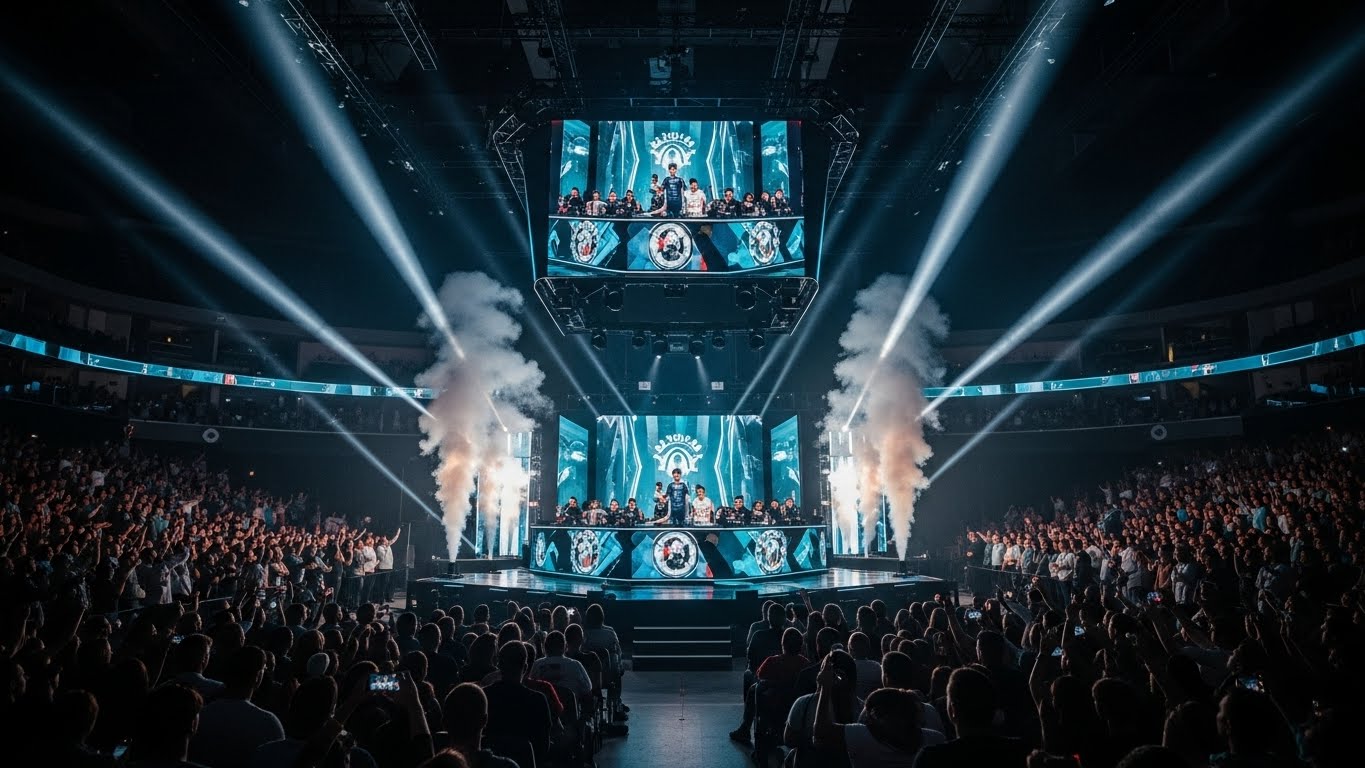
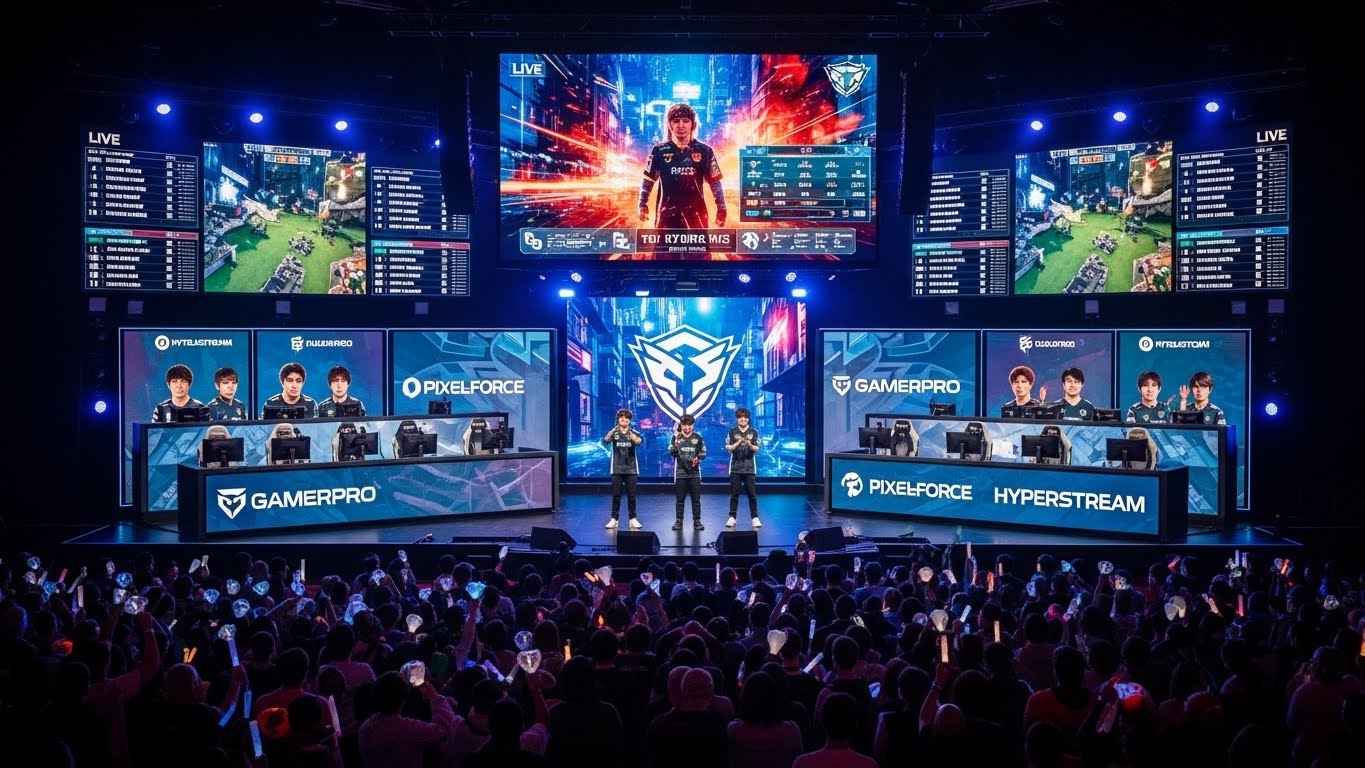
Esports, once considered a niche hobby for hardcore gamers, has evolved into a global industry that attracts millions of viewers, players, and sponsors. Today, competitive gaming is no longer confined to the shadows of internet cafes or basement tournaments; it has become a legitimate form of entertainment, rivaling traditional sports in scale, viewership, and cultural impact. But how did esports become a worldwide phenomenon, and where is it headed in the future? Let’s dive deep into the exciting world of esports.
The Early Days: When Gaming Was Just a Hobby
The origins of esports can be traced back to the early days of video gaming. In the 1970s and ’80s, arcades were the heart of the gaming world, and competitions for high scores in games like Pong and Space Invaders began to emerge. However, these early competitions were casual and not yet organized on a large scale. It wasn’t until the 1990s, with the advent of local area networks (LAN) and online multiplayer games, that competitive gaming started to take shape.
Games like Quake and Doom introduced the concept of online multiplayer competition, allowing players from different locations to connect and compete against each other in real time. These early games laid the groundwork for the competitive gaming scene, though it was still largely an underground phenomenon, with players organizing tournaments through bulletin boards or early internet forums.
The Rise of Major Leagues and Tournaments
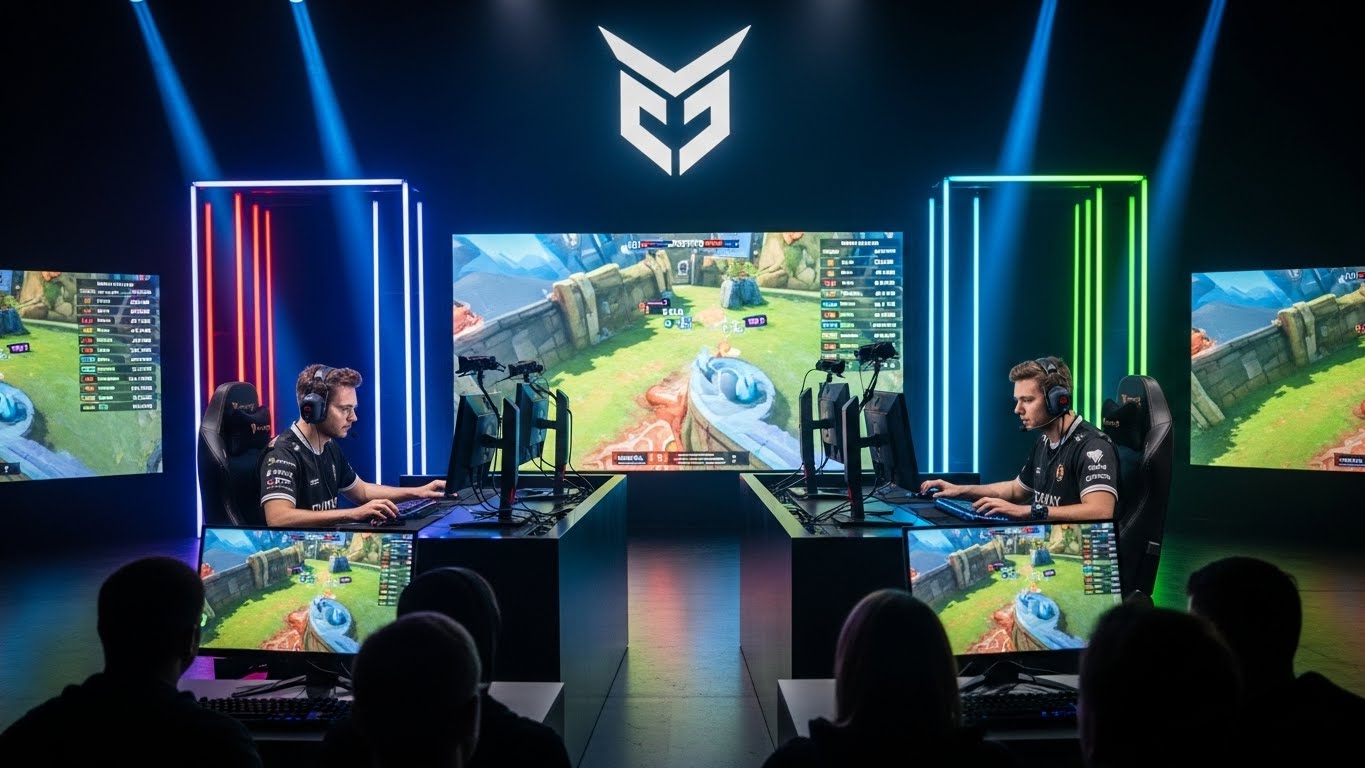
The 2000s marked a turning point for esports. With the popularity of games like StarCraft, Warcraft III, and Counter-Strike, competitive gaming began to gain more attention. Tournaments started to get bigger, and dedicated esports organizations like Major League Gaming (MLG) and ESL (Electronic Sports League) began hosting large-scale competitions. These tournaments attracted professional players, who began to make a career out of competitive gaming.
The introduction of significant prize pools also set esports apart from casual gaming. In 2011, The International, a Dota 2 tournament, made headlines by offering a prize pool of over $1 million. This was a game-changer. For the first time, esports tournaments were offering prizes on par with those found in traditional sports, and it proved to be a tipping point for the industry’s growth.
Streaming and the Birth of Esports Personalities
One of the driving forces behind the meteoric rise of esports has been the rise of streaming platforms, most notably Twitch. Launched in 2011, Twitch revolutionized how people consumed gaming content. Gamers could now stream their gameplay live, interact with their audience in real time, and even build a career out of it. Esports tournaments, once only available to those attending in person or through limited TV coverage, were now being broadcast to a global audience.
The popularity of Twitch helped create a new class of esports personalities, from professional players to commentators and streamers. Players like Faker (Lee Sang-hyeok) in League of Legends and N0tail (Johan Sundstein) in Dota 2 became household names, with fan followings rivaling those of traditional sports stars. This exposure brought esports into the mainstream, attracting millions of viewers and even larger sponsorship deals.
Esports as a Profession: Building Teams and Careers
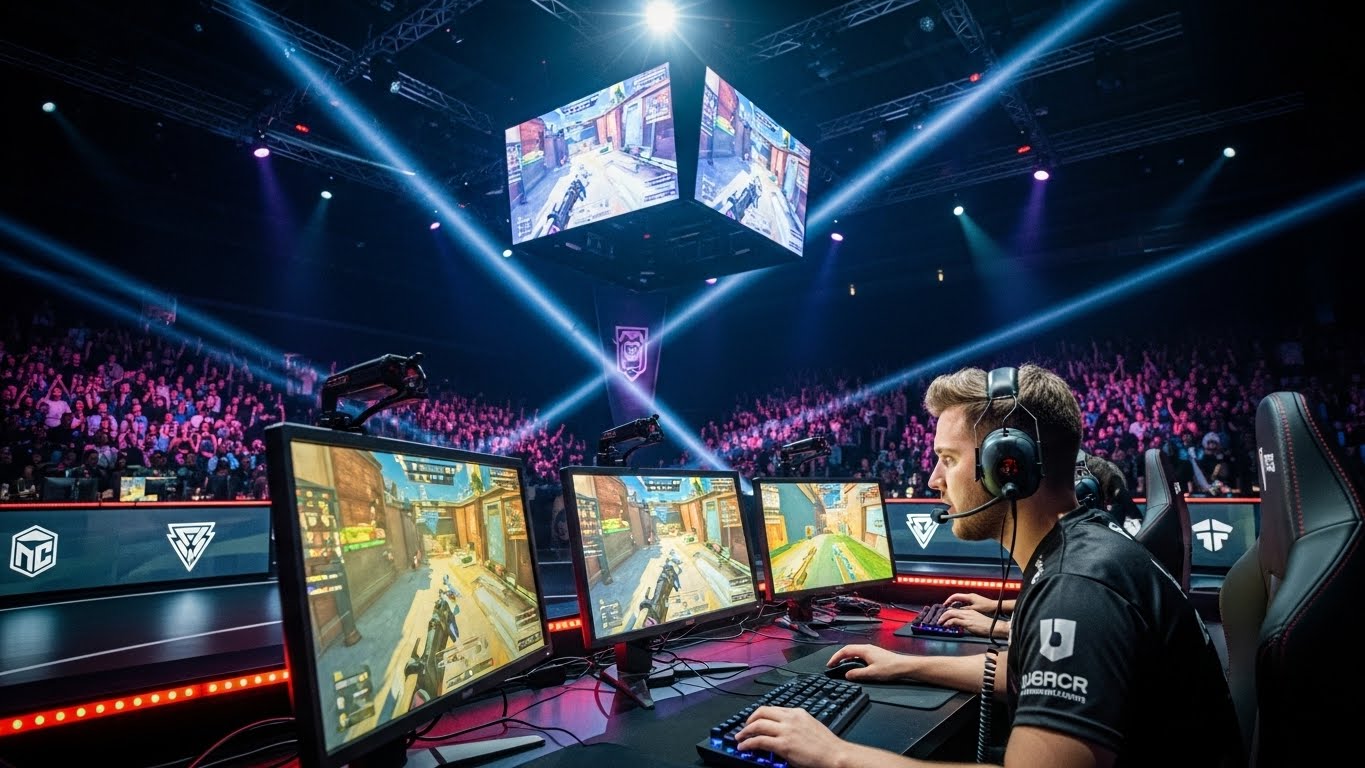
As esports grew in popularity, it also evolved into a legitimate career for many players. Professional gaming teams started to form, complete with coaches, analysts, and other support staff. Players were no longer just competing for fun; they were training, practicing, and competing at the highest level. In fact, some professional esports teams, like Team Liquid and Cloud9, have become as recognizable as traditional sports teams like Manchester United or the Los Angeles Lakers.
Professional gamers can now earn significant salaries through a combination of tournament prizes, sponsorships, and streaming revenue. In addition, many top players are signed to exclusive sponsorship deals with major brands like Intel, Adidas, and Coca-Cola. These sponsorships not only help support the players financially but also increase the legitimacy of esports as a professional industry.
The Global Expansion of Esports
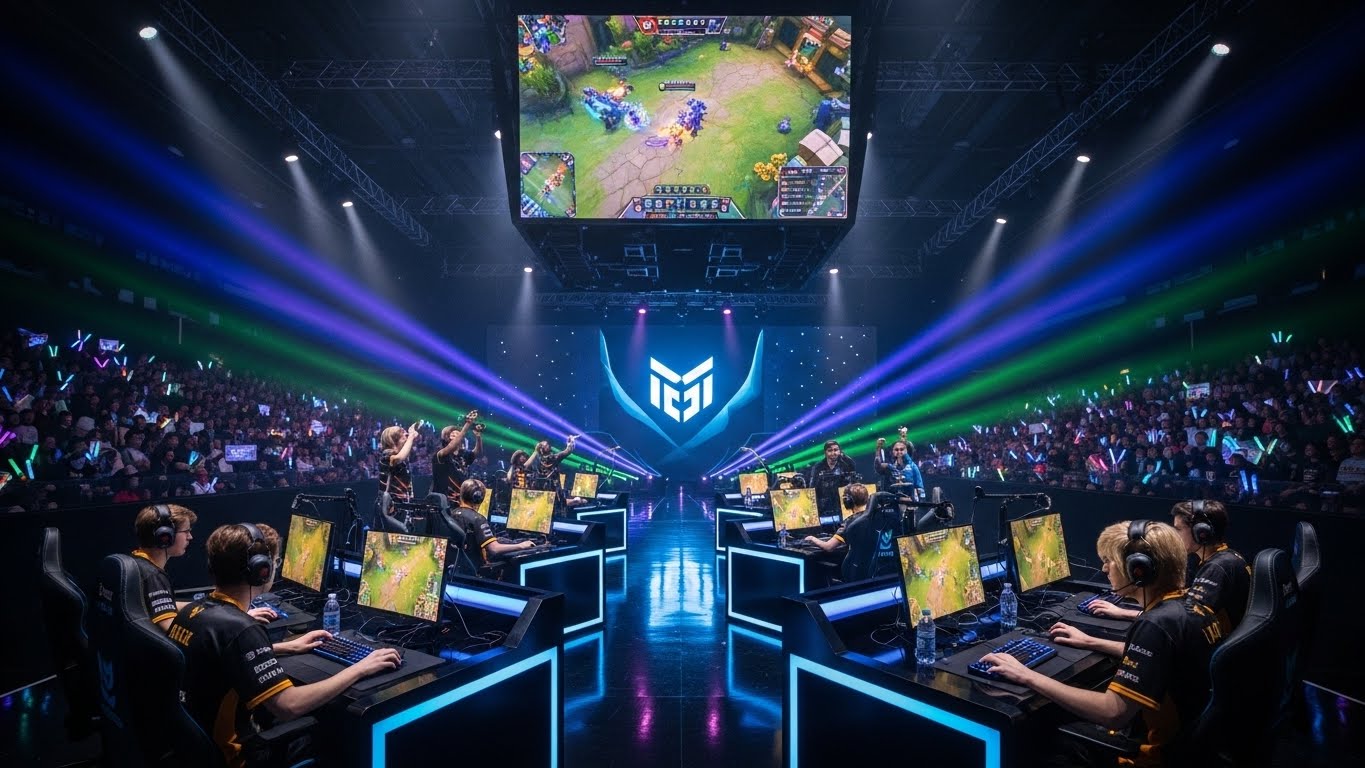
One of the most remarkable aspects of esports is its global appeal. While South Korea and China were early adopters of esports, the industry has since spread across the globe. In North America and Europe, esports is now a multi-million-dollar industry, with massive tournaments like League of Legends World Championship and The International drawing millions of viewers each year. Even regions like Southeast Asia, Latin America, and the Middle East are seeing a growing interest in esports, fueled by mobile gaming and increased internet connectivity.
The success of mobile esports games like PUBG Mobile and Free Fire has played a major role in expanding the audience for competitive gaming. Mobile esports has made it possible for players from regions with limited access to high-end gaming PCs and consoles to compete at the highest level, further globalizing the esports community.
Esports and Traditional Sports: A Growing Relationship
In recent years, there has been an increasing overlap between traditional sports and esports. Many professional sports teams have begun investing in esports teams or launching their own gaming divisions. For instance, the Philadelphia 76ers purchased the esports organization Dignitas, and Manchester City partnered with Esports Entertainment Group to develop esports initiatives. These partnerships signal a recognition of esports as a legitimate part of the broader sports landscape.
Additionally, the growing interest in esports has led to collaborations between esports and major sports leagues like the NBA and NFL. These leagues have hosted their own esports tournaments, showcasing a mix of digital and physical competition. The connection between the two worlds is only expected to deepen as esports continues to grow.
The Financial Growth of Esports
The financial impact of esports cannot be overstated. In 2020, the global esports market was valued at over $1 billion, and projections suggest that it will continue to grow in the coming years. Revenue streams come from a variety of sources, including sponsorships, media rights, ticket sales, merchandise, and esports betting.
Major corporations are pouring money into the esports ecosystem, viewing it as a way to reach younger, digitally-savvy audiences. Brands like Pepsi, Nike, and Samsung have all invested heavily in esports, seeing it as a platform for connecting with consumers. As the market matures, esports is expected to continue attracting significant investment, further fueling its growth.
The Future of Esports: Challenges and Opportunities
Despite its rapid growth, esports is still a relatively young industry and faces several challenges. One of the biggest concerns is sustainability. As the industry grows, there is a need for long-term financial stability and infrastructure to support both players and organizations. There are also questions about the mental and physical well-being of professional players, many of whom start their careers at a young age and face intense pressure.
The potential for esports to be included in the Olympic Games is another topic of discussion. While some view it as a natural progression for competitive gaming, others argue that esports should remain a separate entity from traditional sports. Regardless of the outcome, the fact that esports is being seriously considered for Olympic inclusion highlights its growing importance in the global entertainment landscape.
Additionally, as virtual reality (VR) and augmented reality (AR) technologies continue to evolve, they have the potential to revolutionize the esports experience. These technologies could offer more immersive and interactive experiences for both players and viewers, taking esports to the next level.
Conclusion: A Digital Revolution in the Making
Esports has come a long way from its humble beginnings in arcades and living rooms to becoming a global powerhouse in the entertainment industry. The rise of streaming, the professionalization of gaming, and the growing support from traditional sports organizations have all contributed to making esports a dominant force in the world of competition.
As esports continues to expand its reach, it is poised to become even more integrated into global culture, offering new opportunities for players, teams, fans, and brands alike. Whether you’re a gamer or a spectator, esports is here to stay, and its future looks brighter than ever.