championstream42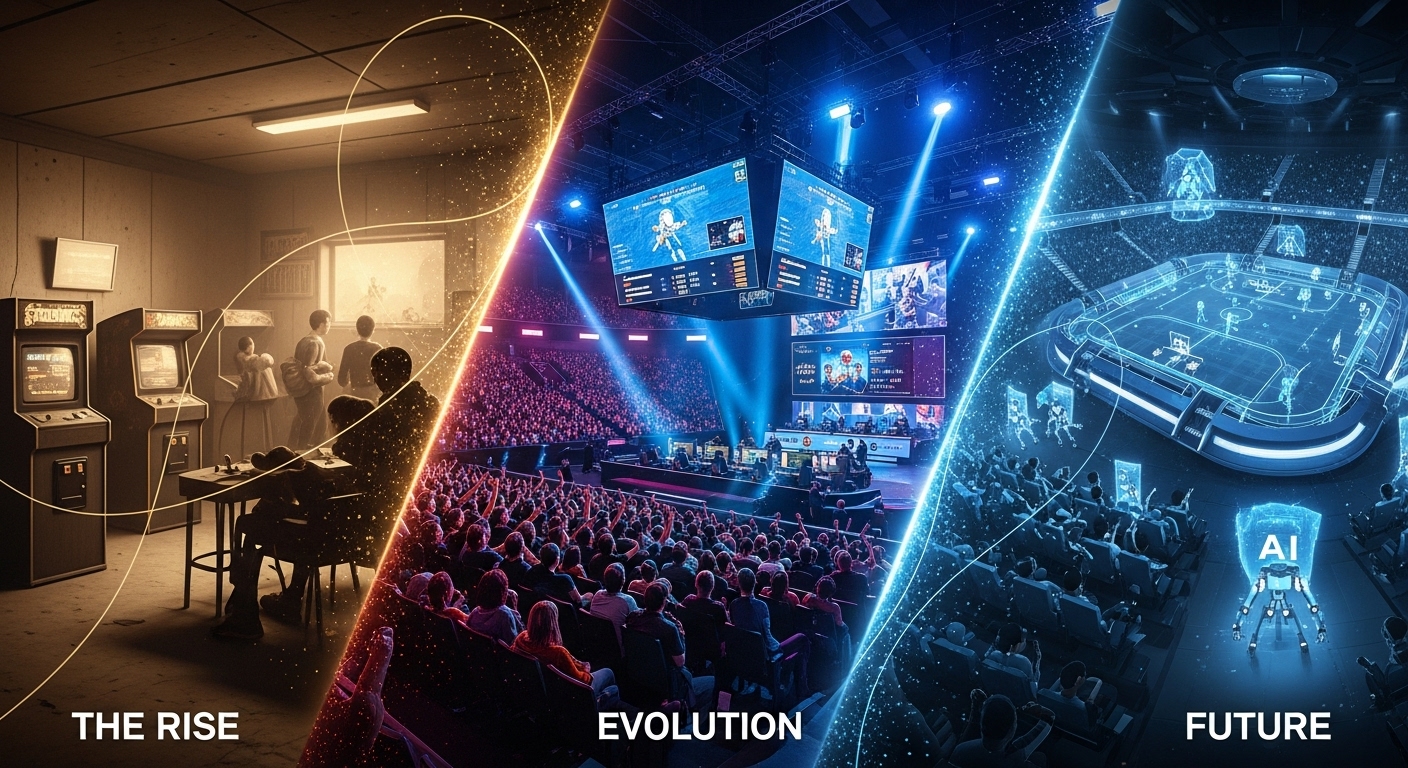
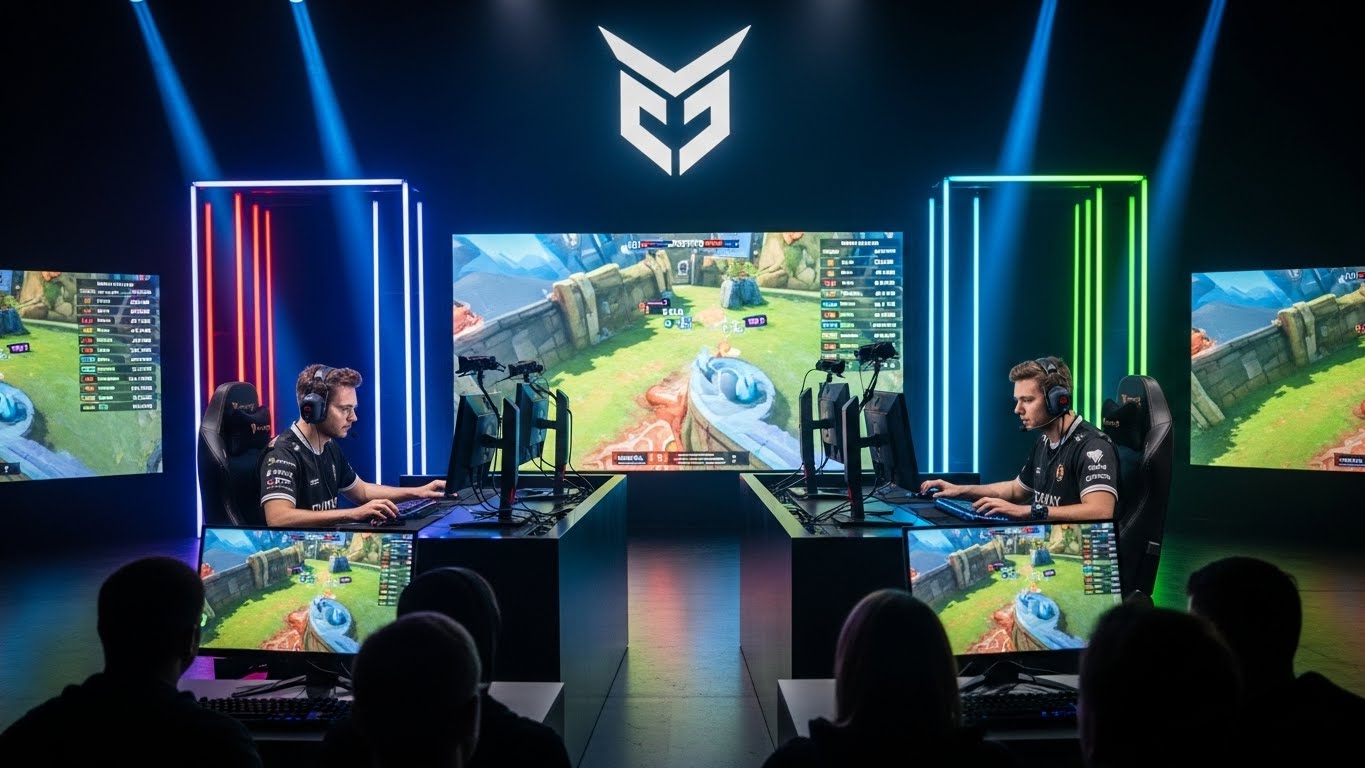
In the past two decades, the world of gaming has evolved from a niche hobby into a global industry, transforming lives, communities, and the way we perceive competitive entertainment. At the heart of this transformation lies esports, a term that has gained immense recognition not only among gamers but also in mainstream media, corporate sponsorships, and even higher education. Esports, short for electronic sports, represents organized competitive gaming where players and teams compete in various video games for recognition, prizes, and professional careers. What once started as casual competitions among friends has now become a global spectacle, attracting millions of viewers and generating revenues comparable to traditional sports industries.
The Origins of Esports
The roots of esports can be traced back to the early days of arcade gaming and home consoles. In the late 1970s and early 1980s, players began competing in arcade tournaments, most famously the Space Invaders Championship in 1980, which attracted thousands of participants. These early competitions laid the groundwork for what would eventually become organized professional gaming. By the 1990s, the rise of personal computers and the internet opened new possibilities for competitive gaming. Games like Quake, StarCraft, and Counter-Strike became staples in competitive gaming culture. The introduction of online multiplayer modes allowed players from different regions to compete against each other, setting the stage for the global esports ecosystem we see today.
The Growth of Competitive Gaming
Esports as a formal industry began gaining momentum in the 2000s with the establishment of professional leagues, tournaments, and sponsorships. Games like StarCraft: Brood War in South Korea played a pivotal role in shaping esports culture. South Korea, in particular, became a hub for professional gaming, where players were celebrated as celebrities, and televised matches attracted massive audiences. The popularity of esports in South Korea inspired other countries to develop their own competitive gaming scenes, leading to the creation of international tournaments with substantial prize pools.
The mid-2000s also saw the emergence of esports organizations, teams, and professional players who treated gaming as a full-time career. Sponsorships from major technology companies, gaming peripherals manufacturers, and even mainstream brands provided financial stability for players and teams. This period marked a turning point where esports transitioned from a hobbyist pursuit to a legitimate professional industry.
Esports as a Spectator Sport
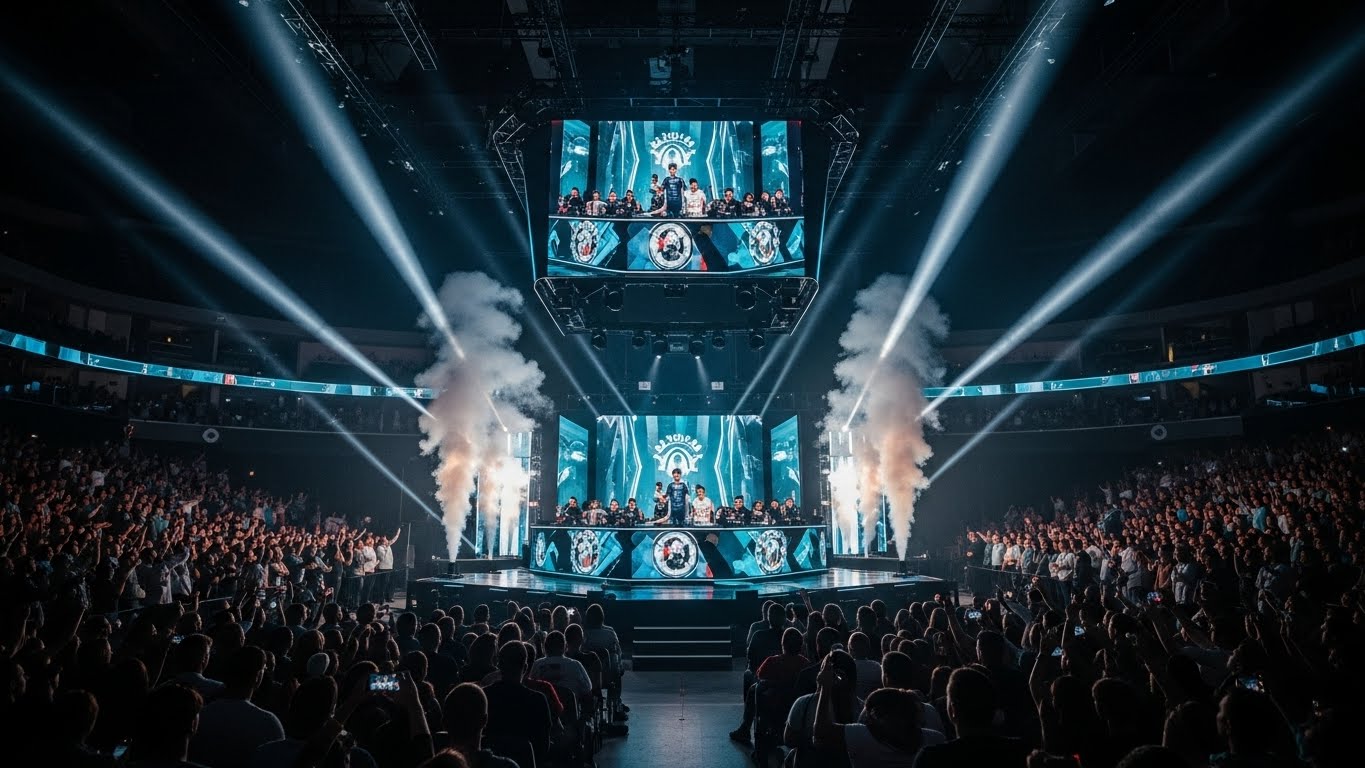
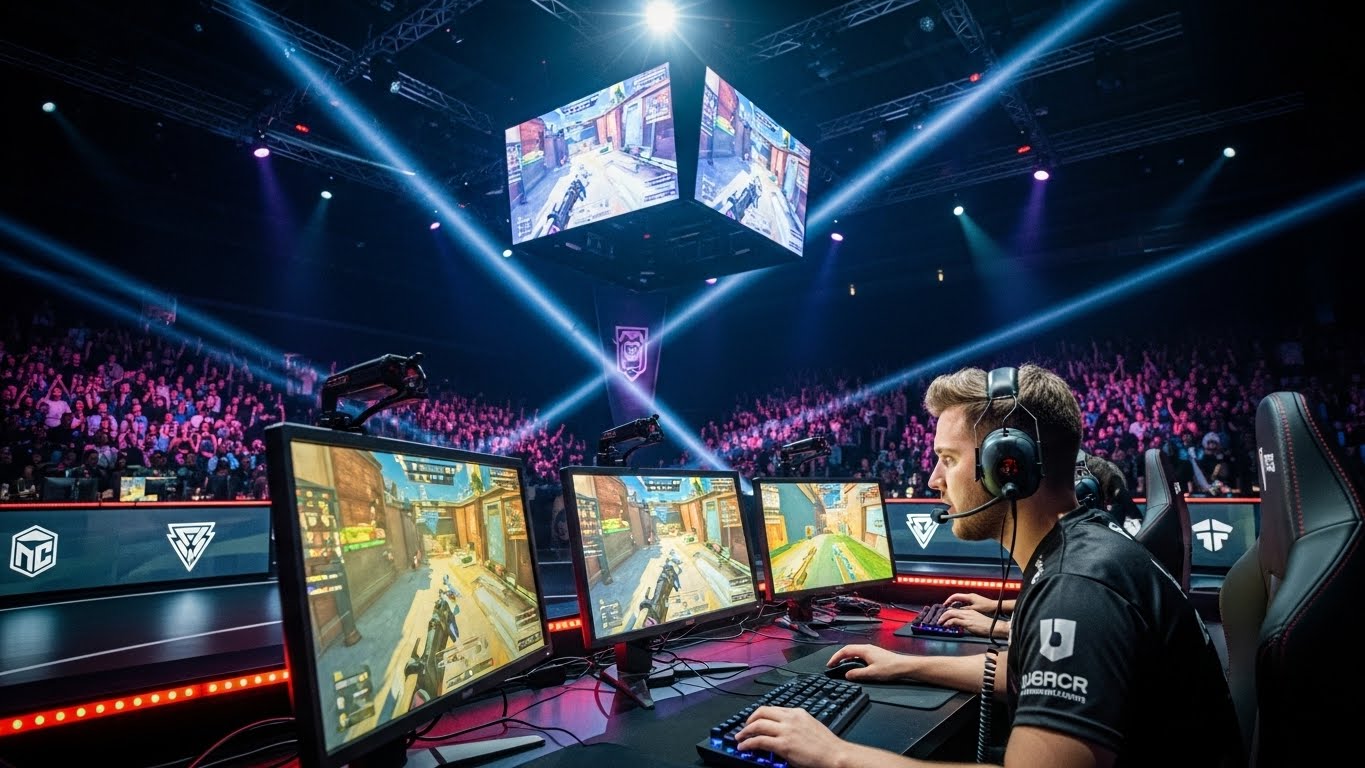
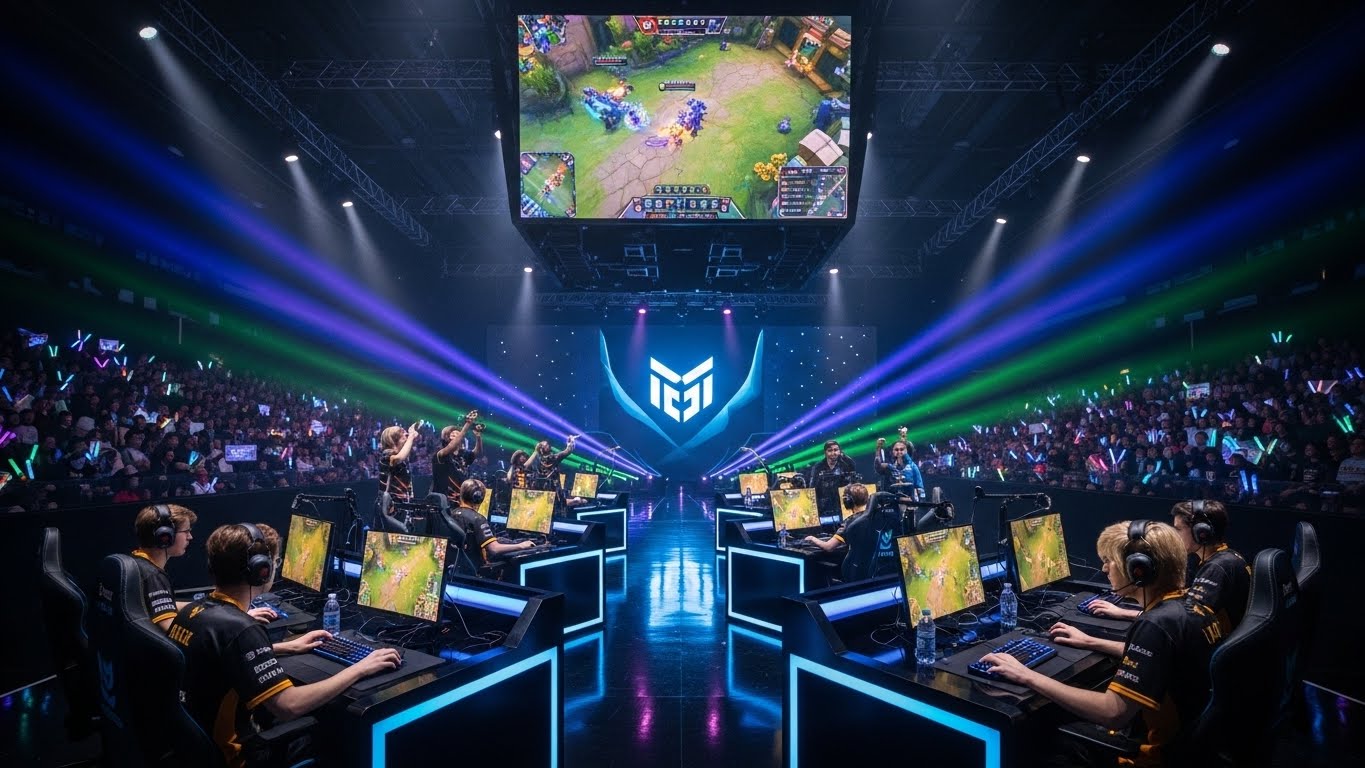
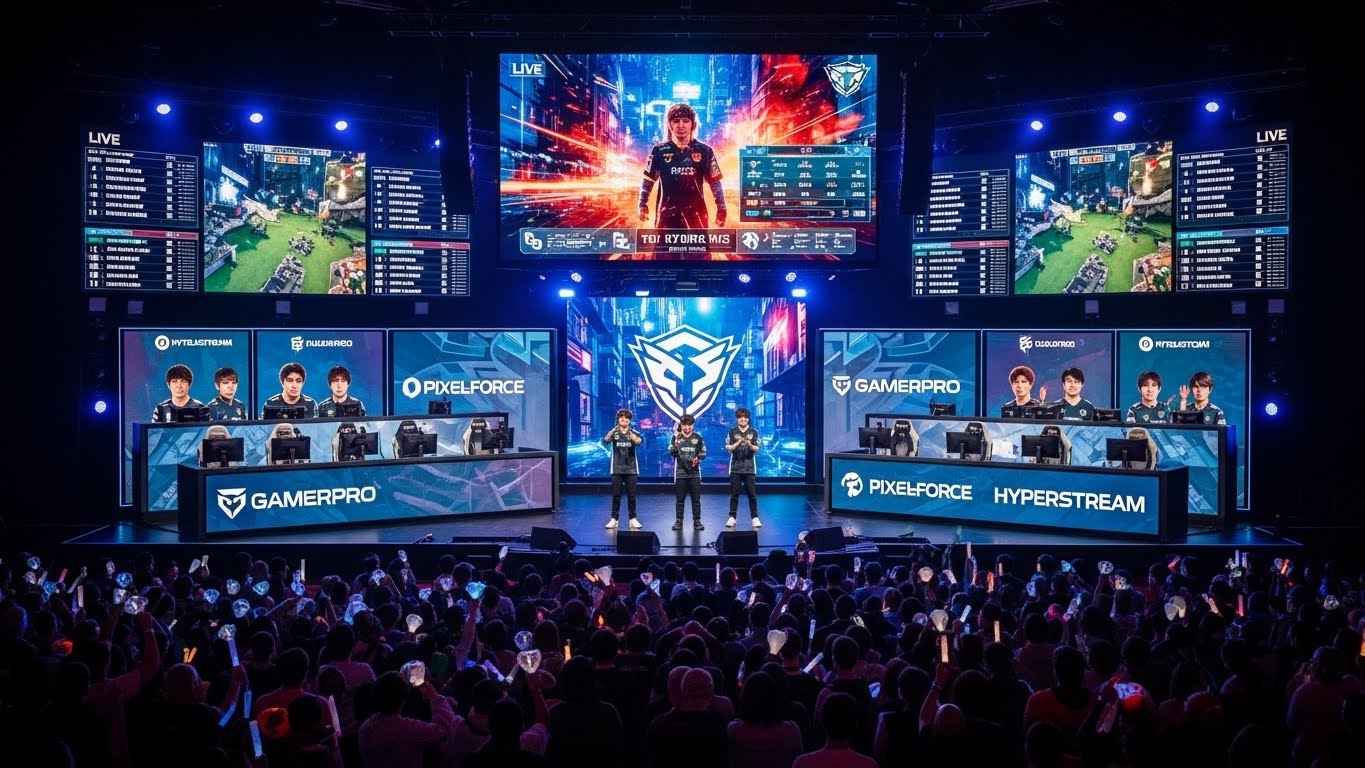
One of the most remarkable aspects of esports is its ability to attract a massive audience, rivaling traditional sports in viewership. Platforms like Twitch, YouTube Gaming, and more recently, specialized esports streaming platforms, have made it possible for fans worldwide to watch their favorite players and teams compete live. Esports tournaments such as The International for Dota 2, the League of Legends World Championship, and the Fortnite World Cup have drawn millions of viewers, both online and in live venues. The thrill of high-stakes competition, combined with the accessibility of digital platforms, has created a unique spectator experience that blends entertainment, community, and skill appreciation.
Unlike traditional sports, esports allows for real-time interaction between fans and players. Viewers can comment, cheer, and even influence the gaming experience through streaming platforms. This level of engagement has fostered strong communities around specific games and teams, making esports more than just a competition—it has become a cultural phenomenon where fans share their passion, strategies, and experiences.
The Economic Impact of Esports
Esports is no longer just about entertainment; it is a thriving economic ecosystem. The industry has seen exponential growth in revenue streams, including sponsorships, advertising, merchandise, ticket sales, and media rights. Major corporations now recognize the potential of esports as a marketing platform, investing in sponsorship deals and brand partnerships. Companies from diverse industries, including technology, food and beverage, and fashion, actively support esports events to reach younger, digitally native audiences.
The professionalization of esports has also created employment opportunities beyond players and coaches. Analysts, commentators, content creators, event organizers, and production teams contribute to the industry’s growth. Universities and colleges have even started offering esports programs and scholarships, acknowledging gaming as a legitimate career path. This economic expansion reflects how esports has transcended its original entertainment boundaries and become a significant contributor to the digital economy.
The Role of Technology in Esports
Technology plays a central role in the development and success of esports. High-speed internet, advanced gaming hardware, and sophisticated streaming technology have enabled seamless competition and entertainment. Game developers continuously innovate, creating titles with competitive balance, spectator-friendly features, and engaging mechanics. Artificial intelligence and data analytics are increasingly used to analyze player performance, develop strategies, and enhance audience experience. These technological advancements ensure that esports remains dynamic, engaging, and increasingly accessible to a global audience.
Virtual reality (VR) and augmented reality (AR) are also beginning to influence esports, offering immersive experiences for both players and spectators. As technology evolves, esports is likely to become even more interactive, bridging the gap between digital and physical entertainment in unprecedented ways.
Social and Cultural Influence
Esports has had a profound impact on society and culture, reshaping perceptions of gaming and digital interaction. Once stigmatized as a solitary and unproductive activity, competitive gaming is now recognized as a skill-based endeavor requiring strategic thinking, teamwork, and mental acuity. Esports has also fostered global cultural exchange, bringing together players and fans from diverse backgrounds. International tournaments encourage cross-cultural interaction, mutual respect, and shared experiences.
Furthermore, esports has influenced other forms of media and entertainment. Cinematic productions, documentaries, and live shows centered around esports narratives have emerged, highlighting the personal stories of players, the intensity of competition, and the drama of tournaments. Gaming culture has seeped into fashion, music, and lifestyle, creating a unique subculture that resonates with millions of young people worldwide.
Challenges Facing the Esports Industry
Despite its impressive growth, esports faces several challenges that could impact its sustainability. One major issue is the physical and mental health of players. The demands of professional gaming, including long hours of practice, high-pressure competitions, and irregular schedules, can lead to physical strain, sleep deprivation, and burnout. Teams and organizations are increasingly recognizing the need for wellness programs, mental health support, and balanced training regimens to ensure player longevity.
Another challenge is the regulation and standardization of esports competitions. Unlike traditional sports with well-established governing bodies, esports is fragmented, with different games and tournaments following varying rules and structures. Ensuring fair play, preventing cheating, and addressing issues such as doping in esports remain ongoing concerns. Additionally, the industry faces scrutiny over inclusivity and diversity, as certain games and regions have historically been dominated by specific demographics.
Esports in Education
Esports has also found its place in educational institutions, with schools, colleges, and universities establishing esports programs. Competitive gaming scholarships are now available, similar to traditional sports scholarships, providing students with opportunities to pursue their passion while obtaining an education. Educational esports programs emphasize not only gaming skills but also teamwork, leadership, communication, and strategic thinking. These programs demonstrate that esports can be a valuable tool for personal development, career preparation, and community building.
The Future of Esports
The future of esports appears exceptionally promising. With continuous technological advancements, increasing mainstream recognition, and expanding global participation, esports is poised to become an integral part of the entertainment landscape. Virtual reality esports, mobile gaming competitions, and cross-platform tournaments are likely to shape the next generation of competitive gaming. Moreover, as more corporations and educational institutions invest in esports, the industry will continue to professionalize, offering sustainable career paths for players, content creators, and industry professionals.
Esports is also expected to further blur the lines between gaming, entertainment, and social interaction. Immersive experiences, interactive broadcasting, and community-driven content will redefine how audiences engage with competitive gaming. The potential for esports to influence global culture, technology adoption, and digital economies is immense, positioning it as one of the defining phenomena of the 21st century.
Conclusion
Esports has come a long way from its humble beginnings in arcades and local tournaments to a global industry that captivates millions of players, fans, and investors. It represents not only a new form of competition but also a cultural movement, an economic force, and a technological frontier. The rise of esports challenges traditional notions of sports, entertainment, and career pathways, proving that skill, strategy, and passion can transcend conventional boundaries. As esports continues to evolve, it promises to reshape the way we interact, compete, and experience digital entertainment, leaving a lasting impact on society for generations to come.