championstream42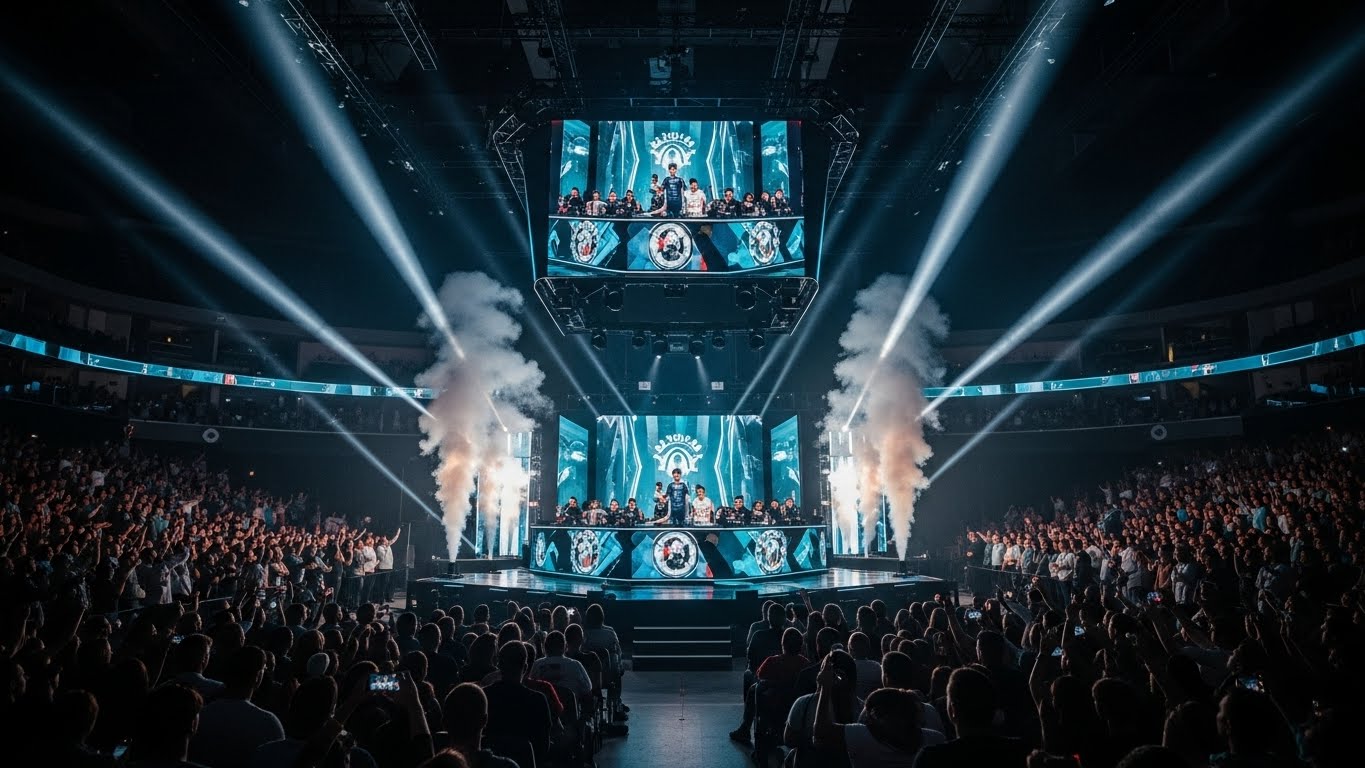
Introduction: The Digital Competition Revolution
Esports has rapidly transformed from a casual pastime into one of the most influential forms of modern competition. What began as simple video game contests among friends has grown into a global industry featuring professional players, organized leagues, massive prize pools, and millions of passionate fans. Esports represents a new era of sports where technology, skill, and strategy intersect, redefining how competition is played and experienced. In today’s digital age, esports stands as a powerful symbol of innovation, dedication, and global connectivity.
The Early Beginnings of Competitive Gaming
The origins of esports can be traced back to the early days of video gaming when players competed for high scores in arcades. These early competitions were informal but sparked a sense of rivalry and achievement. As gaming consoles and personal computers became more accessible, competitive play moved into homes. Local multiplayer games allowed friends to challenge one another, strengthening competitive culture. However, the true turning point came with the expansion of the internet, enabling players from different locations to compete in real time. This shift laid the foundation for organized tournaments and the birth of esports as a recognized form of competition.
The Impact of Online Multiplayer Gaming
Online multiplayer gaming revolutionized competitive play by removing geographical barriers. Players could now face opponents from across the world, creating a truly global competitive environment. Ranking systems, online ladders, and matchmaking tools encouraged players to improve their skills and climb competitive hierarchies. This accessibility fueled rapid growth, as aspiring players could showcase talent without needing physical venues. Online competition also attracted spectators, turning matches into events that people could watch, analyze, and discuss, further accelerating esports’ popularity.
Professionalization of Esports
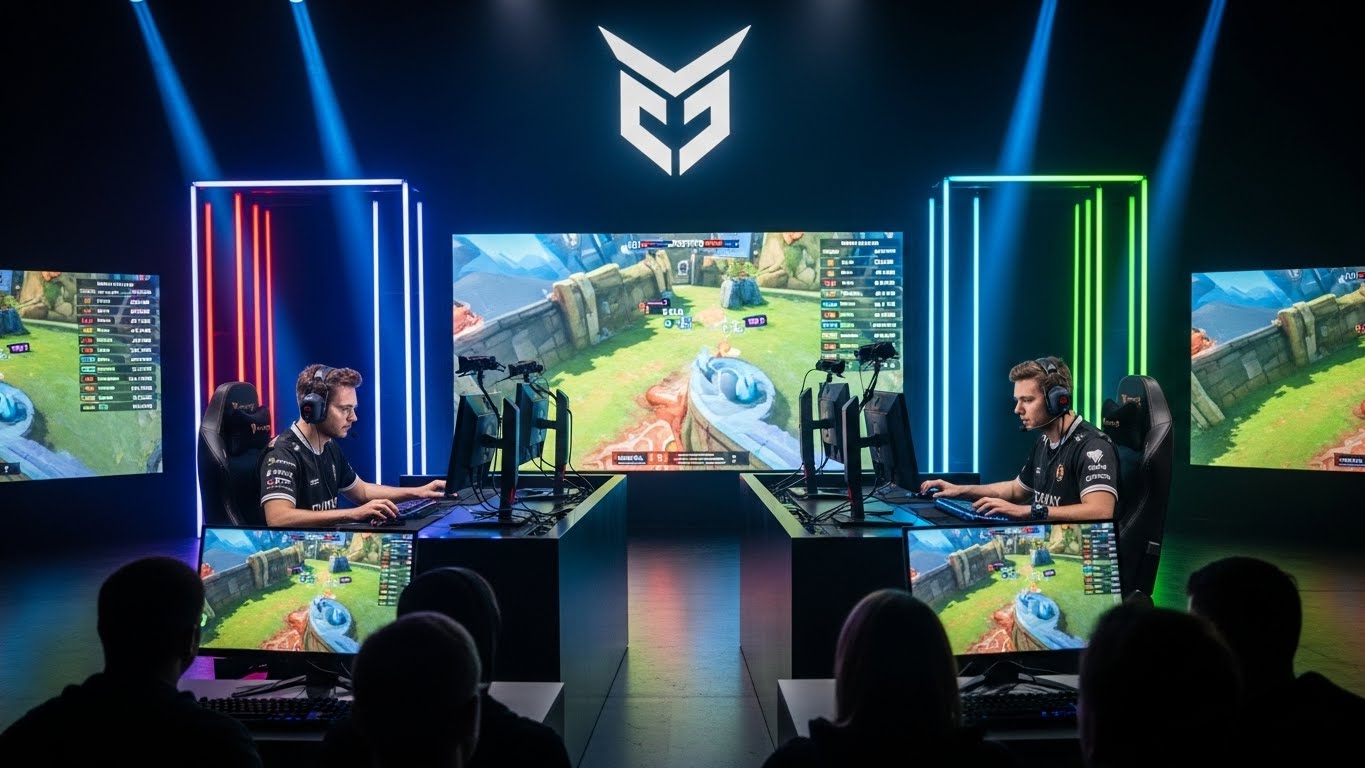
One of the most significant developments in esports is its professionalization. Today, elite players train with discipline comparable to traditional athletes, often practicing for many hours each day. Professional teams employ coaches, analysts, managers, and support staff to enhance performance. Players sign contracts, earn salaries, and compete for substantial prize money. Sponsorships and endorsements provide additional income streams. This professional structure has elevated esports from a hobby to a legitimate career path, reshaping perceptions of gaming and proving that digital competition demands commitment, focus, and resilience.
Esports Game Genres and Competitive Variety
Esports thrives on diversity, encompassing a wide range of game genres. First-person shooter games emphasize accuracy, reflexes, and tactical teamwork. Multiplayer online battle arena games focus on strategy, coordination, and adaptability. Real-time strategy games reward long-term planning and decision-making, while fighting games highlight precision, timing, and psychological skill. Sports simulation games offer digital versions of traditional sports, bridging physical and virtual competition. This variety ensures esports appeals to a broad audience, offering different competitive experiences and styles of play.
Streaming and the Growth of Esports Viewership
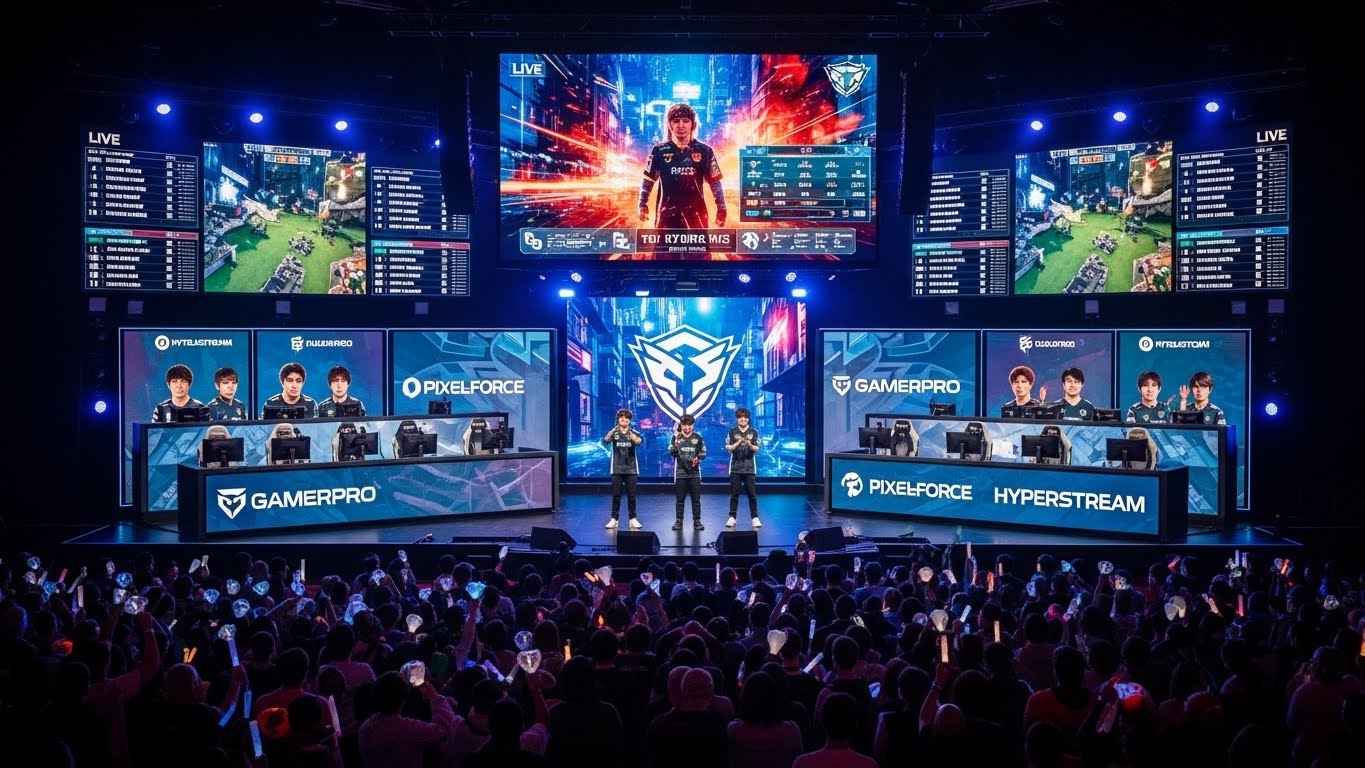
Streaming has been instrumental in transforming esports into a global spectacle. Live broadcasts allow fans to watch tournaments from anywhere, creating shared experiences regardless of location. Commentators and analysts enhance understanding by breaking down strategies and key moments. Streaming also enables players to connect directly with fans, building personal brands and communities. This interactive relationship between players and audiences has helped esports reach mainstream popularity, turning competitive gaming into a widely accessible form of entertainment.
Economic Influence of the Esports Industry
The esports industry has grown into a powerful economic ecosystem. Revenue flows from sponsorships, advertising, merchandise, ticket sales, and media coverage. Major brands invest heavily to connect with younger, digitally engaged audiences. Large tournaments generate tourism and boost local economies, while smaller events support grassroots competition. Esports also creates employment opportunities beyond players, including roles in broadcasting, event management, marketing, design, and software development. This economic impact highlights esports as both a cultural and financial force.
Esports as a Cultural Phenomenon
Esports has evolved into a vibrant cultural movement. Fans form deep emotional connections with teams, players, and games, creating shared identities and traditions. Online communities discuss strategies, celebrate victories, and analyze defeats. Esports culture extends into fashion, music, and digital content, influencing broader trends in youth culture. This sense of belonging and shared passion strengthens the esports community, making it more than just competition but a global social experience.
Mental Strength and Physical Challenges
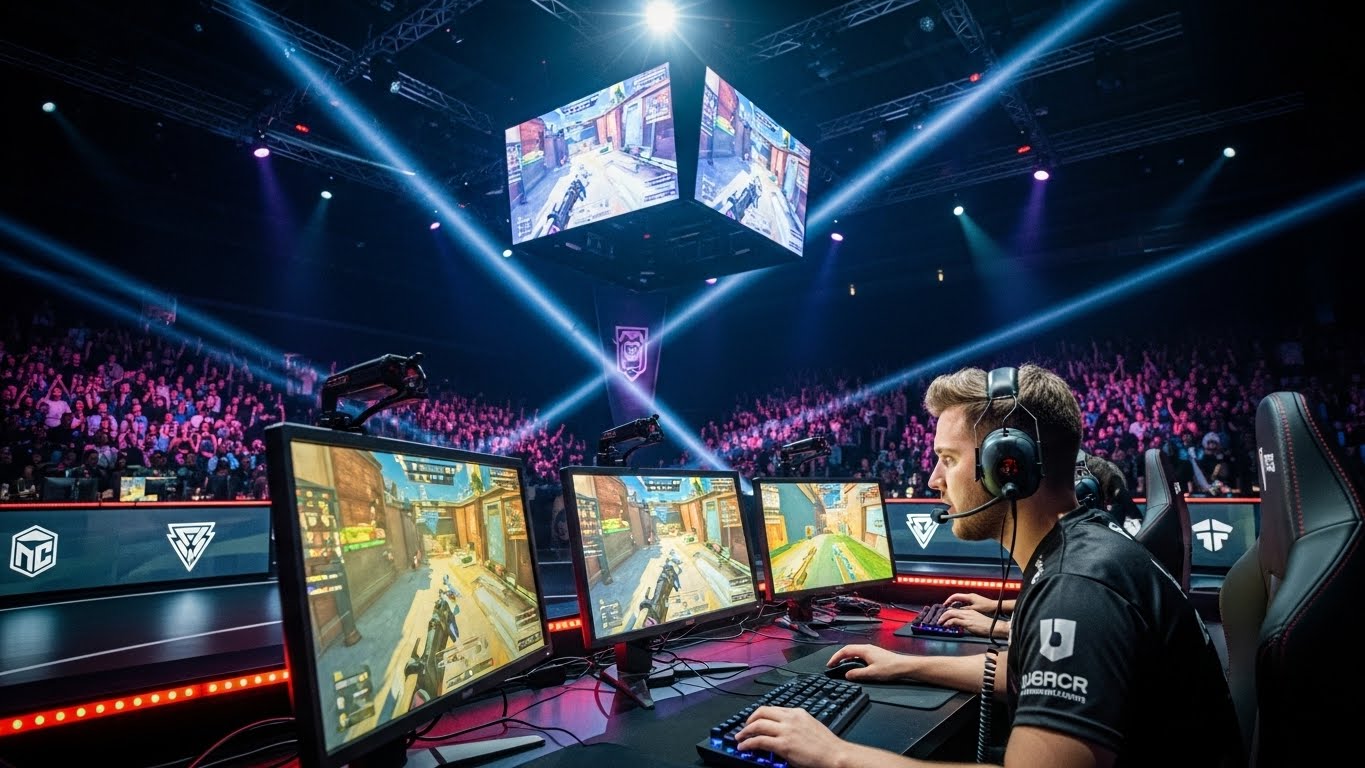
Competitive esports demands exceptional mental strength. Players must maintain focus, make quick decisions, and perform under intense pressure. Long practice sessions and high expectations can lead to stress and burnout. Physically, players face challenges such as eye strain, posture issues, and repetitive strain injuries. To address these concerns, many organizations emphasize balanced training routines, physical exercise, and mental health support. Prioritizing well-being has become essential for sustaining long-term success in esports.
Education and Skill Development Through Esports
Esports is increasingly integrated into education systems. Schools and universities establish esports teams and programs that teach teamwork, leadership, communication, and problem-solving. Competitive gaming encourages strategic thinking and adaptability, skills valuable in many careers. Academic programs related to game design, digital media, and technology further expand opportunities. For many students, esports serves as a gateway to careers in technology, entertainment, and creative industries, highlighting its educational value beyond competition.
Ethical Challenges and Industry Concerns
Despite its growth, esports faces several challenges. Cheating, match-fixing, and inconsistent regulations threaten competitive integrity. Financial instability affects smaller teams and players, while unequal access to resources raises concerns about fairness. Issues related to diversity, inclusion, and player protection remain ongoing topics. Addressing these challenges requires collaboration among developers, organizers, players, and communities to create transparent, fair, and sustainable competitive environments.
Technology Driving Esports Forward
Technology remains the backbone of esports development. Advances in gaming hardware, network infrastructure, and software enhance performance and viewing quality. Data analytics help teams study gameplay patterns and refine strategies. Artificial intelligence assists in performance analysis and broadcast production. Emerging technologies such as virtual reality hint at new forms of competitive gaming. As innovation continues, esports remains at the forefront of digital entertainment, constantly evolving with technological progress.
The Global Reach of Esports
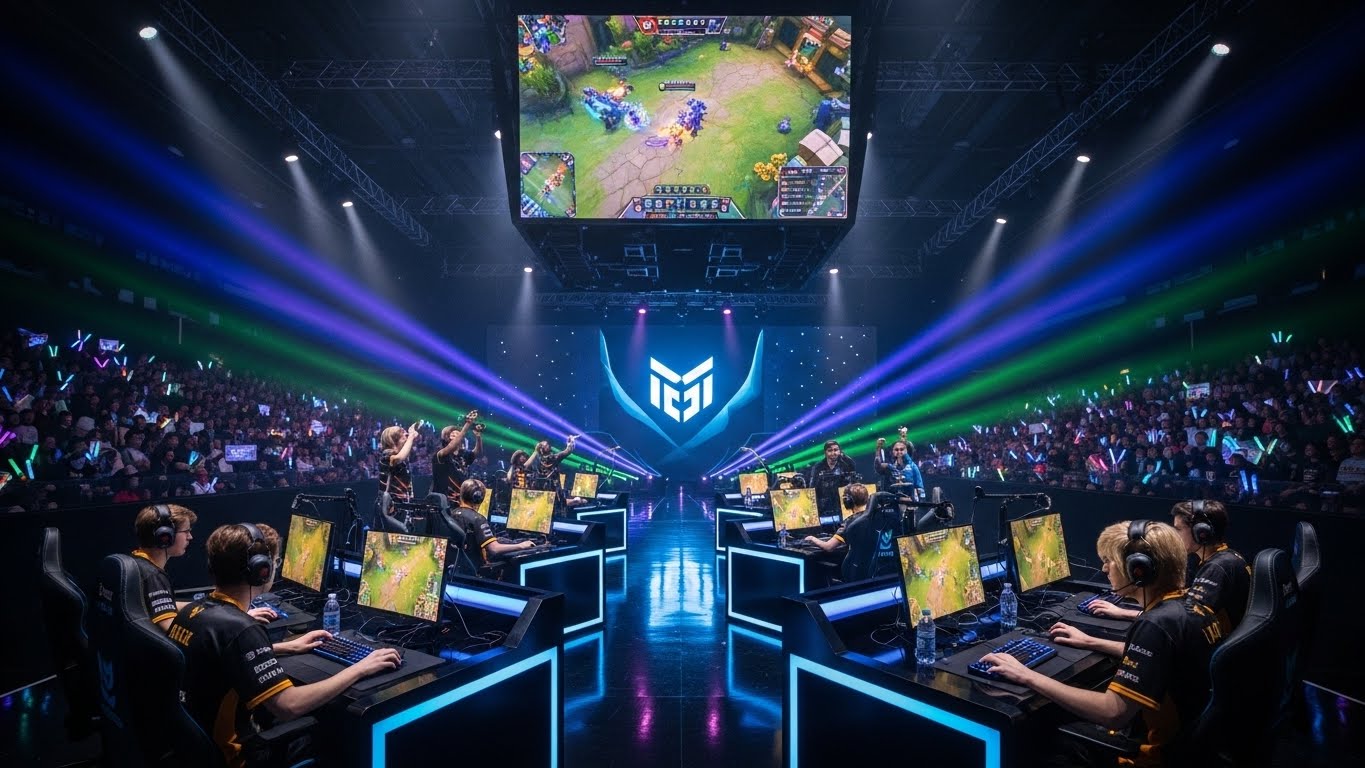
Esports transcends borders, connecting players and fans worldwide. International tournaments showcase diverse playstyles shaped by regional cultures and traditions. This global interaction fosters mutual respect and learning, as teams adapt to different strategies and approaches. Esports demonstrates how digital platforms can unite people across languages and cultures, creating a truly international competitive community.
The Future of Esports Competition
The future of esports promises continued growth and innovation. As technology advances, competitions will become more immersive and interactive. Increased focus on player welfare, ethical practices, and grassroots development will strengthen the industry’s foundation. New games and formats will attract fresh audiences, while established titles continue to evolve. Esports is positioned to remain a defining element of modern entertainment and competition for years to come.
Conclusion: A New Definition of Sport
Esports has redefined what competition looks like in the digital era. Combining skill, strategy, technology, and community, it has grown into a global phenomenon with cultural, economic, and social significance. From its humble beginnings to its current prominence, esports reflects the changing nature of sports and entertainment. As it continues to evolve, esports will inspire new generations, challenge traditional boundaries, and prove that virtual arenas can produce real dreams, real dedication, and real impact.