championstream42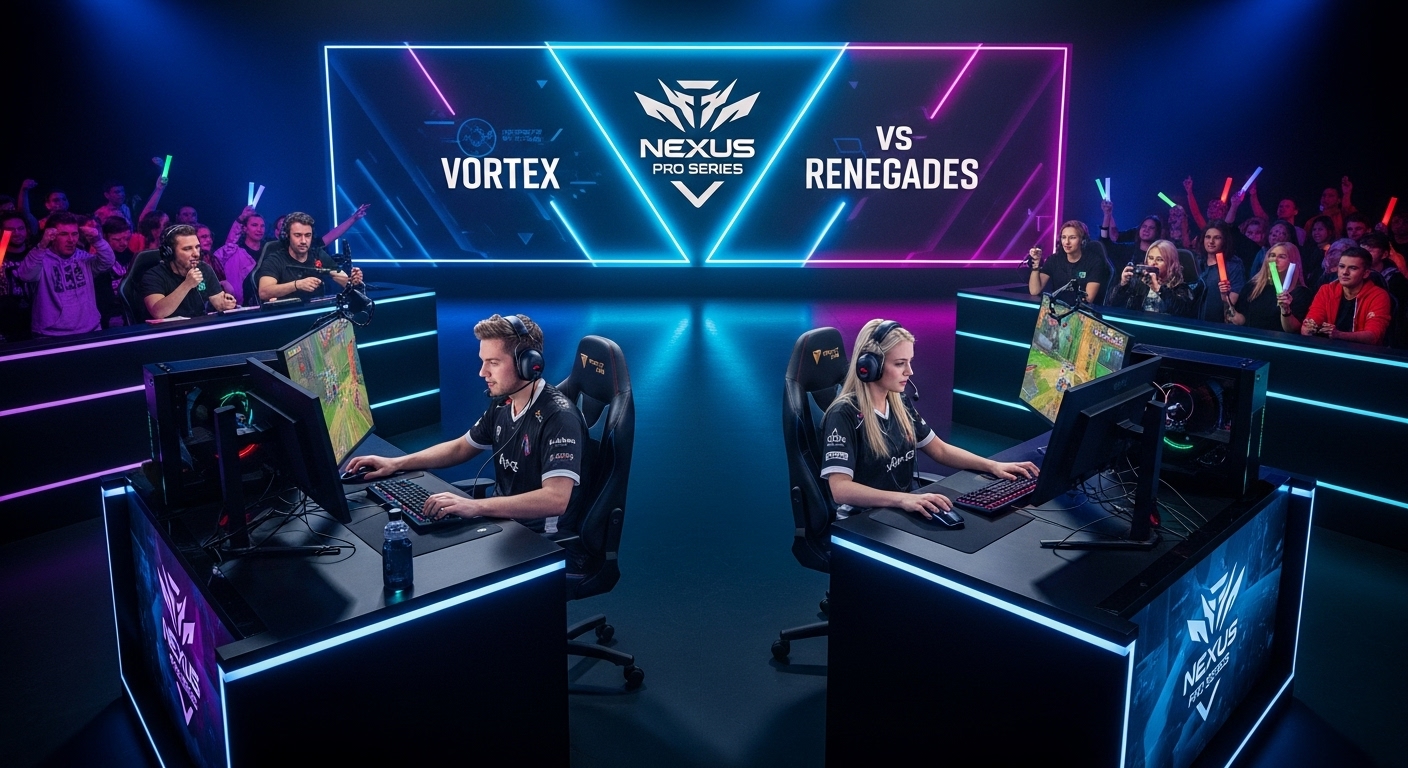
Esports, short for electronic sports, has evolved from niche gaming communities into a global phenomenon that attracts millions of viewers and participants worldwide. What started as casual competitive gaming has now transformed into a multi-billion-dollar industry, impacting not only entertainment but also culture, technology, and even education. In this blog, we will dive deep into the world of esports, examining its history, growth, key games, competitive scenes, and the broader social and economic implications.
The Origins of Competitive Gaming
Competitive gaming is not a new concept. It dates back to the early days of video games in the 1970s and 1980s when arcade competitions began to emerge. Games like “Space Invaders” and “Pac-Man” were among the first to host competitive tournaments, albeit on a small scale. Players would compete locally, striving for high scores, which were often displayed on leaderboards. These early competitions laid the groundwork for the organized esports tournaments we see today.
The 1990s marked a significant turning point with the rise of PC gaming. Games such as “Doom,” “Quake,” and “StarCraft” offered players complex gameplay mechanics and multiplayer functionality, fostering communities of highly skilled competitors. These communities often organized online and offline tournaments, setting the stage for esports to evolve into a professional industry.
The Growth of Esports as an Industry
The late 2000s and early 2010s witnessed explosive growth in esports. This period coincided with the rise of streaming platforms like Twitch and YouTube Gaming, which allowed players to broadcast their gameplay to global audiences. The accessibility of online streaming transformed esports from a niche hobby into a spectator sport, drawing millions of viewers worldwide.
Professional esports organizations began to form during this time, recruiting talented players and providing salaries, training facilities, and coaching staff. Sponsorships from major brands became common, signaling the commercial viability of esports. Today, the industry is valued in the billions, with major tournaments offering prize pools that rival traditional sports competitions.
Popular Esports Games
Esports encompasses a wide variety of games, each with unique gameplay mechanics and competitive formats. Understanding these games is key to appreciating the depth of the esports ecosystem.
Multiplayer Online Battle Arenas (MOBAs)
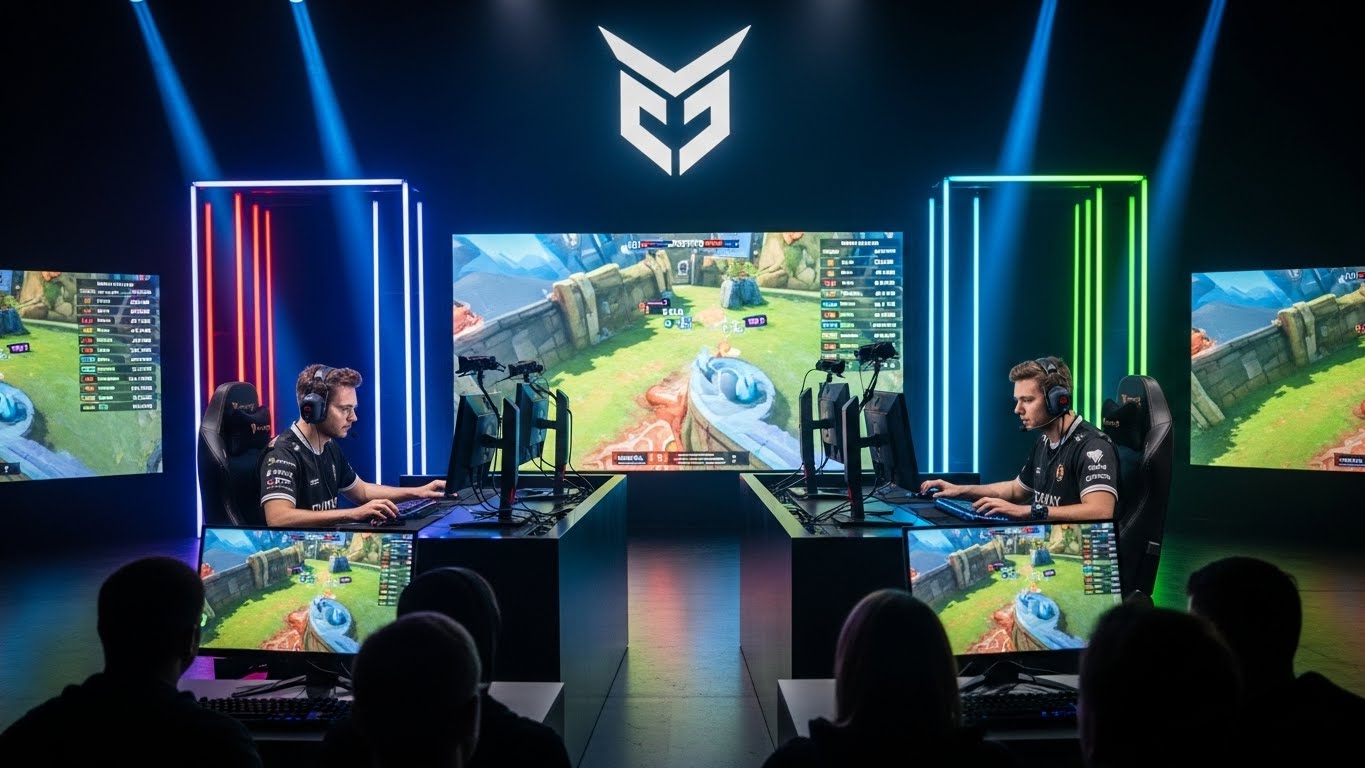
MOBAs, such as “League of Legends” and “Dota 2,” are some of the most popular esports genres. These games involve two teams competing to destroy the opposing team’s base while strategically managing resources and controlling characters with unique abilities. MOBAs demand not only quick reflexes but also deep strategic thinking, teamwork, and coordination.
First-Person Shooters (FPS)
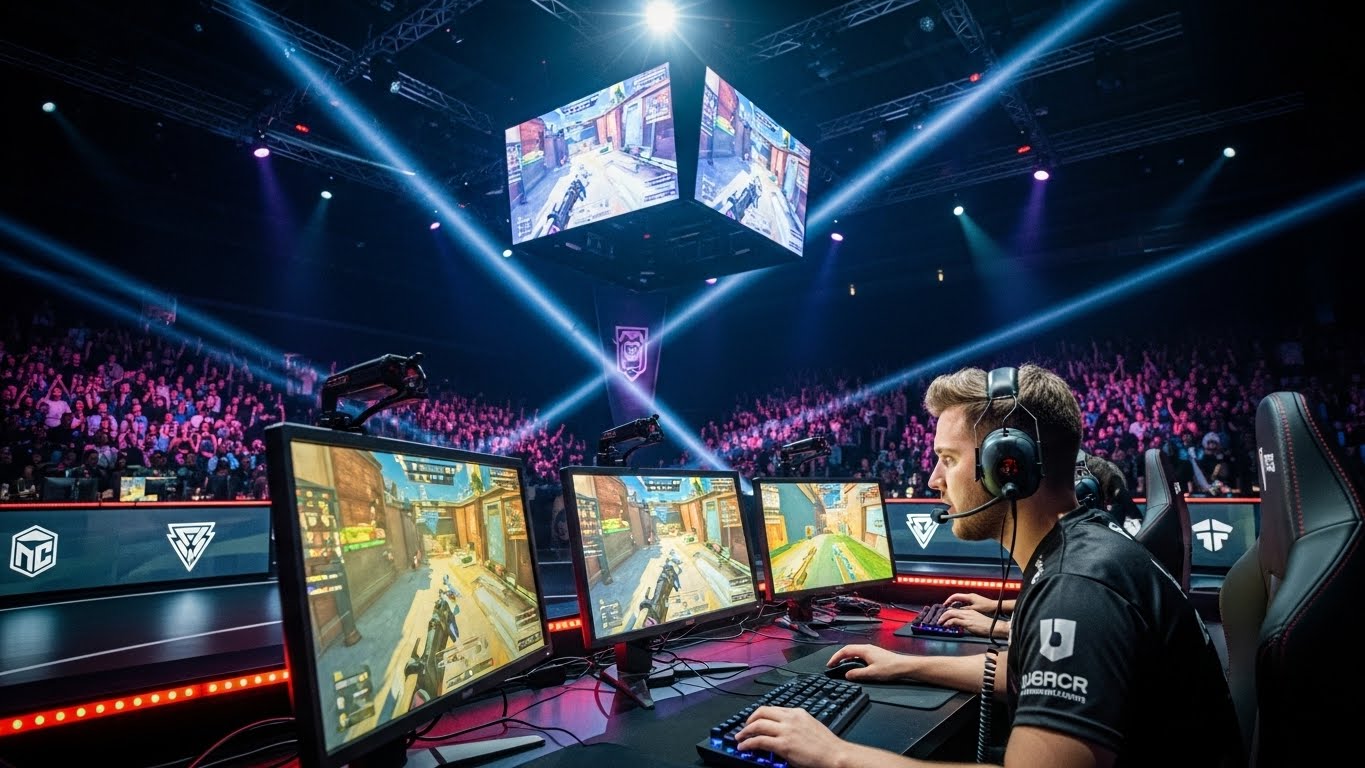
First-person shooters like “Counter-Strike: Global Offensive,” “Call of Duty,” and “Valorant” have been staples of competitive gaming. FPS games focus on precision, reaction time, and map awareness. Competitive FPS tournaments often feature intense, fast-paced action that keeps audiences on the edge of their seats.
Battle Royale Games
The rise of battle royale games such as “Fortnite” and “PUBG” has introduced a new dimension to esports. These games pit large numbers of players against each other in shrinking arenas, requiring adaptability, strategic decision-making, and survival instincts. The unpredictable nature of battle royale gameplay adds excitement and suspense to every match.
Fighting Games
Fighting games, including “Street Fighter,” “Tekken,” and “Super Smash Bros.,” remain a niche but vibrant segment of esports. These games emphasize individual skill, precise timing, and character mastery. Fighting game tournaments often have passionate fanbases and are known for their intense one-on-one battles.
Sports Simulations
Sports simulation games, such as “FIFA” and “NBA 2K,” allow players to compete in virtual versions of traditional sports. These games appeal to fans of real-world sports and offer opportunities for crossovers between traditional and electronic sports.
Esports Tournaments and Leagues
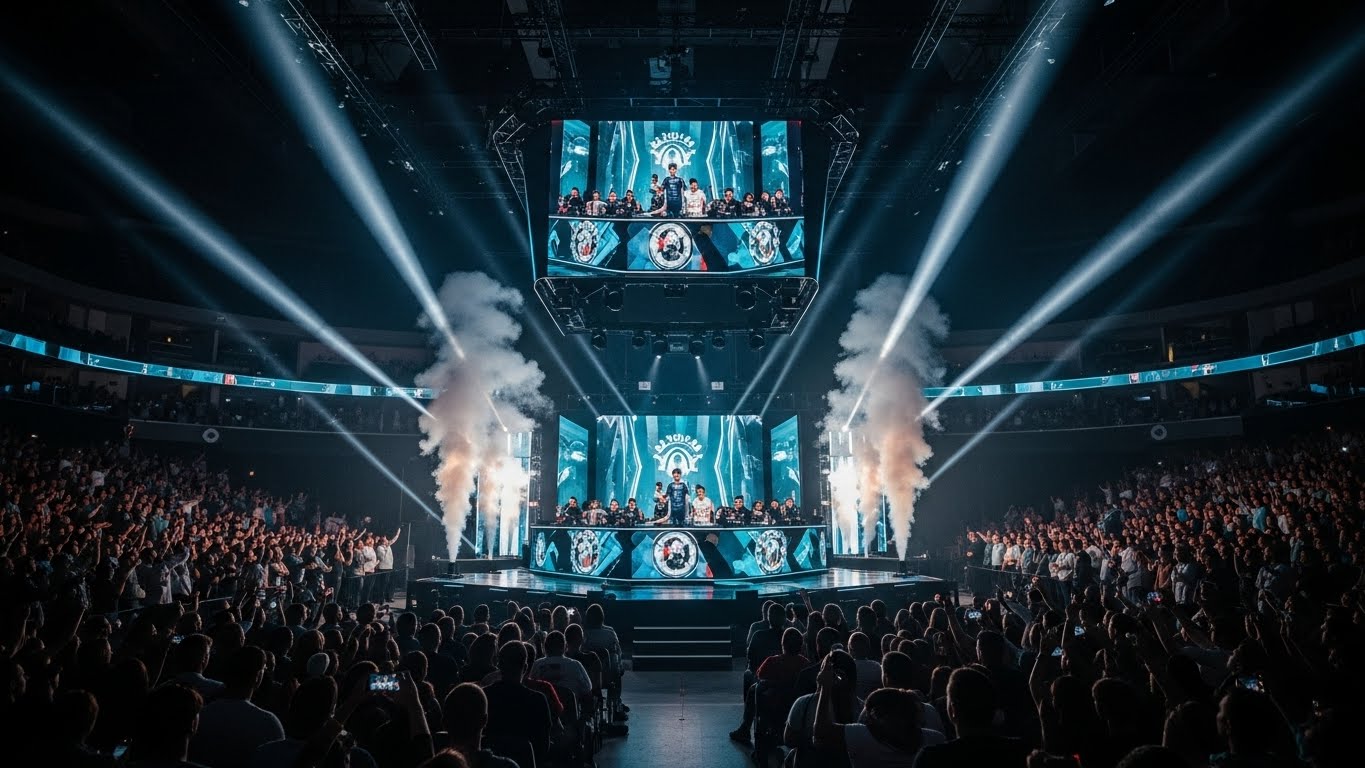
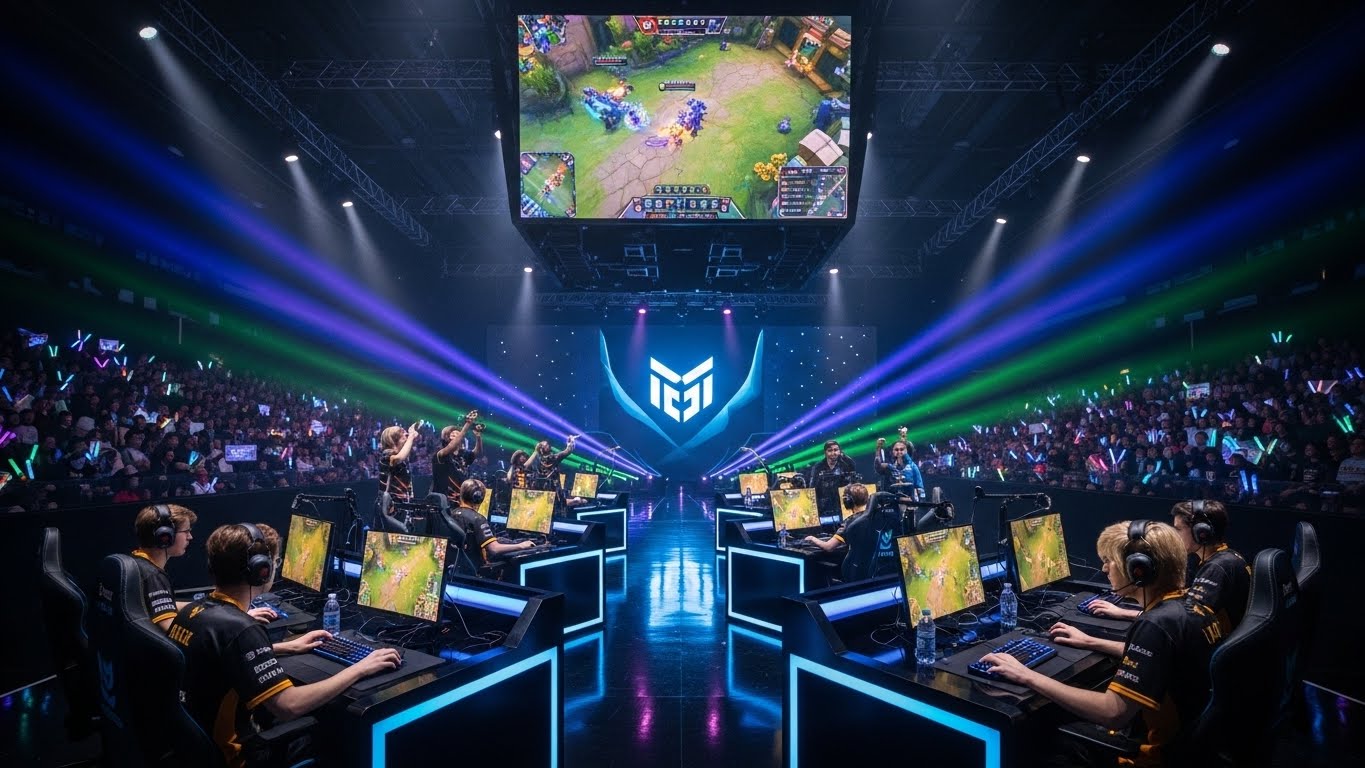
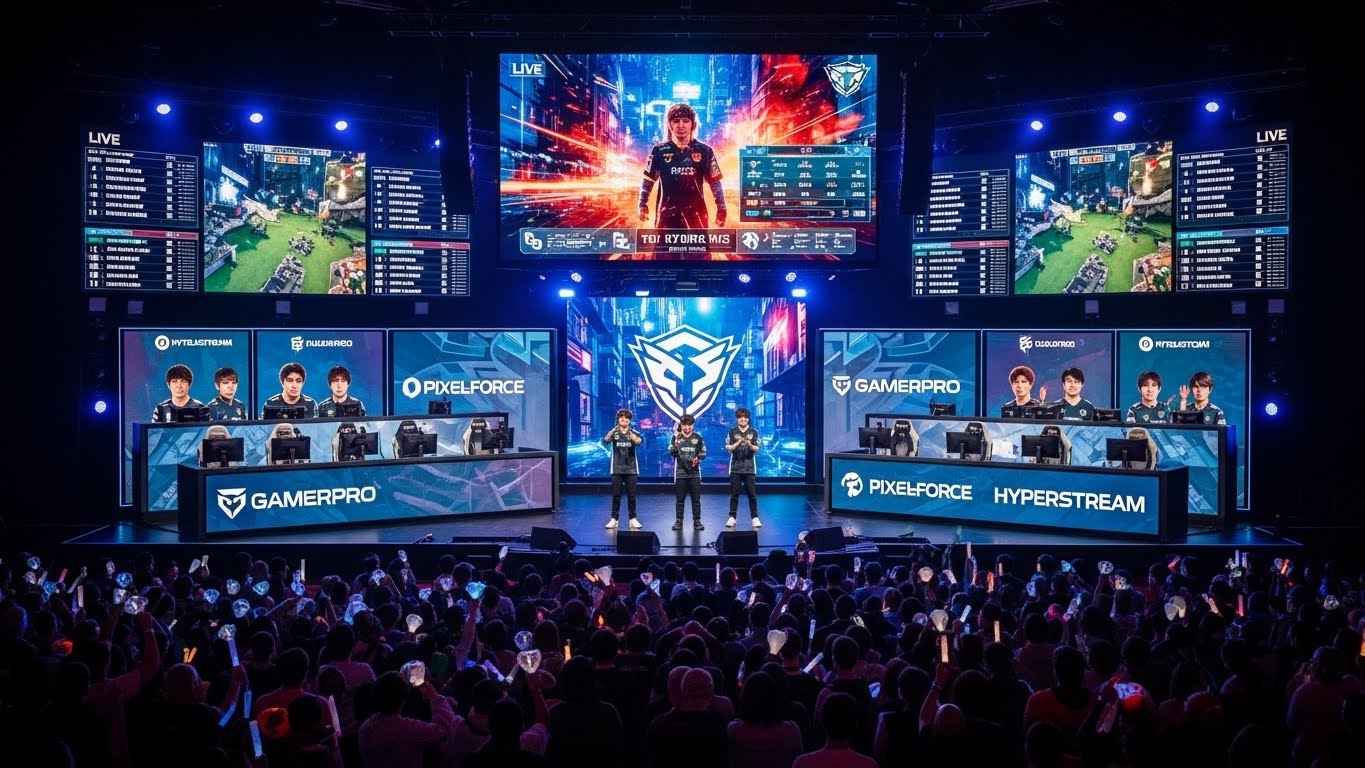
The competitive structure of esports mirrors traditional sports, with leagues, tournaments, and championships held throughout the year. Major esports tournaments attract thousands of spectators in arenas while millions more watch online.
International Championships
Some esports tournaments have achieved global recognition, such as “The International” for Dota 2 and the “League of Legends World Championship.” These events feature multi-million-dollar prize pools and bring together the best teams from around the world, highlighting the pinnacle of competitive skill.
Regional Leagues
Regional leagues, such as the North American League of Legends Championship Series (LCS) or the European League of Legends European Championship (LEC), play a crucial role in nurturing talent and providing consistent competition. They act as stepping stones for players aiming to compete internationally.
Online Competitions
Online tournaments have grown in prominence, especially during times when in-person events were limited. Platforms like ESL and FACEIT host regular online competitions, allowing players from different regions to compete without geographical constraints.
The Role of Technology in Esports
Technology is at the core of esports. High-performance gaming PCs, consoles, peripherals, and network infrastructure enable competitive play at the highest level. Streaming technology has also revolutionized the way fans experience esports, with live broadcasts, highlights, and analytical content available at the click of a button.
Data analytics play an increasing role in professional esports. Teams use advanced software to analyze gameplay, track performance metrics, and optimize strategies. This mirrors the growing trend of data-driven decision-making in traditional sports.
The Rise of Esports Athletes
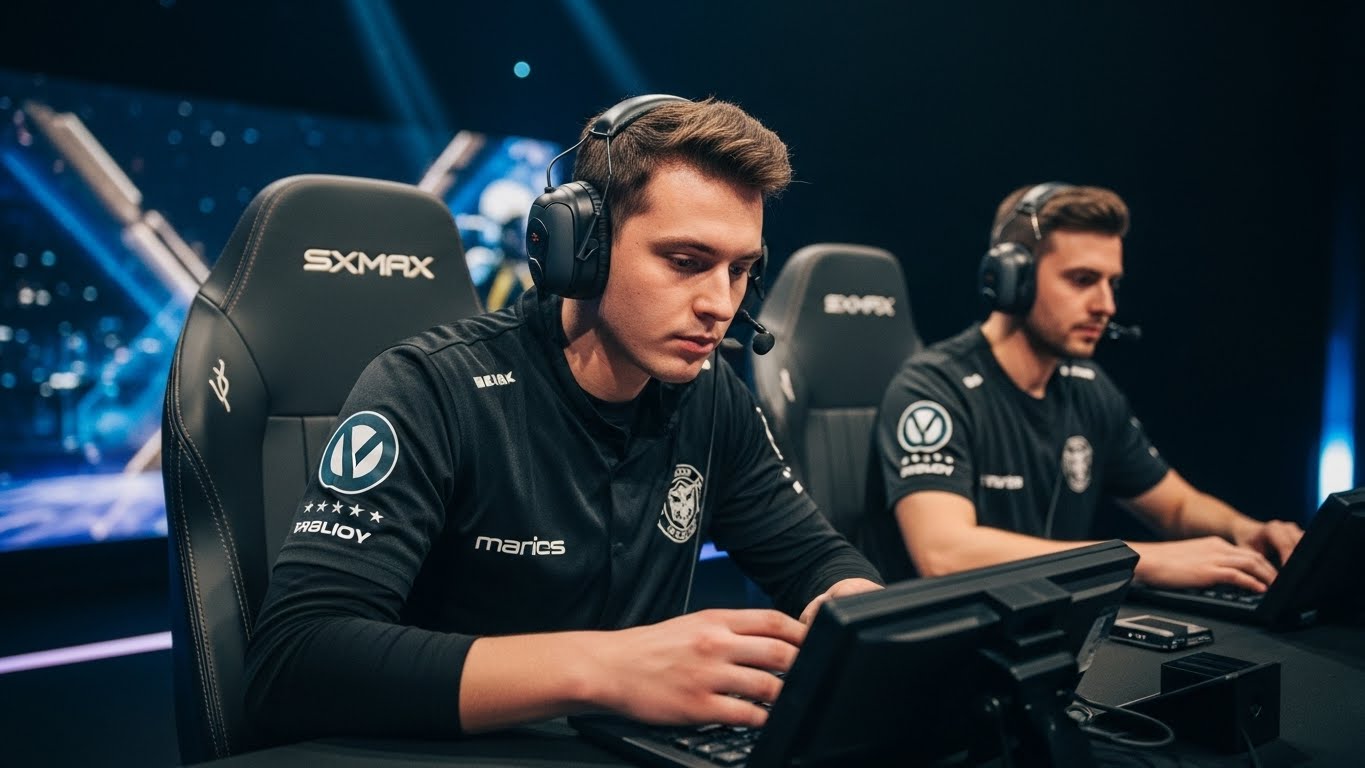
Professional esports players, often referred to as esports athletes, dedicate significant time and effort to mastering their craft. Top players train for several hours each day, focusing on reflexes, game sense, teamwork, and mental resilience. Unlike casual gamers, professional esports athletes must maintain rigorous schedules and adhere to strict practice routines.
Esports athletes often receive salaries, sponsorships, and endorsement deals, making competitive gaming a viable career option. The recognition and fame associated with top-tier players have also created celebrity-like status for some, blurring the line between traditional athletes and gamers.
Esports Culture and Community
Esports culture is vibrant, diverse, and inclusive. It encompasses not only competitive play but also fan engagement, content creation, cosplay, and community events. Fans actively participate in forums, social media groups, and fan clubs, contributing to a dynamic ecosystem that extends beyond the games themselves.
Streaming personalities and content creators play a pivotal role in shaping esports culture. They provide entertainment, educational content, and community engagement, often influencing trends and game popularity. This interaction between players and fans creates a unique social dynamic that differentiates esports from traditional sports.
Educational and Career Opportunities
Esports has also expanded into education and career development. Universities and colleges now offer esports programs, scholarships, and courses in game design, management, and broadcasting. These programs prepare students for careers in esports management, coaching, media production, and game development.
The industry has created a wide range of career opportunities beyond playing professionally. Roles in marketing, event management, data analysis, content creation, and software development are in high demand, reflecting the diverse nature of esports as an industry.
Challenges Facing Esports
Despite its growth, esports faces several challenges. One major concern is player health and well-being. Long hours of practice and competition can lead to physical strain, mental fatigue, and burnout. Organizations are increasingly implementing wellness programs and scheduling practices to mitigate these issues.
Another challenge is regulatory oversight. As esports grows, questions regarding fair play, cheating, gambling, and contract disputes have emerged. Ensuring integrity and transparency is essential for maintaining credibility and fostering long-term growth.
Additionally, the esports industry must navigate issues of diversity and inclusivity. Efforts are being made to create safe and welcoming environments for players of all genders, backgrounds, and abilities, but progress remains ongoing.
The Economic Impact of Esports
Esports has a significant economic impact, contributing to job creation, tourism, and technology adoption. Major tournaments attract visitors to host cities, boosting local economies through hospitality, travel, and retail. Sponsorship deals and media rights generate substantial revenue, fueling further investment in the industry.
Brands across various sectors recognize esports as an effective marketing channel. Companies sponsor teams, tournaments, and streaming content to reach highly engaged audiences, particularly younger demographics. This symbiotic relationship between esports and commerce drives growth and innovation.
The Future of Esports
The future of esports looks promising, with continued expansion anticipated across multiple dimensions. Technological advancements such as virtual reality (VR), augmented reality (AR), and artificial intelligence (AI) are likely to enhance gameplay and viewing experiences.
Esports may also see greater integration with traditional sports, education, and entertainment. Partnerships with professional sports leagues, mainstream media coverage, and cross-platform collaborations could elevate esports to new levels of recognition and legitimacy.
As global connectivity improves, esports will continue to bridge cultural and geographic gaps, creating a truly international competitive landscape. The next decade promises increased professionalization, innovation, and accessibility, solidifying esports as a cornerstone of modern entertainment.
Conclusion
Esports has come a long way from its humble beginnings in arcades and local tournaments. Today, it represents a dynamic and rapidly growing industry that combines competitive spirit, technological innovation, and cultural influence. From the intense strategies of MOBAs to the fast-paced action of FPS games, esports offers something for everyone.
The rise of professional esports athletes, thriving communities, and lucrative economic opportunities highlights the significance of this industry in the modern era. While challenges remain, the future of esports is bright, promising new experiences, careers, and innovations for players and fans alike.
In essence, esports is more than just gaming—it is a global phenomenon that continues to redefine entertainment, competition, and social interaction. Its impact resonates far beyond the screen, shaping the way we connect, compete, and celebrate human skill in the digital age.