championstream42
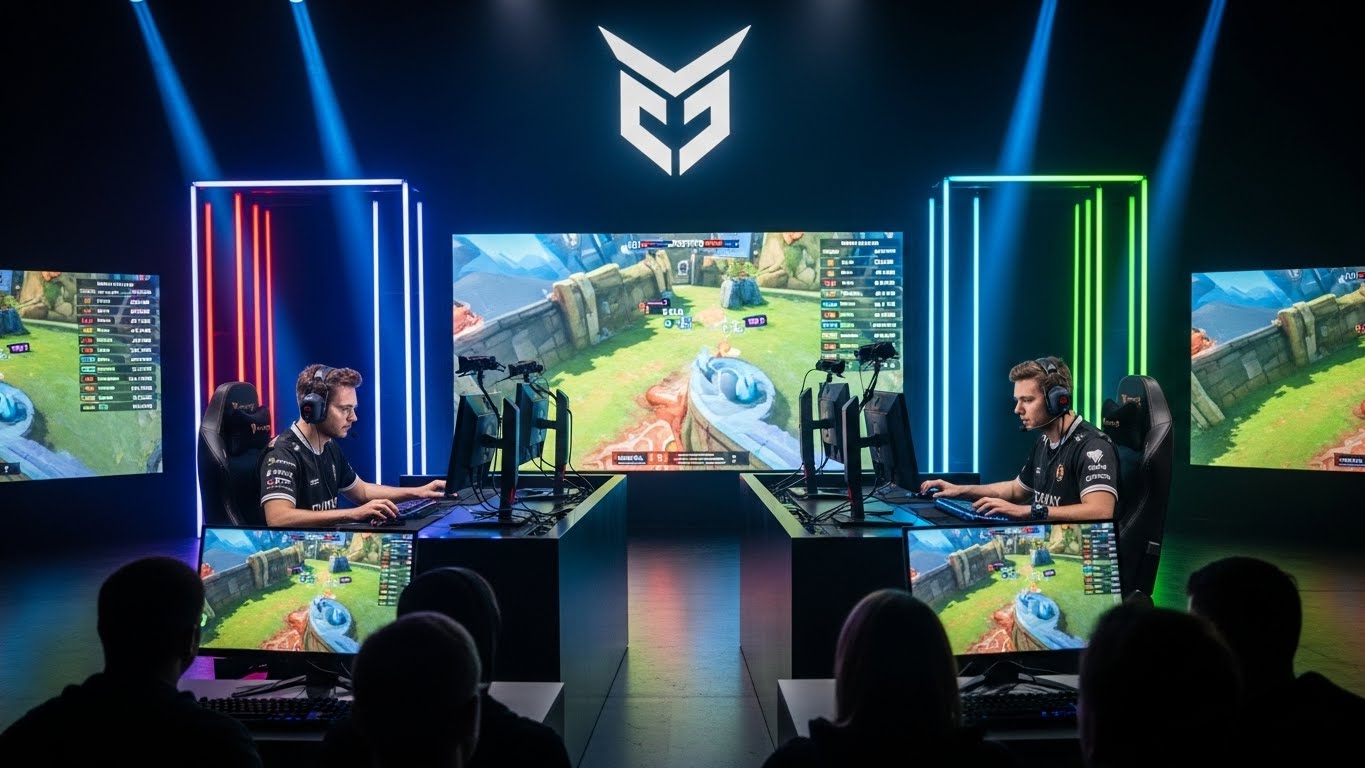
Esports has evolved from a niche hobby into a global phenomenon. What once started as small tournaments held in basements or university halls is now a multibillion-dollar industry with massive events, sponsorships, and worldwide audiences. In this blog post, we will explore the rise of esports, its growth as a professional sport, its impact on gaming culture, and its future potential.
The Early Beginnings of Esports
The concept of competitive gaming dates back to the early days of video games. In the 1970s, a game called Spacewar! was one of the first to see any sort of competitive play, with players battling for high scores. However, it wasn’t until the 1990s that the foundations of modern esports began to take shape.
During this time, games like Street Fighter II, Doom, and Warcraft started to gain popularity, and local tournaments began to emerge. One of the first organized esports tournaments was the Red Annihilation Tournament in 1997, where players competed in the popular first-person shooter Quake. The winner of the tournament, a young gamer named John “Fatal1ty” Wendel, would go on to become one of the first professional esports players in history.
However, it was the early 2000s that saw the real transformation of competitive gaming into what we know as esports today. The rise of real-time strategy (RTS) games like StarCraft and Warcraft III, as well as first-person shooters like Counter-Strike, created the foundation for large-scale tournaments and professional leagues. These games laid the groundwork for esports’ competitive structure, as well as its growing fanbase.
The Growth of Esports: From Niche to Mainstream
While esports was slowly growing throughout the 2000s, it wasn’t until the 2010s that the industry truly exploded. A key factor in this growth was the proliferation of streaming platforms like Twitch and YouTube Gaming, which allowed gamers and fans to watch live competitions from anywhere in the world. The popularity of these platforms helped bring esports to a wider audience, both within the gaming community and beyond it.
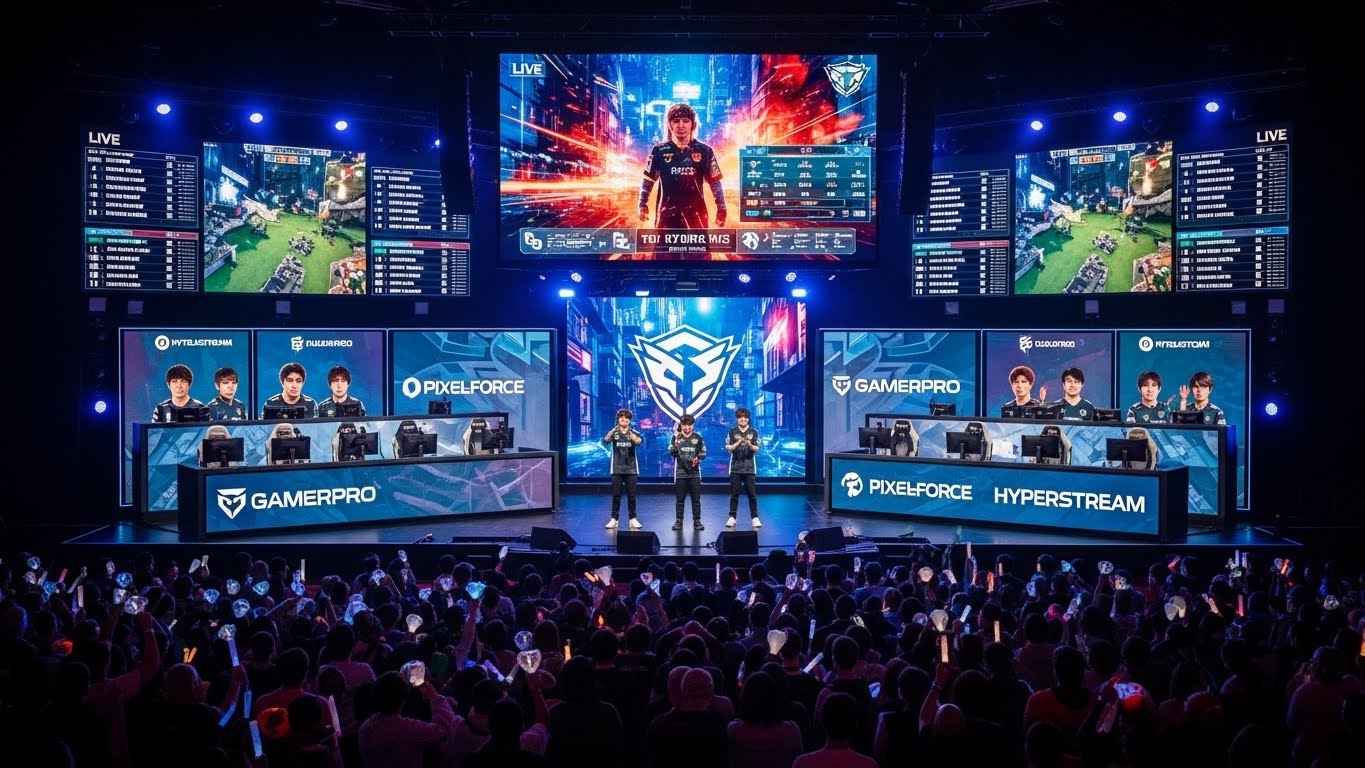
At the same time, esports began to attract major investors and sponsors. Large companies like Intel, Coca-Cola, and Mercedes-Benz began to sponsor esports events, providing the financial backing necessary to host larger, more professional tournaments. These partnerships helped esports gain legitimacy, attracting more viewers, players, and media attention.
Esports as a Professional Career
One of the defining aspects of esports today is its recognition as a legitimate profession. As tournaments grew in size and prize pools grew into the millions of dollars, competitive gaming began to be viewed not just as a hobby, but as a viable career option. Professional esports players are now treated like athletes, with dedicated coaches, analysts, nutritionists, and even team psychologists.
The most successful players can earn substantial salaries, not just from tournament winnings but also from sponsorships, streaming, and content creation. In fact, some of the biggest names in esports—such as Tyler “Ninja” Blevins, Lee “Faker” Sang-hyeok, and Johan “N0tail” Sundstein—are multimillionaires with global recognition.
Esports teams, like traditional sports teams, operate on a professional level. Top-tier teams often have extensive support structures and facilities, including practice spaces, training schedules, and staff members dedicated to player development. These teams also compete in multiple leagues and tournaments, traveling worldwide for competitions.
The Different Esports Genres
One of the key factors in the growth of esports is its diversity. There is no single type of game that defines esports; rather, the industry is split across various genres, each with its own dedicated fanbase and competitive scene. Some of the most popular genres in esports include:
1. First-Person Shooters (FPS)
Games like Counter-Strike: Global Offensive (CS:GO), Overwatch, Call of Duty, and Valorant are staples in the esports scene. FPS games require quick reflexes, strategic thinking, and precision aiming. These games often feature team-based gameplay, where players must work together to accomplish objectives and outsmart their opponents.
2. Real-Time Strategy (RTS)
Games like StarCraft II and Warcraft III are classic examples of RTS games, where players control entire armies and base-building operations. RTS games require players to make rapid decisions while managing resources, positioning, and unit movements. The focus is often on macro-management (overseeing large-scale strategies) and micro-management (controlling individual units).
3. Multiplayer Online Battle Arenas (MOBA)
League of Legends and Dota 2 are two of the most popular MOBA games in esports. MOBAs are team-based strategy games in which players control a single character and work with their team to destroy the enemy’s base. MOBAs require high levels of teamwork, communication, and individual skill. These games have some of the largest esports tournaments, such as The International for Dota 2 and the League of Legends World Championship.
4. Battle Royale
The Battle Royale genre, which gained massive popularity with games like Fortnite and PUBG, involves players competing to be the last one standing on a shrinking map. Battle Royale esports has exploded in recent years, with tournaments offering significant prize pools and attracting a global audience.
5. Fighting Games
Fighting games like Street Fighter V, Tekken 7, and Super Smash Bros. Ultimate have long been a part of the esports ecosystem. These games involve head-to-head combat between players, with a strong focus on timing, combos, and strategy. Fighting games often have vibrant tournament scenes, particularly in Asia and the United States.
Esports Viewership and Audience
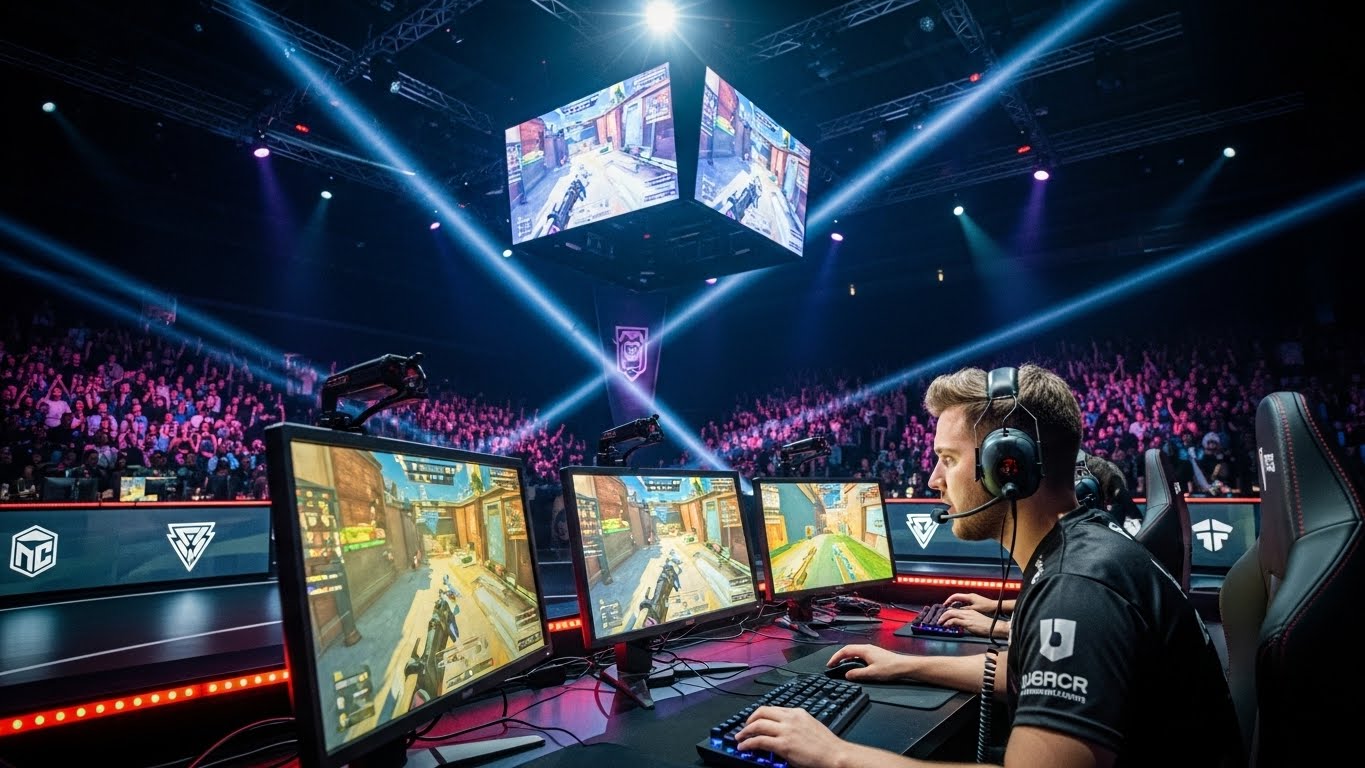
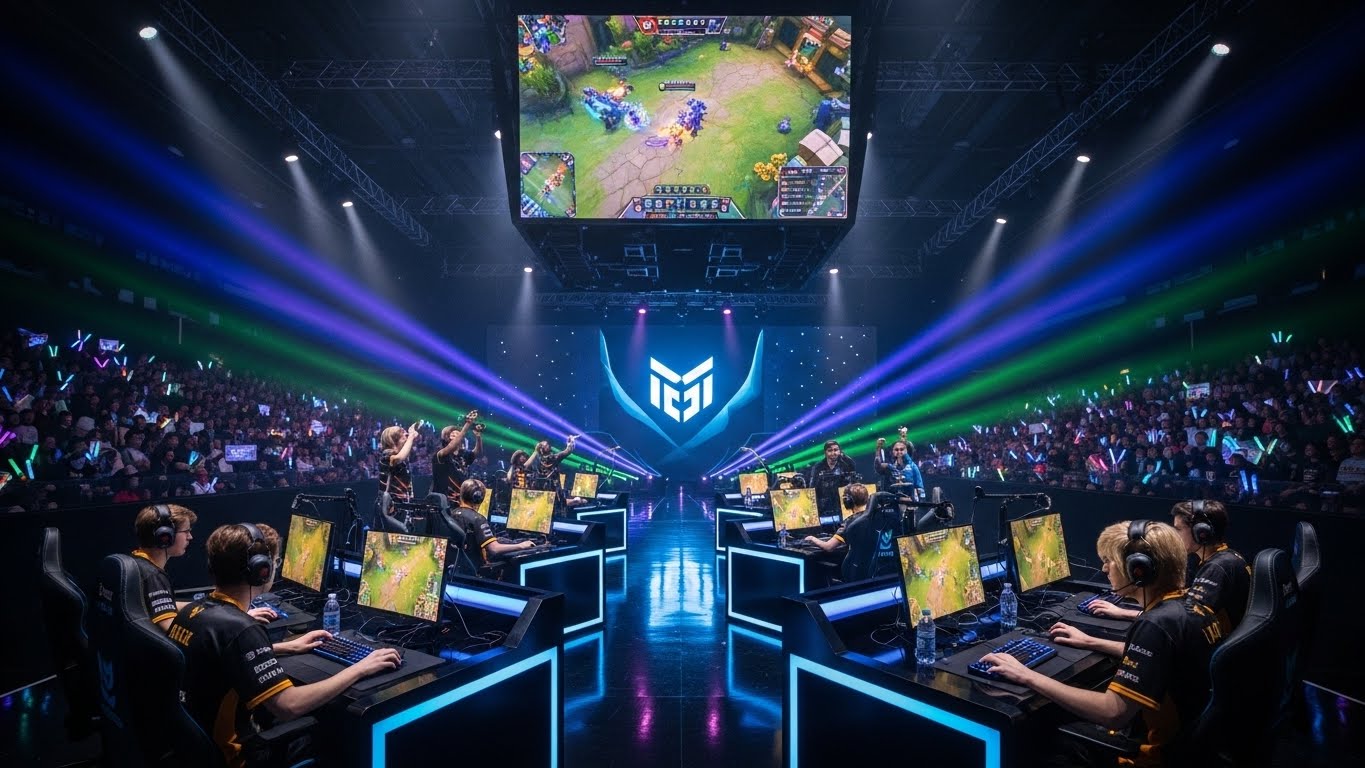
Esports has evolved into a massive form of entertainment with millions of viewers tuning in to watch live competitions. Major events, such as The International (Dota 2’s world championship) and the League of Legends World Championship, attract millions of concurrent viewers, with the total viewership sometimes surpassing that of traditional sports finals like the Super Bowl or the NBA Finals.
The global appeal of esports can be attributed to several factors. First, esports is inherently international. Players and teams come from all over the world, and the internet enables fans from every country to watch and engage with events. Additionally, the younger demographic that makes up the core of the gaming audience is more likely to engage with digital entertainment and esports compared to traditional sports.
Streaming platforms like Twitch have been instrumental in fostering this global esports community. On Twitch, viewers can watch live gameplay, interact with players, and follow their favorite teams, creating a sense of community around esports events.
The Business of Esports
Esports has transformed into a thriving business, generating revenue from various sources. Sponsorships, advertising, merchandise, and media rights are the primary revenue streams for esports organizations and event organizers. In recent years, esports organizations have also turned to content creation, expanding their brand presence on platforms like YouTube and TikTok.
The rise of streaming platforms has further accelerated esports’ growth, providing a steady stream of revenue from advertisements and subscription models like Twitch Prime. Many esports players and influencers have also diversified their revenue sources through brand endorsements, collaborations with game developers, and personal streaming channels.
Additionally, esports betting has become a popular activity for fans, with dedicated platforms allowing users to place bets on professional matches. This growing gambling aspect adds a new layer of excitement for viewers and has contributed to the overall revenue of the esports industry.
The Future of Esports
As we look to the future, the prospects for esports seem brighter than ever. The industry is expected to continue growing, driven by advancements in technology, increasing viewership, and further integration into mainstream culture. One potential development is the expansion of virtual reality (VR) and augmented reality (AR) in esports. These technologies could introduce new ways to experience and participate in competitive gaming, bringing even more players and viewers into the fold.
Additionally, esports is beginning to gain recognition in the world of higher education, with universities offering scholarships and even full programs dedicated to esports. This trend reflects the increasing legitimacy of esports as a career path and a sign of its continued growth.
As esports continues to evolve, one thing is certain: the future of competitive gaming is incredibly bright. Whether you’re a player, a fan, or just someone intrigued by the phenomenon, the esports world is one to watch closely in the coming years.
In conclusion, esports is no longer just a trend or a niche interest for gamers. It has blossomed into a professional, multi-billion-dollar industry that attracts millions of fans, top-tier athletes, and global sponsors. As technology continues to evolve and the world becomes even more interconnected, esports will only continue to thrive, offering new opportunities for players, fans, and investors alike. The rise of esports is a testament to the enduring power of gaming and its ability to bring people together through competition, skill, and entertainment.