championstream42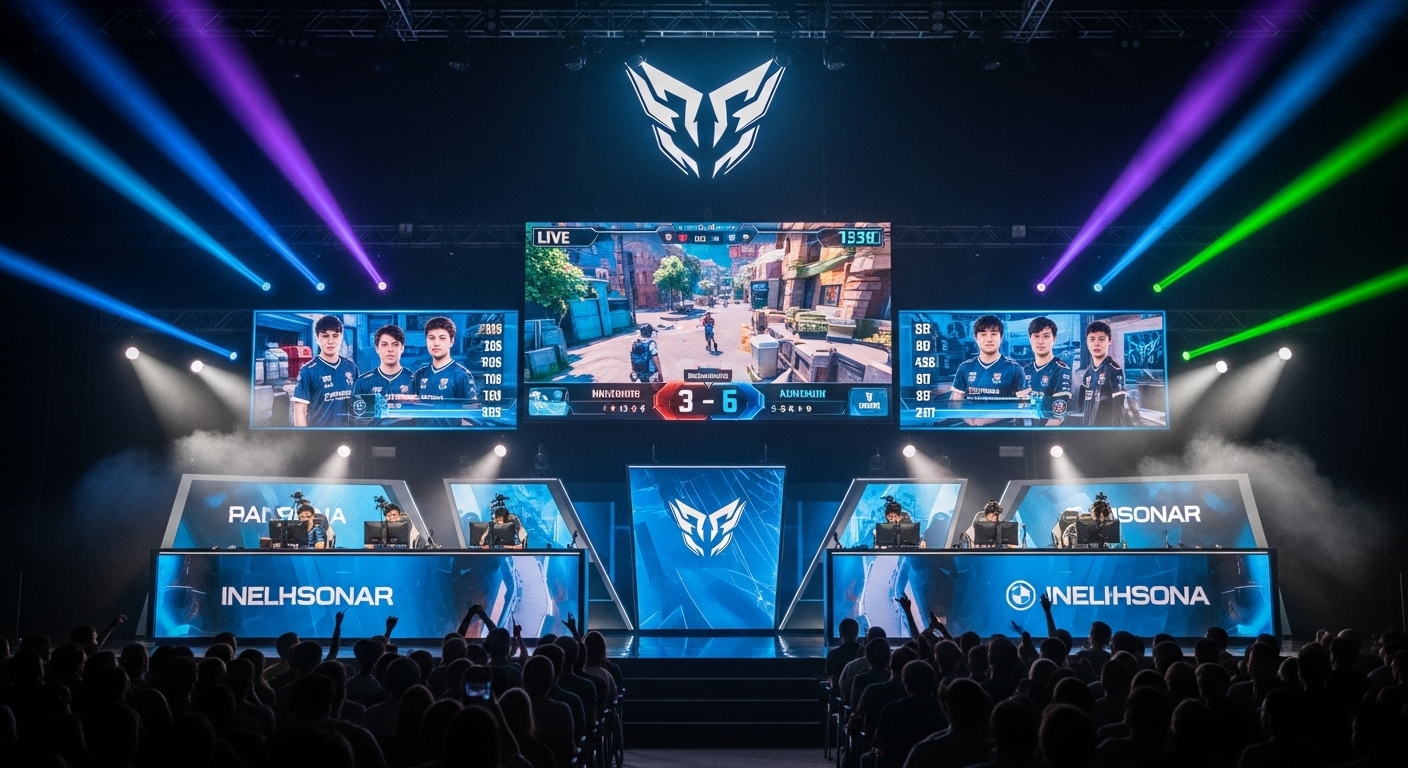
Esports, or electronic sports, has grown exponentially in the last decade, transforming from a niche hobby to a multi-billion-dollar global industry. Whether you’re a seasoned gamer, an enthusiastic spectator, or someone who’s just curious about the phenomenon, esports is undeniably reshaping the landscape of both entertainment and competition. This blog post delves into the rise of esports, exploring its history, growth, influence on gaming culture, and its impact on traditional sports and entertainment industries.
What is Esports?
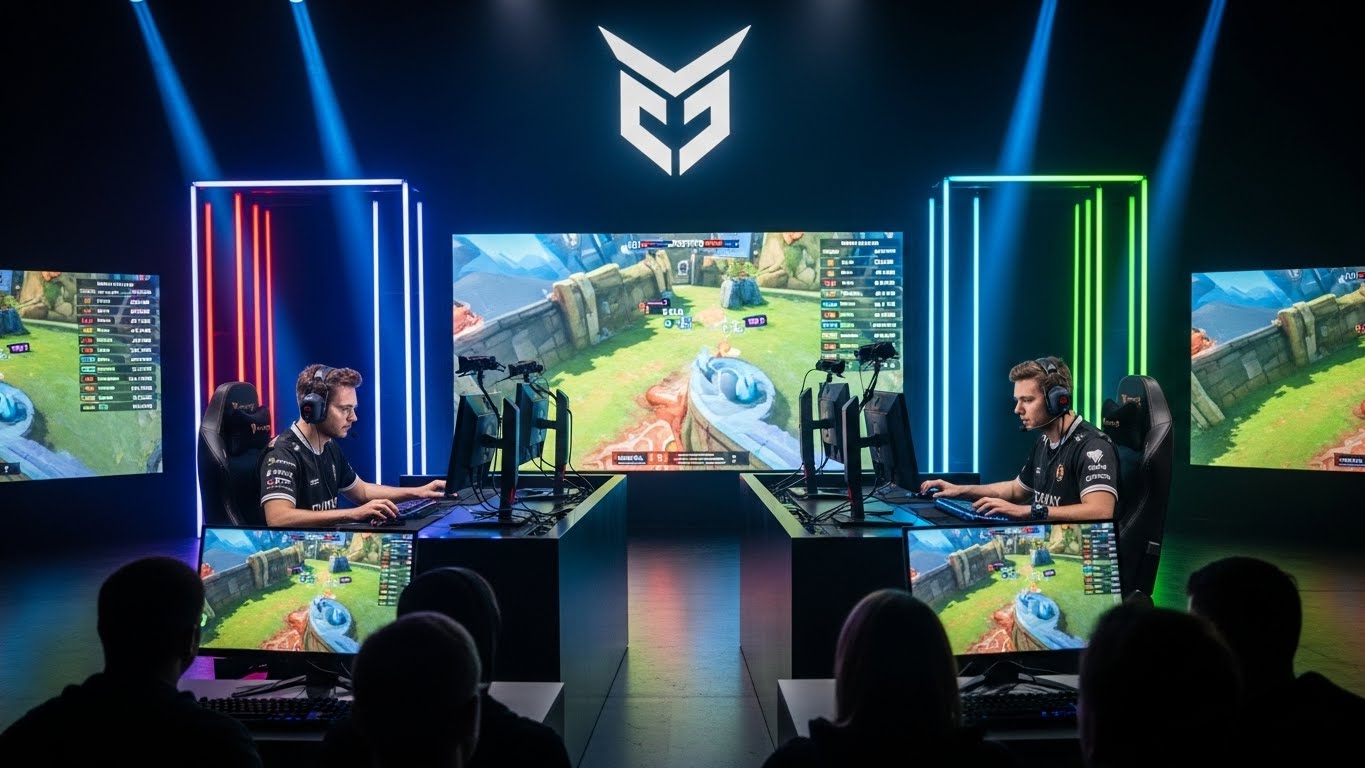
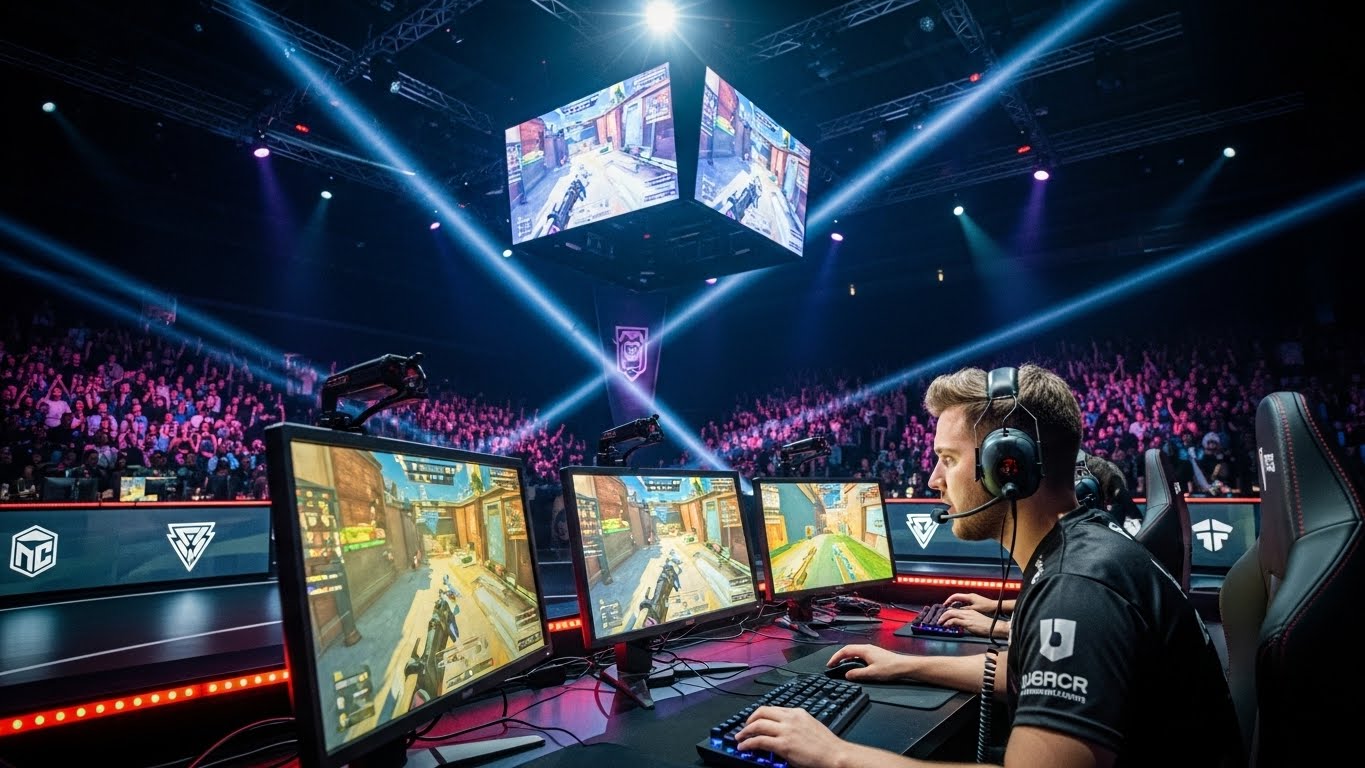
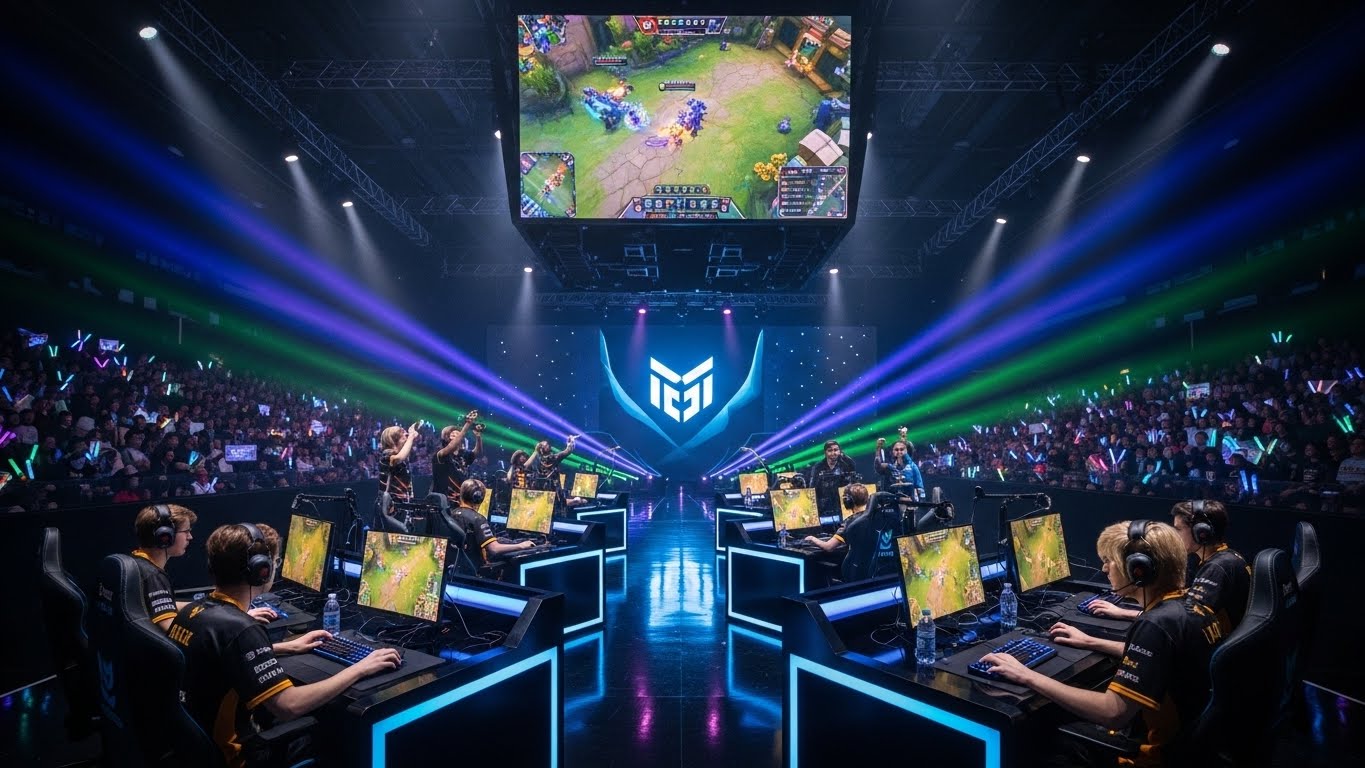
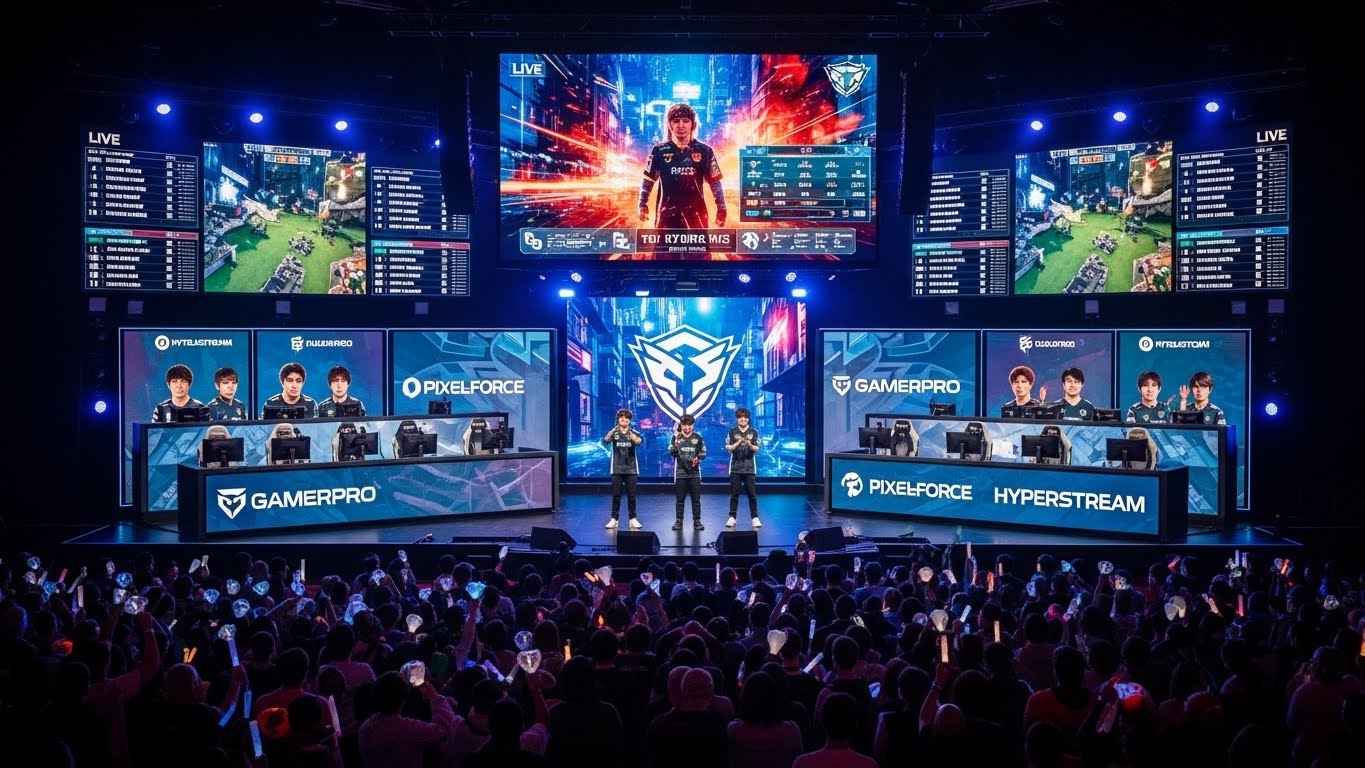
At its core, esports refers to competitive video gaming. But there’s a lot more to it than just playing games. Esports involves professional players, teams, coaches, and organizations competing in multiplayer video games for large audiences. These events are often broadcast live, either on television or more commonly on streaming platforms like Twitch, YouTube, and Facebook Gaming.
Esports spans a variety of genres, including real-time strategy games (e.g., StarCraft II), multiplayer online battle arena games (e.g., League of Legends and Dota 2), first-person shooters (e.g., Counter-Strike: Global Offensive, Overwatch, and Call of Duty), and battle royale games (e.g., Fortnite). The industry covers a wide range of tournaments, leagues, and competitions at different skill levels, from amateur grassroots events to elite world championships.
The Birth of Esports: A Brief History
While competitive gaming in some form has existed for decades, esports as we know it today began to take shape in the late 1990s and early 2000s. The turning point for esports came with the release of StarCraft in 1998. This real-time strategy game quickly gained popularity in South Korea, where professional gaming tournaments began to emerge. By the early 2000s, South Korea had built a robust esports ecosystem, with television networks broadcasting competitive StarCraft tournaments and dedicated esports channels emerging.
The next big milestone in esports came in 2004 with the creation of World Cyber Games (WCG), an international esports competition that featured a variety of games and attracted top players from around the globe. In 2011, League of Legends was released, and its explosive success helped push esports into the mainstream. The rise of popular streaming platforms, such as Twitch (launched in 2011), allowed fans to watch esports in real-time and fostered the growth of an online esports community.
The 2010s marked the golden age of esports, with global tournaments like The International (Dota 2), the League of Legends World Championship, and the Overwatch League gaining millions of viewers and offering multi-million dollar prize pools. This era also saw the emergence of top-tier esports organizations, big sponsorships from major companies like Intel, Red Bull, and Coca-Cola, and the establishment of dedicated esports arenas in major cities.
The Explosion of Esports: Why is it so Popular?
1. The Appeal of Competition
At its heart, esports offers a level of competition that is hard to match in traditional gaming. Professional players must practice for countless hours, hone their skills, and work as part of a team to reach the highest levels of performance. The thrill of high-stakes matches, strategic gameplay, and nail-biting finales is part of what keeps fans coming back for more.
Esports tournaments are designed to provide an incredibly competitive environment, where every match feels like a battle for supremacy. Just like traditional sports, esports competitions build rivalries, hype, and excitement, and fans can identify with their favorite teams and players.
2. The Growth of Streaming and Online Communities
The rise of streaming platforms like Twitch and YouTube Gaming has played a pivotal role in the explosion of esports. Watching esports has become an interactive experience, where fans can cheer for their favorite teams, engage in live chats, and discuss strategies with other viewers in real-time. The level of accessibility is unprecedented—anyone with an internet connection can tune in and watch major tournaments and league matches.
Online communities built around esports games are also an essential factor in the genre’s popularity. These communities bring fans and players together, creating an environment where they can share their passion for the game, learn from one another, and build lasting relationships. Gamers aren’t just playing for fun anymore; they’re part of a global community that shares the same interests and values.
3. Celebrity Players and Teams
As esports has grown in stature, its top players have become celebrities in their own right. With sponsorships, social media followings, and endorsement deals, players like Faker (Lee Sang-hyeok), Ninja (Tyler Blevins), and S1mple (Oleksandr Kostyliev) are now household names. Their personal stories, rivalries, and victories have captivated millions of fans around the world.
Esports teams, too, have achieved celebrity status. Organizations such as Cloud9, Team Liquid, and FaZe Clan have become iconic brands in their own right, with loyal fanbases supporting them through thick and thin. These teams not only compete at the highest level but also engage in content creation, brand partnerships, and merchandise sales, allowing them to diversify their revenue streams and further embed themselves in pop culture.
Esports as a Billion-Dollar Industry
The financial growth of esports has been nothing short of remarkable. In 2023, the global esports market was valued at over $1.5 billion, with revenues coming from sponsorships, advertising, media rights, merchandise sales, and tournament prize pools. Brands from outside the gaming industry, including major corporations like Mercedes-Benz, Coca-Cola, and Nike, have increasingly become involved in esports, seeing it as an untapped market to reach younger, tech-savvy consumers.
The prize pools for esports tournaments have skyrocketed, with some events offering tens of millions of dollars in winnings. For instance, The International 2023 (Dota 2) boasted a prize pool of over $40 million. These massive rewards have made esports an attractive career path for aspiring players, further fueling the growth of the industry.
Esports also benefits from the increasing popularity of mobile gaming, especially in regions like Southeast Asia, where mobile esports competitions have gained significant traction. Games like PUBG Mobile and Mobile Legends have transformed esports in these regions, offering an avenue for players without access to high-end gaming PCs to participate in the competitive scene.
The Impact of Esports on Traditional Sports
The impact of esports on traditional sports is becoming more evident by the day. One of the most striking trends has been the blurring of lines between the two sectors. Many traditional sports teams and organizations are now investing in esports, either by sponsoring esports teams or even creating their own esports divisions. Football clubs like FC Barcelona and Manchester City have invested in esports teams, while NBA teams like Golden State Warriors and Dallas Mavericks have embraced esports with their own franchises in the NBA 2K League.
Esports has also had a profound influence on broadcasting. Major sports networks like ESPN and Fox Sports have begun airing esports events, recognizing the growing fanbase and viewership potential. The way esports has embraced streaming platforms like Twitch and YouTube also sets a new precedent for how sports and entertainment can be consumed in the digital age. Fans now have access to content on-demand, creating a more personalized and interactive viewing experience.
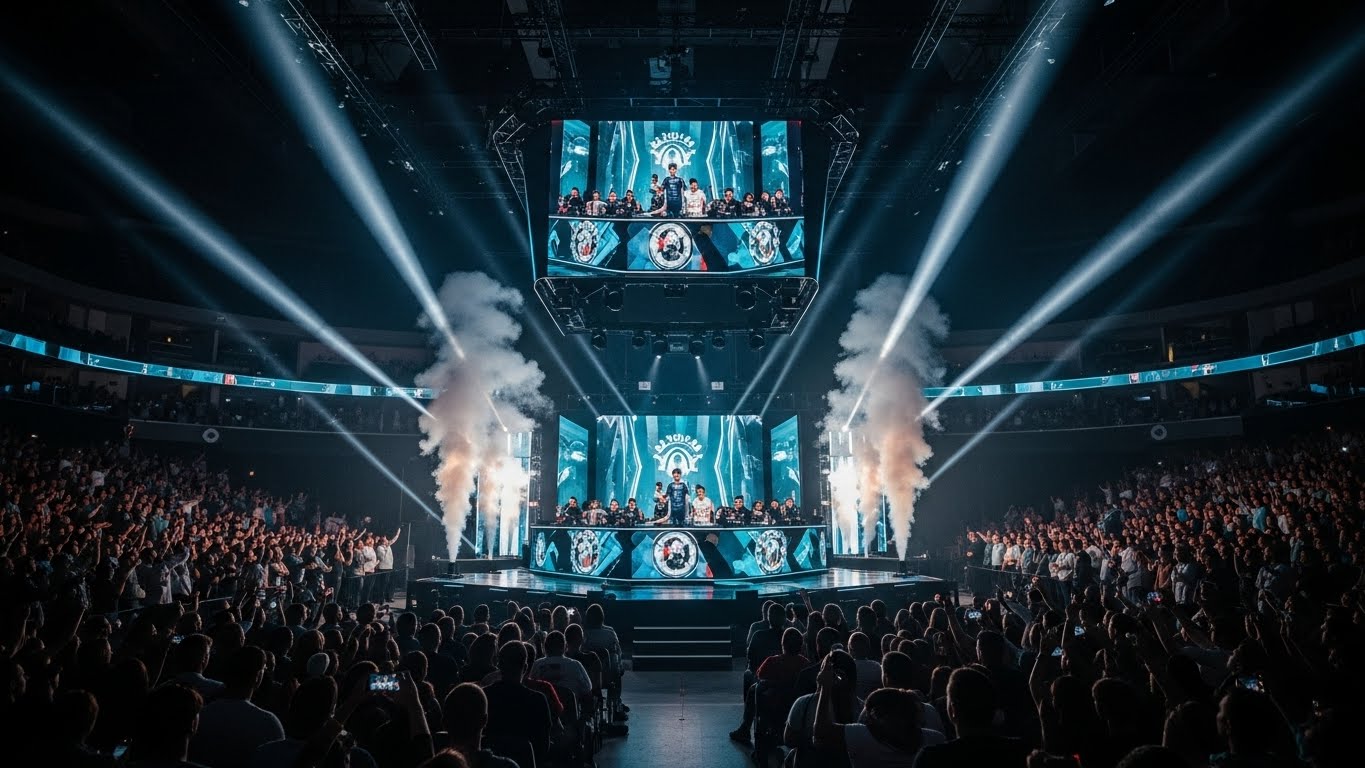
Moreover, esports events are increasingly seen as legitimate forms of entertainment, often featuring music performances, high-tech visuals, and even celebrity appearances, similar to traditional sports events or concerts. This fusion of entertainment elements has broadened esports’ appeal, attracting viewers who might not have been previously interested in gaming.
The Future of Esports
The future of esports is incredibly exciting, with the industry poised for further expansion. Some of the key trends to watch for include:
- Increased Professionalization: As esports continues to grow, we’ll likely see more formalization of the industry. This may include the creation of standardized player contracts, better protections for players, and the establishment of more robust player development programs.
- More Mainstream Acceptance: Esports is on the cusp of becoming a mainstream activity, with major sporting events and media outlets taking greater interest in the sector. As younger generations increasingly view gaming as a legitimate sport, esports will become more integrated into everyday culture.
- Global Expansion: While esports is already a global phenomenon, there are still many regions where it has room to grow. Countries in Latin America, the Middle East, and Africa are expected to become key players in the esports scene over the next decade.
- Incorporation of New Technologies: Virtual reality (VR) and augmented reality (AR) could revolutionize the way esports tournaments are played and viewed. With the rise of 5G connectivity, esports could become even more immersive, offering new experiences for both players and spectators.
- The Rise of College and Scholastic Esports: Just like traditional sports, esports is gaining traction at the collegiate level. Universities are increasingly offering esports scholarships, and dedicated esports arenas are being built on campuses across the world.
Conclusion
Esports has come a long way from its humble beginnings. What started as a niche pastime for gamers has evolved into a massive industry that rivals traditional sports in popularity and influence. With its ever-growing fanbase, massive prize pools, and increasing mainstream recognition, esports is here to stay. As the world of gaming continues to evolve, one thing is certain: esports will remain at the forefront of the digital entertainment revolution, captivating millions of fans for years to come.
Whether you’re a die-hard fan or a newcomer, the esports phenomenon is a testament to how gaming has transformed into a global, highly competitive, and professionally recognized sport—one that is shaping the future of entertainment as we know it.