championstream42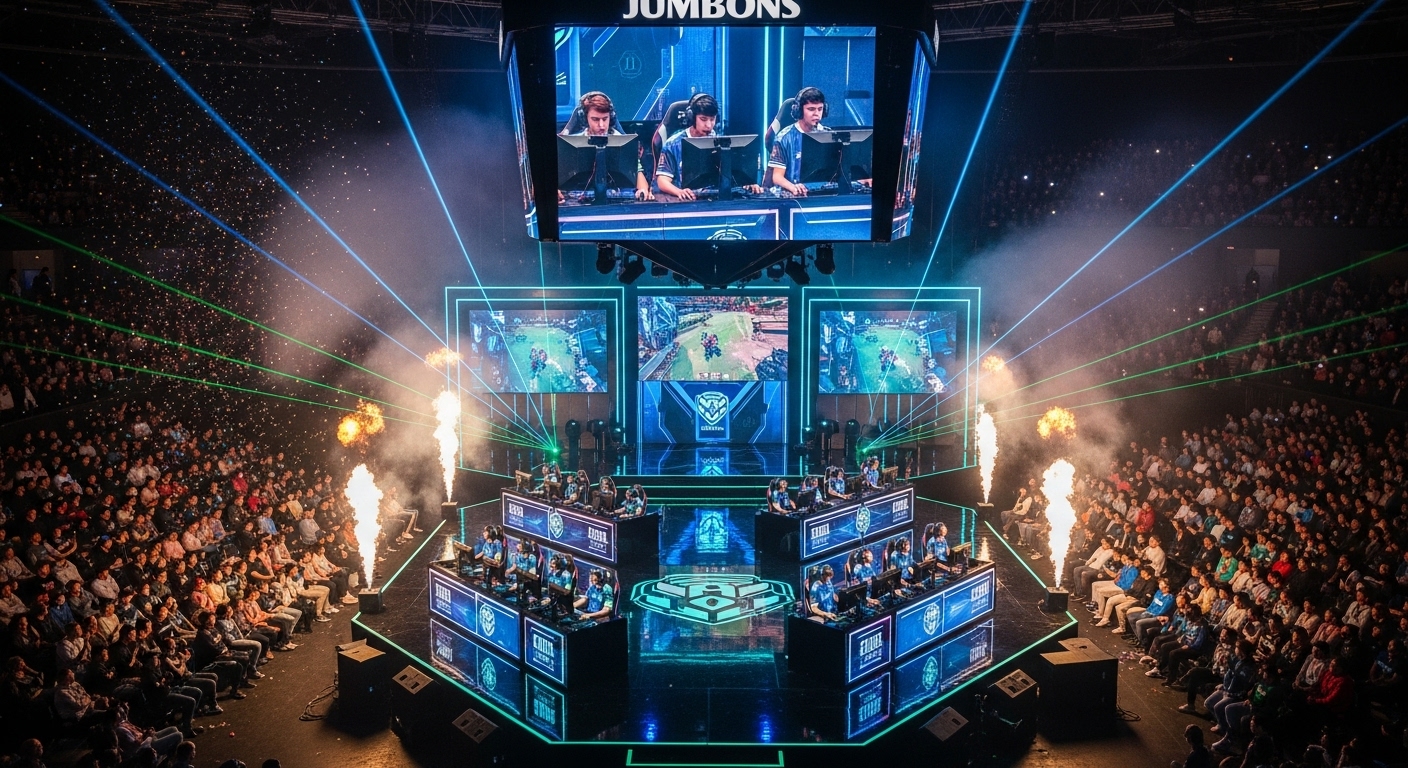
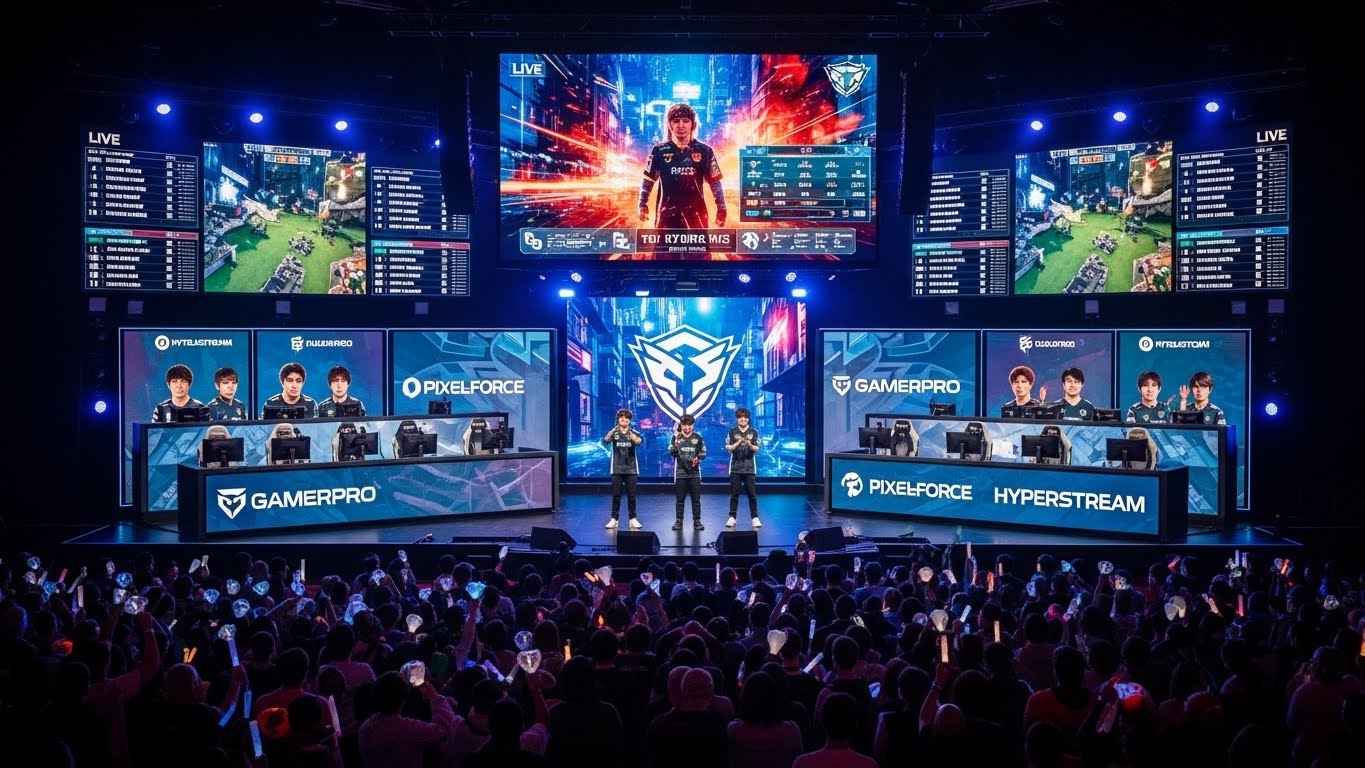
Esports, or competitive video gaming, has grown from a niche hobby into a global industry that rivals traditional sports in both popularity and economic impact. Over the past two decades, what started as small, community-driven competitions has evolved into a professional ecosystem featuring high-stakes tournaments, dedicated teams, sponsorship deals, and massive fanbases. This transformation reflects not only changes in technology and entertainment but also a shift in how society perceives competition, skill, and digital culture.
The Origins of Competitive Gaming
The roots of esports trace back to the 1970s and 1980s, when arcade gaming began to gain traction. Early competitions were simple affairs, often held at local arcades where players would compete for high scores in games like Pac-Man and Space Invaders. However, the real turning point came in the 1990s with the rise of personal computers and multiplayer games. Titles such as Quake, StarCraft, and Counter-Strike laid the foundation for organized competitive gaming. These early tournaments were often informal, community-led events, but they established a culture of skill, strategy, and camaraderie that would define esports for years to come.
The Growth of Esports Communities
As internet access expanded in the late 1990s and early 2000s, online gaming became a central pillar of competitive play. Platforms such as Battle.net and GameSpy allowed players to connect across regions, making large-scale tournaments feasible. Communities flourished around specific games, often organized by fans rather than corporations. Online forums and early streaming platforms enabled players to share strategies, highlights, and live gameplay, fostering a sense of global community. This period was crucial in transforming gaming from a solitary or local activity into a connected, competitive experience.
The Emergence of Professional Esports
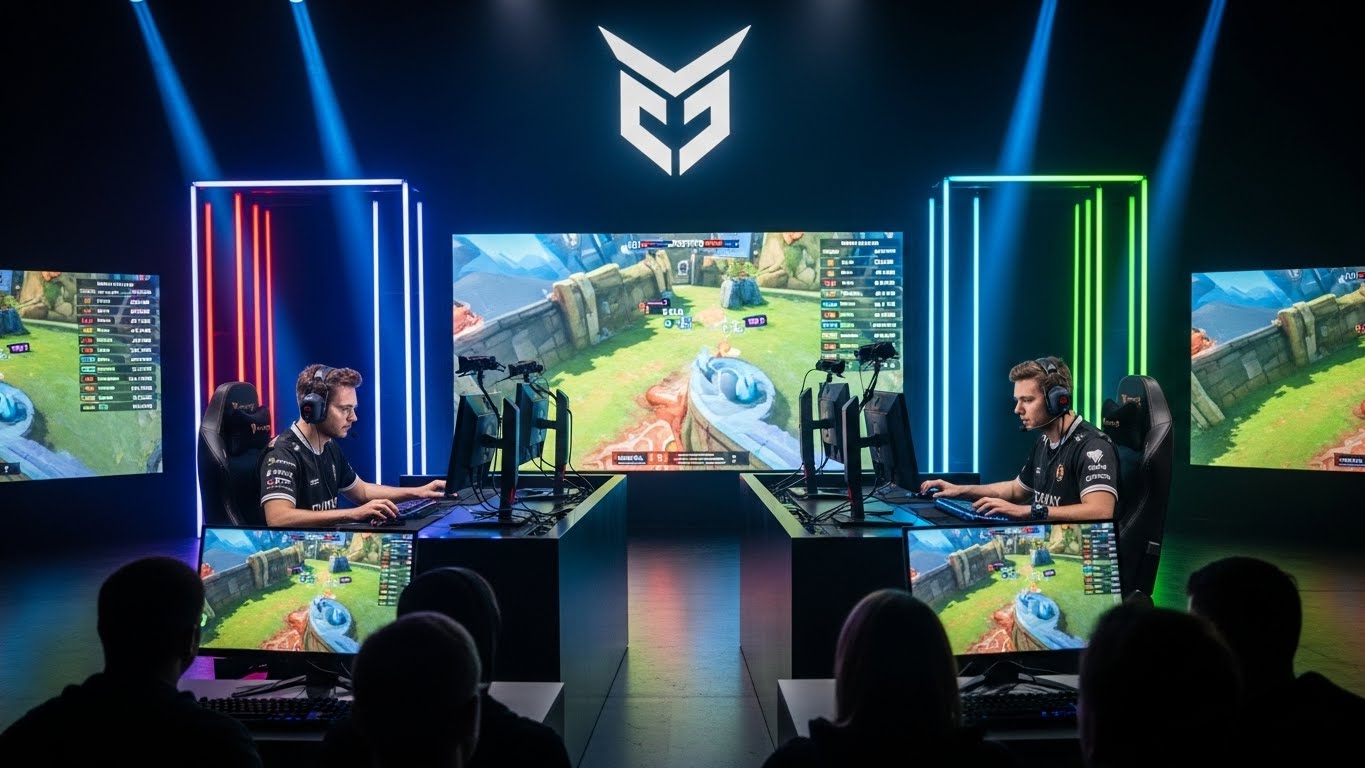
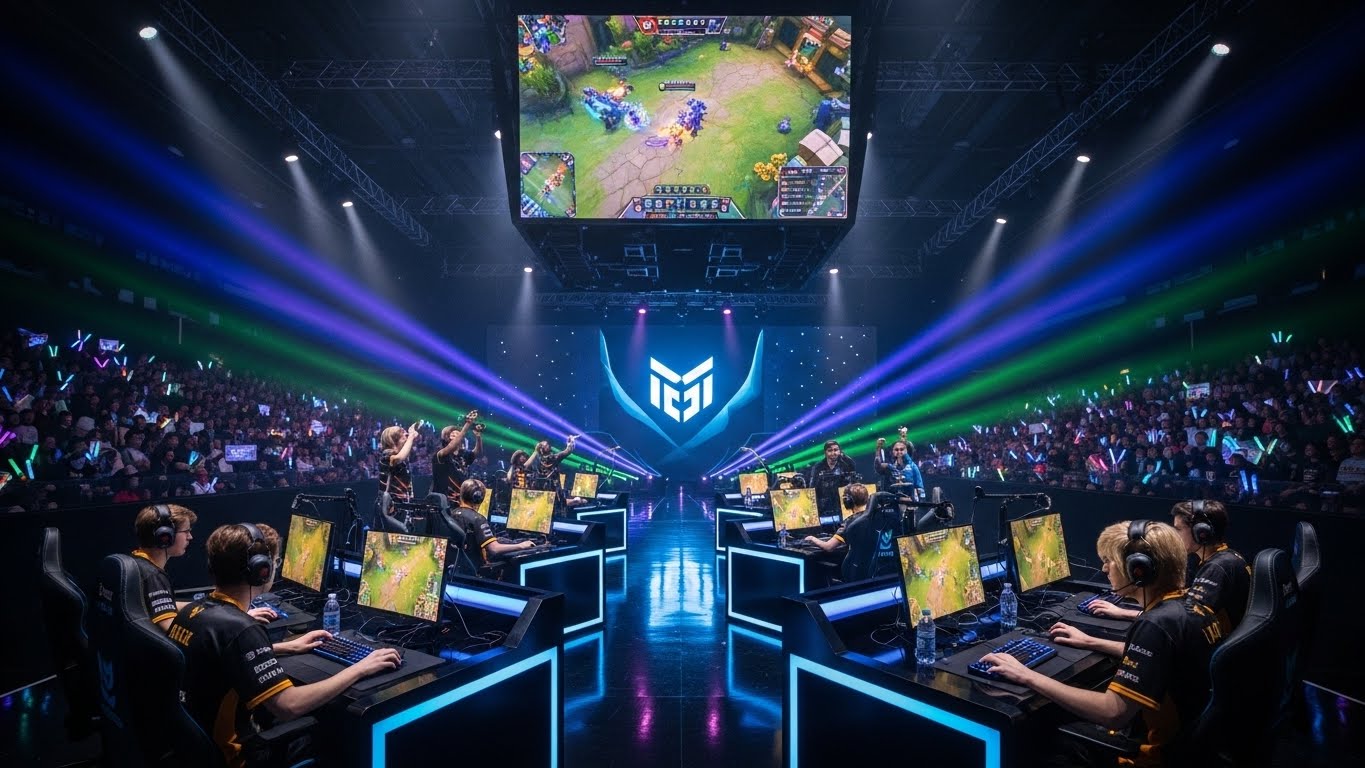
The 2010s marked the rise of professional esports. Games like League of Legends, Dota 2, and Overwatch attracted millions of viewers and offered substantial prize pools, signaling a shift toward commercialization. Professional players began to be recognized as celebrities in their own right, with sponsorship deals, streaming contracts, and team memberships providing a career path that had previously been unheard of in gaming. The formation of structured leagues and tournaments, such as the League of Legends Championship Series and The International, created stability and legitimacy, making esports a viable industry.
Key Games Shaping Esports
Certain games have played pivotal roles in defining the esports landscape. League of Legends popularized the multiplayer online battle arena (MOBA) genre, emphasizing teamwork, strategy, and high-level mechanics. Counter-Strike: Global Offensive became a staple in the first-person shooter (FPS) genre, offering fast-paced action and tactical depth. Dota 2 revolutionized esports with The International, a tournament with record-breaking prize pools funded in part by community contributions. Each of these games not only attracted competitive players but also cultivated passionate fanbases that sustained long-term engagement with esports culture.
The Economics of Esports
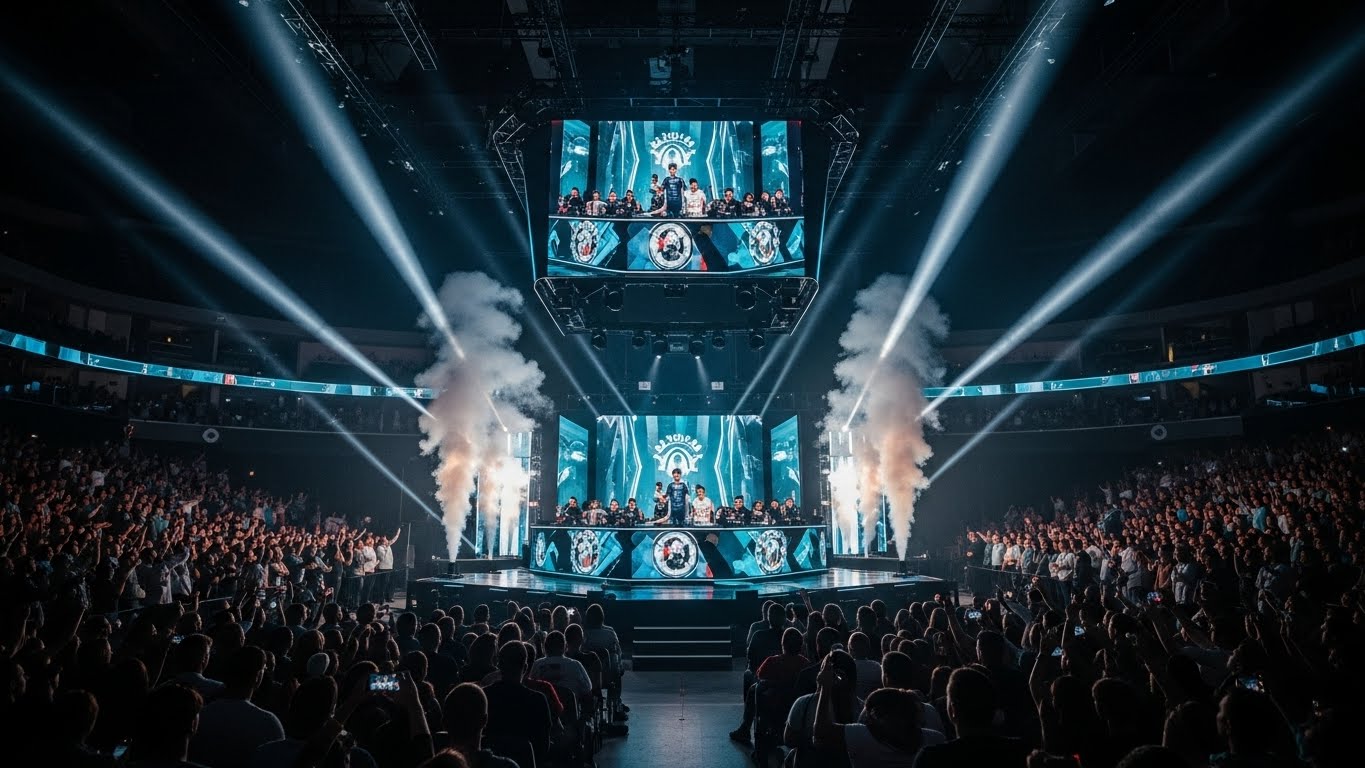
The financial ecosystem of esports is complex and rapidly expanding. Revenue streams include sponsorships, media rights, merchandising, ticket sales, and digital content monetization. Major corporations such as Coca-Cola, Intel, and Nike have invested heavily in esports sponsorships, recognizing the appeal of reaching younger, tech-savvy audiences. Esports organizations operate much like traditional sports franchises, signing players, managing training facilities, and cultivating fan engagement through social media and live events. In 2023, the global esports market was estimated to surpass several billion dollars, reflecting the industry’s remarkable growth trajectory.
The Role of Streaming Platforms
Streaming platforms have been instrumental in the rise of esports. Services like Twitch, YouTube Gaming, and Facebook Gaming allow players to broadcast gameplay in real-time, reaching millions of viewers worldwide. These platforms have created new opportunities for revenue generation through subscriptions, donations, and advertising. Moreover, streaming has helped professional players build personal brands, connecting with fans on a level previously reserved for traditional sports athletes. This visibility has further solidified esports as a mainstream form of entertainment.
The Global Impact of Esports
Esports is a global phenomenon, transcending cultural and geographical boundaries. Countries such as South Korea, China, and the United States have emerged as key hubs for competitive gaming, producing top-tier players and hosting international tournaments. South Korea, in particular, is renowned for its rigorous esports infrastructure, including dedicated training facilities, professional leagues, and televised competitions. Meanwhile, international tournaments like the League of Legends World Championship draw audiences from around the world, demonstrating the universal appeal of competitive gaming.
Challenges Facing the Esports Industry
Despite its rapid growth, esports faces several challenges. Player burnout is a significant concern, as the demands of professional competition require long hours of practice and travel. Issues of diversity and inclusivity persist, with female gamers and underrepresented groups often facing barriers to entry. Furthermore, regulatory challenges, such as gambling, cheating, and contractual disputes, pose risks to the industry’s integrity. Addressing these challenges is crucial for ensuring the long-term sustainability and legitimacy of esports as a global industry.
The Future of Esports
Looking forward, esports is poised for continued expansion and innovation. Virtual reality (VR) and augmented reality (AR) technologies may introduce new forms of competitive play, enhancing immersion and engagement. Mobile esports is also gaining traction, particularly in regions with widespread smartphone adoption. Additionally, esports is increasingly intersecting with traditional sports, as collaborations, sponsorships, and hybrid events blur the line between digital and physical competition. As audiences grow and technology advances, esports is likely to become an even more integral part of global entertainment culture.
Esports as a Cultural Phenomenon
Beyond competition and economics, esports has significant cultural implications. It has influenced fashion, music, and online communities, creating a unique subculture that resonates with millions of fans. Cosplay, fan art, and content creation are all intertwined with esports, highlighting its role as a creative and social outlet. Esports also challenges traditional notions of athleticism and skill, redefining what it means to compete at the highest level in a digital age.
Education and Career Opportunities in Esports
Esports has also expanded educational and career pathways. Universities and colleges now offer scholarships for esports players, while programs in game design, management, and broadcasting prepare students for careers within the industry. Professional players, coaches, analysts, event organizers, and content creators all contribute to the diverse ecosystem of esports careers. This professionalization reflects the maturation of esports, offering legitimate opportunities for individuals passionate about gaming to pursue meaningful careers.
The Psychology of Competitive Gaming
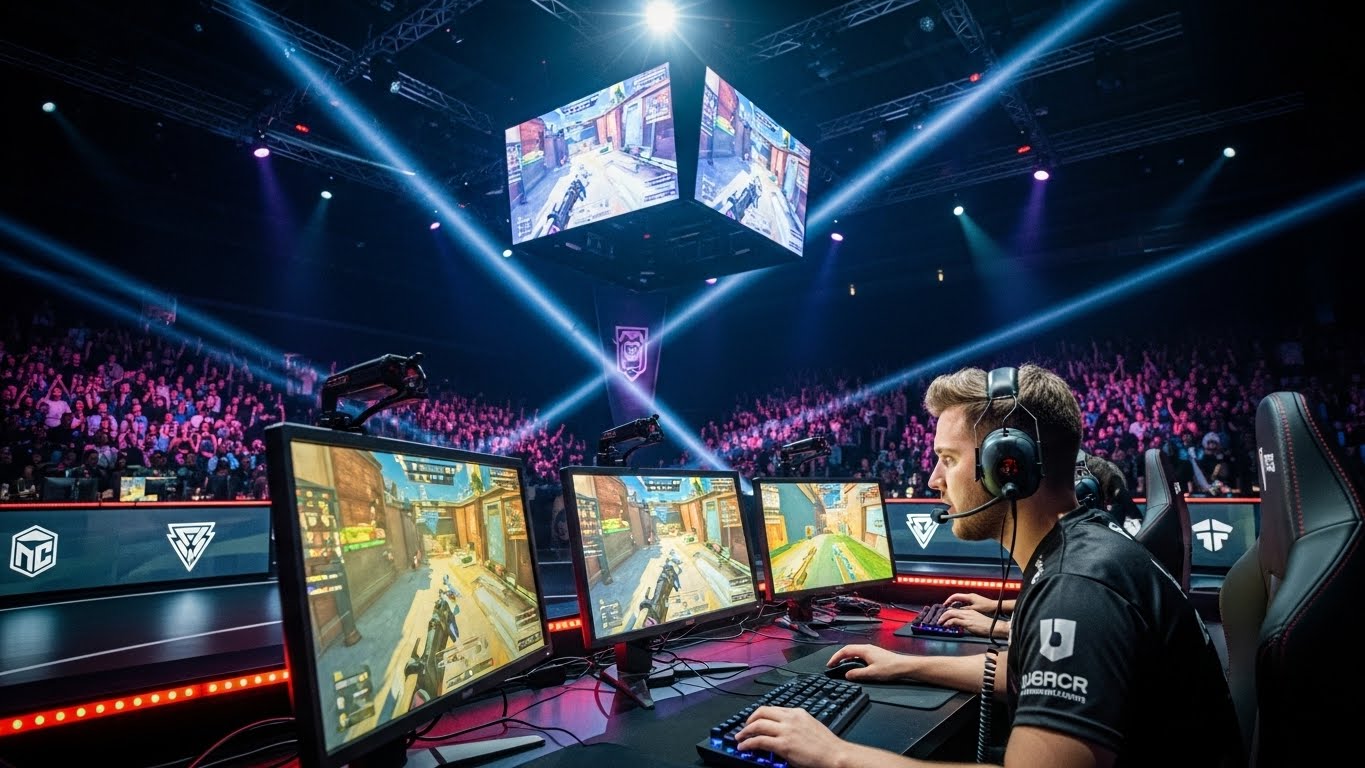
Competitive gaming requires not only physical dexterity but also mental resilience. Players must maintain focus, strategize under pressure, and communicate effectively with teammates. Psychological factors such as motivation, stress management, and decision-making play crucial roles in performance. Sports psychologists are increasingly involved in esports, helping players optimize mental conditioning and maintain peak performance. Understanding the psychological demands of esports underscores the complexity and legitimacy of this form of competition.
Esports and Technology
Technology is at the heart of esports, driving both gameplay and audience engagement. High-performance hardware, fast internet connections, and advanced gaming peripherals enable players to perform at elite levels. Meanwhile, software innovations, including spectator modes, replay systems, and analytics tools, enhance both competitive integrity and fan experience. As technology continues to evolve, it will undoubtedly shape the future of esports, introducing new possibilities for gameplay, training, and entertainment.
Community and Fan Engagement
A defining feature of esports is the strong connection between players and fans. Social media platforms, forums, and streaming services facilitate direct interaction, fostering a sense of belonging and shared identity. Fans engage through watching live streams, participating in discussions, creating content, and attending events. This vibrant community culture differentiates esports from many traditional sports, emphasizing digital participation and global connectivity.
Conclusion
Esports has come a long way from its humble beginnings in arcades and local gaming communities. Today, it stands as a thriving global industry, shaping culture, technology, and entertainment. With its diverse career opportunities, passionate fanbases, and innovative potential, esports is more than just a pastime—it is a dynamic and evolving phenomenon that continues to redefine the boundaries of competition and digital culture. As the industry grows, it will undoubtedly continue to challenge perceptions, inspire creativity, and unite players and fans across the world in the shared pursuit of excellence.