championstream42
Introduction: The Evolution of Competitive Gaming
The world of competitive gaming has undergone a dramatic transformation over the past two decades. What began as a niche hobby for tech enthusiasts and gamers has now evolved into a multi-billion dollar global industry. Esports, as it’s now known, has become an integral part of the entertainment landscape, attracting millions of viewers, participants, and sponsors from across the globe. Today, esports competitions fill stadiums, garner millions of online viewers, and feature sponsorships from some of the biggest brands in the world. It’s a far cry from the humble beginnings of video game tournaments that started in basements and arcades.
This blog post delves deep into the world of esports, examining its origins, growth, challenges, and the future of competitive gaming.
The Origins of Esports: Humble Beginnings
Esports, at its core, refers to organized, multiplayer video game competitions, often between professional players, individually or in teams. The earliest forms of competitive gaming can be traced back to the late 20th century. One of the first significant events was the “Space Invaders Championship” in 1980, hosted by Atari, which drew thousands of participants. The event marked the beginning of competitive video gaming, albeit in a much smaller and less organized form than what we see today.
However, it wasn’t until the late 1990s and early 2000s that esports began to gain real traction. The rise of online multiplayer games like “Quake”, “StarCraft”, and “Warcraft” gave players the opportunity to compete against each other over the internet. Local-area network (LAN) tournaments started to emerge, and the concept of competitive gaming began to solidify. In 1997, the Red Annihilation Tournament for Quake became one of the first high-profile esports events, with a grand prize of a Ferrari, an astonishingly large amount for the time.
As the internet expanded and gaming technology improved, esports began to shift into a more organized and spectator-friendly environment. The advent of games like League of Legends, Dota 2, and Counter-Strike in the early 2000s set the stage for modern esports tournaments.
The Growth of Esports: A Global Phenomenon
The Early 2000s: Competitive Gaming Takes Shape
By the early 2000s, esports started to gain more recognition, thanks to major tournaments and the growing popularity of multiplayer games. Blizzard Entertainment’s StarCraft and Warcraft III were pivotal in shaping the competitive gaming scene, particularly in Asia. Korea, in particular, became a hotbed for esports in the early 2000s, largely due to the rise of professional leagues like the Korean Pro League (KPL) for StarCraft, and the subsequent growth of esports-focused TV channels like Ongamenet and MBCGame.
These early tournaments featured players who were widely regarded as celebrities in South Korea, and their success helped elevate competitive gaming to mainstream status. The support from television networks and the surge in dedicated esports events helped create a model that would later be replicated worldwide.
The 2010s: Mainstream Success and Investment
The 2010s marked the true explosion of esports as a mainstream entertainment entity. With the increasing accessibility of high-speed internet and the proliferation of platforms like Twitch and YouTube Gaming, competitive gaming reached a new level of global visibility. The availability of livestreaming and the ability for fans to watch tournaments online brought esports to millions of people’s homes.
One of the most notable milestones in esports’ journey was the rise of League of Legends (LoL). Riot Games, the developer of LoL, made a massive push to build an esports ecosystem around the game. The League of Legends World Championship, first held in 2011, quickly became one of the most-watched esports events in history. In 2013, the prize pool for the tournament exceeded $2 million, further highlighting esports’ potential as a viable industry.
During this time, other major games like Dota 2, Counter-Strike: Global Offensive (CS:GO), Overwatch, and Hearthstone began to feature their own large-scale tournaments, each bringing its own audience and personality to the table. What was once a small niche community now had an ecosystem with professional players, coaches, analysts, broadcasters, and an ever-growing fan base.
Esports started attracting large-scale sponsorships from prominent brands in the tech, energy drink, and consumer goods industries. Companies like Intel, Razer, Coca-Cola, and T-Mobile began to sponsor events and teams, offering financial backing and legitimacy to the industry.
The Global Appeal of Esports
While esports has its roots in the West and South Korea, it has since become a truly global phenomenon. In recent years, regions like China, Europe, and North America have seen significant growth in both the player base and audience size. The Chinese esports scene, in particular, has exploded, with massive fanbases for games like League of Legends and Dota 2. China now boasts some of the largest esports organizations, including Invictus Gaming and Royal Never Give Up.
The rise of esports in other parts of the world, including Southeast Asia, Latin America, and even Africa, further solidifies the notion that competitive gaming is a global movement. The success of international tournaments, like the League of Legends World Championship, the International (Dota 2), and the Overwatch League, proves that esports is no longer confined to any one region or group. Esports truly knows no boundaries, as fans from all over the world cheer for their favorite teams and players.
The Infrastructure of Esports: Teams, Tournaments, and Players
Esports Teams: Professionalization and Investment
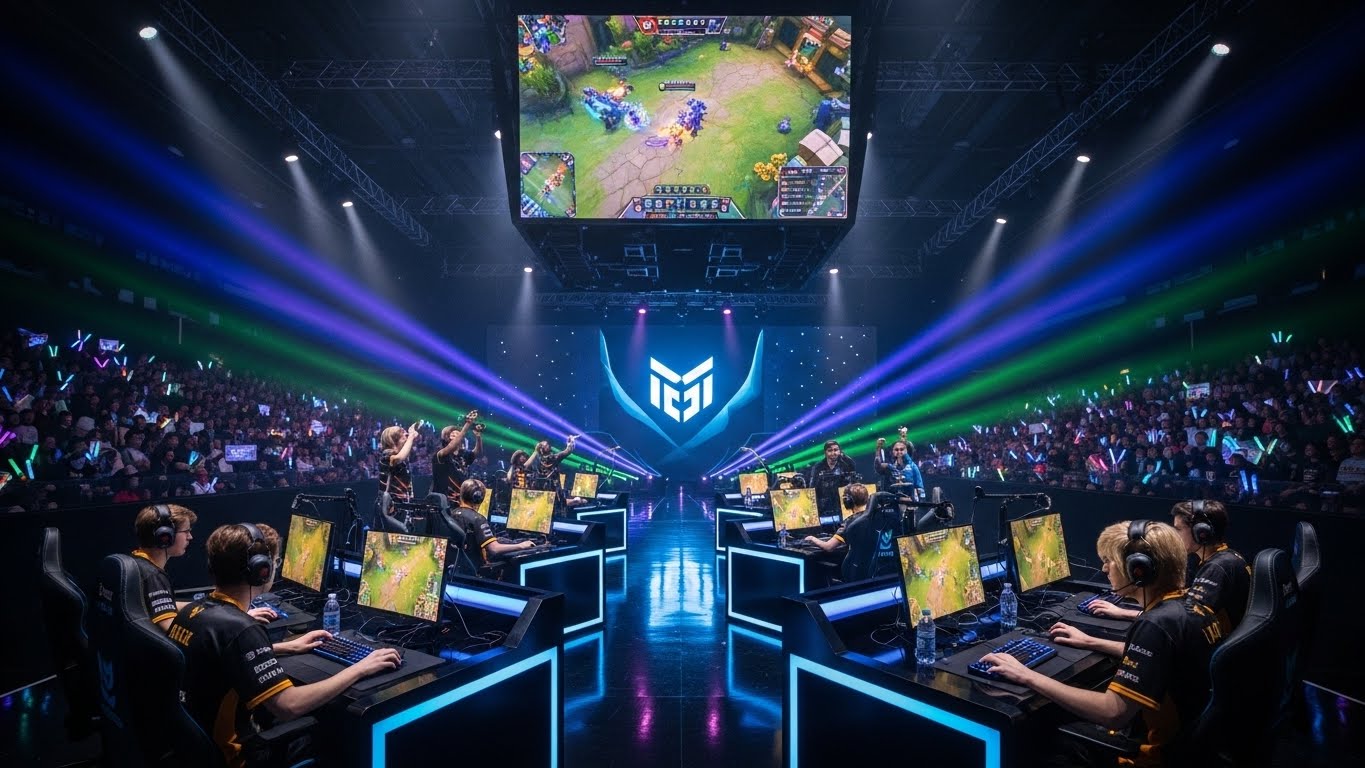
One of the defining features of modern esports is the professionalization of the players and teams. While players in the early years were often amateurs or hobbyists, today’s competitive gamers are professionals who dedicate their lives to training and competing at the highest level. Esports organizations such as Team Liquid, Cloud9, Fnatic, and T1 have become household names, and many of these teams now operate like traditional sports franchises, with sponsorships, coaches, analysts, and performance experts.
The players themselves are often seen as celebrities in their own right, with some building massive followings on social media platforms and earning lucrative endorsement deals. Top players in games like League of Legends and Dota 2 have been able to amass wealth and fame rivaling traditional athletes.
Esports Tournaments: The Heartbeat of the Industry
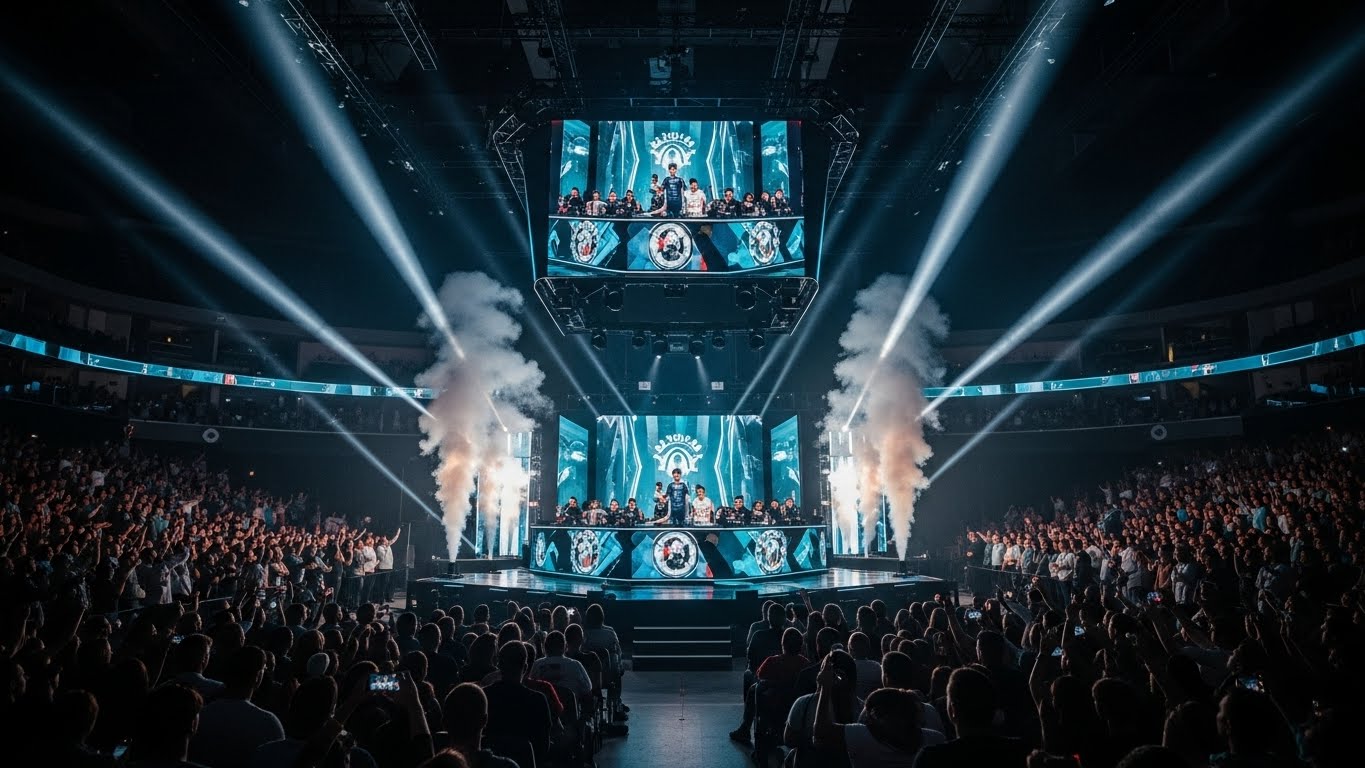
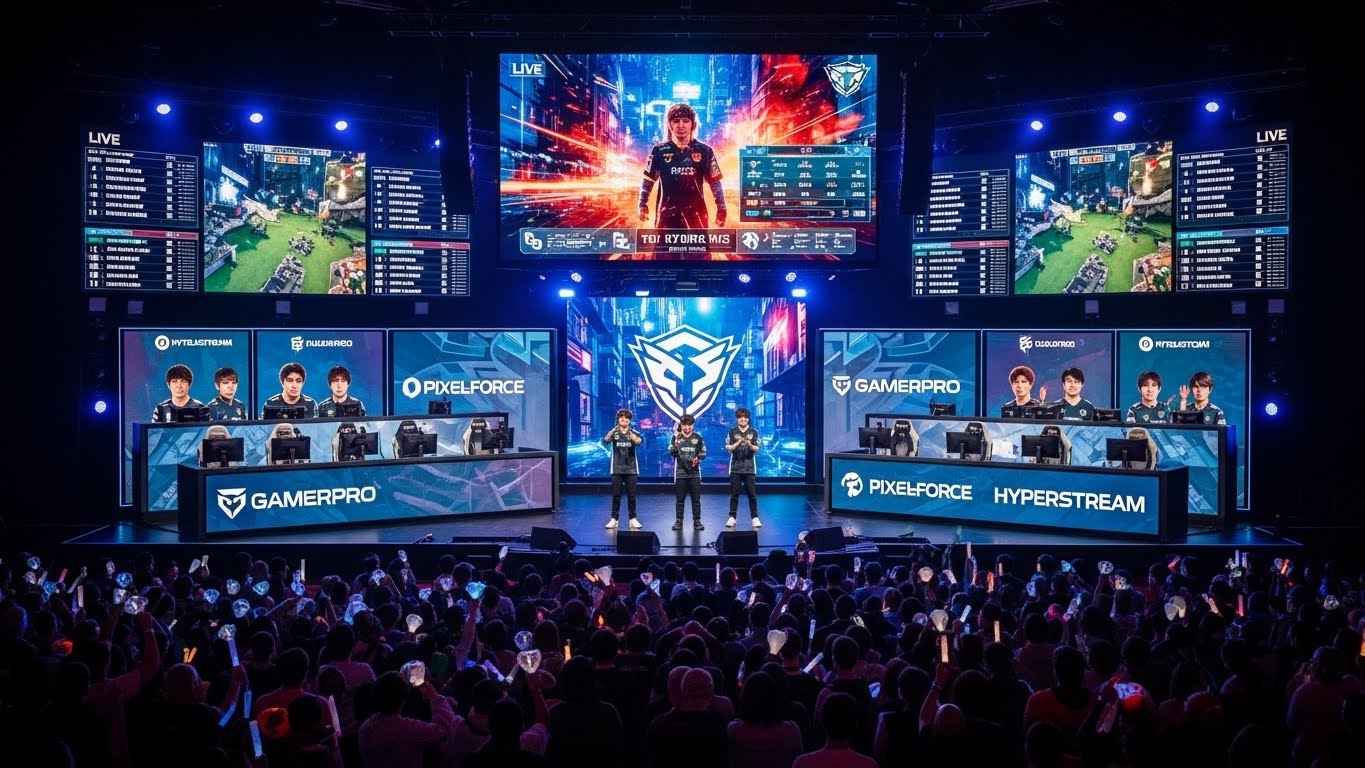
Esports tournaments are the heartbeat of the industry, drawing tens of thousands of attendees in person, while millions more watch online. These tournaments vary in scale, with some being relatively small community-run events, while others are massive, multi-million-dollar spectacles that are broadcast live to global audiences. Major tournaments, such as the League of Legends World Championship, the Intel Extreme Masters (IEM), the CS:GO Major Championships, and the Dota 2 International, have become annual events that fans eagerly await.
The structure of esports tournaments typically consists of group stages, knockout rounds, and a final championship match. While the format varies depending on the game, all tournaments are designed to showcase the best teams and players in the world.
Esports Players: The Faces of Competitive Gaming
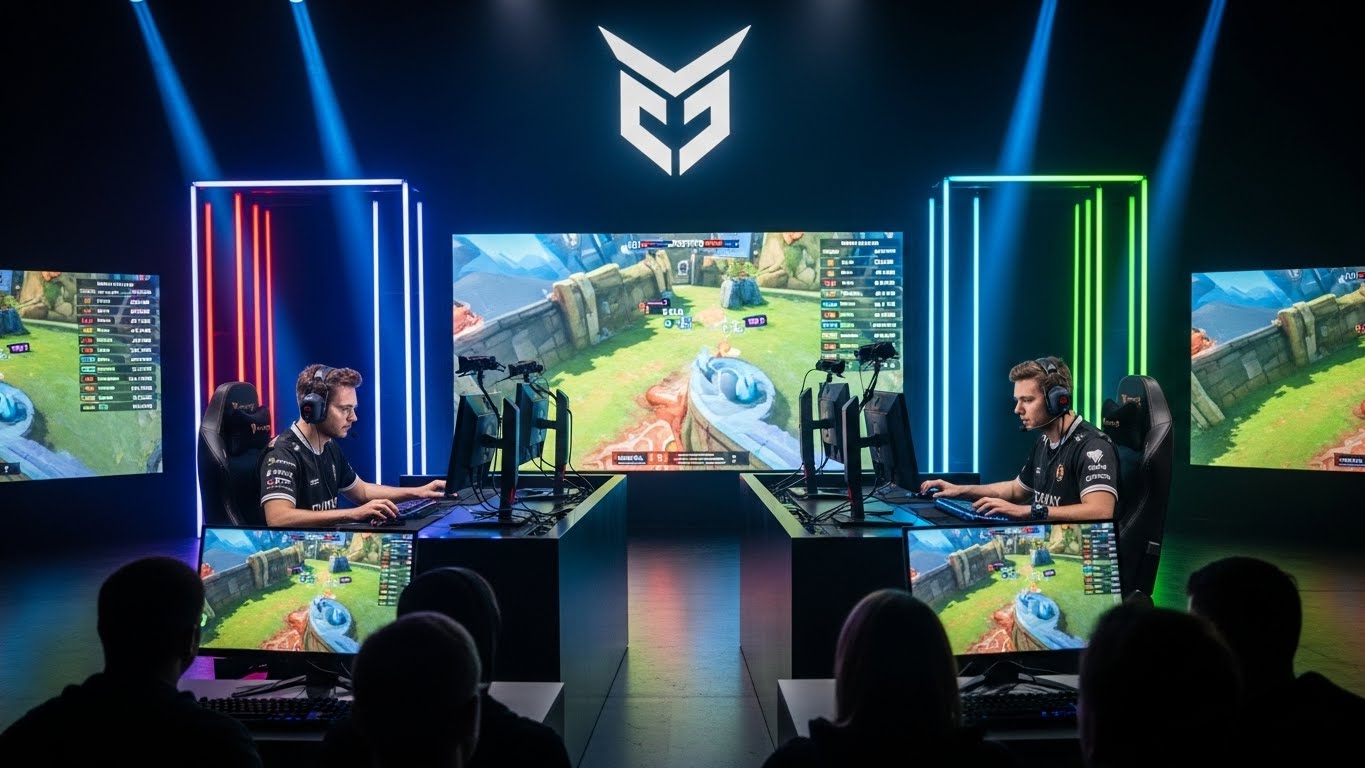
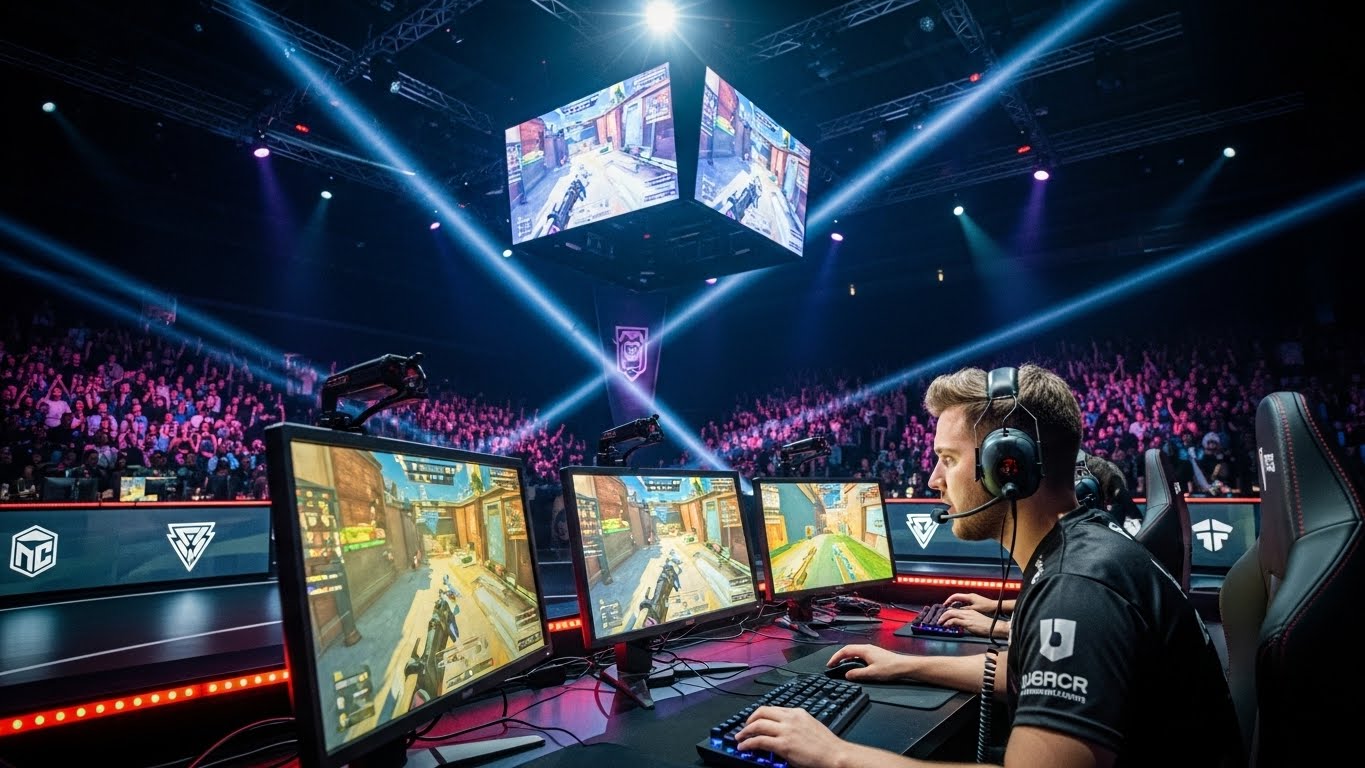
At the heart of every esports tournament are the players. Professional esports players are individuals who possess incredible skill, dedication, and a deep understanding of the games they play. To reach the highest levels of competition, players must train for hours every day, practice with their team, and continuously refine their strategies to stay ahead of the competition.
While esports players may not receive the same level of mainstream recognition as traditional athletes, they are no less talented or dedicated. Players like Lee “Faker” Sang-hyeok, Johan “N0tail” Sundstein, and Kenny “kennyS” Schrub have become legends within the esports community, earning respect for their gameplay and contributions to the industry.
Esports as a Spectator Sport: The Rise of Streaming and Viewership
The Impact of Streaming Platforms
One of the key factors behind the rise of esports is the advent of streaming platforms. Websites like Twitch, YouTube Gaming, and Facebook Gaming have allowed esports events to be broadcast to millions of viewers in real-time. These platforms have become the primary way for fans to engage with their favorite teams and players, allowing them to watch live events, interact with commentators, and even chat with other fans.
Twitch, in particular, has played a massive role in the success of esports. The platform allows players to stream their gameplay directly to fans, building a community around specific games and personalities. Through Twitch, some players have been able to achieve celebrity status, with streamers like Ninja, Shroud, and Pokimane attracting millions of followers.
The popularity of these streaming platforms has not only expanded the reach of esports but also created a new form of content creation that blends entertainment, gaming, and live interaction.
Esports Viewership: Bigger Than Ever
Esports viewership has been growing rapidly over the years. Major tournaments regularly attract millions of online viewers, with the League of Legends World Championship consistently breaking records for concurrent viewership. In 2019, the event attracted over 100 million viewers globally, surpassing traditional sports events like the Super Bowl in terms of viewership.
Additionally, esports has cultivated a unique fan culture. Fans engage not only with the games but with the players, coaches, and teams. The relationships between players and their fanbases have become deeper and more personal, with live chats, social media interactions, and fan meetups further solidifying the connection between esports figures and their followers.
The Future of Esports: Growth, Challenges, and Opportunities
The Ongoing Growth of Esports
As we look to the future, it’s clear that esports is only going to continue growing. With more investment pouring into the industry, new games entering the competitive scene, and larger sponsorships, esports is on track to become a staple in the global entertainment industry. The Olympic Games have even expressed interest in incorporating esports into their lineup, which could further legitimize competitive gaming on a global scale.
The rise of new technologies, such as virtual reality (VR) and augmented reality (AR), could also change the landscape of esports. VR gaming has the potential to create immersive, next-level competitive experiences, and esports events may become even more interactive and engaging in the coming years.
Challenges Faced by Esports
Despite its impressive growth, esports faces several challenges. One of the primary issues is the lack of regulation and standardization. While traditional sports have long-established governing bodies, esports remains fragmented, with various tournament organizers, game developers, and teams operating independently. This has led to inconsistencies in tournament rules, player contracts, and the overall structure of the industry.
Additionally, there is a growing concern about the physical and mental well-being of esports players. The intense pressure of competing at the highest level, coupled with long hours of practice and the risk of injury (especially in terms of repetitive strain injuries), has sparked debates about the health implications for players.
Conclusion: The Lasting Impact of Esports
Esports has come a long way from its humble beginnings, transforming into a multi-billion-dollar industry with global appeal. The rise of streaming platforms, the professionalization of players and teams, and the increasing viewership have all contributed to esports’ success. Despite the challenges it faces, the future of esports looks bright, with the potential for further growth, technological advancements, and widespread recognition.
Esports is no longer just a pastime for gamers; it’s a legitimate sport and an integral part of the entertainment industry. As more people become aware of its value, esports will continue to influence pop culture and change the way we think about competitive entertainment. The rise of esports marks the beginning of a new era in gaming, one where players, teams, and fans come together to create a global, dynamic, and ever-evolving phenomenon.