championstream42
Introduction: Esports – A New Era of Competitive Entertainment
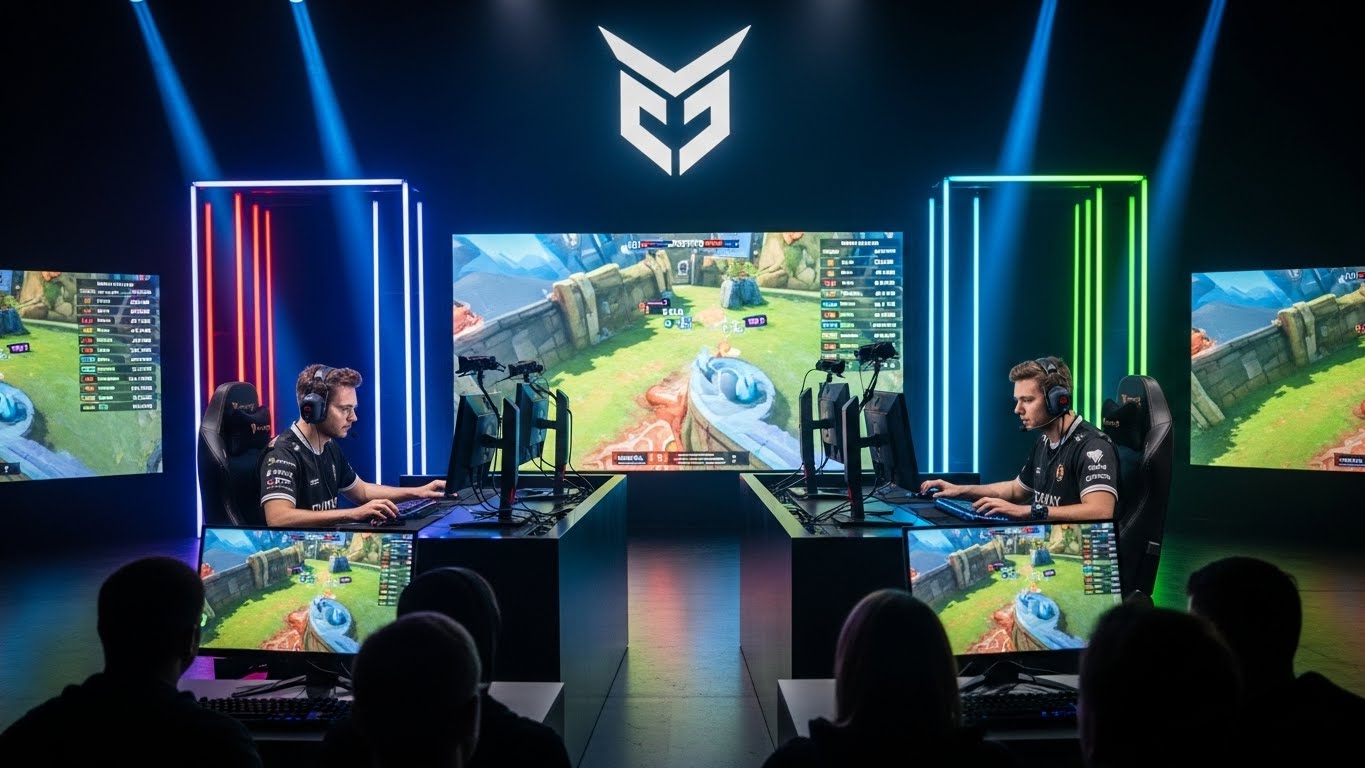
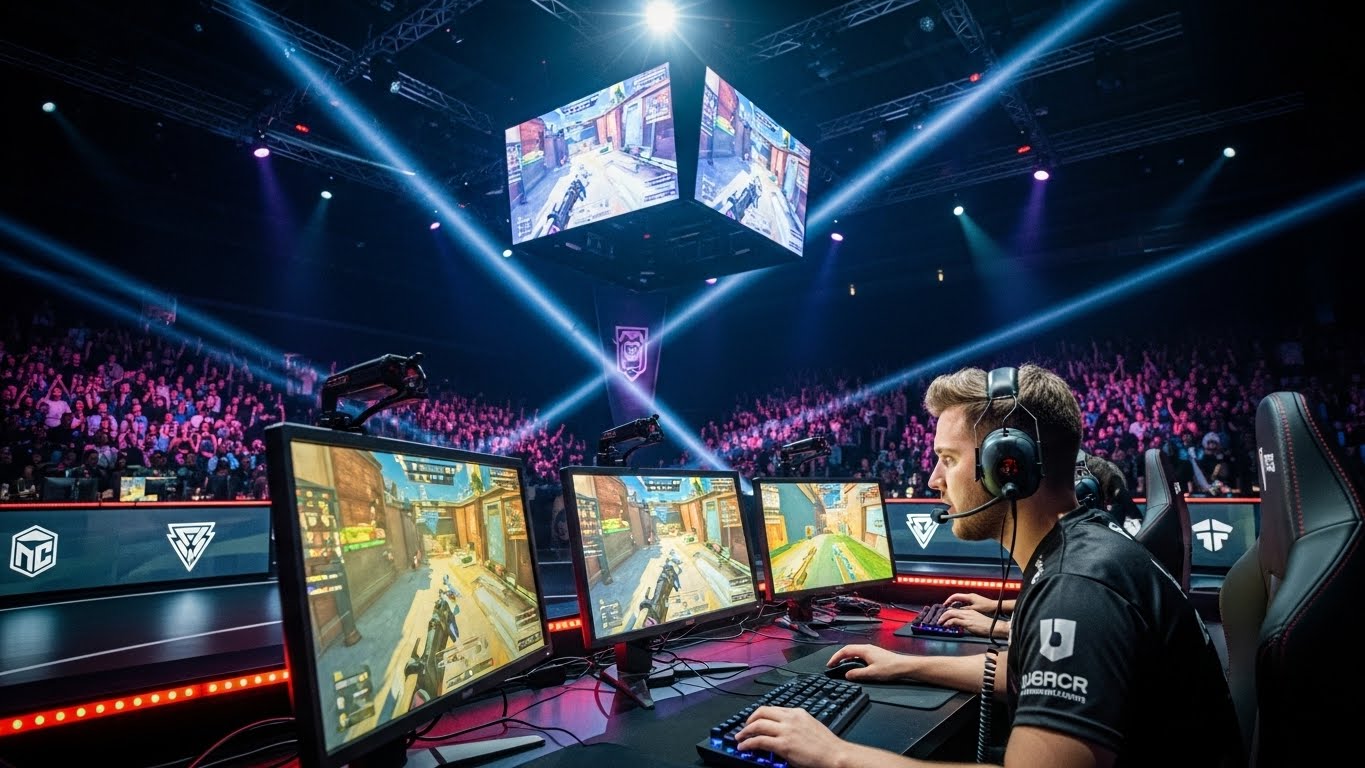
The world of competitive gaming has evolved beyond a niche hobby into a global phenomenon, and Esports is at the heart of this transformation. Esports, short for electronic sports, refers to the competitive world of video gaming, where professional players, teams, and organizations compete at the highest levels for cash prizes, global recognition, and the ultimate bragging rights.
While gaming was initially viewed as a pastime or casual hobby, Esports has redefined how millions of people engage with video games, turning them into a legitimate sport, with massive tournaments, live streaming events, and fan-driven communities. The rise of Esports has transformed the gaming landscape in ways that would have been hard to imagine just a decade ago.
In this blog post, we will explore the rapid rise of Esports, the factors driving its growth, its impact on the entertainment industry, and what the future holds for competitive gaming.
The Origins of Esports
To understand the rise of Esports, it is essential to look at its roots. Esports as a concept has been around since the early days of gaming, but it wasn’t until the 1990s that competitive gaming began to take shape in a more organized fashion.
The first major Esports tournament took place in 1997 when Red Annihilation, a tournament for the game Quake, attracted players from around the globe. This was a pivotal moment, as it showcased the potential for gaming competitions to bring together talented players and large audiences. In the following years, various tournaments for games like StarCraft, Warcraft III, and Counter-Strike helped shape the foundation of competitive gaming.
By the mid-2000s, the rise of online multiplayer games, such as World of Warcraft and League of Legends, further accelerated the growth of Esports. These games allowed players to compete in a shared online space, making it easier to organize and participate in global competitions.
Esports continued to gain momentum in the 2010s, fueled by the rise of streaming platforms like Twitch, YouTube Gaming, and Mixer. These platforms allowed fans to watch live broadcasts of Esports events, providing a level of accessibility and visibility that had previously been impossible for a competitive scene.
The Major Esports Games
One of the most significant factors driving the rise of Esports is the popularity of the games themselves. Several key titles have become household names, dominating the competitive gaming scene and helping to establish Esports as a legitimate industry.
1. League of Legends (LoL)
Released in 2009 by Riot Games, League of Legends quickly became the cornerstone of the Esports world. It is a multiplayer online battle arena (MOBA) game where players control champions with unique abilities and compete to destroy the enemy team’s Nexus, the core building located in their base. The game’s strategic depth, fast-paced action, and accessibility to new players made it a favorite among Esports enthusiasts.
The League of Legends World Championship (also known as Worlds) has become one of the largest and most prestigious tournaments in Esports. With millions of viewers across the globe, it is often compared to traditional sports tournaments like the Super Bowl or the FIFA World Cup. Riot Games has invested heavily in creating a competitive ecosystem, including regional leagues and robust player development systems, making LoL one of the leading titles in Esports.
2. Dota 2
Another iconic Esports title is Dota 2, developed by Valve. Like League of Legends, it is a MOBA game, but with its own unique mechanics and deeper strategic complexity. Dota 2 boasts the largest Esports prize pool in history through its annual The International tournament, with prize pools sometimes exceeding $40 million. The game is known for its intense level of competition, and it attracts a dedicated fanbase that is passionate about the intricacies of the game.
3. Counter-Strike: Global Offensive (CS: GO)
Counter-Strike: Global Offensive (CS: GO), a first-person shooter (FPS), has long been a staple in the competitive gaming scene. Since its release in 2012, it has become one of the most popular Esports titles, with tournaments held around the world, featuring some of the best teams in FPS gaming. The game’s simple yet deeply strategic mechanics, where two teams of five players compete in either terrorist or counter-terrorist roles, have made it a mainstay in Esports competitions.
4. Fortnite
Released in 2017 by Epic Games, Fortnite revolutionized the battle royale genre and quickly became an Esports powerhouse. What set Fortnite apart from other battle royale games was its building mechanics, allowing players to construct structures as they fight. Epic Games’ massive investments in the game’s competitive scene, such as the Fortnite World Cup, where players can win millions of dollars, have solidified Fortnite as a leading title in Esports. Its accessibility to a wide audience and massive player base have contributed to its success.
5. Overwatch
Blizzard Entertainment’s Overwatch brought a fresh perspective to the FPS genre with its team-based, objective-driven gameplay and colorful, diverse cast of characters. Since its release in 2016, Overwatch has built a strong competitive community, leading to the creation of the Overwatch League (OWL), a professional Esports league with city-based teams, similar to traditional sports leagues like the NBA or NFL.
The Growth of Esports as a Global Industry
Esports has grown significantly not just in terms of players, but also in the sheer size of the industry itself. From the early days of small local tournaments to the grandeur of modern Esports arenas and multi-million dollar sponsorships, the sector has exploded into a billion-dollar industry.
1. Esports as a Spectator Sport
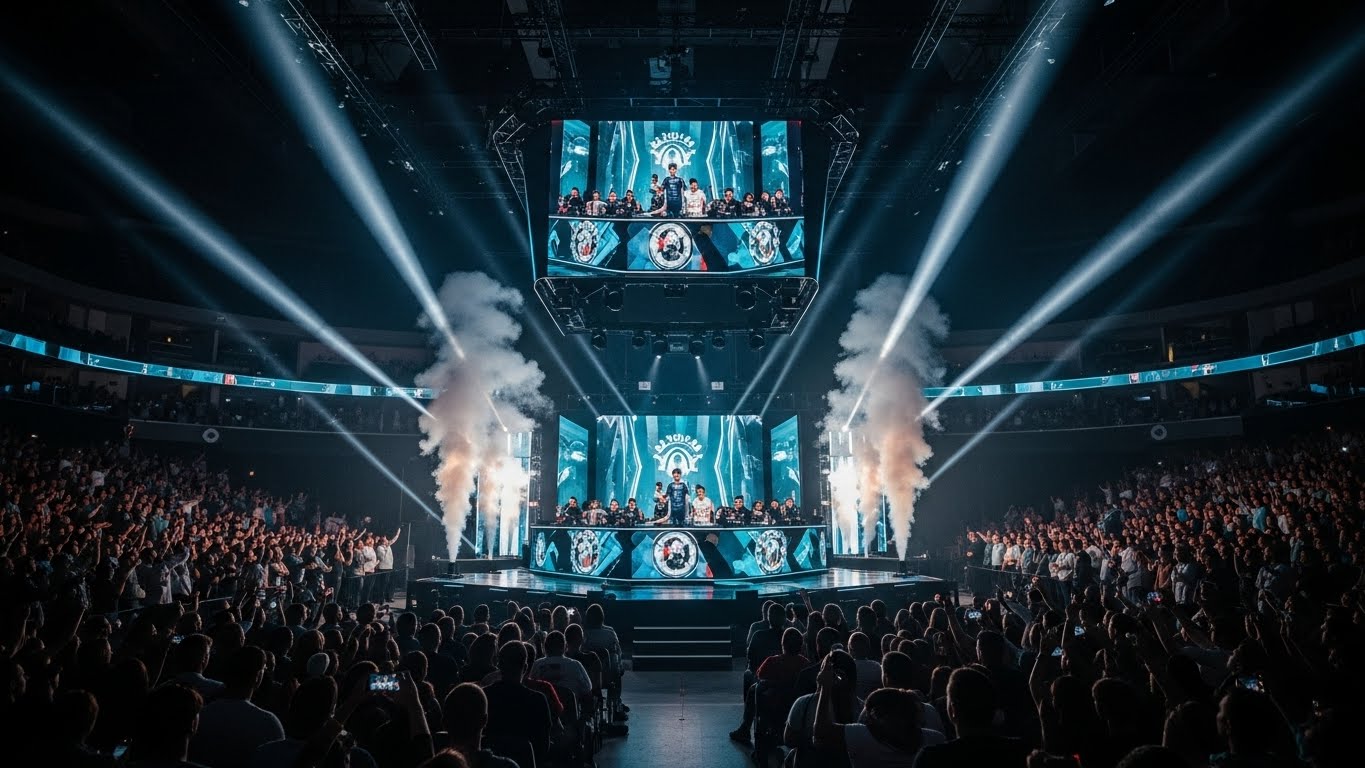
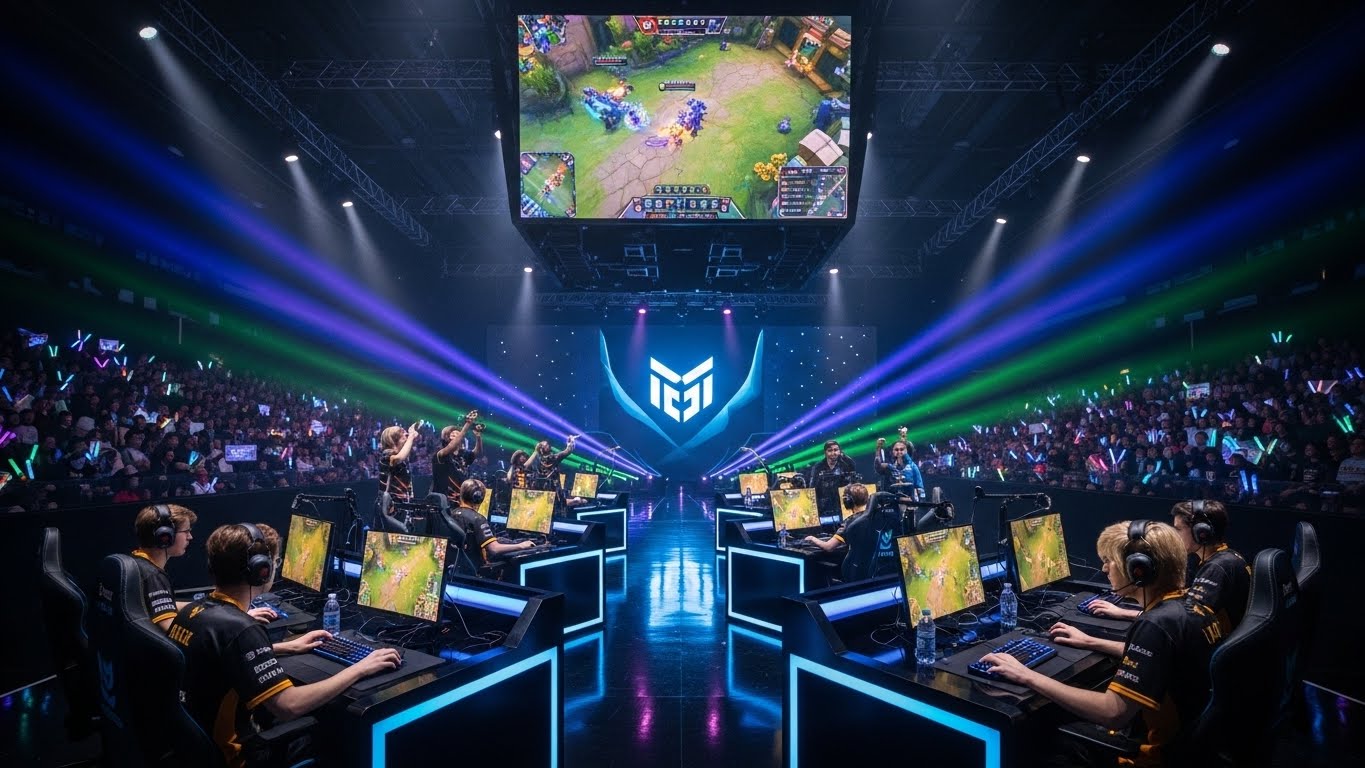
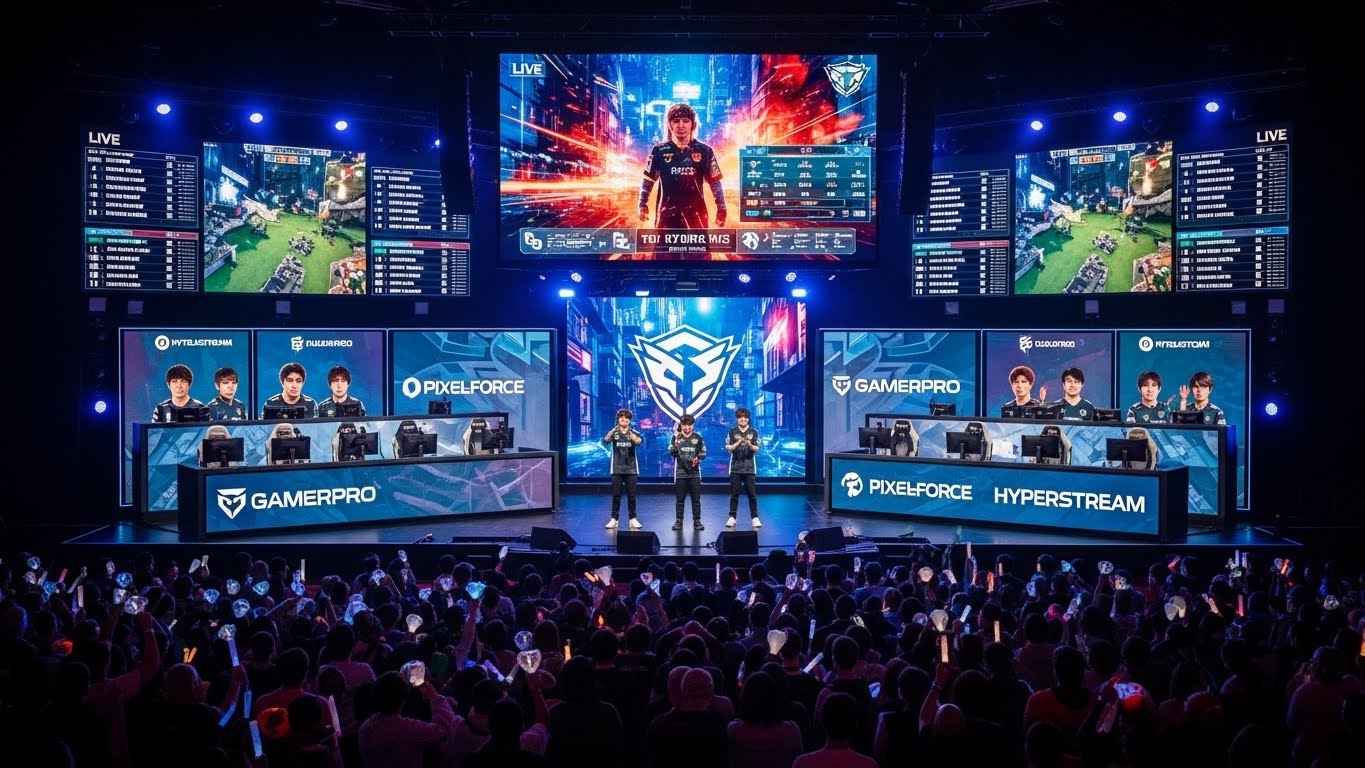
One of the defining features of Esports is its ability to engage audiences. As gaming became more competitive, it attracted a spectator base, much like traditional sports. Streaming platforms like Twitch and YouTube Gaming provide fans with the ability to watch live matches, interact with players, and engage with other fans. Esports events often draw tens of millions of viewers, with some tournaments being broadcast in stadiums that rival the scale of sports arenas.
Major Esports tournaments like the League of Legends World Championship or The International are broadcast in multiple languages, with live commentary, analysis, and hype-building in a format that is designed to be entertaining for viewers. This has helped Esports become a global phenomenon, with fans from all around the world tuning in to watch the action.
2. Sponsorships and Partnerships
Sponsorship deals have become a significant revenue stream for Esports organizations, with major brands investing heavily in the scene. Companies like Coca-Cola, Intel, Red Bull, and Mercedes-Benz are just a few of the high-profile sponsors that have partnered with Esports events and teams. These sponsorships help fund tournaments, prize pools, and player salaries, allowing Esports organizations to continue growing and providing a platform for emerging talent.
The involvement of major corporations has also helped to legitimize Esports as a form of entertainment that appeals to a broad audience. These partnerships have also contributed to the professionalization of Esports, ensuring that players, coaches, and organizations have the resources needed to compete at the highest levels.
3. Esports Media and Broadcasting
Another significant factor in Esports’ rise has been the development of media rights deals and broadcasting platforms. The increasing popularity of Esports has led to partnerships with traditional media outlets, such as ESPN, Fox Sports, and Turner Broadcasting, which have begun to air Esports tournaments and events. This has brought Esports into the mainstream media, attracting more casual viewers who may not have initially been interested in gaming.
Furthermore, platforms like Twitch, YouTube, and Facebook Gaming have revolutionized the way fans consume Esports content. These platforms allow fans to watch live matches, interact with players, and even influence the broadcast through chat and other features.
Esports and the Changing Face of Traditional Sports
While Esports is a burgeoning industry, it is also beginning to have an impact on traditional sports. The growing popularity of Esports has led to increased interest from traditional sports organizations, including major leagues like the NBA, NFL, and European football clubs. Some traditional sports franchises have even created their own Esports teams, entering the competitive gaming world and bridging the gap between the two industries.
Esports and traditional sports share many similarities, including the need for teamwork, strategy, and individual skill. Esports also provides a new form of entertainment for fans, who can watch thrilling, high-stakes competitions on platforms that are accessible to a global audience.
The increasing overlap between Esports and traditional sports is also visible in the rise of collegiate Esports programs, where universities and colleges offer scholarships to talented gamers, similar to traditional athletic scholarships. This has further validated Esports as a legitimate form of competition and entertainment.
The Future of Esports
Looking ahead, the future of Esports appears bright. As technology continues to advance, the possibilities for Esports will only increase. Virtual reality (VR), augmented reality (AR), and artificial intelligence (AI) are all technologies that could reshape the future of competitive gaming, creating new experiences for players and viewers alike.
Moreover, the global growth of Esports is expected to continue, with more regions embracing competitive gaming. Countries like China, South Korea, and the United States are already home to massive Esports markets, but emerging markets in regions like Southeast Asia, Latin America, and Africa are beginning to show a growing interest in competitive gaming.
Esports could also see the development of new genres, with innovative game mechanics, cross-platform competitions,