championstream42
Esports, short for electronic sports, has transcended its roots as a niche hobby and has evolved into one of the fastest-growing industries globally. From its humble beginnings in the late 1990s to its current position as a multi-billion-dollar industry, esports has captured the attention of millions of players, fans, and investors alike. This blog post explores the key elements that have contributed to the growth of esports, its cultural significance, and what the future holds for this exciting new form of competition.
The Rise of Esports: A Brief Overview
Esports began as a subculture of gaming enthusiasts who competed against each other in multiplayer games, primarily in LAN (Local Area Network) settings. In the early days, these competitions were relatively small-scale, often held in living rooms or at gaming centers, where players came together to battle it out in games like StarCraft and Quake.
However, the real turning point for esports came in the early 2000s, as internet access became more widespread and high-speed connections became the norm. Titles like Warcraft III and Counter-Strike helped bring esports into the public consciousness. As the internet allowed players from around the world to compete against one another in real-time, the competitive scene began to flourish.
By the mid-2010s, esports had become a global phenomenon. With the rise of streaming platforms such as Twitch and YouTube, fans could now watch their favorite players in action. Major game developers like Riot Games, Blizzard Entertainment, and Valve Corporation began to build structured competitive leagues, offering prize money, sponsorships, and opportunities for players to turn their passion into a career.
Today, esports is no longer a fringe activity. It has grown into a major entertainment industry, drawing in millions of viewers worldwide, creating job opportunities for players, coaches, analysts, broadcasters, and other roles, and attracting massive investments from both traditional sports organizations and tech giants.
The Key Elements Behind Esports’ Success
Several factors have contributed to the meteoric rise of esports. These elements have not only shaped the industry but have also ensured that esports remains a vibrant and dynamic part of the global entertainment landscape.
1. Accessibility and Digital Platforms
One of the primary reasons behind esports’ success is the accessibility of online multiplayer games and digital streaming platforms. Games like League of Legends, Dota 2, Fortnite, and Counter-Strike: Global Offensive are free-to-play or have relatively low barriers to entry, making them accessible to a wide range of players. Players from different countries and backgrounds can compete against each other from the comfort of their own homes.
Streaming platforms such as Twitch, YouTube Gaming, and Facebook Gaming have further democratized the esports ecosystem. Not only can players participate in tournaments and competitions, but they can also become streamers and content creators. This democratization has created a vibrant ecosystem where anyone, anywhere, can rise to prominence if they have the skill, dedication, and personality to attract an audience.
2. Professionalization and Infrastructure
Another key factor in the growth of esports is the professionalization of the scene. What was once a hobby for a select group of players has now become a career for many. Professional esports organizations, similar to traditional sports teams, have been established across a wide variety of games. These teams often have coaches, analysts, and support staff to help players hone their skills and improve their performance.
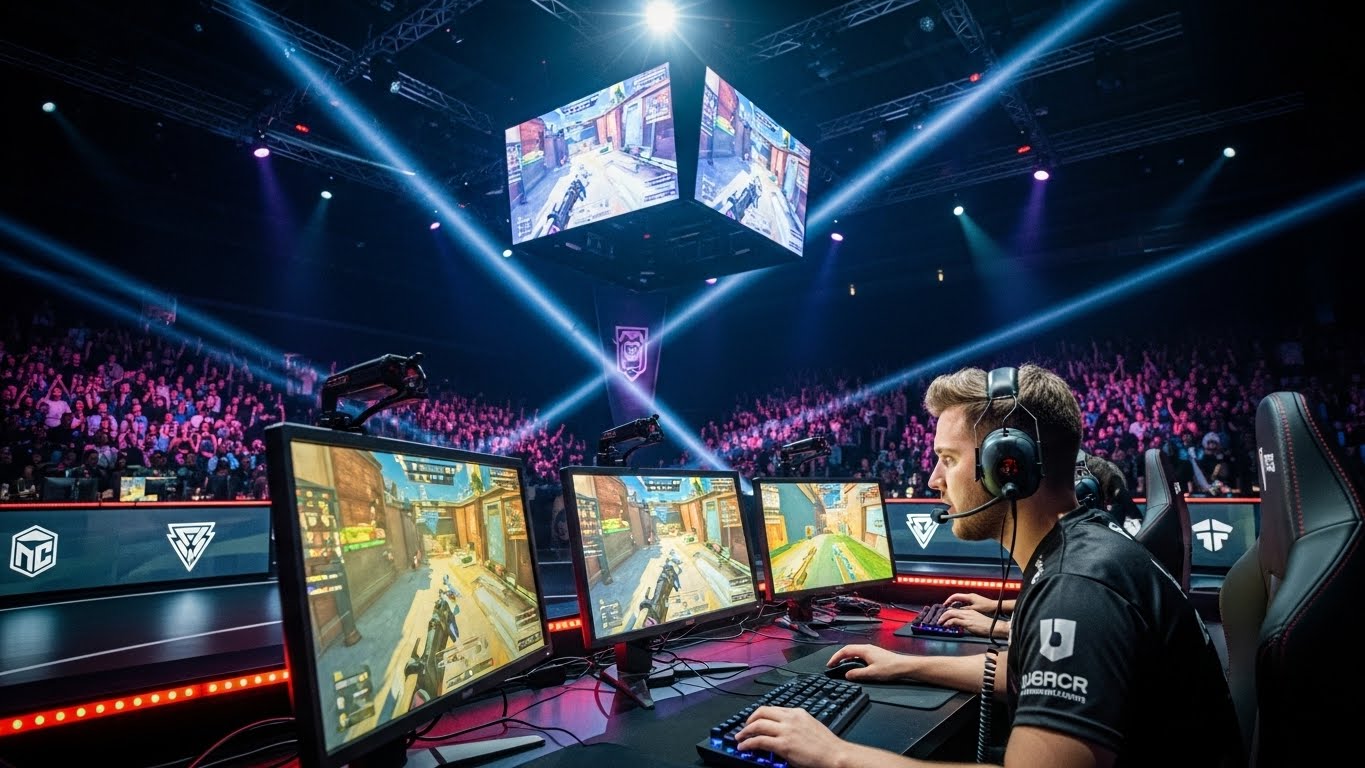
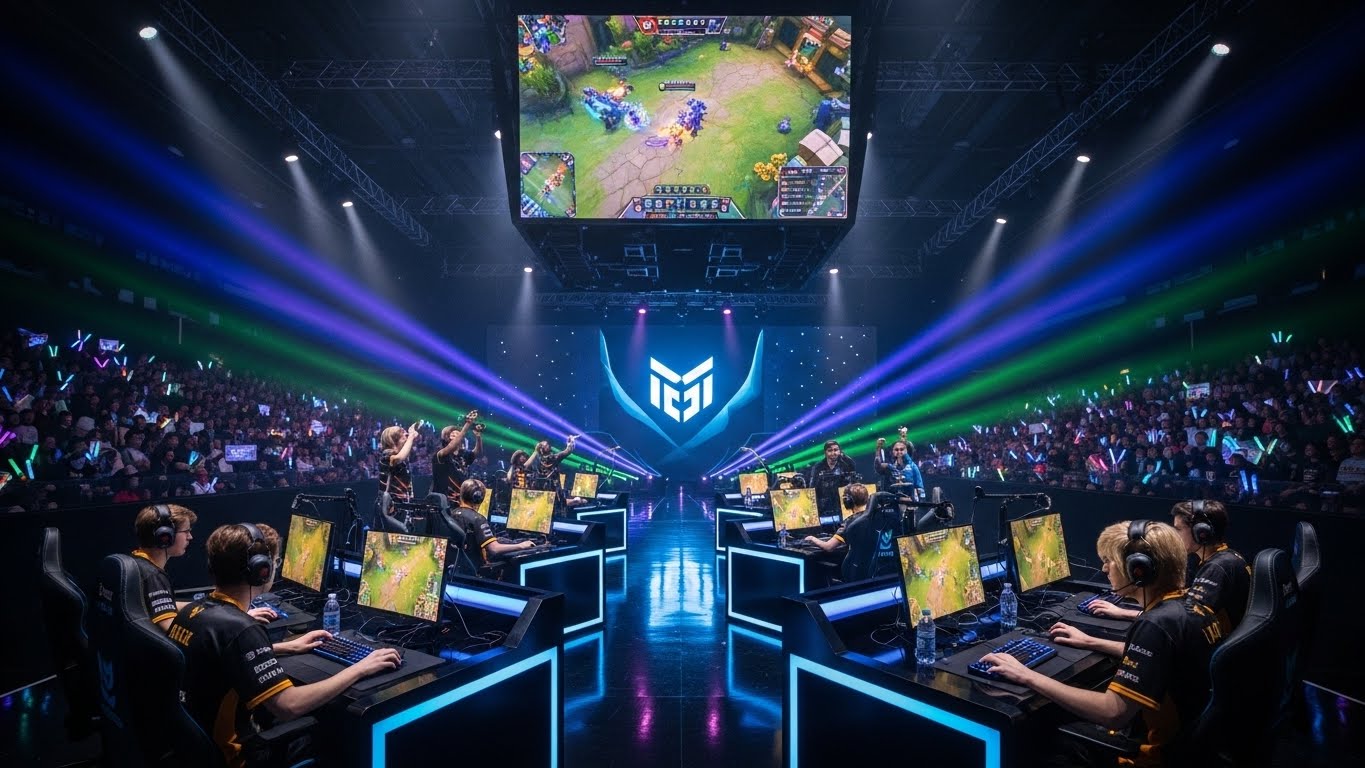
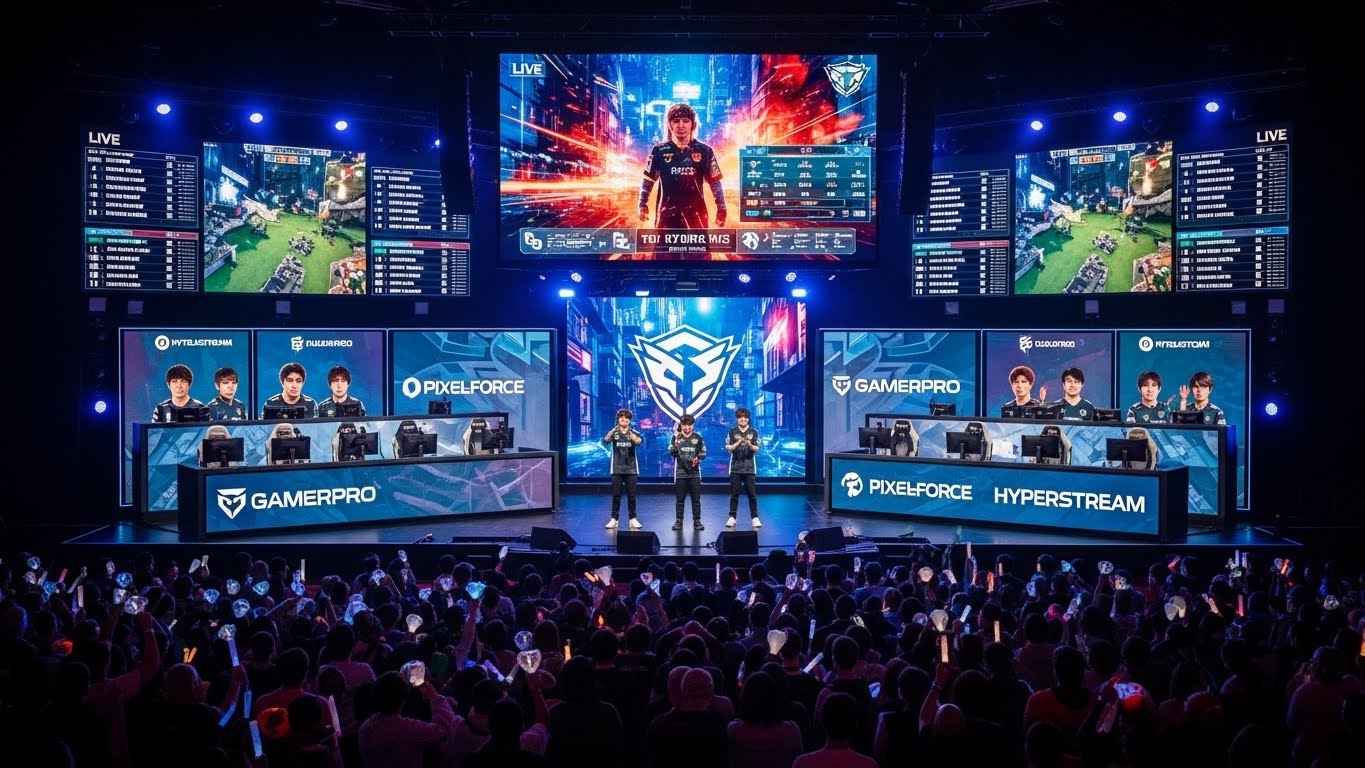
Moreover, major tournaments and leagues have emerged, such as the League of Legends World Championship, The International (for Dota 2), and Overwatch League. These events are not only significant milestones for players but have become large-scale spectacles that draw in hundreds of thousands of live spectators and millions of online viewers.
Esports organizations now operate under strict contracts, offering salaries, bonuses, and sponsorship deals to players. This shift towards professionalization has created an environment where players can focus on their craft and become highly skilled competitors. The infrastructure surrounding esports, including broadcasting networks, media rights, and merchandise sales, has turned it into a multi-billion-dollar industry that rivals traditional sports in terms of revenue potential.
3. The Appeal of Competition and Entertainment
At its core, esports is about competition. Video games allow players to test their skills against one another in real-time, and this competitive nature taps into a primal desire to prove oneself. What sets esports apart from traditional sports is the level of strategy and precision required in many of the games. Unlike games like football or basketball, which require physical prowess, esports focuses on mental agility, quick decision-making, and teamwork.
The entertainment value of esports is another factor that has contributed to its success. Major tournaments are broadcast live, complete with professional commentary, analysis, and post-match interviews. Fans are not just watching gameplay; they are also following the stories of individual players, teams, and rivalries. Esports shares much of the drama, excitement, and emotion that fans of traditional sports experience, with the added bonus of being accessible to a global audience.
4. The Role of Sponsorships and Advertisers
As esports has grown, so too has its appeal to advertisers and sponsors. In the early days, sponsors were primarily limited to gaming hardware companies, such as those producing high-performance PCs, peripherals, and accessories. However, as the industry matured, major brands from a wide range of sectors, including food and beverage, apparel, automotive, and even finance, began to take an interest in esports.
Large-scale tournaments like The International (Dota 2) and the League of Legends World Championship now attract sponsorships from global companies such as Coca-Cola, Intel, Red Bull, and Audi. These sponsorships provide crucial financial support for the teams, players, and event organizers, allowing them to continue pushing the boundaries of what esports can achieve. The influx of money from sponsorships also ensures that esports will continue to grow, with prize pools reaching tens of millions of dollars for major tournaments.
5. Cultural Shifts and Youth Engagement
Another significant factor in the rise of esports is the changing attitudes toward gaming in society. In the past, video games were often seen as a solitary, isolating activity. Today, however, gaming has become a social activity, with players coming together online to form communities, build friendships, and compete.
This shift has been particularly apparent among younger generations. According to studies, a large percentage of Gen Z and millennial individuals engage in gaming on a regular basis, either casually or competitively. This cultural shift has paved the way for esports to become a legitimate form of entertainment, with younger audiences flocking to esports tournaments in the same way they would watch traditional sports.
Moreover, the integration of esports into mainstream media has helped normalize it as a form of entertainment. Esports tournaments are now featured on television networks, and the recognition of esports players as legitimate athletes has grown. As a result, esports is no longer viewed as a fringe activity but rather as a valid career path for young people who have a passion for gaming.
The Future of Esports: What’s Next?
Looking ahead, the future of esports appears incredibly bright. As technology continues to advance, we can expect esports to become even more immersive, with virtual reality (VR) and augmented reality (AR) potentially playing a significant role in shaping the next generation of competitive gaming.
One of the most exciting prospects is the integration of esports into traditional sports. Already, some professional sports teams have ventured into the esports space, establishing their own esports divisions and recruiting talented gamers. This trend is expected to continue, with more sports organizations seeing the value of engaging with the esports community.
Moreover, the growing popularity of mobile gaming has expanded the potential audience for esports. Games like PUBG Mobile and Mobile Legends have introduced competitive gaming to regions where console and PC gaming are less prevalent, such as Southeast Asia, Africa, and India. This global expansion will likely bring more diverse talent into the competitive scene, further strengthening the ecosystem.
Finally, esports will continue to thrive due to its dynamic and ever-changing nature. The games themselves evolve with each update, ensuring that there is always something new for players and fans to enjoy. The rapid pace of technological advancement means that esports will continue to adapt, innovate, and captivate audiences in ways we can only begin to imagine.
Conclusion: Esports as a Cultural Powerhouse
Esports is no longer just a passing trend or a niche hobby; it has become a cultural and economic powerhouse in its own right. With millions of fans, professional players, and investment pouring in from every corner of the globe, esports is firmly established as a major player in the entertainment industry.
The factors that have contributed to the growth of esports—accessibility, professionalization, competition, sponsorship, and cultural shifts—are likely to continue shaping the industry for years to come. As technology advances and new opportunities arise, esports will continue to evolve and redefine what it means to compete, entertain, and inspire. Whether you’re a casual player, a passionate fan, or a professional competitor, one thing is clear: esports is here to stay.