championstream42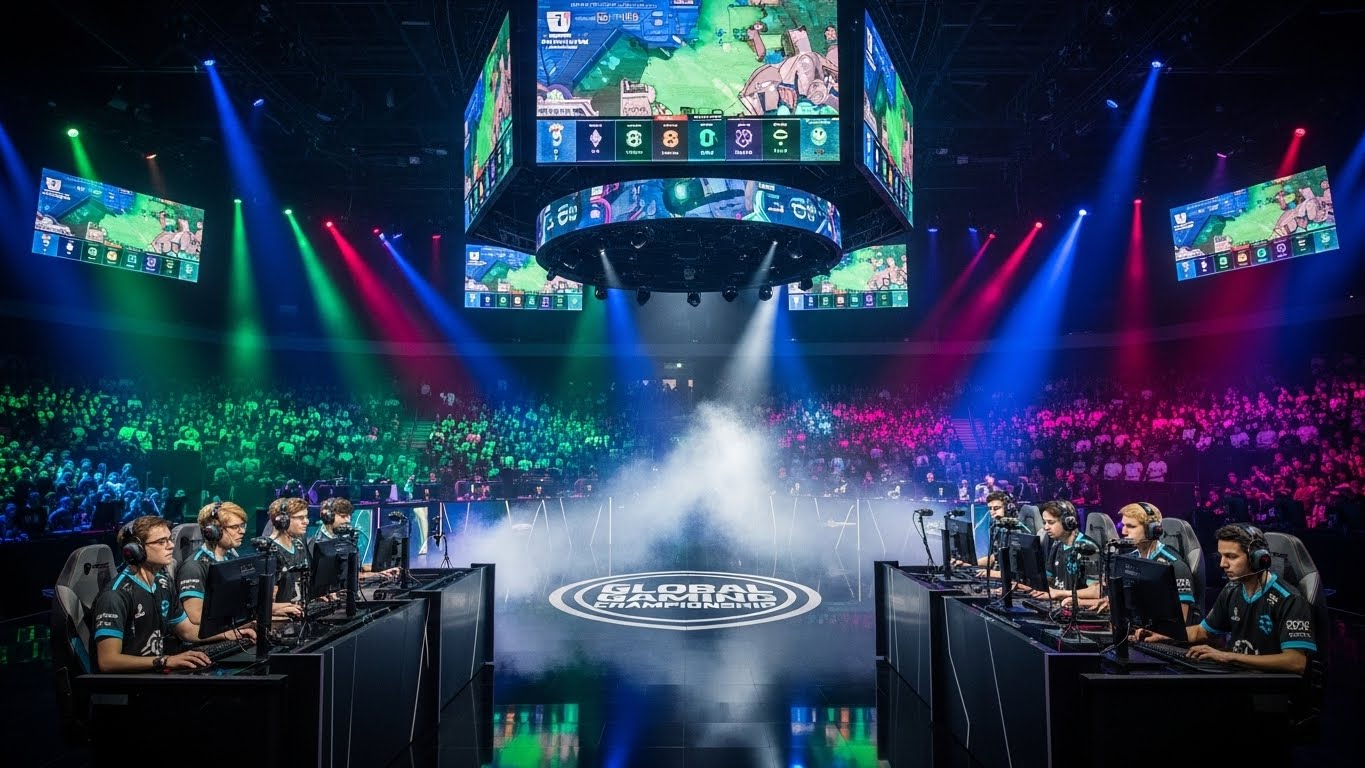
Esports, once considered a niche hobby for gamers, has undergone an extraordinary transformation over the last few decades. What started as friendly competitions between friends has grown into a billion-dollar industry with millions of fans around the world. From intense competitions in games like “League of Legends” and “Dota 2” to the rise of esports betting, streaming, and sponsorships, the world of esports has exploded in popularity. In this blog post, we’ll explore the evolution of esports, how it has become a cultural and economic force, and what the future may hold for the industry.
The Early Days of Competitive Gaming
To understand the rise of esports, we need to first look at the origins of competitive gaming. The roots of esports can be traced back to the 1970s and 1980s, when arcade games such as “Pong” and “Space Invaders” were gaining popularity. In 1980, the first-ever video game competition, the “Space Invaders Championship,” was held in the United States. Thousands of players participated, marking the beginning of competitive gaming.
However, it wasn’t until the 1990s that gaming tournaments began to take a more structured form. The release of titles such as “Street Fighter II” and “Warcraft” sparked a wave of local and regional tournaments. These events brought together passionate gamers, many of whom began to form teams and compete on a more serious level. During this time, esports was still largely underground, with a small but dedicated group of players and spectators.
The Rise of Online Gaming and the Birth of Modern Esports
The late 1990s and early 2000s were a pivotal time for esports. The widespread adoption of the internet enabled players from all around the world to connect and compete against each other in real-time. This marked the beginning of online multiplayer gaming, which would lay the foundation for the esports industry we know today.
One of the first major online gaming platforms was “Battle.net,” the online service for Blizzard’s popular strategy game “StarCraft.” “StarCraft” quickly became a major title in the competitive gaming scene, especially in South Korea, where the game became a national obsession. South Korea played a crucial role in the development of esports, as the country embraced competitive gaming with incredible enthusiasm. By the early 2000s, South Korean television networks began broadcasting esports events, and large-scale tournaments such as the “Ongamenet Starleague” (OSL) and “Proleague” attracted millions of viewers.
In addition to “StarCraft,” other games such as “Warcraft III,” “Counter-Strike,” and “Quake III Arena” became popular in the competitive gaming community. The rise of esports tournaments, online platforms like “ESL” (Electronic Sports League), and gaming-specific events such as “DreamHack” in Sweden helped establish esports as a legitimate form of competition, further laying the groundwork for the global esports phenomenon.
The Professionalization of Esports
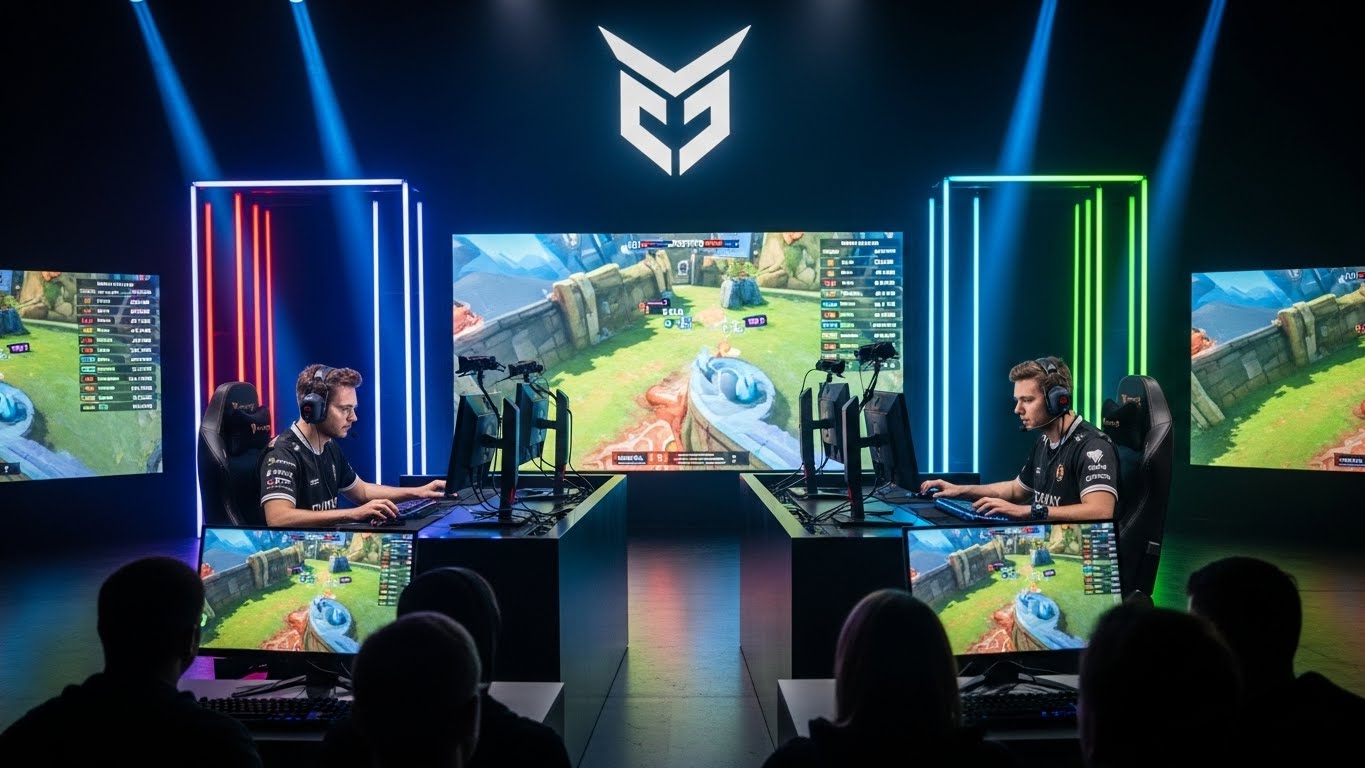
As esports continued to grow, it began to attract the attention of major investors, game developers, and sponsors. The idea of treating esports as a professional sport—complete with teams, coaches, analysts, and broadcasters—took shape in the mid-2000s.
One of the most significant milestones in the professionalization of esports came in 2011 with the creation of the “League of Legends” World Championship by Riot Games. “League of Legends” (LoL) quickly became one of the most successful and widely played esports titles in the world. The first World Championship in 2011 had a prize pool of $100,000, which seemed impressive at the time. By 2019, however, the prize pool had ballooned to over $2.5 million, and the tournament attracted millions of viewers from all over the globe.
The success of “League of Legends” was followed by the rise of other popular esports titles, such as “Dota 2,” “Counter-Strike: Global Offensive,” and “Overwatch.” These games offered a combination of skill-based gameplay, team strategies, and online multiplayer capabilities that made them perfect candidates for competitive esports.
As esports became more organized, new companies emerged that specialized in running tournaments, leagues, and events. The creation of esports organizations like Cloud9, Team Liquid, and Fnatic helped professionalize the scene even further. These teams, along with sponsorships from major companies like Intel, Red Bull, and Coca-Cola, helped to propel esports into the mainstream.
The Emergence of Esports as a Global Industry
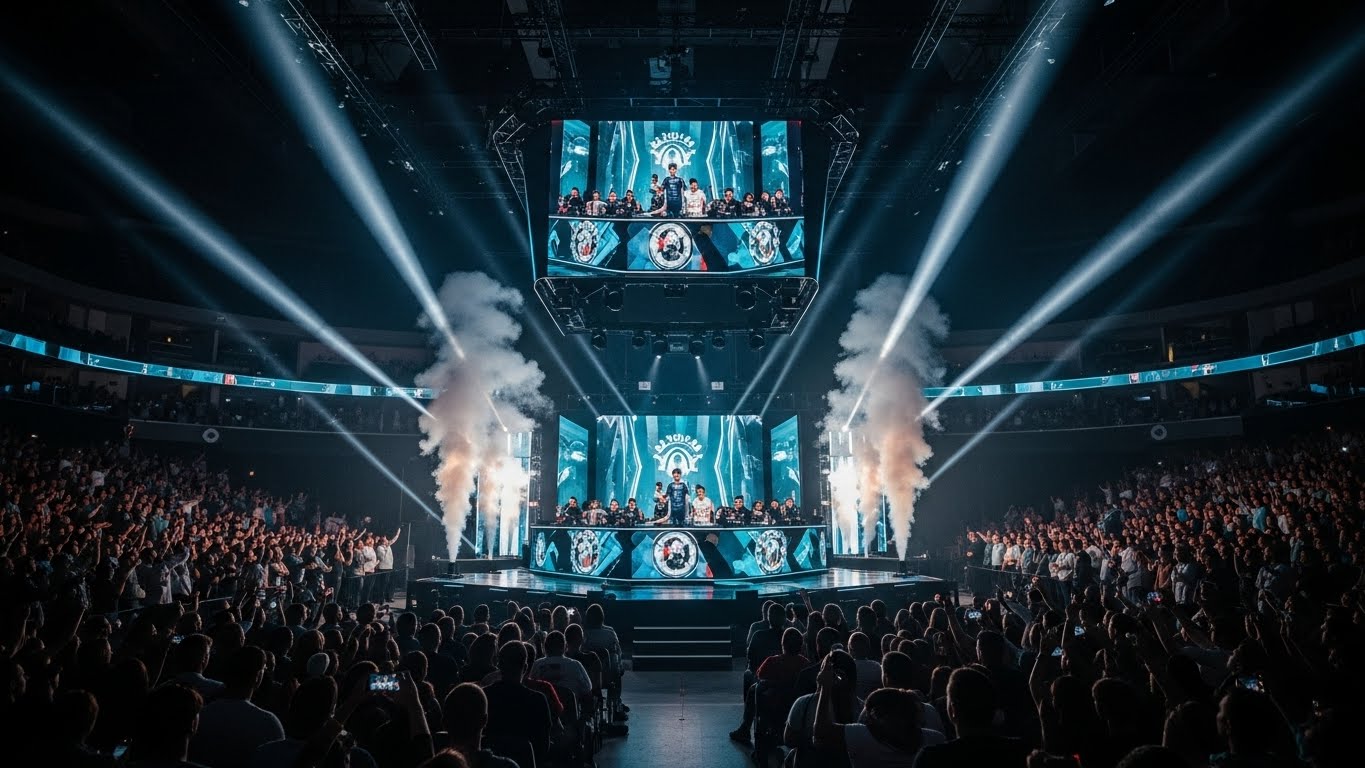
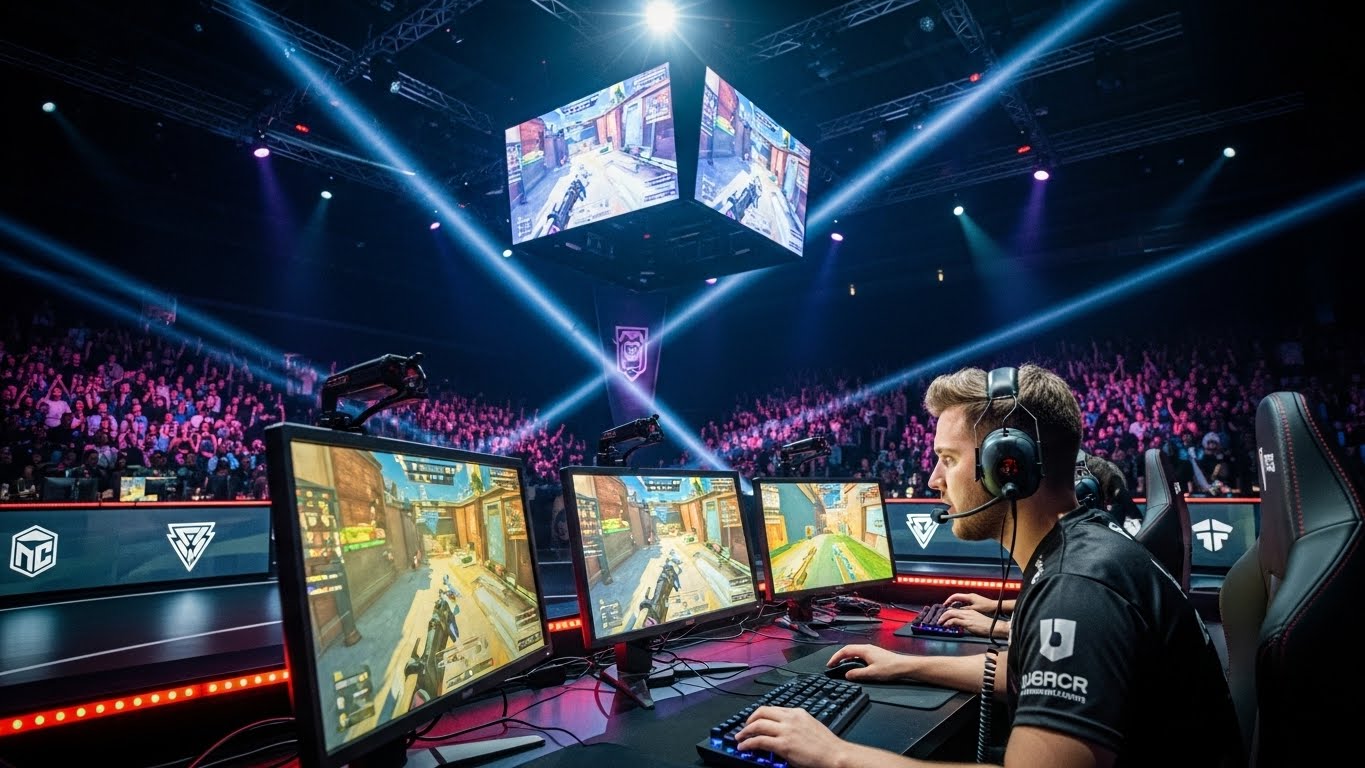
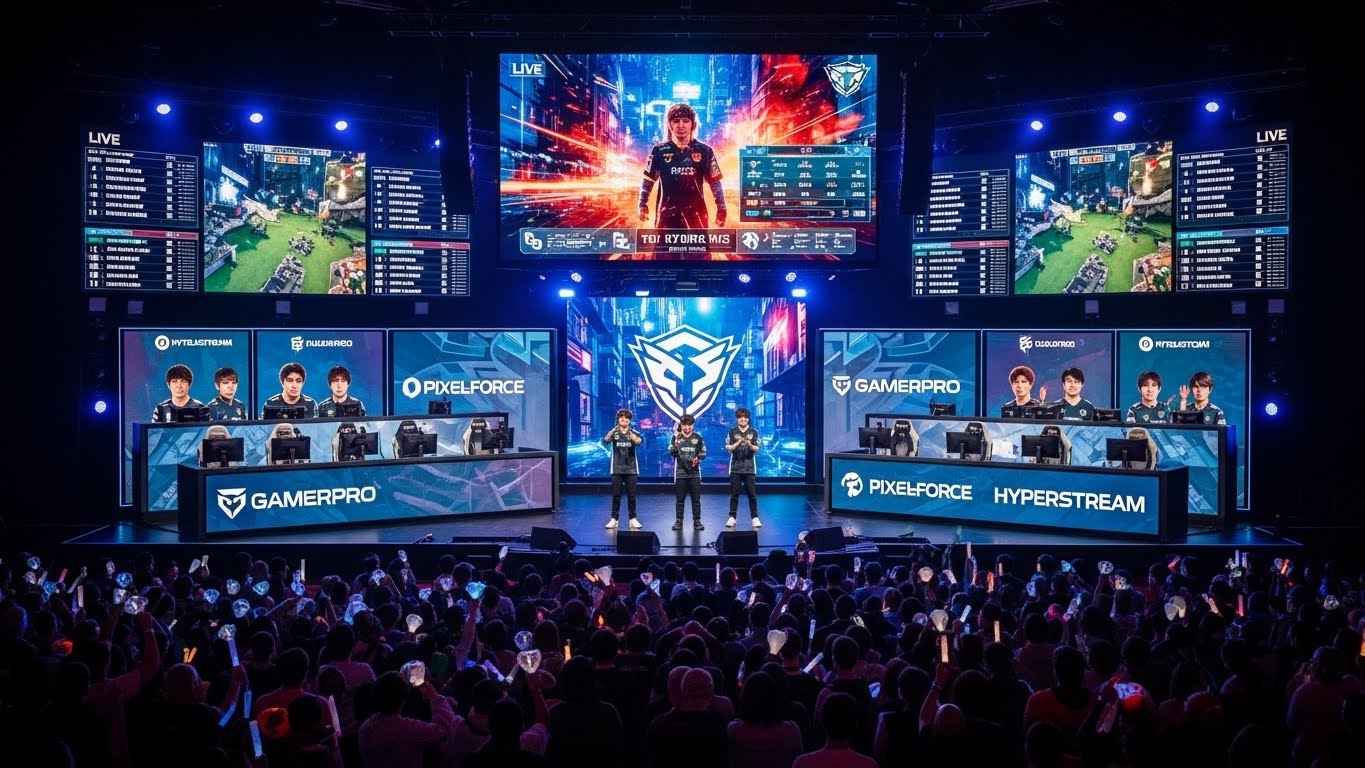
By the 2010s, esports had firmly established itself as a global industry. Esports events were no longer limited to small LAN parties or niche online tournaments. Instead, they were being held in massive arenas, streamed live on platforms like Twitch and YouTube, and broadcasted on television in some countries.
The 2014 “Dota 2” International, hosted by Valve Corporation, was a landmark event in the history of esports. The tournament featured a prize pool that surpassed $10 million, funded largely through crowdfunding efforts from the game’s community. This was a clear indication that esports had become a lucrative business and was attracting a diverse range of fans.
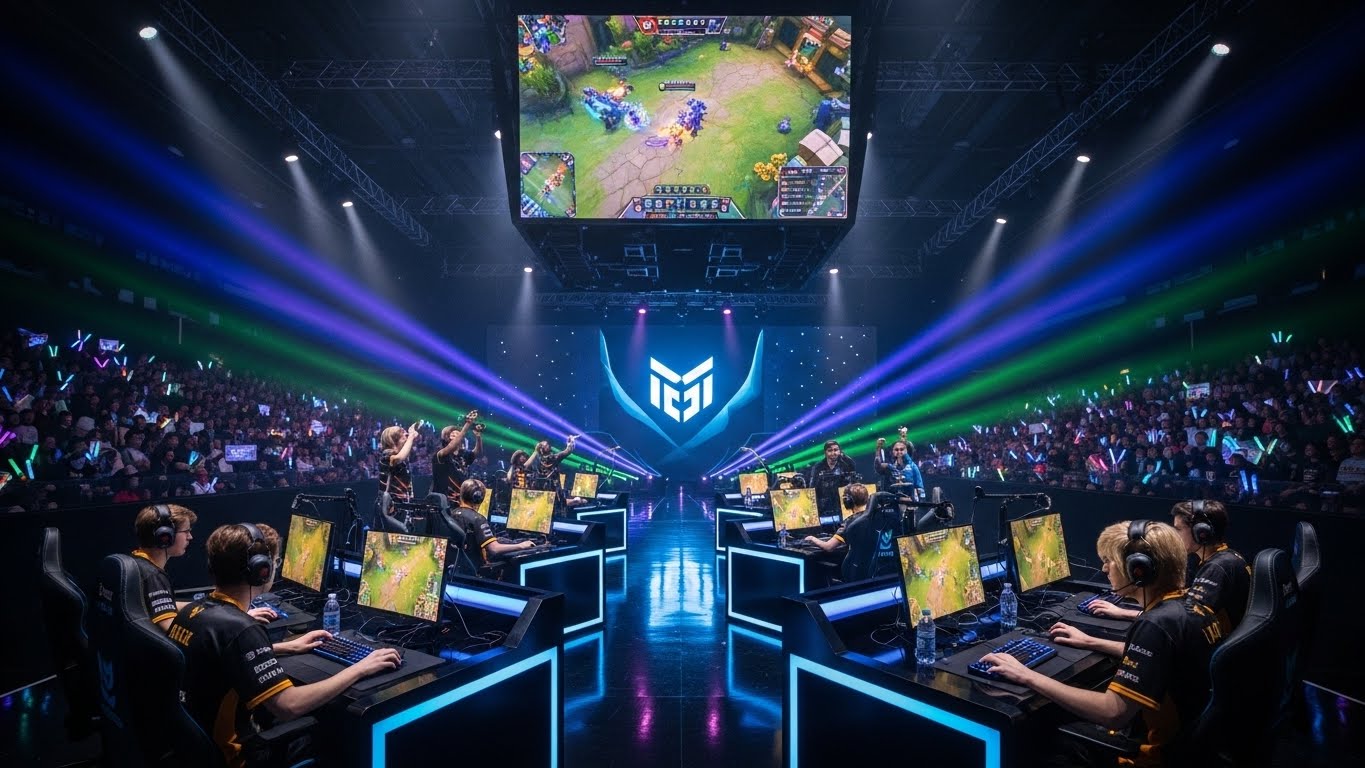
Esports is now a global phenomenon, with millions of fans from every continent. Major esports events, such as the “League of Legends” World Championship, “The International,” and “Overwatch League” are watched by millions of viewers online and in person. The growth of esports in countries like China, South Korea, North America, and Europe has contributed to the industry’s expansion and diversification.
Esports Streaming and Content Creation
One of the key factors behind the rapid growth of esports has been the rise of streaming platforms like Twitch and YouTube. These platforms have allowed players and fans to connect in real-time, watch live gameplay, and interact with each other in ways that were not possible before. Esports events are now streamed live to millions of viewers, and players and teams have their own dedicated channels where they can broadcast their gameplay, share tips, and build their fan base.
Twitch, in particular, has become a major hub for esports content. The platform boasts millions of active streamers, many of whom are professional esports players, content creators, or “influencers.” Through sponsorships, advertising, and donations from fans, many of these streamers have turned their passion for gaming into full-time careers.
YouTube has also become a key player in the esports scene, with many events being broadcast on the platform and influencers posting highlight reels, guides, and commentary. The ability to watch esports content at any time has further contributed to the industry’s growth and accessibility.
The Role of Sponsorships, Advertising, and Betting
The financial ecosystem of esports is a complex one, with revenue streams coming from a variety of sources. Sponsorships and advertising play a huge role in the industry, with companies eager to target the younger, tech-savvy audience that makes up the majority of esports fans. Brands such as Intel, Coca-Cola, and Nike have partnered with esports teams and events to boost their visibility among the gaming community.
Another major source of revenue in the esports world is esports betting. As with traditional sports, fans can place bets on the outcomes of esports matches, tournaments, and leagues. This has created a booming industry around esports gambling, further legitimizing the business side of the sport.
Moreover, media rights deals are becoming increasingly important. Companies like ESPN, TBS, and NBC have started broadcasting esports events on television, marking the crossover between traditional sports and esports. In some countries, esports is even being considered for inclusion in the Olympics, further solidifying its status as a mainstream cultural and entertainment force.
The Future of Esports
As esports continues to grow, the future looks bright for both players and fans. The industry is constantly evolving, with new technologies, games, and business models emerging. The rise of virtual reality (VR) and augmented reality (AR) may revolutionize the way we experience esports, providing a more immersive and interactive experience for viewers.
Additionally, the expansion of esports into traditional sports venues and even into educational institutions, with esports programs and scholarships becoming more common at universities, shows that competitive gaming is becoming more mainstream.
The increasing inclusion of esports in global competitions, such as the Asian Games, is also an exciting development. While esports still faces some challenges in terms of recognition, regulation, and health concerns for players, its future looks promising as it continues to evolve into a truly global and multifaceted industry.
Conclusion
Esports has come a long way since its humble beginnings in arcades and local competitions. What was once a niche activity has transformed into a global phenomenon, with millions of fans, professional players, and lucrative business opportunities. From its roots in South Korea to its current status as a worldwide entertainment and sporting industry, esports has proven that it’s more than just a trend—it’s a cultural and economic powerhouse that is here to stay.
As the esports industry continues to mature, it will undoubtedly face new challenges and opportunities. But one thing is clear: the future of esports is incredibly exciting, and its influence on the gaming, entertainment, and sports worlds will only continue to grow in the years to come.