championstream42
Introduction to Esports
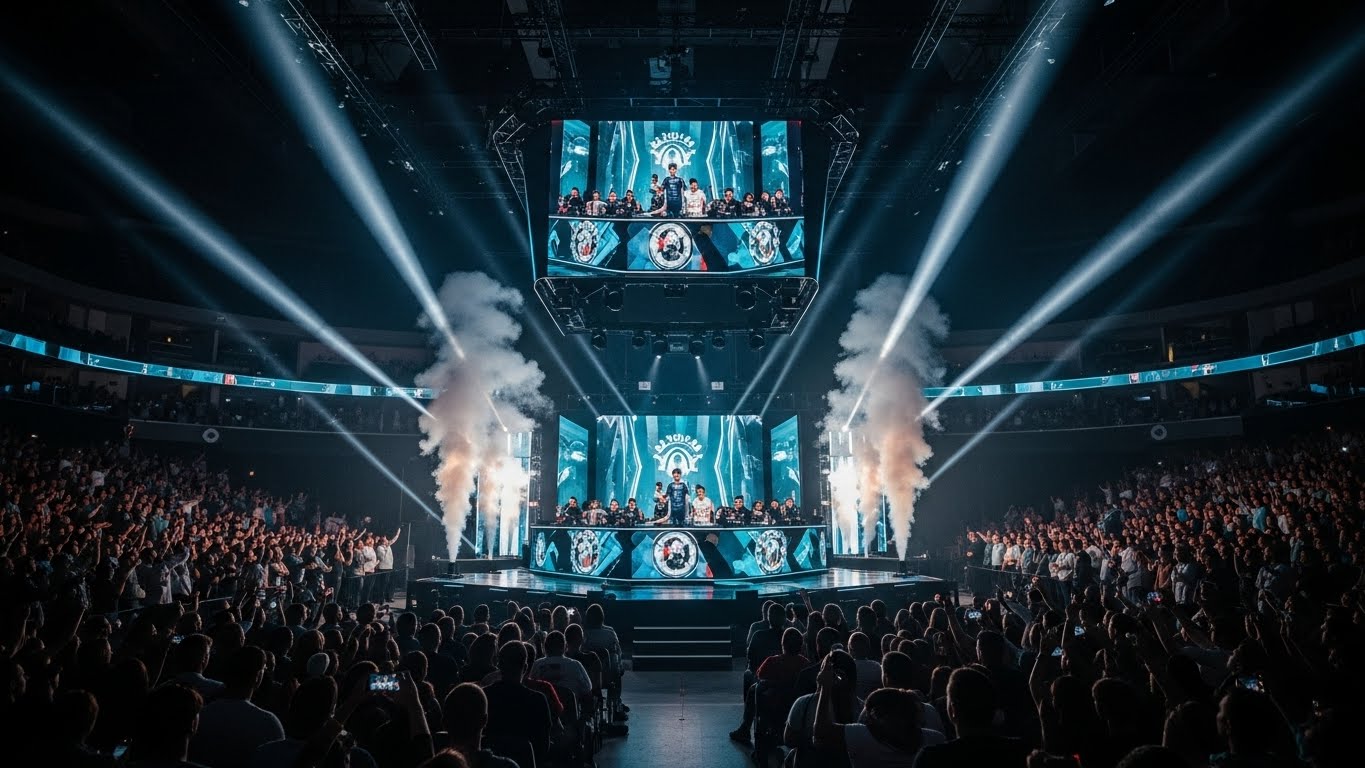
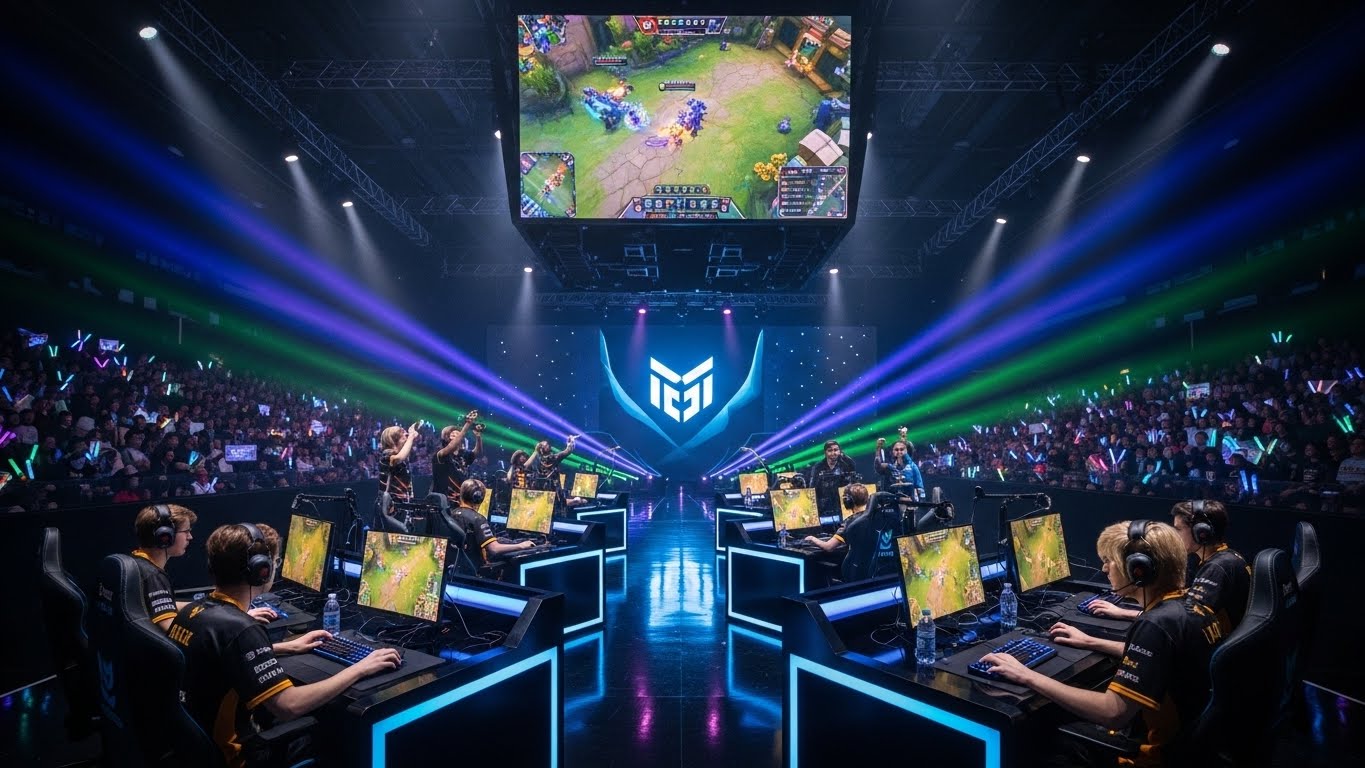
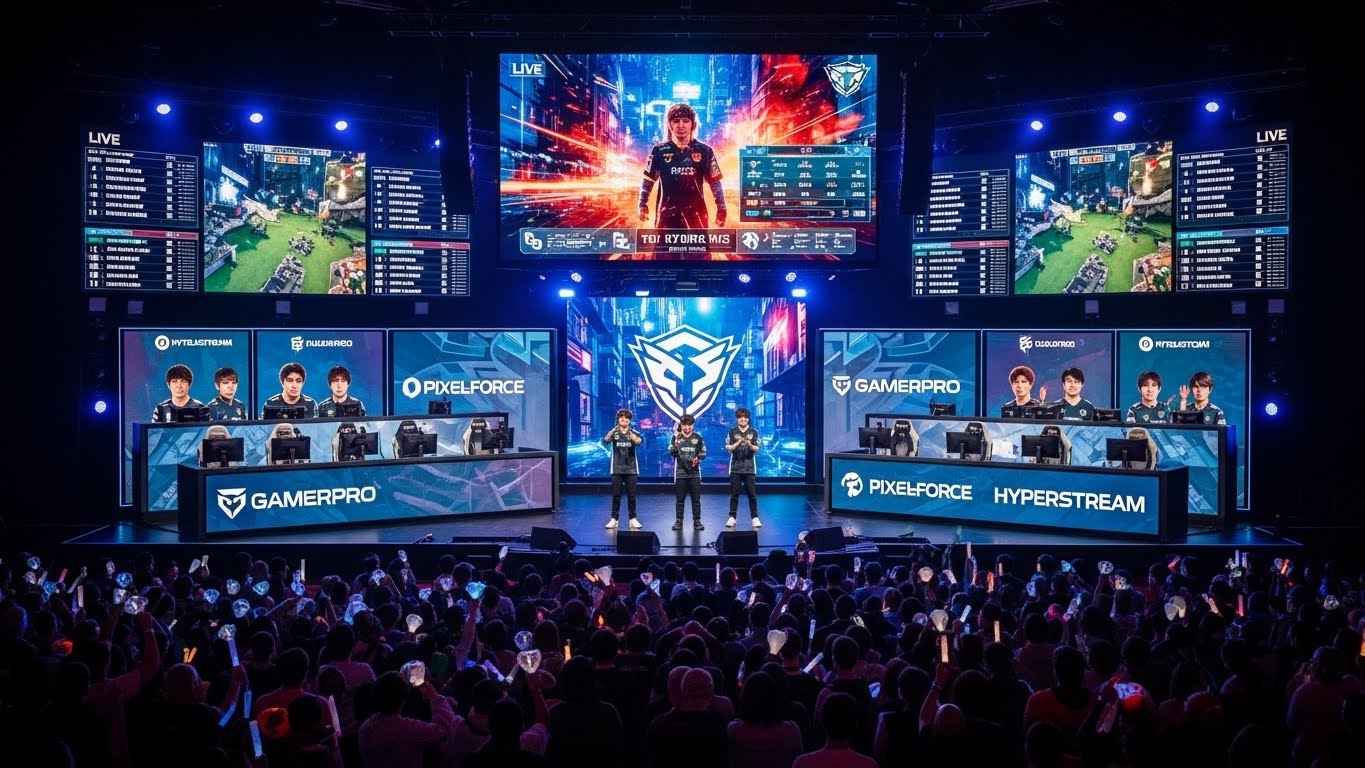
Esports, or electronic sports, has transformed from a niche hobby into a global phenomenon that redefines what it means to be an athlete and a competitor. Over the past two decades, it has evolved from casual gaming competitions in small community halls to massive international tournaments filling arenas with thousands of fans and millions of online viewers. Today, esports is not just about playing video games; it is an organized, professional, and multi-billion-dollar industry that merges technology, entertainment, and competition into one of the most dynamic cultural movements of the 21st century.
The rise of esports is a direct reflection of how digital technology has changed entertainment consumption. The digital generation, raised on interactive experiences rather than passive media, found in esports a perfect blend of engagement, excitement, and skill mastery. Just as traditional sports like football or basketball captivate audiences with human performance, esports attracts its viewers through precision, strategy, teamwork, and psychological endurance.
The Early Days of Competitive Gaming
To understand the magnitude of esports today, one must first look back to its humble origins. The earliest competitive gaming events can be traced back to the 1970s and 1980s, long before the term “esports” even existed. One of the first known gaming competitions took place at Stanford University in 1972, where players competed in the game “Spacewar.” The prize was a subscription to a magazine, but the event marked a historical moment — the birth of organized competitive gaming.
As video games became more accessible through arcades and home consoles, competitions slowly began to emerge. In the 1980s, games like “Pac-Man” and “Donkey Kong” gave rise to high-score competitions that appeared in magazines and on television shows. Players became known for their skill, even achieving celebrity status in small circles of gaming enthusiasts.
However, it wasn’t until the 1990s that the foundations for modern esports began to take shape. The rise of personal computers and local area network (LAN) parties gave players new opportunities to compete directly against each other. Titles like “Doom,” “Quake,” and “StarCraft” defined the first generation of true competitive gamers. LAN events became popular gathering points, with players traveling long distances to prove their abilities in real-time battles.
The Online Revolution and the Birth of Esports Leagues
The late 1990s and early 2000s brought the internet revolution, which changed everything. Online multiplayer gaming allowed players to compete with anyone in the world, breaking down geographical barriers that once limited participation. This period saw the formation of professional leagues and organized tournaments that laid the foundation for esports as we know it today.
Games like “Counter-Strike,” “Warcraft III,” and “StarCraft: Brood War” became the cornerstones of early esports. In South Korea, “StarCraft” developed into a cultural phenomenon, with televised matches, professional players, and dedicated fans. This period is often referred to as the “Korean golden age” of esports because it demonstrated the potential of gaming as a spectator sport.
In the West, organizations like Major League Gaming (MLG) in the United States began hosting large-scale tournaments, offering cash prizes and attracting sponsors. Esports slowly moved from underground gatherings to professional, well-structured events with standardized rules, commentary, and audiences.
The Explosion of Esports in the 2010s
The 2010s marked the true explosion of esports into the mainstream. The combination of advanced technology, high-speed internet, and social media created a perfect environment for esports to thrive. Streaming platforms like Twitch allowed millions of fans to watch live matches from anywhere, while YouTube and other platforms provided constant highlights and updates.
During this period, certain games rose to dominate the esports landscape. Titles like “League of Legends,” “Dota 2,” and “Counter-Strike: Global Offensive” became the flagships of professional gaming. These games were designed with competitive balance, viewer engagement, and team coordination in mind, making them ideal for esports.
The scale of tournaments grew immensely. Events like The International for “Dota 2” and the League of Legends World Championship began offering prize pools worth millions of dollars. For instance, The International broke records with its crowd-funded prize pool, showing how deeply the community was invested in the success of esports.
Esports athletes began receiving salaries, sponsorships, and media coverage comparable to traditional sports stars. Entire training facilities were built for professional teams, and esports organizations operated much like football or basketball clubs, complete with coaches, analysts, and marketing staff.
The Culture of Esports and Its Global Appeal
One of the defining characteristics of esports is its inclusivity and global reach. Unlike many traditional sports that require specific physical attributes or expensive equipment, esports is open to anyone with access to a computer or console. This accessibility has allowed it to grow rapidly across different cultures, languages, and regions.
In countries like South Korea and China, esports players are treated as celebrities, with fan clubs, endorsements, and media appearances. In North America and Europe, esports has entered mainstream pop culture, appearing in television shows, advertisements, and even universities. Colleges and universities now offer esports scholarships, and academic programs in gaming management and esports marketing are becoming increasingly common.
Moreover, esports has created a new kind of community. Online gaming platforms and forums serve as social hubs where players from around the world connect, collaborate, and compete. These digital communities transcend borders, fostering friendships and rivalries that mirror traditional sports fandoms.
The Business and Economics of Esports
The growth of esports has turned it into a multi-billion-dollar industry. Revenues come from multiple streams — advertising, sponsorships, media rights, ticket sales, and in-game purchases. Major companies, including global brands from technology, food, and fashion industries, invest heavily in esports because it reaches younger audiences who spend more time online than watching television.
Esports organizations function much like professional sports teams. They sign players, negotiate sponsorships, and manage branding efforts. Tournaments are often backed by major corporations, and viewership numbers rival those of traditional sports events. For example, the League of Legends World Championship and The International have each attracted tens of millions of live viewers worldwide.
Media companies have also joined the esports wave, securing broadcasting rights for major events. Networks now air esports competitions alongside traditional sports, giving legitimacy and visibility to the industry. Esports has become an entertainment powerhouse, merging gaming, business, and media into a single ecosystem.
Training, Discipline, and the Life of an Esports Athlete
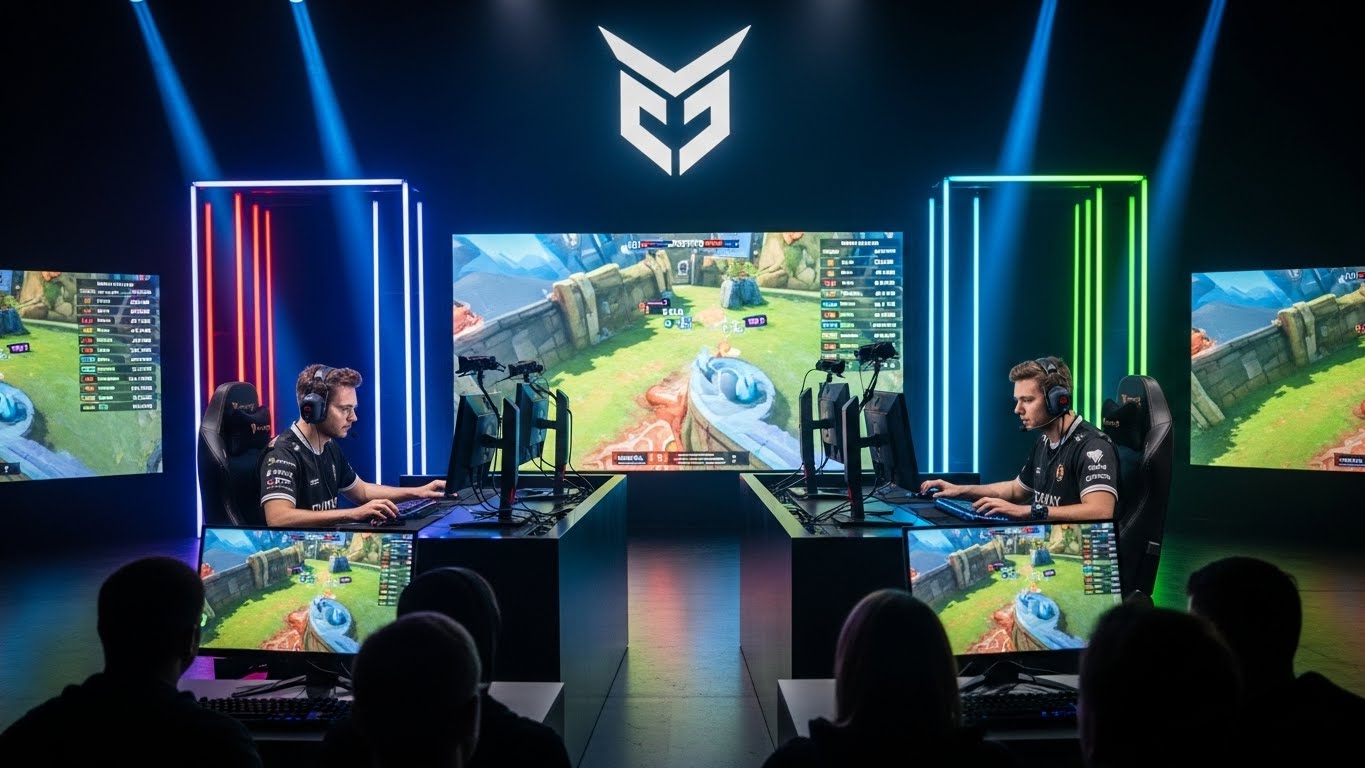
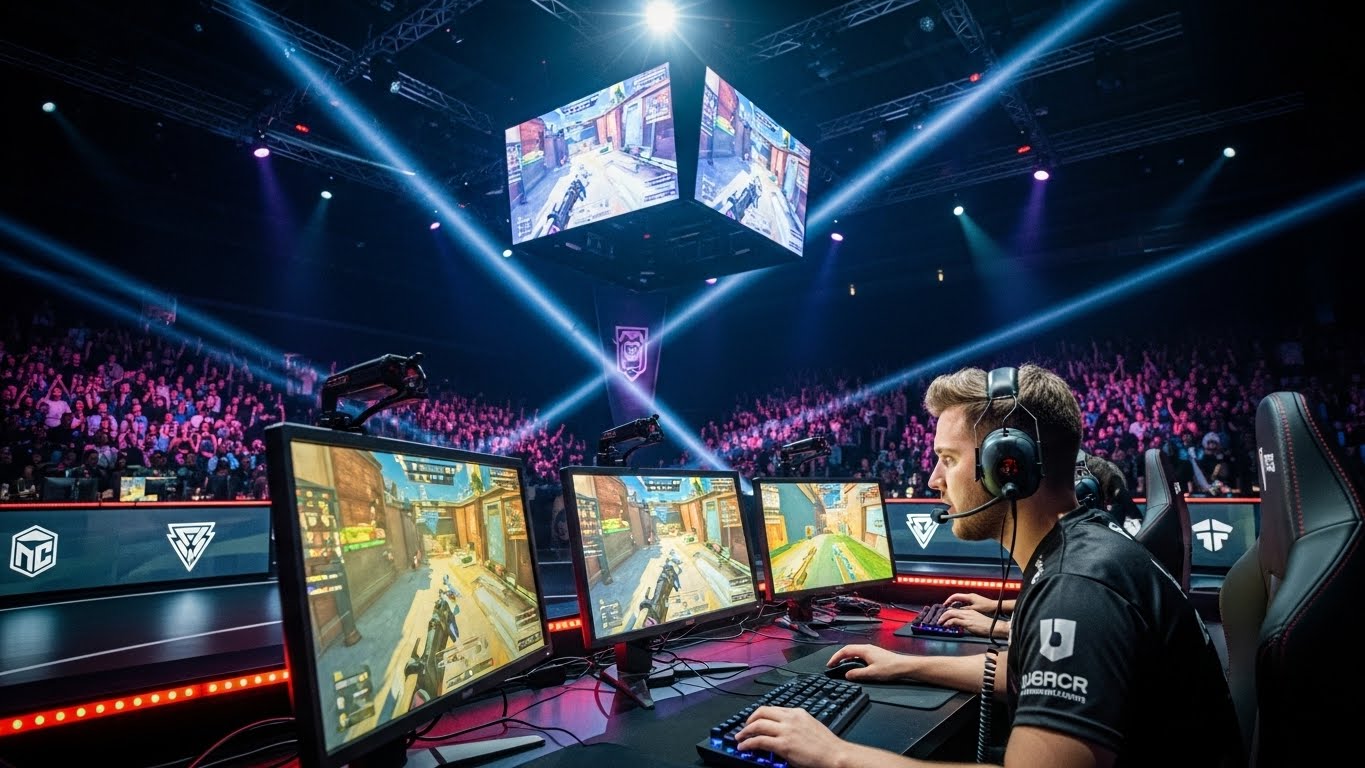
Behind the glamour of bright screens and massive audiences lies a world of discipline and dedication. Esports professionals train for hours each day, studying strategies, practicing mechanics, and analyzing opponents. The physical strain of long gaming sessions and the mental pressure of competition demand both physical and psychological fitness.
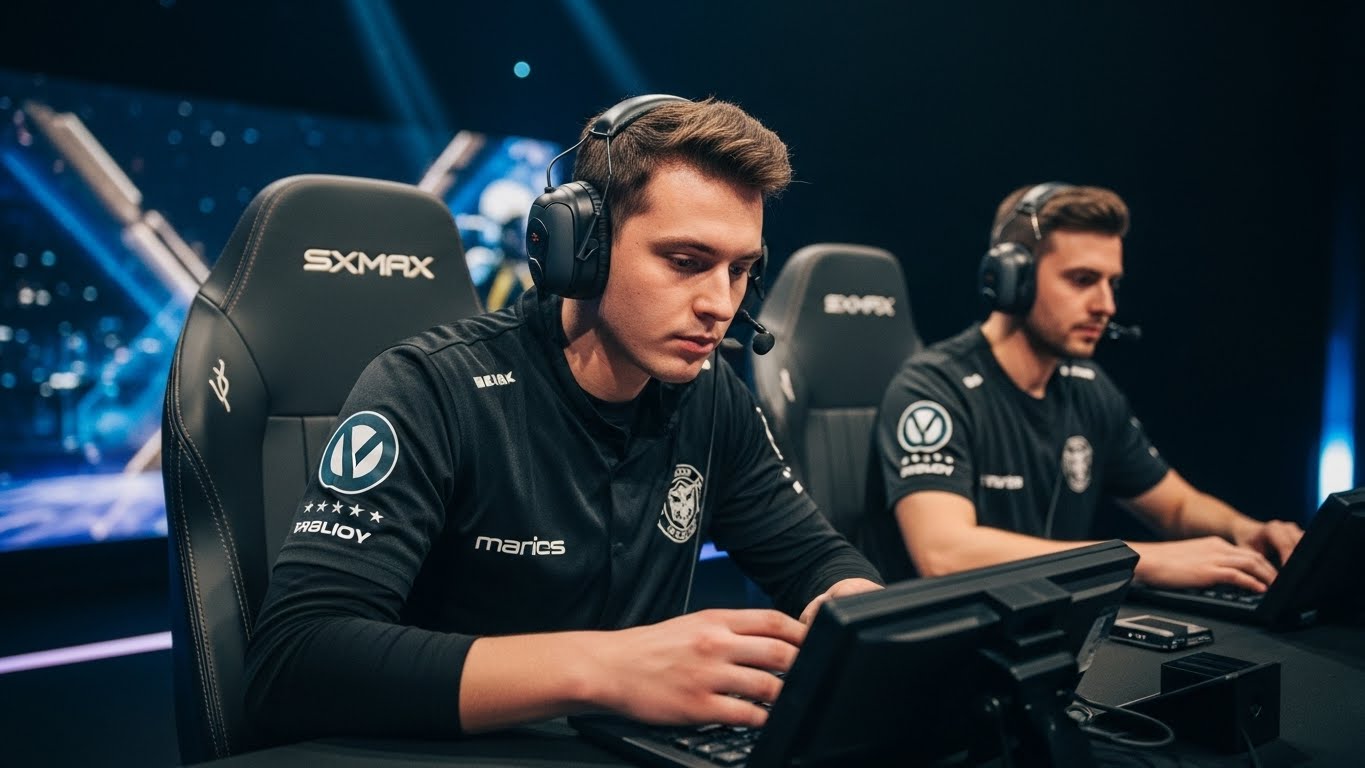
Esports athletes often follow structured routines similar to traditional sports players. Teams employ coaches, nutritionists, and psychologists to ensure peak performance. Reaction speed, hand-eye coordination, teamwork, and communication are critical elements that separate casual players from professionals.
However, the life of an esports athlete is not without challenges. Careers are often short due to burnout and intense competition. Maintaining focus and motivation in a constantly changing gaming environment can be difficult. As the industry matures, there is growing awareness of mental health, work-life balance, and long-term career development for players.
The Role of Technology and Innovation in Esports
Technology is at the heart of esports. From powerful gaming hardware to advanced software and broadcasting tools, every innovation contributes to enhancing both player performance and viewer experience. High-refresh-rate monitors, optimized gaming mice, and low-latency internet connections are essential for competitive play.
Streaming technology has revolutionized esports by allowing real-time interaction between players and fans. Viewers can watch live games, comment, and even support their favorite players financially. Virtual and augmented reality are now being explored to create immersive viewing experiences, bringing spectators closer to the action than ever before.
Artificial intelligence and data analytics also play a growing role in esports. Teams analyze massive amounts of gameplay data to identify patterns, optimize strategies, and predict opponent behavior. The integration of technology ensures that esports remains at the forefront of innovation, setting trends that often influence the broader tech industry.
Esports and Education: A New Academic Frontier
As esports becomes more recognized, educational institutions have started to embrace it as both an academic discipline and an extracurricular activity. Schools and universities around the world now have esports programs that teach game design, event management, marketing, and broadcasting.
These initiatives highlight the broader skills esports can develop — critical thinking, teamwork, leadership, and communication. By combining competition with education, institutions are preparing students for careers in one of the fastest-growing digital industries.
The Global Esports Ecosystem
Esports operates on a global scale with regional leagues, international tournaments, and global championships. Asia, particularly South Korea and China, remains the dominant force in terms of professional talent and infrastructure. Europe and North America are rapidly catching up, with established leagues and franchised systems modeled after traditional sports.
Emerging markets in the Middle East, South America, and Africa are also beginning to contribute to the global scene. Mobile esports, in particular, has accelerated growth in these regions due to widespread smartphone usage. Titles like “PUBG Mobile” and “Mobile Legends” have millions of active players and professional leagues of their own.
Esports and the Future of Entertainment
The future of esports looks brighter than ever. With continued technological advancement and increasing investment, esports is expected to rival — and perhaps surpass — traditional sports in viewership and cultural influence. The boundary between virtual and physical competition is gradually fading, and new generations are growing up with esports as part of their normal entertainment diet.
The inclusion of esports in multi-sport events such as the Asian Games marks a significant milestone toward global recognition. As discussions continue about its potential inclusion in future Olympic events, esports stands on the brink of full integration into the global sporting community.
Beyond competition, esports has become a social movement that defines digital culture. It represents innovation, community, and the limitless potential of human creativity.
Conclusion: The Legacy of Esports
From its humble beginnings to its current global dominance, esports has reshaped how people perceive competition, entertainment, and technology. It has proven that skill, dedication, and teamwork can thrive in digital spaces just as much as on physical fields.
Esports is not merely a trend; it is the next step in the evolution of sports and entertainment. Its influence extends beyond gaming, affecting technology, business, education, and even cultural identity. As the industry continues to grow, it will inspire future generations to dream, compete, and connect in ways that were once unimaginable.
In the end, esports is more than a game — it is a global stage where digital athletes push the boundaries of human potential, proving that passion and performance know no limits in the world of virtual competition.