championstream42
Introduction
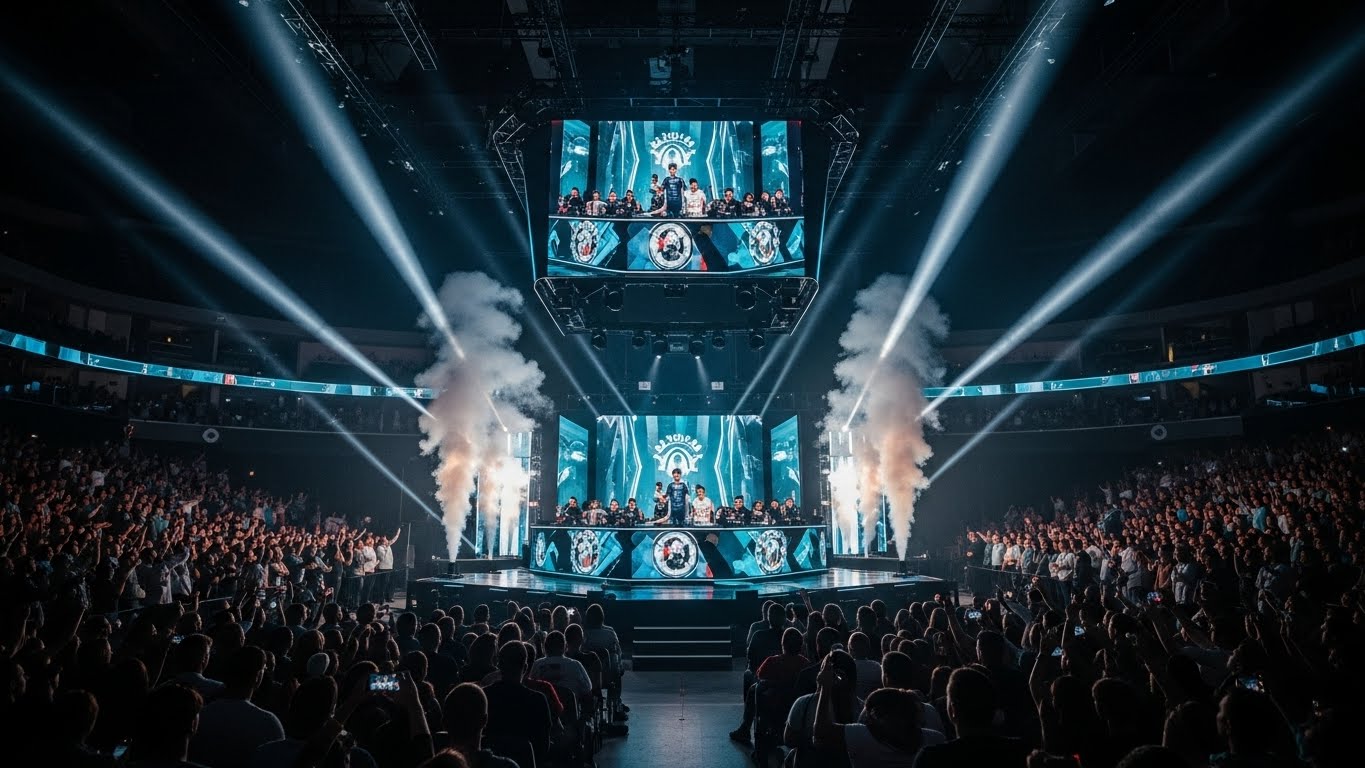
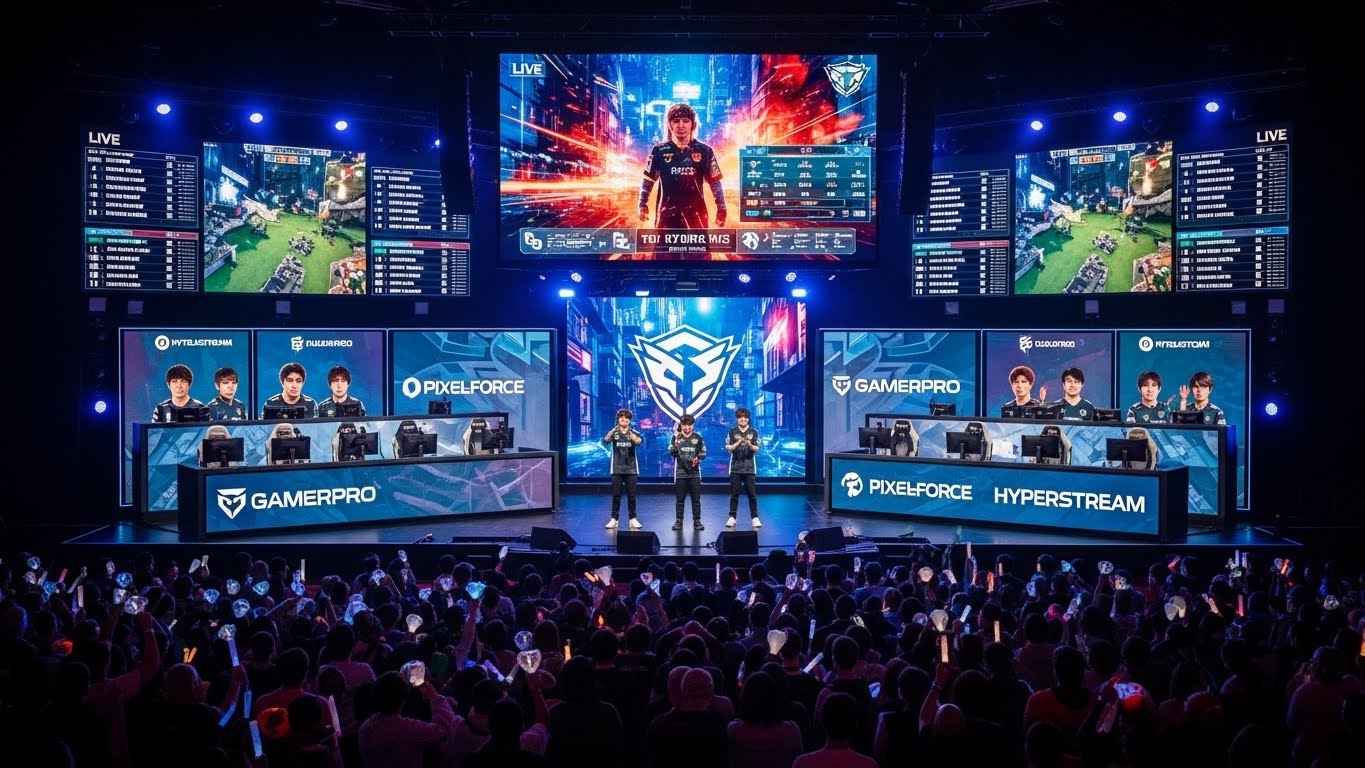
Only a few decades ago, video games were seen mostly as a hobby for children and teenagers. Fast forward to today and esports has evolved into a global entertainment powerhouse, drawing millions of viewers, filling stadiums, and generating enormous revenue. The transformation from casual gaming to professional competitive sport represents one of the most significant cultural and economic shifts of the modern digital era. This blog explores how esports became such a massive phenomenon, what drives its growth, and what the future holds for this rapidly expanding industry.
The Evolution of Competitive Gaming
The story of esports began long before it became a worldwide sensation. Early gaming competitions appeared in arcades during the late twentieth century, where players competed for high scores and community recognition. These small tournaments were simple, informal events but they set the foundation for a culture of competition that would flourish with the rise of home gaming consoles and personal computers.
The introduction of multiplayer games changed everything. Titles that allowed players to face off directly created a new competitive dynamic that resonated deeply with gamers. As internet access expanded, online matchmaking became possible, allowing players from different countries to compete in real time. This connectivity elevated gaming from local pastime to global competition, creating a new breed of player who wanted more than just to play for fun. They wanted to master the game and prove themselves on a larger stage.
Esports Becomes an Organized Industry
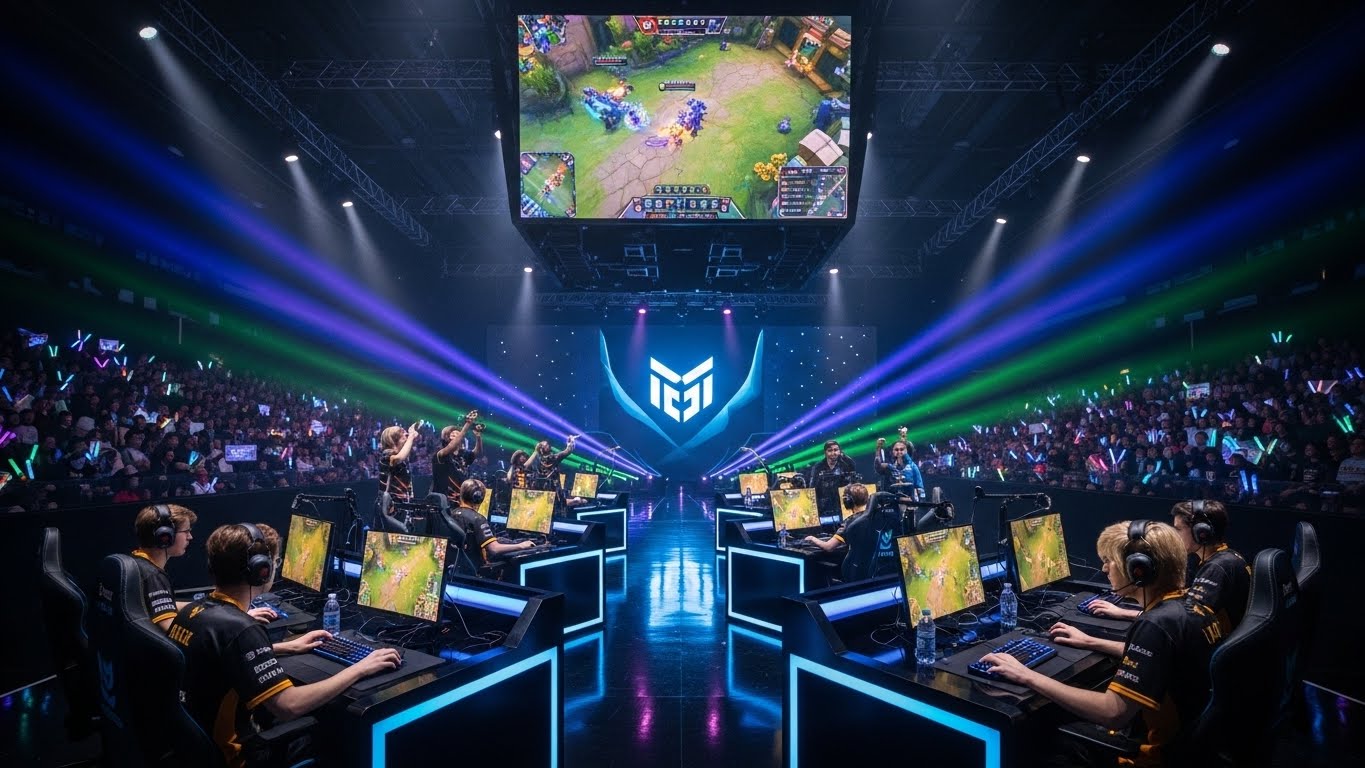
As competitive gaming became more popular, the need for structure grew. Professional leagues, teams, and organizations began forming, adopting systems similar to those found in traditional sports. These included standardized rules, coaching teams, sponsorship arrangements, and player contracts. This professionalization brought legitimacy and attracted the attention of major companies across technology, entertainment, and consumer goods.
Game developers also recognized the potential of esports and began building competitive ecosystems directly into their titles. Some games were designed specifically with esports in mind, offering balanced gameplay, spectator modes, and tools for hosting tournaments. With official support from developers, esports events became more polished and better funded, leading to prize pools that now reach millions of dollars.
The Power of Community and Culture
What sets esports apart from many traditional sports is its deeply interconnected community. Gamers are not merely spectators; they are active participants, content creators, strategists, and commentators. Streaming platforms created an entirely new dimension of interactive entertainment, where fans can watch professional players in real time, learn new techniques, and directly engage through chat.
This sense of community drives loyalty on a global scale. Esports fans often follow teams and players from other countries, celebrating their victories as if they were their own. They share strategies, create fan art, discuss updates, and support their favorite players across multiple platforms. This global digital culture is one of the primary forces behind esports’ explosive growth.
Why Esports Captivates the World
Esports captivates audiences for many reasons. First, the games themselves are visually exciting and strategic, offering fast-paced action that keeps viewers engaged. Unlike traditional sports, esports does not require perfect weather, a specific physical location, or rigid scheduling. Tournaments can be held at any time and streamed instantly around the world.
Another key factor is accessibility. Almost anyone can pick up a game, try it, and appreciate the skills displayed by professional players. This inclusivity helps bridge cultural and geographical gaps, connecting diverse communities through a shared passion for competitive gaming.
The stories behind the players also play a huge role. Many professional gamers started as ordinary players at home, making their rise to fame feel relatable and inspiring. Their journeys create emotional connections that keep fans invested not just in the games, but in the people behind the screens.
The Economics of Esports
Esports is not only an entertainment phenomenon; it is also a massive business. Revenue flows from sponsorships, media rights, merchandising, ticket sales, and prize money. Major brands across industries invest heavily in esports because it reaches younger audiences who engage deeply with digital content.
Teams function similarly to traditional sports organizations, with dedicated management, training facilities, and talent scouts. Some have built state-of-the-art gaming houses where players practice, strategize, and train together under the guidance of coaches and analysts. This level of investment shows how seriously the industry treats competitive gaming and how profitable it has become.
Streaming platforms generate their own economic ecosystems, with creators earning through advertising, subscriptions, and donations. Tournaments attract millions of viewers, offering lucrative advertising opportunities for brands. All these elements combine to create an economic engine that shows no signs of slowing down.
The Role of Technology in Shaping Esports
Advancements in technology have been essential to the rise of esports. High-speed internet made real-time competitive gaming possible. Powerful gaming hardware allowed developers to create visually stunning and mechanically complex games. Streaming platforms opened the doors for global audiences, making esports infinitely more accessible than traditional broadcast television.
Virtual reality and augmented reality are poised to take esports even further, offering immersive competitive experiences that could blur the line between the digital and physical worlds. Artificial intelligence is also playing a role, providing analytics, coaching tools, and personalized training programs to help players refine their skills.
The Player Experience and Training
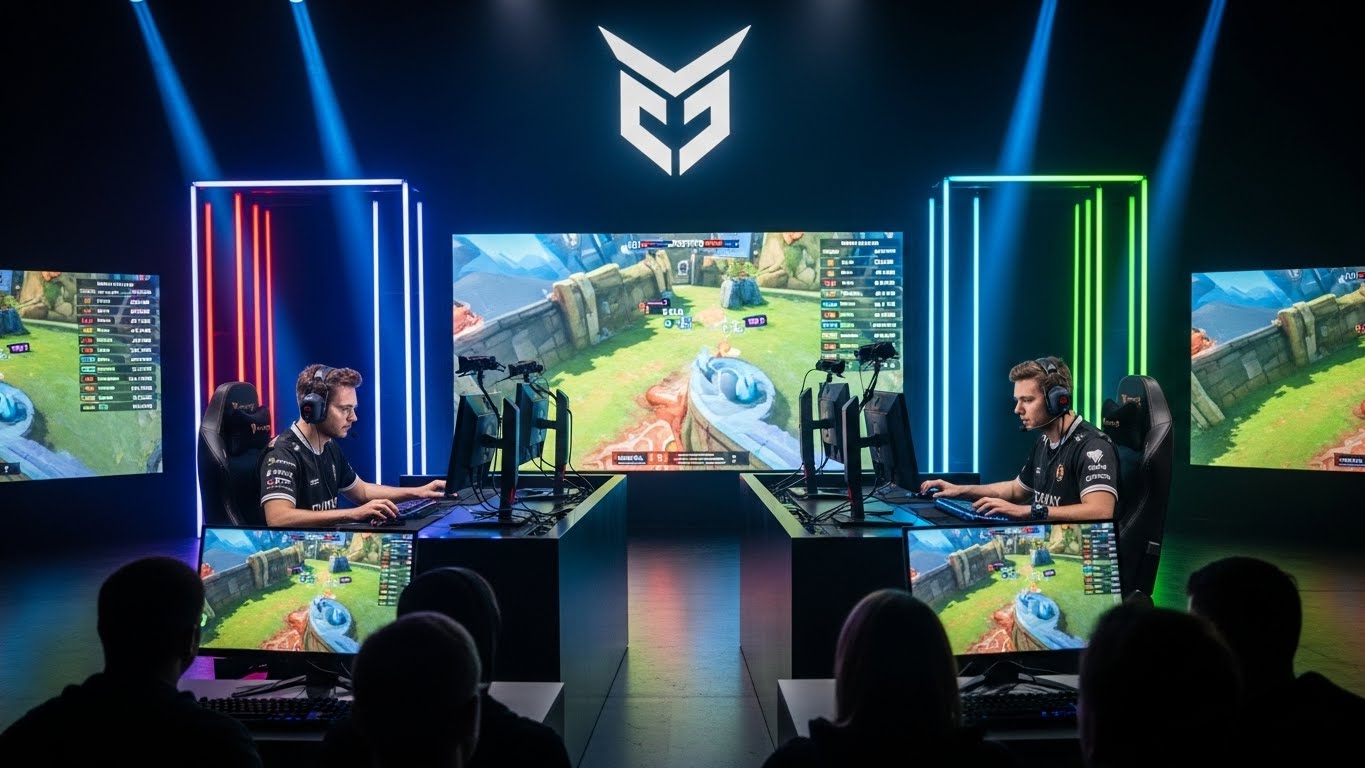
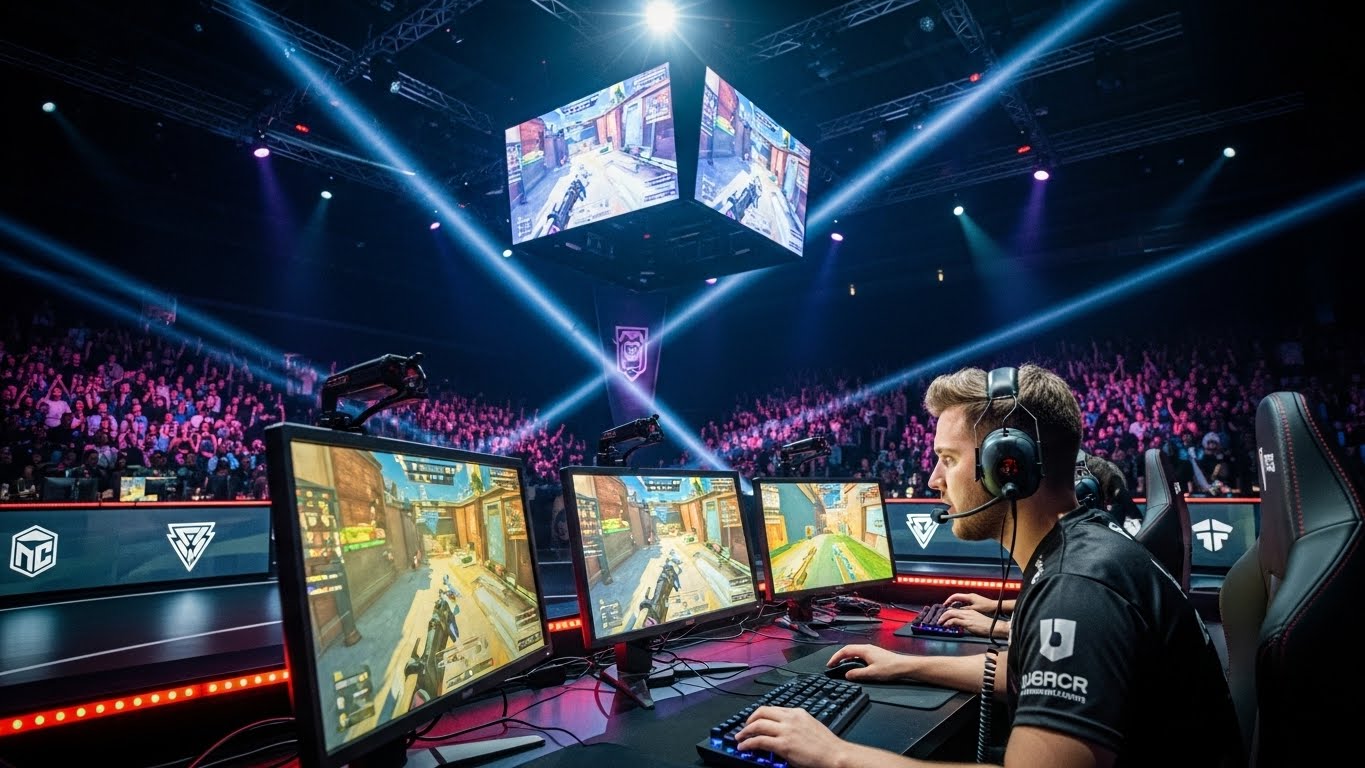
For professional esports athletes, gaming is much more than a pastime. They undergo rigorous training routines that can rival those of traditional athletes. Many practice for long hours each day, studying opponents, reviewing gameplay footage, and refining their techniques. Mental focus, reaction time, and strategic thinking are essential skills that require constant development.
Teams often hire nutritionists, psychologists, and trainers to maintain peak performance. The importance of mental health has gained recognition, and many organizations now encourage healthy routines to prevent burnout and stress. The professionalization of player training demonstrates the industry’s commitment to longevity and excellence.
Education and Esports
Esports has also entered the world of education. Many universities now offer scholarships to esports players and host official competitive teams. Academic programs focusing on game design, esports management, broadcasting, and digital media are growing in popularity. This educational shift reflects the industry’s increasing relevance and the variety of career paths available beyond simply being a player.
These programs help students understand the business, creative, and technical sides of esports. From event organization to content production, the ecosystem supports many roles that contribute to its expansion. As more institutions embrace esports, the industry’s legitimacy continues to strengthen.
The Future of Esports
The future of esports is bright and full of potential. As technology evolves, so will the immersive experiences that define competitive gaming. Virtual reality tournaments, global online leagues, and hybrid digital-physical events may become standard. Esports could even gain a formal place in international sporting competitions, reflecting its cultural and economic significance.
Mobile gaming will continue to play a major role, making esports even more accessible. With billions of people owning smartphones, mobile esports is positioned to expand rapidly, bringing competitive gaming to regions previously underrepresented in the industry.
Artificial intelligence will likely enhance training, improve game balance, and deliver more personalized spectator experiences. Esports broadcasting may evolve into fully interactive experiences, allowing viewers to control camera angles, access real-time statistics, and engage more deeply with the action.
Conclusion
Esports has grown from a niche hobby into a global phenomenon that influences entertainment, technology, education, and culture. Its rise showcases the power of digital communities and the possibilities created when passion meets innovation. Whether you are a dedicated fan, a casual viewer, or someone curious about the future of digital entertainment, the world of esports offers endless excitement and opportunity. As the industry continues to evolve, it is clear that esports is not just a trend. It is a global movement shaping the future of competition in the digital age.