championstream42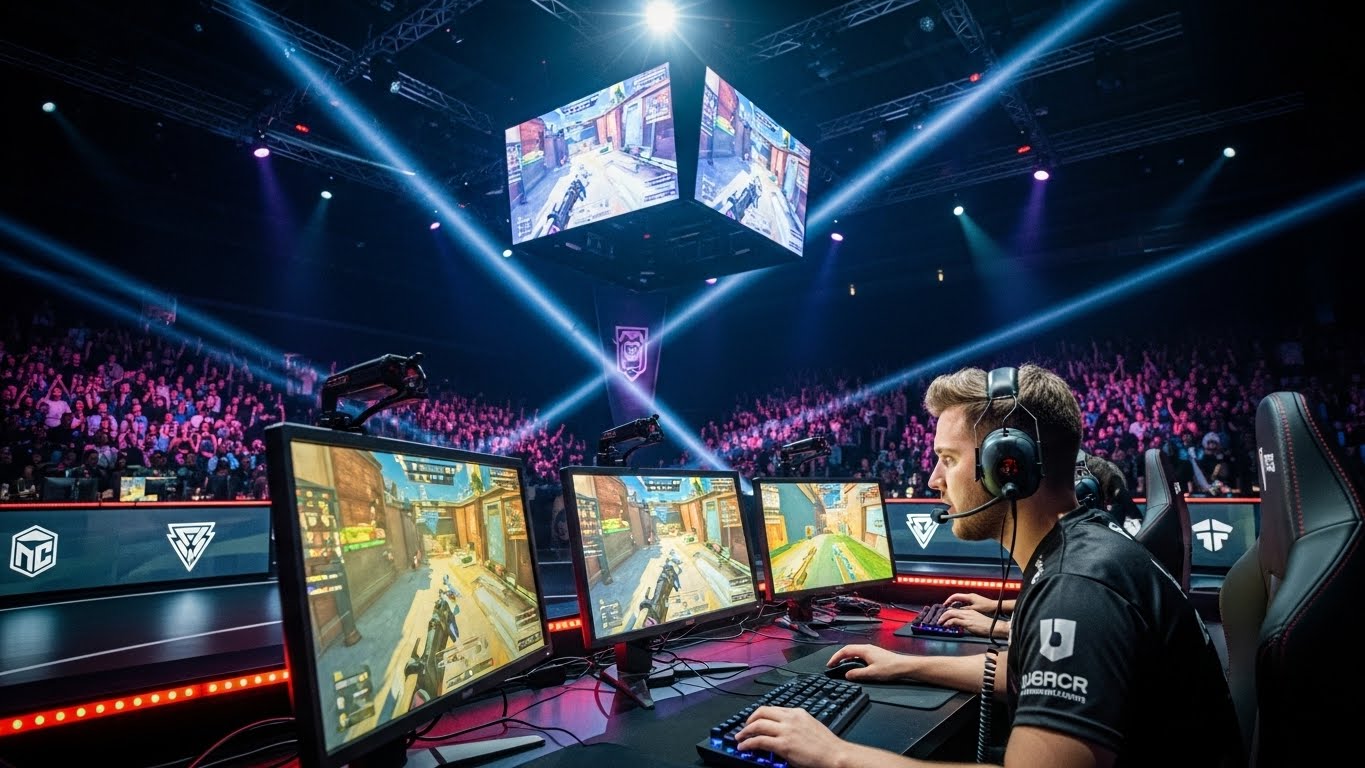
Introduction: The Rise of Competitive Gaming
Esports, short for electronic sports, has transformed from a niche pastime into a global competitive phenomenon. What once began in small rooms with local multiplayer matches has now evolved into sold-out stadium events, million-dollar prize pools, and professional athletes whose reflexes rival those of traditional sports stars. Esports is no longer just about playing games; it is about strategy, discipline, teamwork, entertainment, and culture. This blog explores how esports rose to prominence, why it matters today, and what the future holds for this digital battleground.
Understanding What Esports Really Is
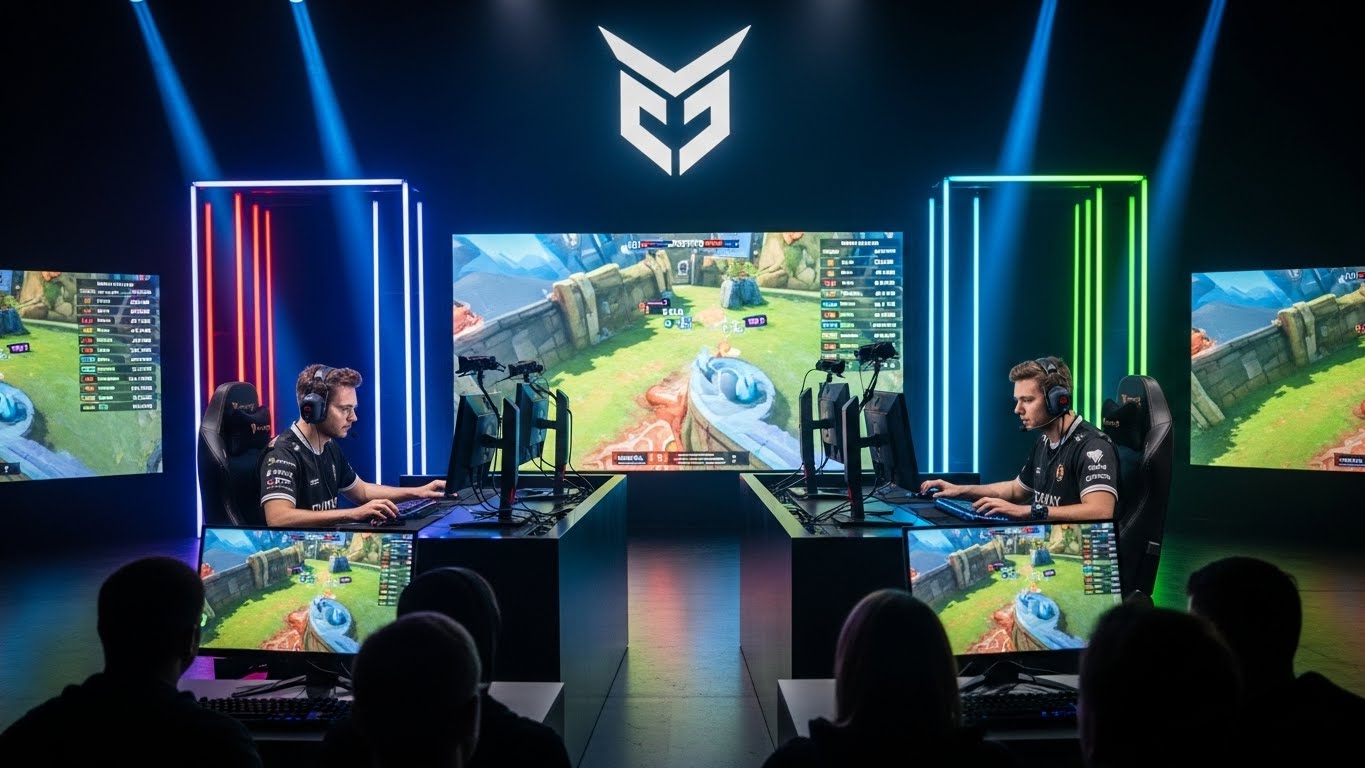
Esports refers to organized, competitive video gaming where individuals or teams compete in structured tournaments. Unlike casual gaming, esports demands consistent training, tactical understanding, and peak mental performance. Popular genres include multiplayer online battle arenas, first-person shooters, battle royale games, sports simulations, and real-time strategy titles. Each genre requires different skill sets, ranging from lightning-fast reactions to deep strategic planning and communication.
What makes esports unique is its digital foundation. Competition happens in virtual environments, yet the emotions, pressure, and intensity are very real. Victory and defeat are decided not by physical strength but by precision, coordination, and decision-making under pressure.
From Arcades to Arenas: A Brief History
The roots of esports can be traced back to early arcade competitions and home console tournaments. As internet connectivity improved, competitive gaming moved online, allowing players from different regions to face each other. This shift marked a turning point, enabling global tournaments and professional leagues.
Streaming platforms played a critical role in esports growth by allowing fans to watch matches live, interact with players, and build communities around teams and personalities. Over time, sponsors, advertisers, and investors recognized the massive potential of esports, accelerating its professionalization and global reach.
The Professional Esports Ecosystem
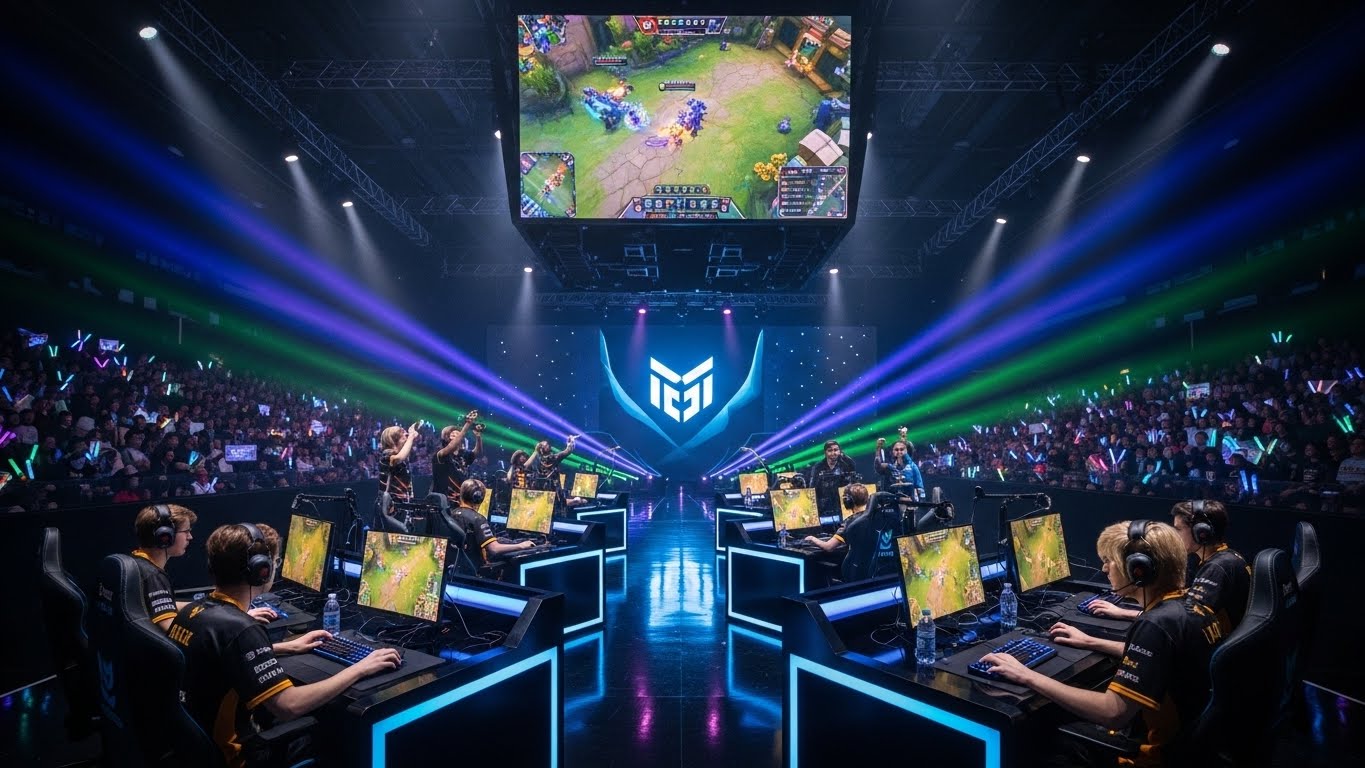
Modern esports operates within a complex ecosystem that mirrors traditional sports. At the core are professional players who dedicate countless hours to practice, scrimmages, and competition. Surrounding them are coaches, analysts, team managers, psychologists, and fitness trainers who help players perform at their best.
Teams are often part of larger organizations with branding, merchandise, and fan engagement strategies. Leagues and tournament organizers ensure structured competition, while broadcasters and commentators turn matches into engaging spectacles. Sponsors and advertisers provide financial support, making esports a viable career path for talented individuals.
The Life of an Esports Athlete
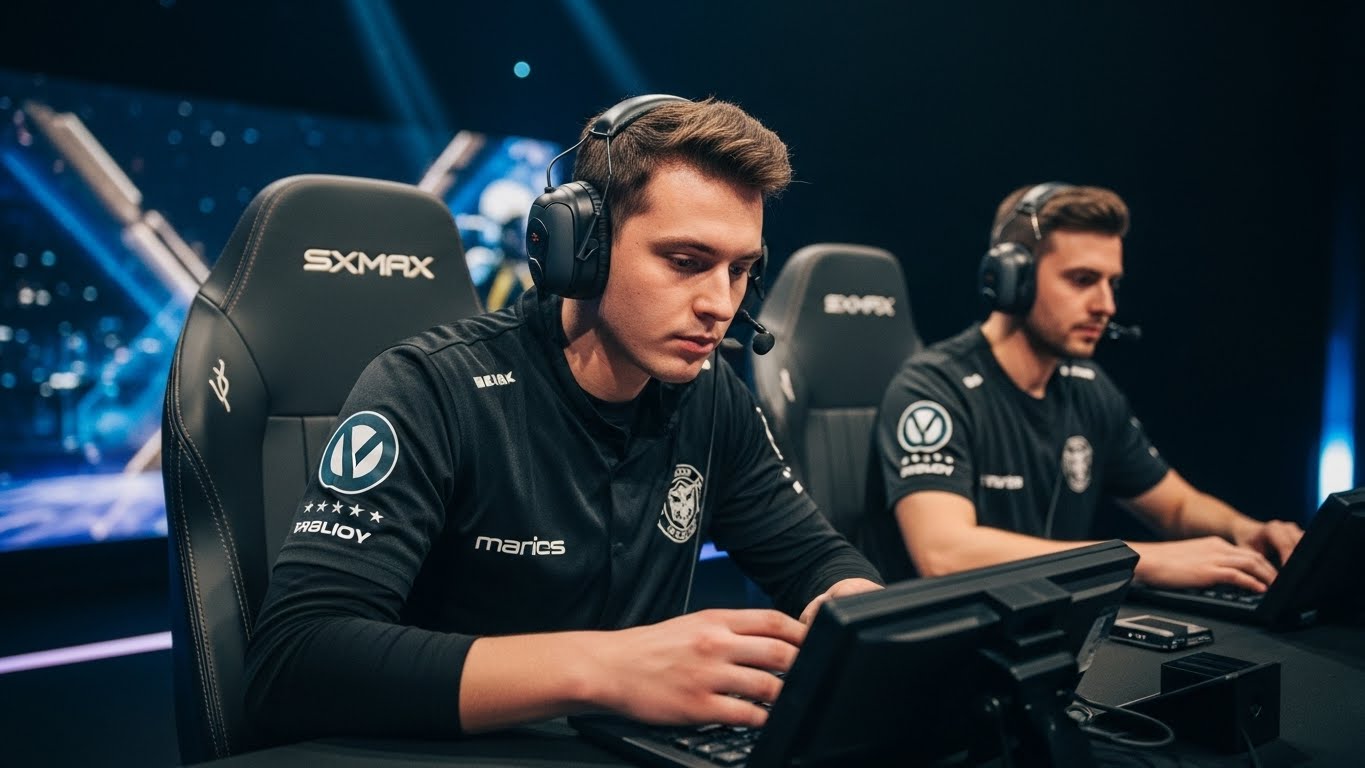
Contrary to the stereotype of gamers sitting casually for hours, professional esports athletes live highly disciplined lives. Daily routines often include mechanical practice, strategy discussions, team reviews, and physical exercise. Mental resilience is especially important, as players must maintain focus during long matches and cope with public scrutiny.
Reaction speed, hand-eye coordination, and game knowledge are critical, but so are communication and teamwork. Many esports titles are team-based, meaning success depends on synergy and trust among players. Careers can be short due to the intense competition, which is why many players plan for roles such as coaching, content creation, or analysis after retirement.
Esports as Entertainment and Culture
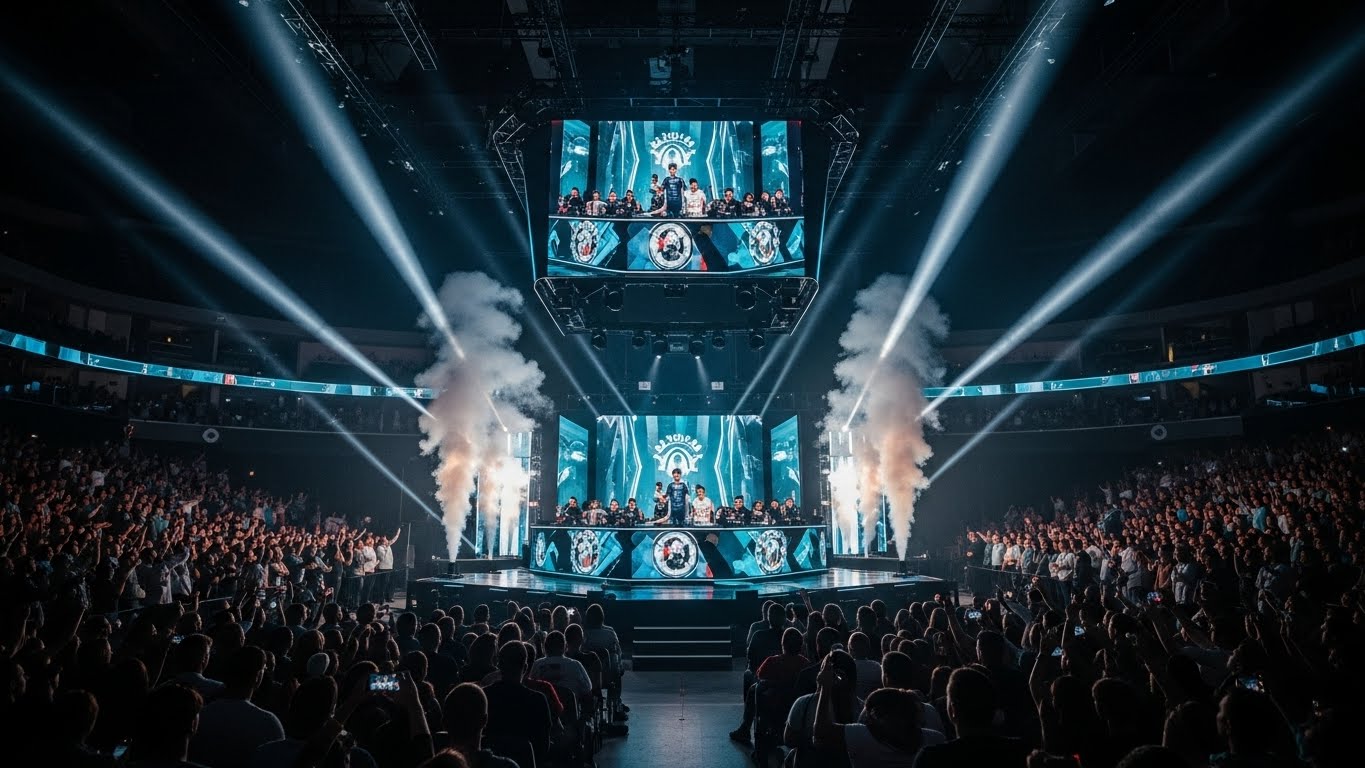
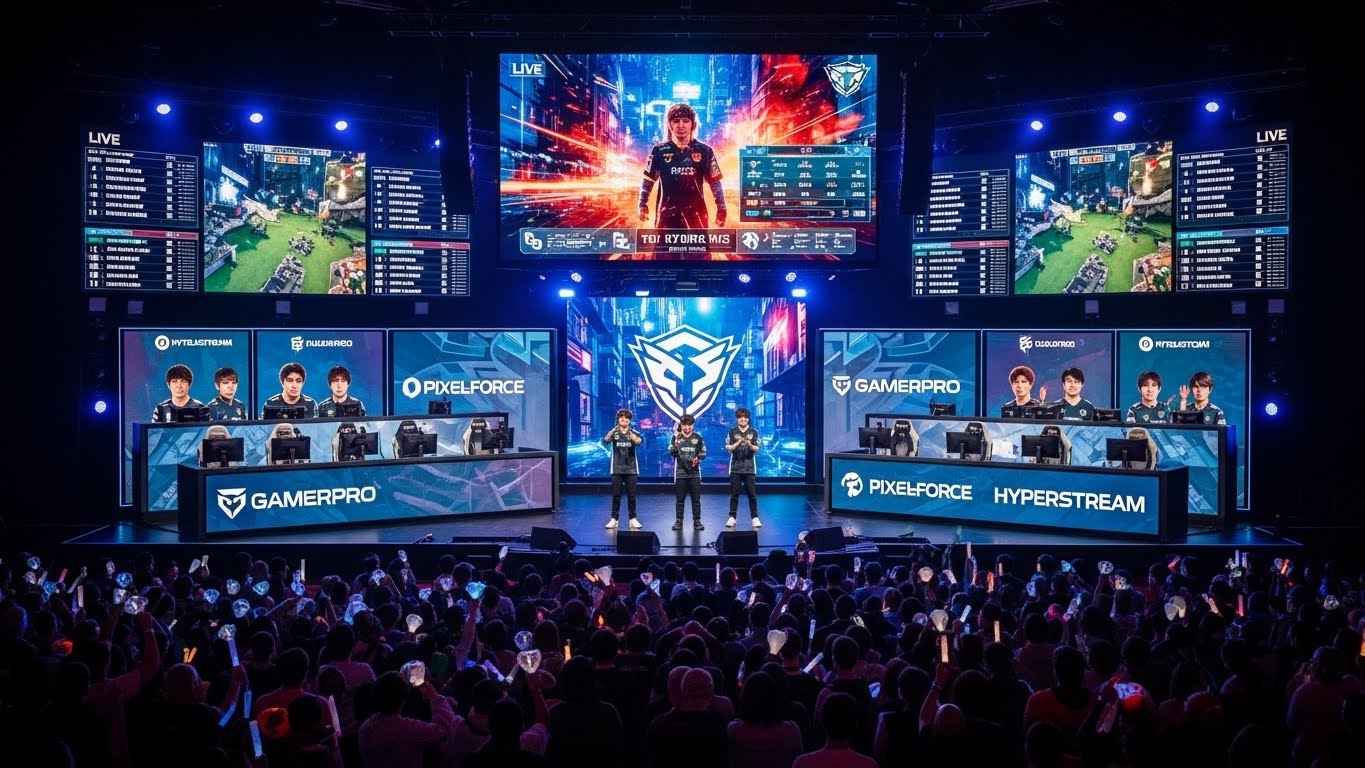
Esports is not just competition; it is entertainment. Live events feature elaborate stage designs, dramatic lighting, and passionate crowds. Online, fans follow their favorite teams, debate strategies, and celebrate iconic plays. Memes, highlights, and player personalities contribute to a vibrant digital culture.
Esports also reflects global diversity. Players and fans come from different countries, cultures, and backgrounds, united by a shared love for gaming. International tournaments showcase this diversity, turning esports into a cultural bridge that connects people beyond language and geography.
Economic Impact and Career Opportunities
The esports industry has created a wide range of career opportunities beyond playing. Event production, broadcasting, marketing, game design, data analysis, journalism, and community management are just a few examples. Universities now offer programs related to esports management and game development, recognizing its growing legitimacy.
Brands invest heavily in esports because it reaches younger, tech-savvy audiences. Merchandise sales, ticketed events, media rights, and sponsorships generate substantial revenue. As the industry matures, financial stability and long-term career paths continue to improve.
Esports vs Traditional Sports
Esports is often compared to traditional sports, and while there are differences, the similarities are striking. Both involve competition, training, fandom, and professional structures. The main difference lies in accessibility. Esports requires less physical infrastructure, making it easier for talent to emerge from anywhere in the world.
Another key difference is adaptability. Esports evolves rapidly as games receive updates, new titles emerge, and strategies change. This constant evolution keeps the scene fresh but also demands continuous learning from players and teams.
Challenges Facing the Esports Industry
Despite its success, esports faces several challenges. Player burnout is a major concern due to long practice hours and intense competition. Maintaining fair play and preventing cheating is another ongoing issue. Additionally, the rapid pace of growth sometimes outpaces regulation, leading to inconsistencies in contracts, player rights, and tournament standards.
Public perception can also be a hurdle. While acceptance is growing, some still view esports as less legitimate than traditional sports. Education and transparency are key to addressing these misconceptions and ensuring sustainable growth.
The Role of Technology in Shaping Esports
Technology is the backbone of esports. Advances in gaming hardware, internet infrastructure, and broadcasting tools have elevated the quality of competition and viewing experiences. High refresh rate monitors, low-latency connections, and advanced analytics tools give players and teams a competitive edge.
Virtual reality, augmented reality, and artificial intelligence may further transform esports in the future. These technologies could introduce new ways to play, train, and watch competitive gaming, pushing the boundaries of what esports can be.
Esports and the Future Generation
For younger generations, esports is not just a hobby; it is a legitimate aspiration. Many grow up watching professional matches and dreaming of competing at the highest level. Schools and community programs are beginning to include esports clubs and competitions, fostering teamwork, problem-solving, and digital literacy.
Parents and educators increasingly recognize that esports can teach valuable skills such as communication, strategic thinking, and adaptability. When balanced with healthy habits, esports can be a positive and empowering activity.
The Future of Esports
The future of esports looks promising. Continued global expansion, improved infrastructure, and greater mainstream acceptance will likely define the next decade. Crossovers with traditional sports, entertainment industries, and education will further integrate esports into everyday life.
As technology advances and audiences grow, esports may become one of the dominant forms of global entertainment. Its ability to evolve, innovate, and connect people ensures that it will remain relevant in an ever-changing digital world.
Conclusion: More Than Just a Game
Esports is more than playing video games competitively. It is a dynamic industry, a cultural movement, and a new form of sport shaped by technology and creativity. From humble beginnings to global arenas, esports has proven that passion, skill, and community can thrive in virtual spaces.
As the line between digital and physical competition continues to blur, esports stands as a symbol of how entertainment and sport are being redefined. Whether you are a player, a fan, or a curious observer, esports represents the future of competition in a connected world.