championstream42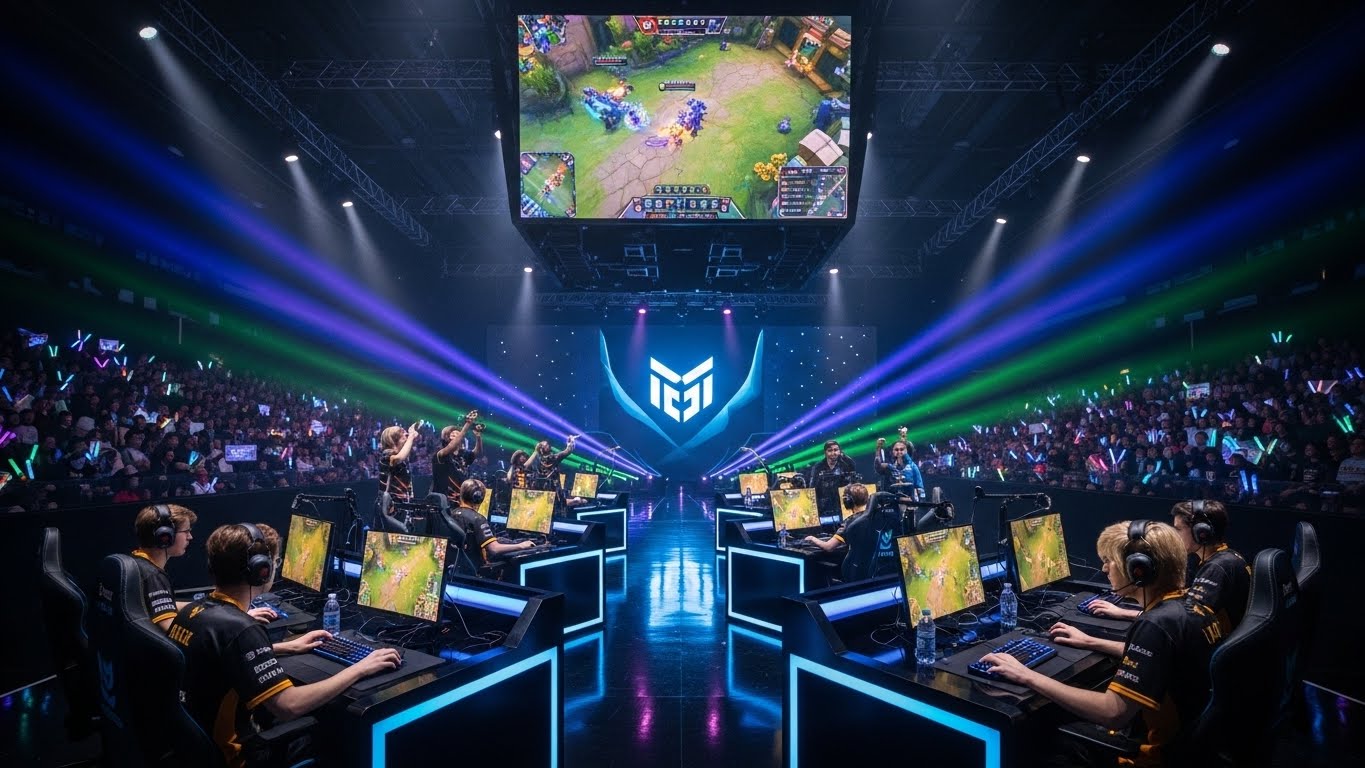
Esports, the competitive world of video gaming, has grown from a niche hobby into a global powerhouse, reshaping how we think about sports, entertainment, and professional careers. What once began as casual online matches among friends has evolved into professional leagues, multi-million-dollar tournaments, and worldwide audiences. Today, esports is more than just playing games—it is a cultural phenomenon, an industry, and a new frontier of competition.
In this blog, we will explore the rise of esports, its impact on players and society, its benefits and challenges, and what the future holds for this rapidly growing industry.
What is Esports?
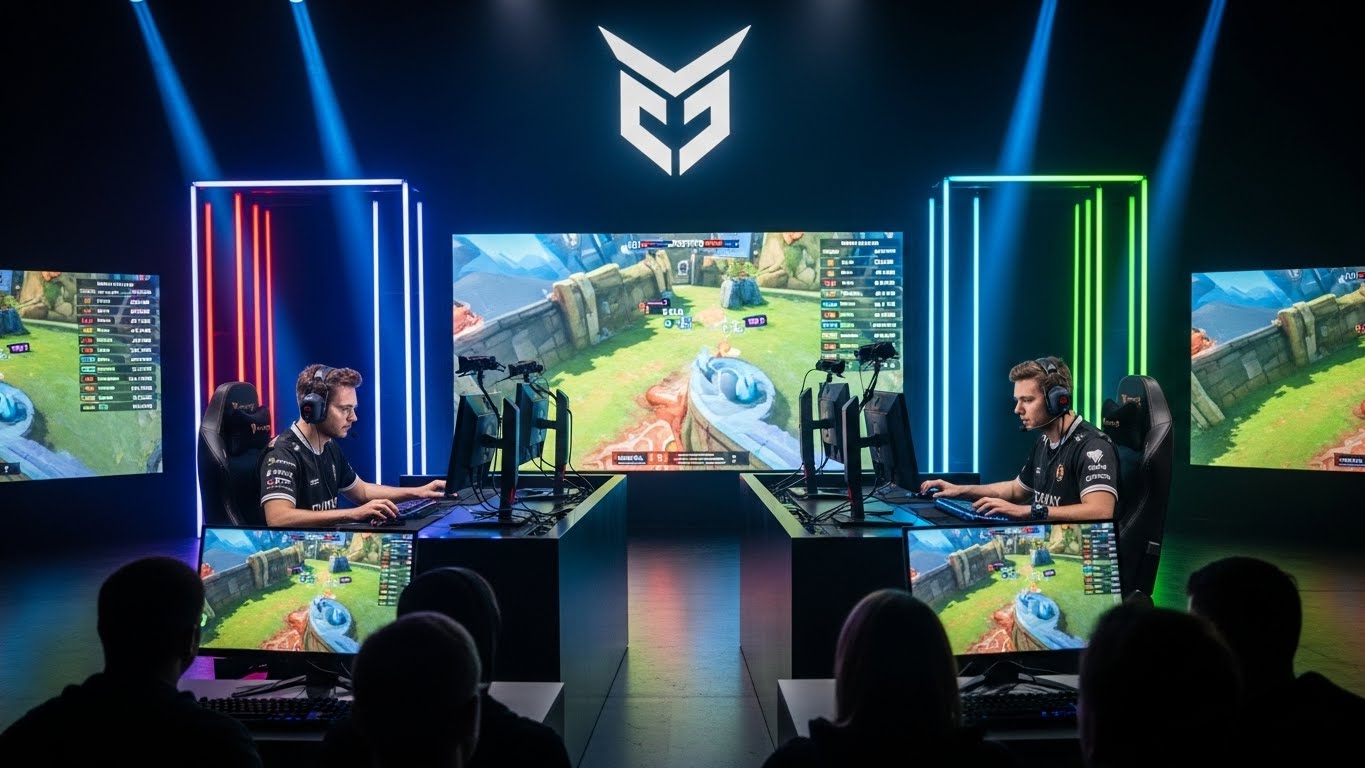
Esports, short for electronic sports, refers to organized competitive gaming where players or teams compete against one another in a structured format. Competitions can be individual or team-based, and games span multiple genres, including first-person shooters, multiplayer online battle arenas, real-time strategy games, and sports simulations. Popular titles like League of Legends, Dota 2, Fortnite, and Counter-Strike have become central to the esports ecosystem.
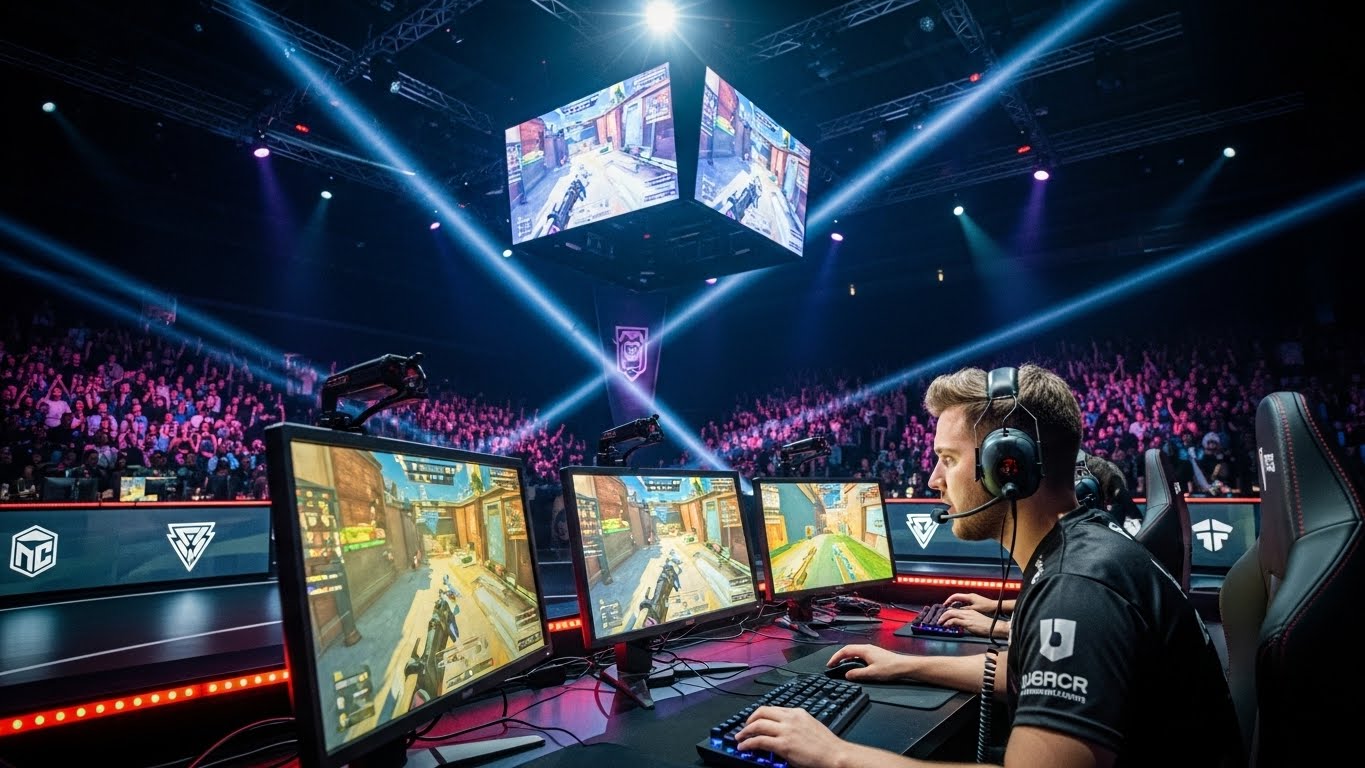
Unlike casual gaming, esports is highly strategic and skill-intensive. Players need exceptional hand-eye coordination, reflexes, decision-making abilities, and teamwork skills. Professional esports athletes often train for hours each day, analyzing gameplay, developing strategies, and honing mechanical skills to maintain a competitive edge.
The Origins of Esports
The origins of esports can be traced back to the late 1970s and 1980s when arcade competitions began attracting players. Early tournaments focused on games like Space Invaders and Pac-Man, drawing attention in local communities. The growth of personal computers and gaming consoles in the 1980s and 1990s allowed competitive gaming to spread to a wider audience.
The rise of the internet played a crucial role in transforming esports into a global activity. Online multiplayer games enabled players from different countries to compete in real time, creating the foundation for international competitions. South Korea became a pioneer in the professionalization of esports, establishing gaming houses, leagues, and televised tournaments that set the stage for the modern esports industry.
The Global Growth of Esports
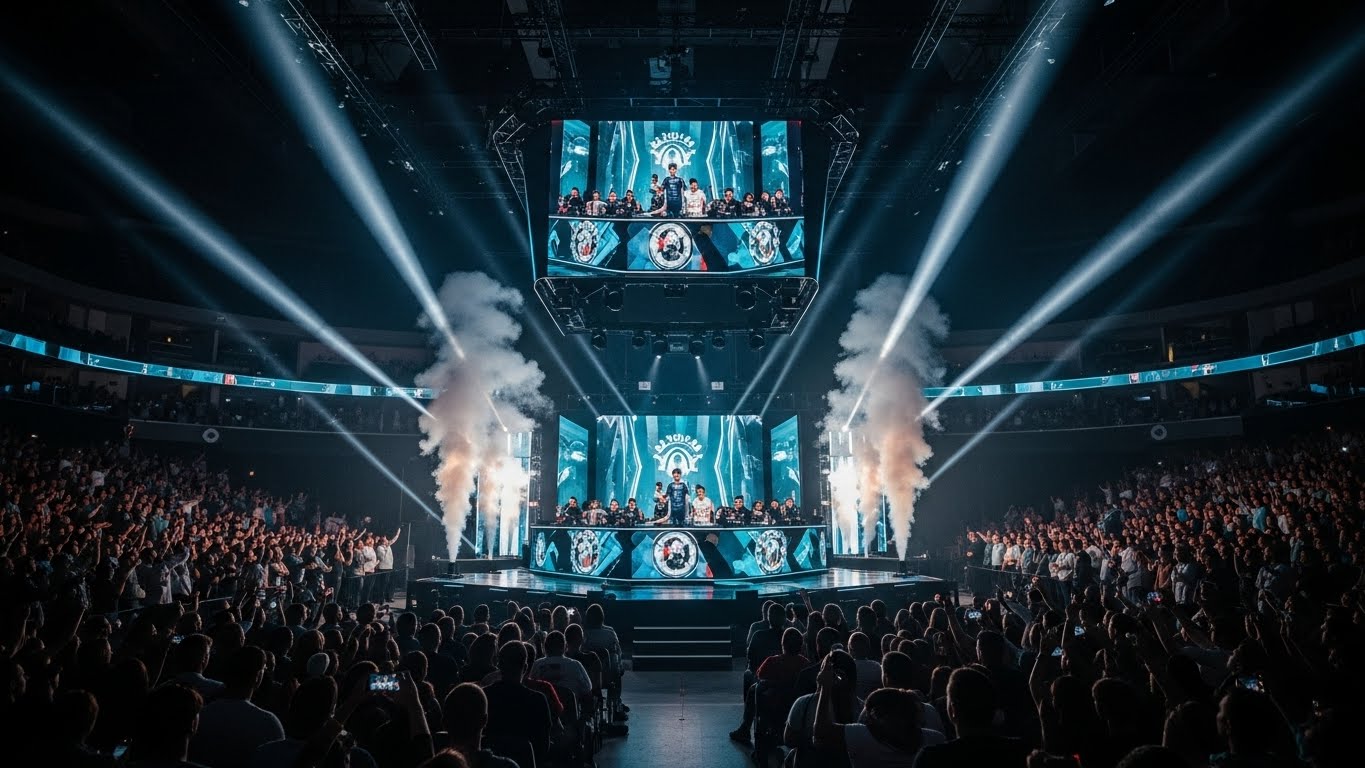
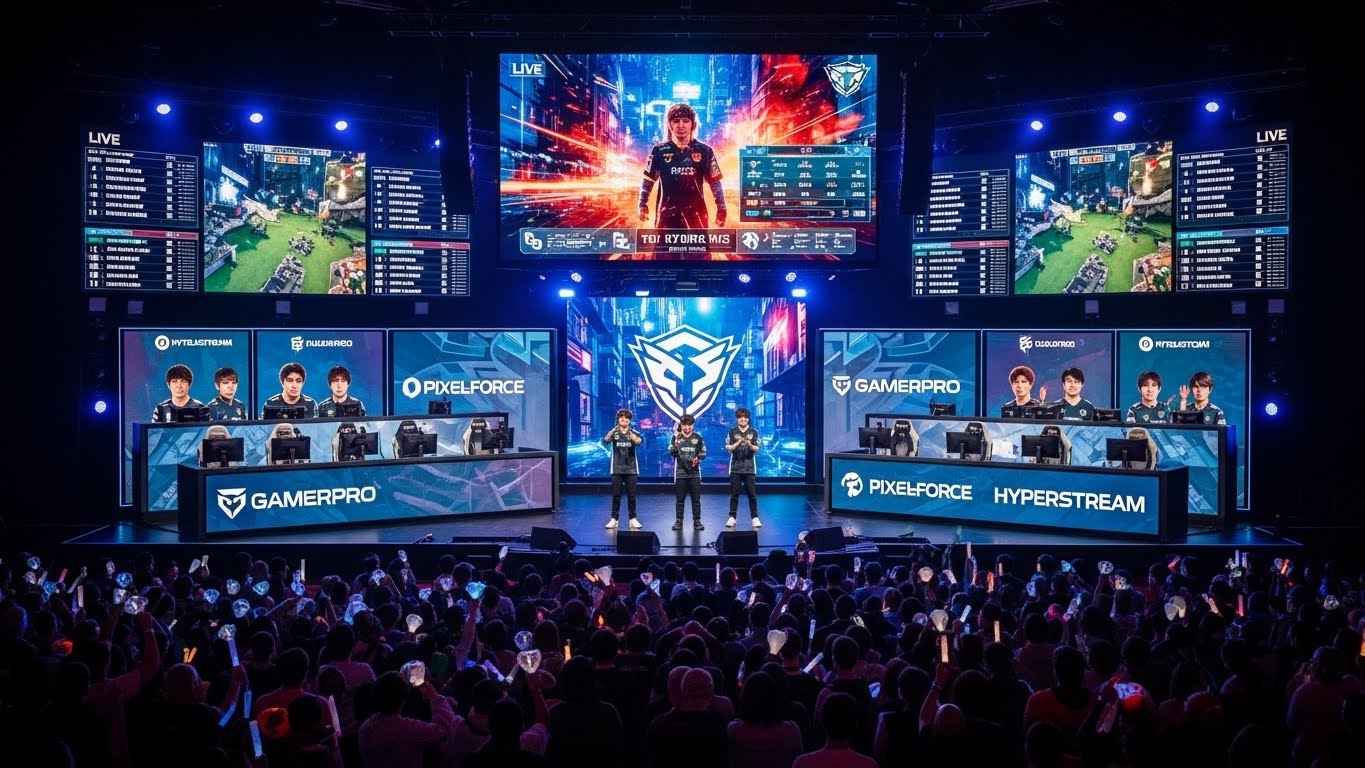
Over the last decade, esports has experienced explosive growth. Tournaments now fill arenas with thousands of fans, while millions more watch online via streaming platforms like Twitch and YouTube Gaming. Prize pools for top competitions often reach millions of dollars, rivaling traditional sporting events in popularity and spectacle.
Esports has also expanded into educational and amateur levels. Universities and schools worldwide are offering esports programs and scholarships, providing structured environments for players to develop skills while pursuing education. Collegiate esports has become an essential part of nurturing talent and promoting teamwork, leadership, and strategic thinking among students.
Skills Required for Competitive Gaming
Esports requires more than just quick reflexes. Success in competitive gaming demands cognitive, social, and emotional skills. Players must think critically, anticipate opponents’ moves, and adapt strategies quickly. High-pressure environments require mental resilience, focus, and emotional control to perform consistently.
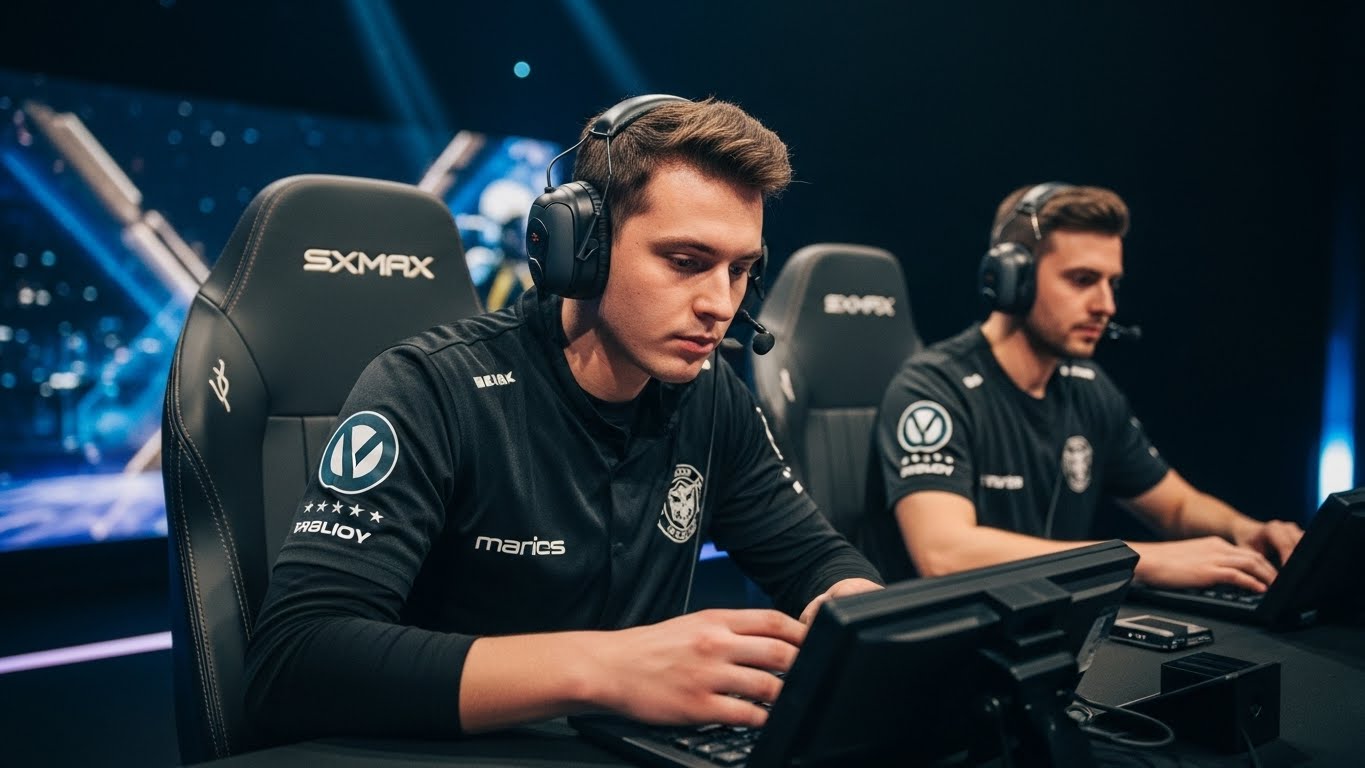
Team-based games also emphasize collaboration and communication. Players coordinate complex tactics, share information instantly, and rely on each other’s strengths. Leadership, empathy, and the ability to remain calm under pressure are essential qualities that define successful esports athletes.
Training and Discipline in Esports
Professional esports players follow rigorous training routines similar to traditional athletes. Practice sessions often last several hours a day, including gameplay, strategy review, and team scrimmages. Analysts and coaches help players identify weaknesses, refine tactics, and maintain optimal performance.
Physical fitness and mental health are increasingly recognized as critical for success. Players engage in exercise, maintain proper nutrition, and prioritize rest to prevent burnout and improve focus. Organizations now employ sports psychologists to help athletes manage stress, improve concentration, and maintain a healthy balance between gaming and personal life.
Esports as a Community Builder
One of esports’ most remarkable aspects is its ability to build communities. Players and fans connect across the globe through shared passion for gaming and competition. Online platforms allow fans to follow favorite teams, discuss strategies, and celebrate victories, creating a sense of belonging and connection.
Esports communities extend beyond competition, promoting collaboration, mentorship, and creativity. Content creators, streamers, and commentators contribute to these communities, providing entertainment and engagement that strengthens fan loyalty. This social dimension makes esports a powerful force for connection in a digital age.
Career Opportunities Beyond Playing
Esports offers a wide range of career opportunities beyond being a professional player. Coaches, analysts, team managers, event organizers, broadcasters, marketers, and content creators all play vital roles in the industry. Game developers and designers also benefit from the growth of esports, as competitive gaming drives innovation and long-term engagement with games.
Educational institutions have recognized this trend, introducing programs and courses that prepare students for careers in esports management, digital media, and event production. The industry’s expansion has created new avenues for financial stability and professional recognition, making esports a viable career path.
Educational Value of Esports
Esports is increasingly integrated into educational systems. Schools and universities are establishing clubs, teams, and competitions, offering students the opportunity to develop skills such as teamwork, problem-solving, leadership, and communication. Participation in esports can enhance cognitive abilities and foster digital literacy, preparing students for careers in technology and media.
Esports in education also promotes responsible gaming habits. Structured programs encourage balance between gaming, academics, and physical activity, ensuring holistic development for students while nurturing competitive talent.
Challenges Facing Esports
Despite its growth, esports faces challenges that require careful management. Player burnout is a significant concern, as long hours of training and high-stress competition can impact mental and physical health. Maintaining a healthy work-life balance is essential for sustainable careers.
Ethical issues such as cheating, harassment, and match-fixing threaten the integrity of the industry. Organizations must implement strict rules, monitor competitions, and protect players to ensure fair play. Economic disparity is another challenge, as aspiring players often struggle to access sponsorships, training facilities, and development opportunities.
Cultural Impact of Esports
Esports has become a cultural phenomenon influencing fashion, entertainment, music, and online trends. Professional players have become celebrities and role models, inspiring millions of fans with their dedication, skill, and personality. The rise of esports has reshaped perceptions of gaming, highlighting its potential for strategy, creativity, and social interaction.
Tournaments and events often feel like festivals, combining competition with entertainment and community engagement. Esports celebrates intellectual skill and teamwork, expanding the definition of athleticism and competition in the modern era.
The Future of Esports
The future of esports is promising, driven by technological innovation and growing societal acceptance. Virtual reality, augmented reality, and artificial intelligence are likely to enhance gameplay, training, and viewing experiences, making esports more immersive and interactive.
Collaboration with traditional sports leagues and media platforms will further legitimize esports while expanding audiences. Increased focus on inclusivity, with programs for women, differently-abled players, and underrepresented communities, ensures that esports remains accessible and diverse.
As infrastructure, sponsorship, and educational programs continue to improve, esports will become an even more influential force in entertainment, culture, and professional development worldwide.
Conclusion: Esports as a Digital Revolution
Esports has redefined competition in the digital age. Combining strategy, skill, teamwork, and technology, it offers opportunities for personal growth, community engagement, and professional careers. From small online matches to global tournaments, esports demonstrates that competition can thrive in virtual spaces while delivering real-world impact.
While challenges like health concerns, ethical issues, and financial inequality remain, the potential for innovation, cultural influence, and economic growth makes esports a vital part of modern entertainment. It is no longer just a game—it is a movement, a career path, and a global phenomenon shaping the future of competition.
Esports is a testament to how digital technology can transform human experiences, create new communities, and redefine the very idea of athletic excellence. The world of esports has leveled up, and its journey is just beginning.