championstream42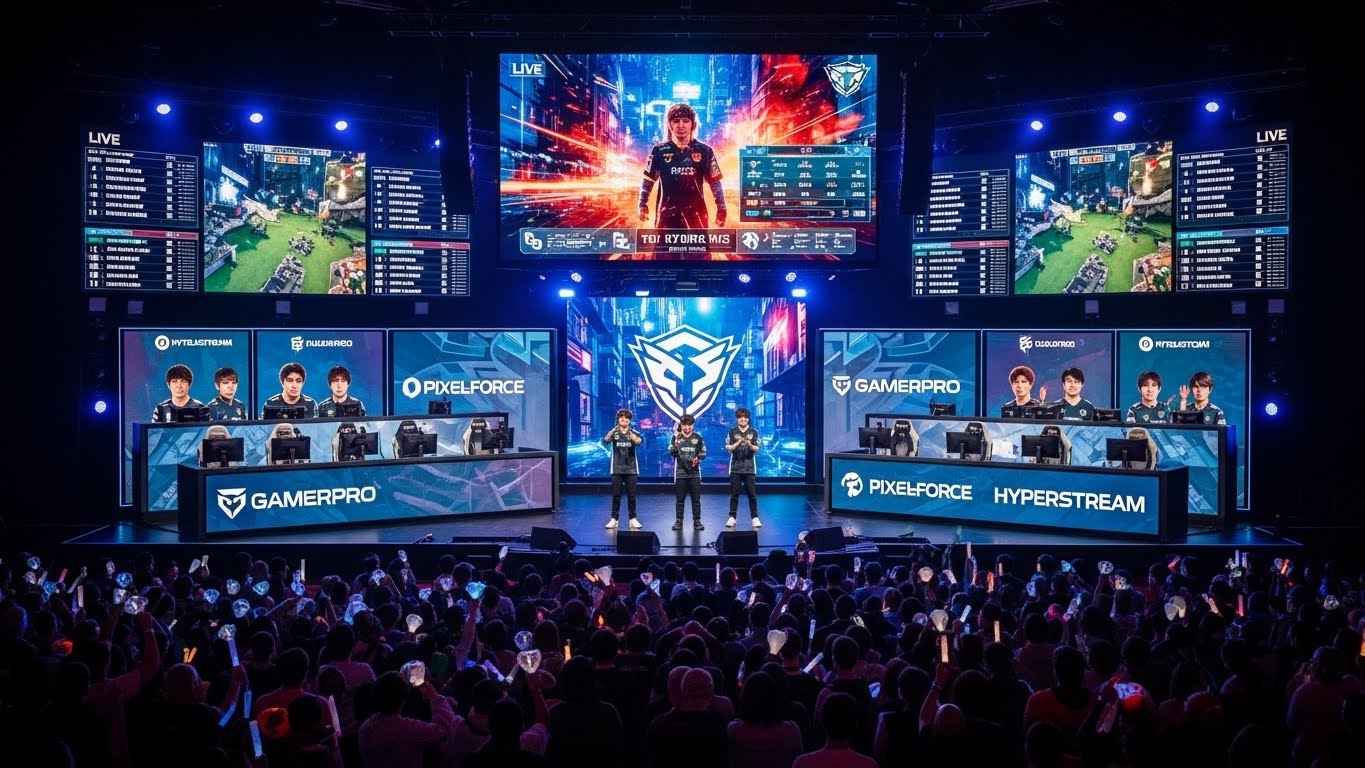
The world of sports is evolving, and esports has emerged as one of the most revolutionary developments in modern entertainment and competition. Once considered a niche hobby limited to video game enthusiasts, esports has now become a global phenomenon with millions of fans, professional players, and a thriving industry. It blends technology, strategy, and skill, creating a unique arena where mental agility can rival physical prowess. In this post, we explore the rise of esports, its impact on individuals and society, and the exciting future it promises.
The Origins of Esports
Esports has roots that stretch back several decades, with competitive gaming emerging in the late 1970s and early 1980s. Early competitions were small-scale tournaments, often held in arcades or on college campuses. Titles such as Space Invaders and Pac-Man were among the first games to host competitive events, setting the stage for a new form of organized competition.
The 1990s saw the rise of real-time strategy and first-person shooter games, including StarCraft and Counter-Strike, which became cornerstones of competitive gaming. With the advent of the internet, esports transcended local communities, enabling global tournaments where players could compete in real-time, regardless of geographical barriers. Today, esports spans multiple genres, including multiplayer online battle arenas, sports simulators, and battle royale games, reflecting the diversity and creativity of modern gaming.
The Global Reach of Esports
One of the most remarkable aspects of esports is its universal appeal. Unlike traditional sports, esports does not require extensive physical ability or specialized facilities. Anyone with a computer, console, or gaming device can participate, making it accessible to millions worldwide.
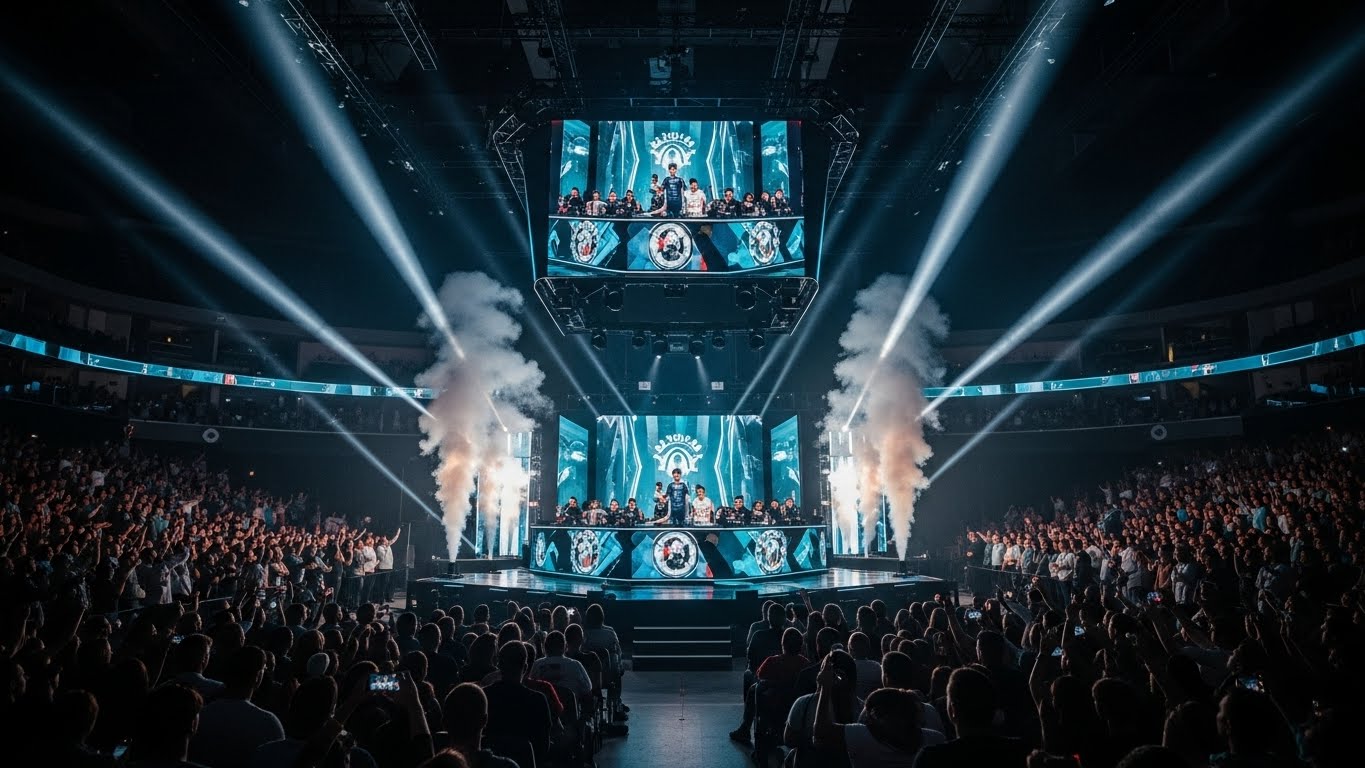
Countries across Asia, North America, and Europe have embraced competitive gaming, and global tournaments draw audiences rivaling traditional sports events. Platforms that enable live streaming of matches have cultivated vibrant communities where fans can watch, comment, and interact with players in real-time. This accessibility has transformed esports into a worldwide phenomenon that transcends cultural and geographic boundaries.
Physical and Cognitive Benefits of Esports
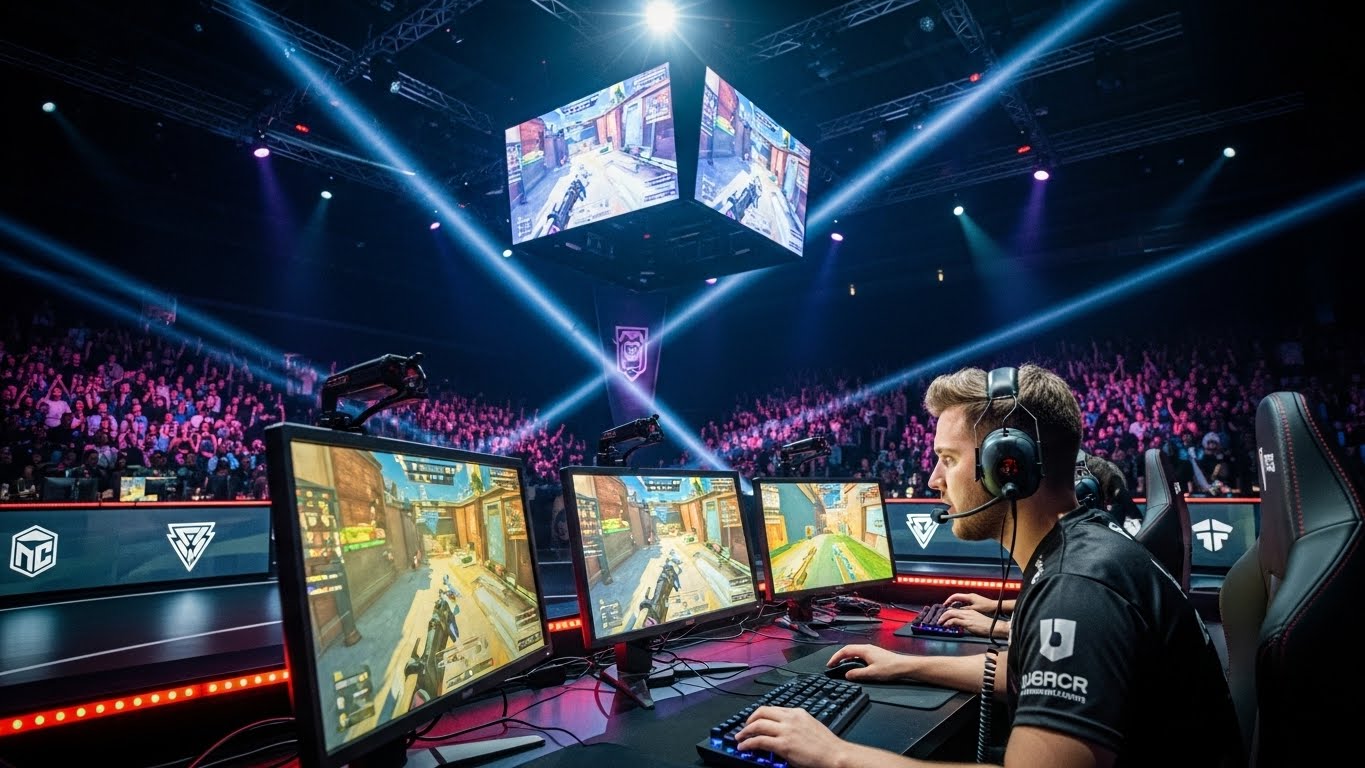
While esports is often perceived as a sedentary activity, it offers unique cognitive and mental benefits. Competitive gaming requires critical thinking, quick decision-making, precise hand-eye coordination, and strategic planning. These skills are honed over hours of practice and directly translate to improved multitasking and problem-solving abilities.
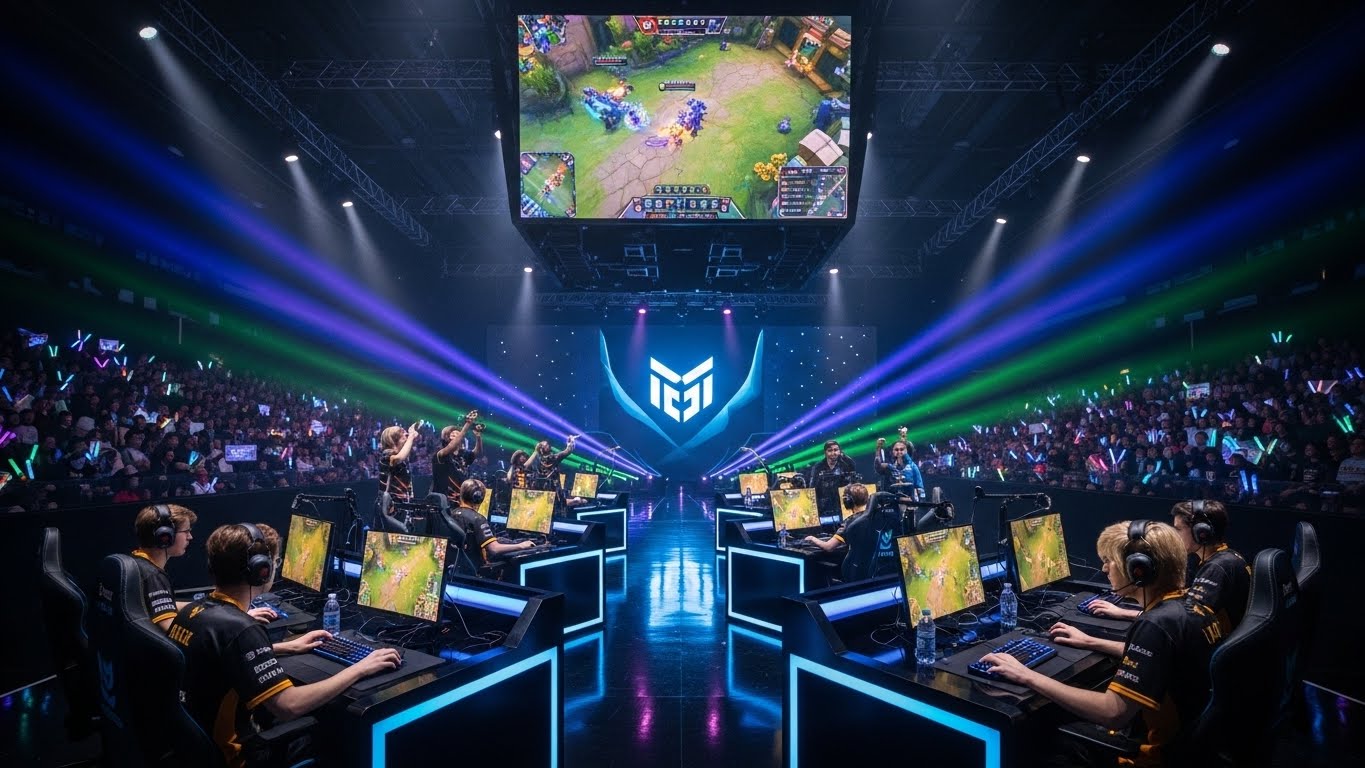
Esports also fosters mental resilience and emotional intelligence. Players must cope with high-pressure situations, adapt to unexpected challenges, and maintain focus during long matches. Team-based games cultivate communication and collaboration skills, teaching players to work effectively in groups. Far from being mere entertainment, esports can be a training ground for cognitive and personal development.
Esports as a Professional Career
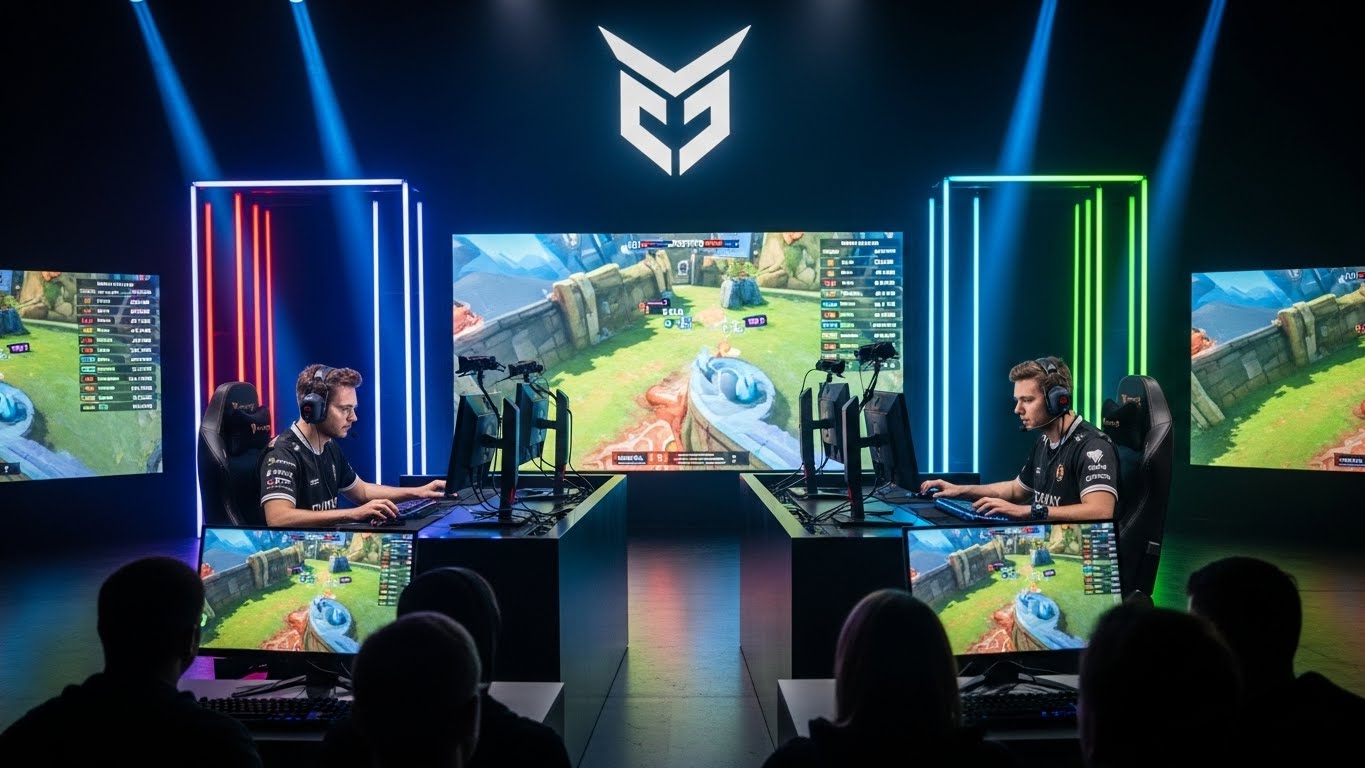
The rise of esports has transformed it into a legitimate career path. Professional players compete for substantial prize money, endorsements, and sponsorships. Leading esports teams operate similarly to traditional sports franchises, employing coaches, analysts, marketing specialists, and management personnel.
Beyond playing professionally, esports offers diverse career opportunities. Coaching, content creation, game analysis, event organization, and broadcasting are thriving fields. Universities have even begun offering scholarships for esports athletes, further legitimizing gaming as a professional pursuit. As the industry grows, esports careers provide not only financial rewards but also global recognition and opportunities for personal growth.
The Economic Power of Esports
Esports has become a major economic force in the modern entertainment industry. Tournaments generate revenue through ticket sales, merchandise, sponsorships, and media rights. Streaming platforms provide additional income through subscriptions, donations, and advertisements, while sponsorships from global brands demonstrate esports’ marketing potential.
Cities that host major esports events experience economic benefits through tourism, infrastructure investment, and local business growth. Furthermore, the industry has created a robust ecosystem that includes game developers, hardware manufacturers, broadcasters, and event organizers. This economic impact highlights esports as a significant contributor to global commerce and digital innovation.
Esports and Culture
Esports has cultivated a unique cultural identity that blends technology, entertainment, and competition. Gaming conventions, cosplay events, and fan gatherings foster community and shared experiences. Dedicated fan bases celebrate iconic players, legendary matches, and memorable in-game moments, creating a rich tapestry of collective memory.
Competitive gaming also challenges traditional notions of sports and athleticism. It emphasizes mental skill, strategic thinking, and adaptability over physical strength, broadening society’s understanding of competition. Esports culture has even influenced fashion, music, and media, demonstrating its pervasive impact on modern society.
Technology’s Role in Esports
The evolution of esports is inseparable from technological advancements. High-speed internet, advanced graphics, and powerful gaming devices enable smooth and competitive gameplay. Innovations such as virtual reality, augmented reality, and artificial intelligence are increasingly integrated into esports, enhancing training, strategy, and viewer engagement.
Streaming technology allows millions of fans to watch live events from anywhere in the world. Analytics tools provide insights into player performance, team dynamics, and audience engagement, enabling data-driven decisions for both players and organizations. Technology ensures that esports continues to grow and adapt in the digital age.
Challenges Facing Esports
Despite its successes, esports faces several challenges. Prolonged gaming sessions can lead to physical strain, such as eye fatigue, repetitive stress injuries, and a sedentary lifestyle. Mental health concerns, including stress, burnout, and performance anxiety, are also prevalent among professional players.
Ethical issues such as cheating, match-fixing, and unequal access pose further challenges. Gender disparities, harassment, and toxicity in online communities require attention to ensure inclusivity and fairness. Addressing these issues is essential for maintaining the integrity and sustainability of esports as a professional and cultural endeavor.
Esports in Education
Esports is increasingly recognized as a valuable educational tool. Schools and universities are incorporating competitive gaming programs to teach leadership, teamwork, and strategic thinking. Esports also exposes students to technology, media production, and event management, preparing them for careers in diverse industries.
Students can develop creativity and communication skills by producing content such as tutorials, commentaries, and strategy guides. By integrating esports into education, institutions promote digital literacy, critical thinking, and collaboration, equipping students with skills that extend beyond gaming.
Social Impact of Esports
Esports plays a significant role in fostering social connections. Online gaming communities provide platforms for friendship, collaboration, and mutual support. For individuals who face geographic, physical, or social barriers, esports offers opportunities for inclusion, engagement, and recognition.
Additionally, esports promotes diversity and representation. Players from various cultural, socioeconomic, and physical backgrounds can compete on equal footing, challenging stereotypes and expanding societal perceptions of talent and ability. This inclusivity is one of esports’ most powerful contributions to contemporary culture.
The Future of Esports
The future of esports promises innovation, expansion, and increased mainstream recognition. Emerging technologies will continue to enhance gameplay, training, and fan experiences. Virtual reality and artificial intelligence are expected to redefine how competitions are conducted and experienced, making esports more immersive and interactive.
Sustainability and inclusivity will also shape the future of esports. Initiatives aimed at reducing environmental impact, promoting diversity, and establishing global regulations will ensure the industry develops responsibly. As esports continues to integrate entertainment, technology, and education, it will solidify its role as a transformative force in modern society.
Conclusion: Esports as a Cultural and Competitive Revolution
Esports has evolved far beyond its origins as a simple form of entertainment. It is a global movement that redefines competition, fosters innovation, and unites diverse communities. With benefits ranging from cognitive development to economic growth, esports is not only a viable career path but also a cultural phenomenon.
The rise of esports highlights the changing nature of sports and competition in the digital age. It teaches resilience, strategy, collaboration, and creativity, providing lessons that extend well beyond the virtual arena. As technology and society continue to evolve, esports will remain a dynamic and influential force, shaping how we play, compete, and connect in the modern world.