championstream42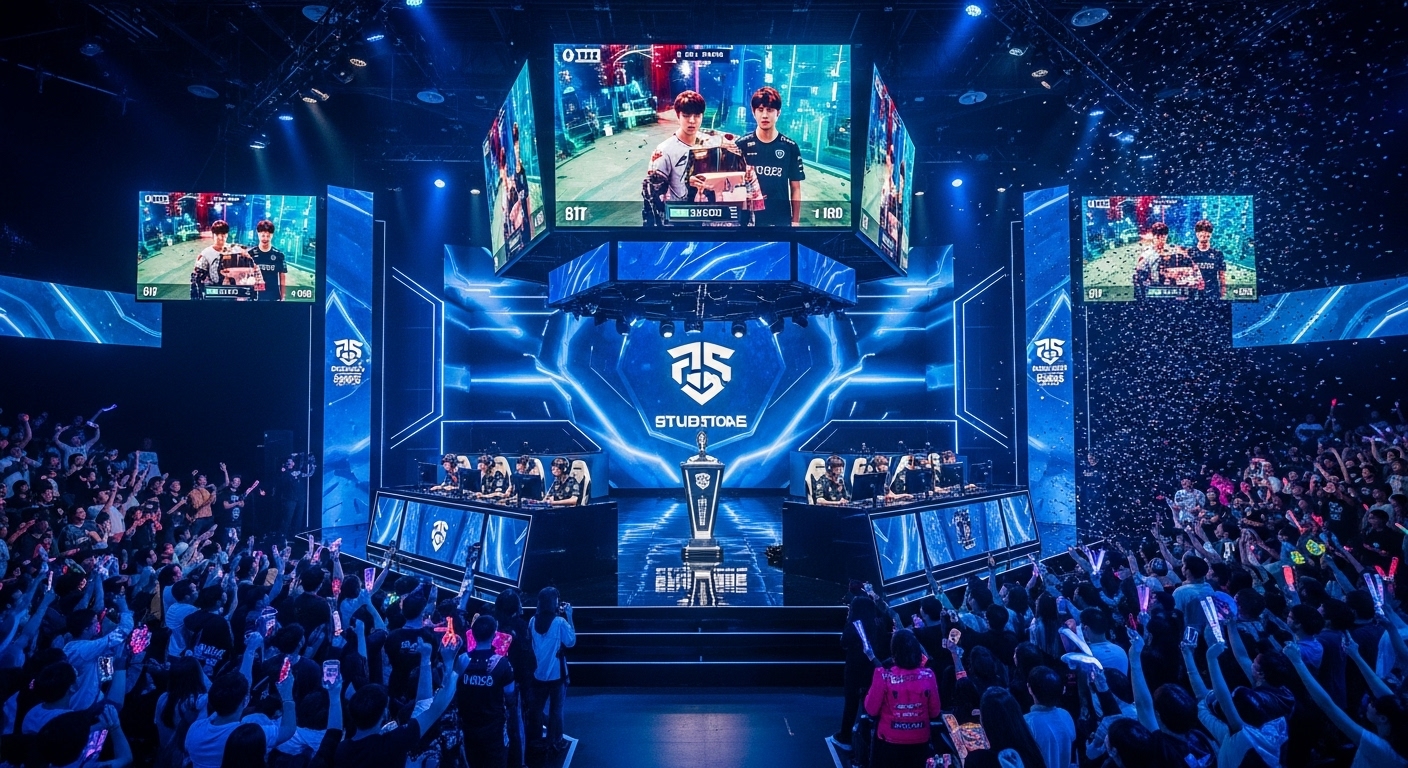
Introduction: A New Frontier in Global Competition
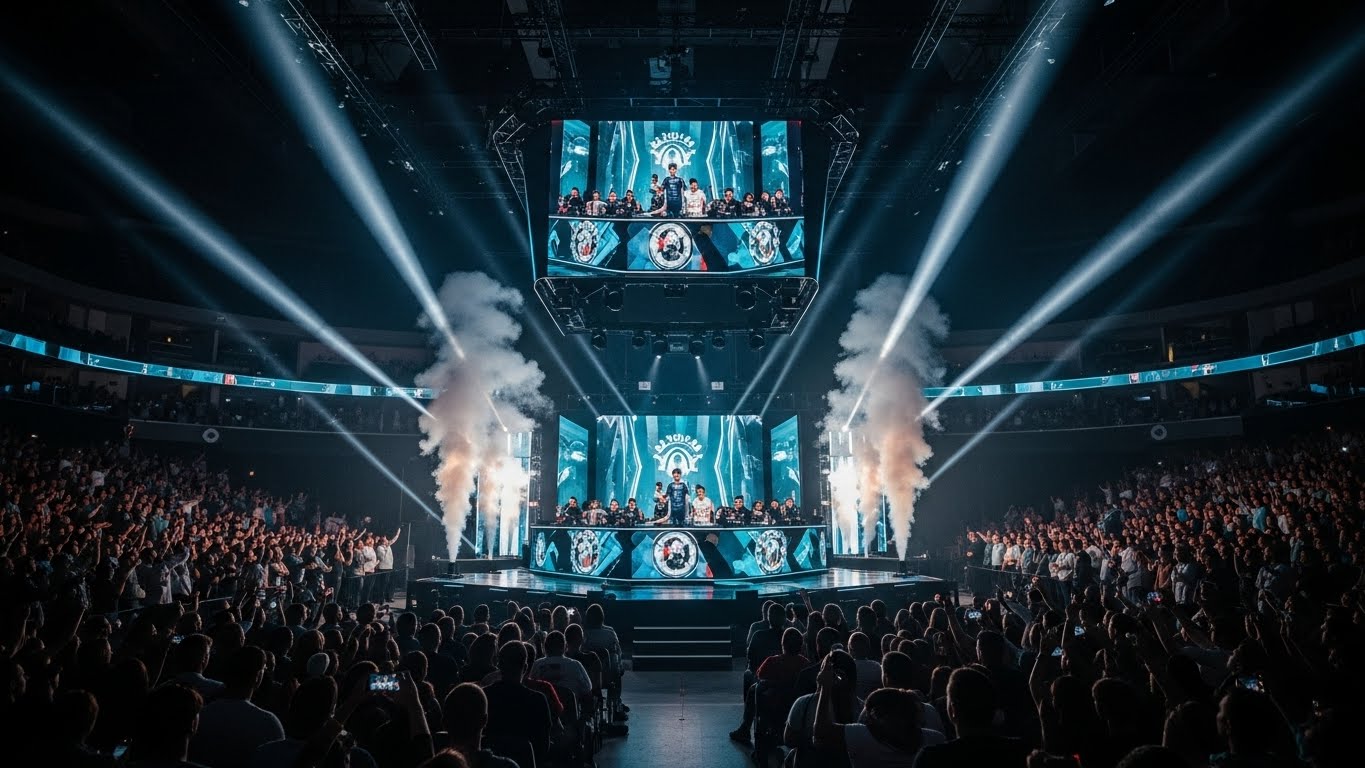
Esports, once a niche hobby for a dedicated group of gamers, has transformed into a global phenomenon that captivates millions of viewers and players alike. Competitive gaming, with its immersive worlds, skilled players, and global reach, has evolved into a professional industry, complete with sponsorships, live tournaments, and multi-million-dollar prize pools. What started as small-scale competitions has now blossomed into an organized sport with its own ecosystems, fanbases, and commercial opportunities. In this blog post, we will dive deep into the rise of esports, the factors behind its explosive growth, and the reasons why it has become such a significant part of the entertainment landscape.
The Origins of Esports: From the Living Room to the Stadium
The journey of esports began decades ago, in the early days of video gaming, long before streaming platforms like Twitch and YouTube Gaming even existed. In the late 1980s and early 1990s, games like Pong, Space Invaders, and Street Fighter laid the groundwork for competitive play. The real turning point came when multiplayer games emerged, allowing players to connect with others over local networks or the early stages of the internet.
In the mid-1990s, the concept of organized competitive gaming began to take shape. Games like StarCraft and Warcraft allowed players to compete against each other over the internet, which laid the foundation for more serious tournaments. By the early 2000s, organizations like the World Cyber Games and Major League Gaming (MLG) were established, and the first large-scale tournaments began to take place. These events, though small by today’s standards, marked the beginning of what would become the multi-billion-dollar esports industry.
Esports Today: A Diverse and Thriving Ecosystem
Esports has come a long way since those early LAN party days, with numerous games and tournaments driving its global success. Today, esports spans several genres, each offering unique competitive experiences and attracting diverse audiences. Some of the most popular genres in esports include Multiplayer Online Battle Arenas (MOBAs), First-Person Shooters (FPS), Battle Royale games, and sports simulation games.
MOBAs (Multiplayer Online Battle Arenas): The Strategic Powerhouses
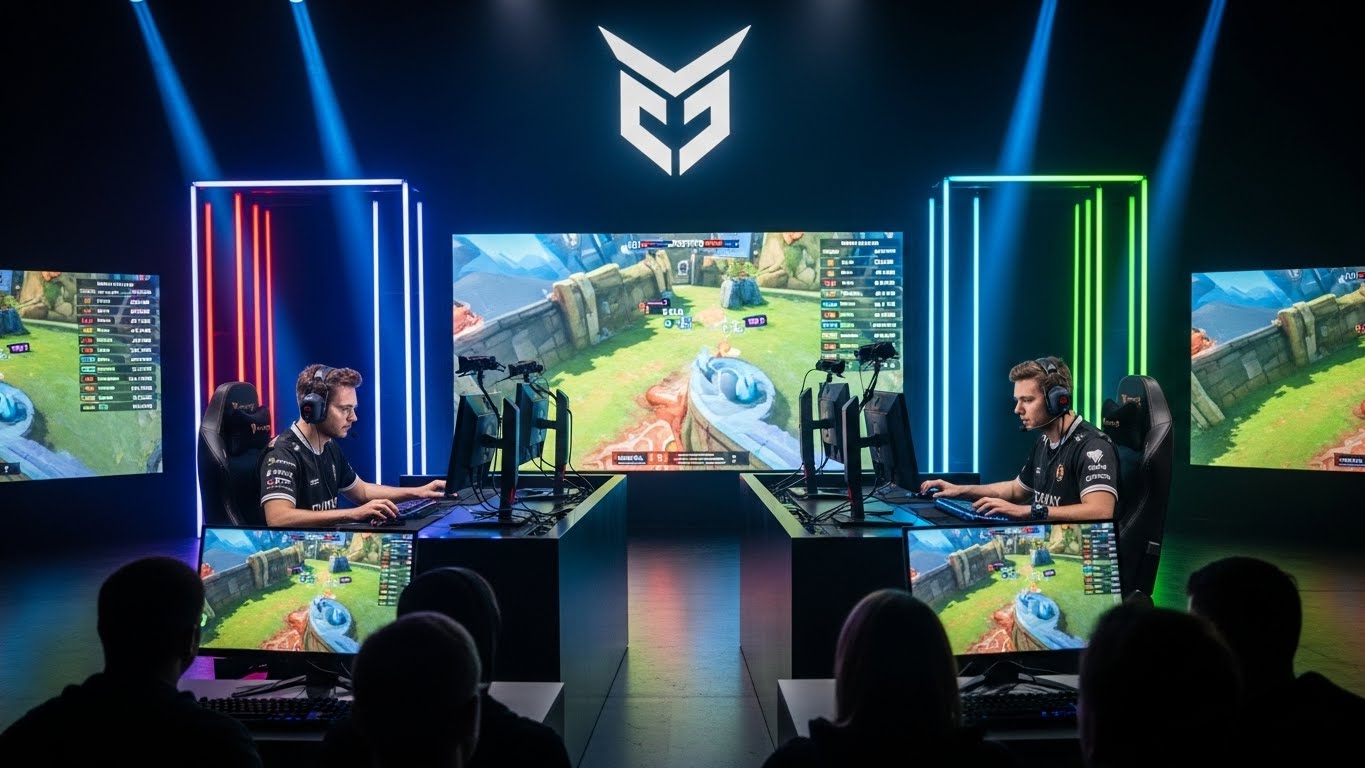
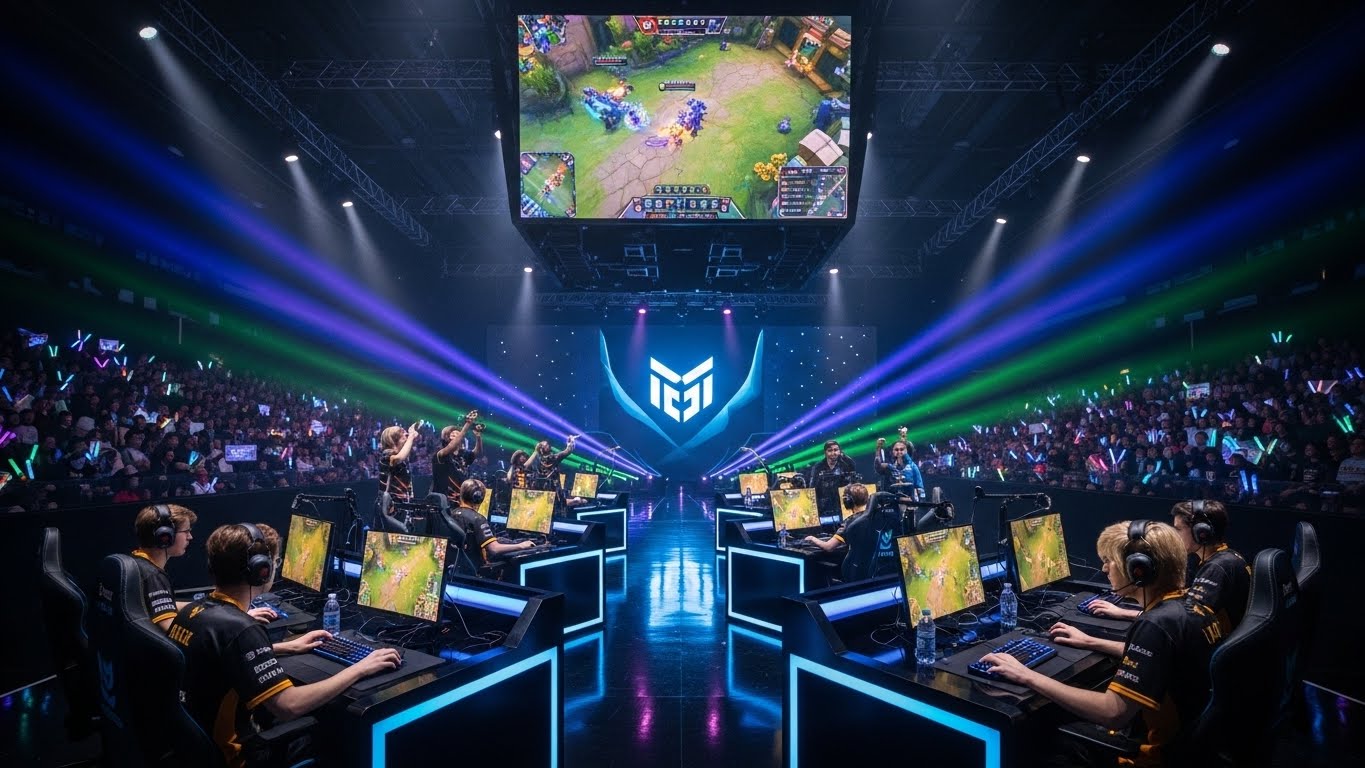
MOBAs, such as League of Legends (LoL) and Dota 2, have become the cornerstone of esports. In these games, teams of five players battle to destroy the enemy’s base while defending their own. The games are complex, with deep mechanics, requiring both individual skill and tight teamwork. League of Legends has become a global phenomenon, with its annual World Championship attracting millions of viewers worldwide. Similarly, Dota 2’s The International is one of the most prestigious tournaments in esports, with prize pools reaching over $40 million in recent years.
FPS (First-Person Shooters): High-Speed Combat and Strategy
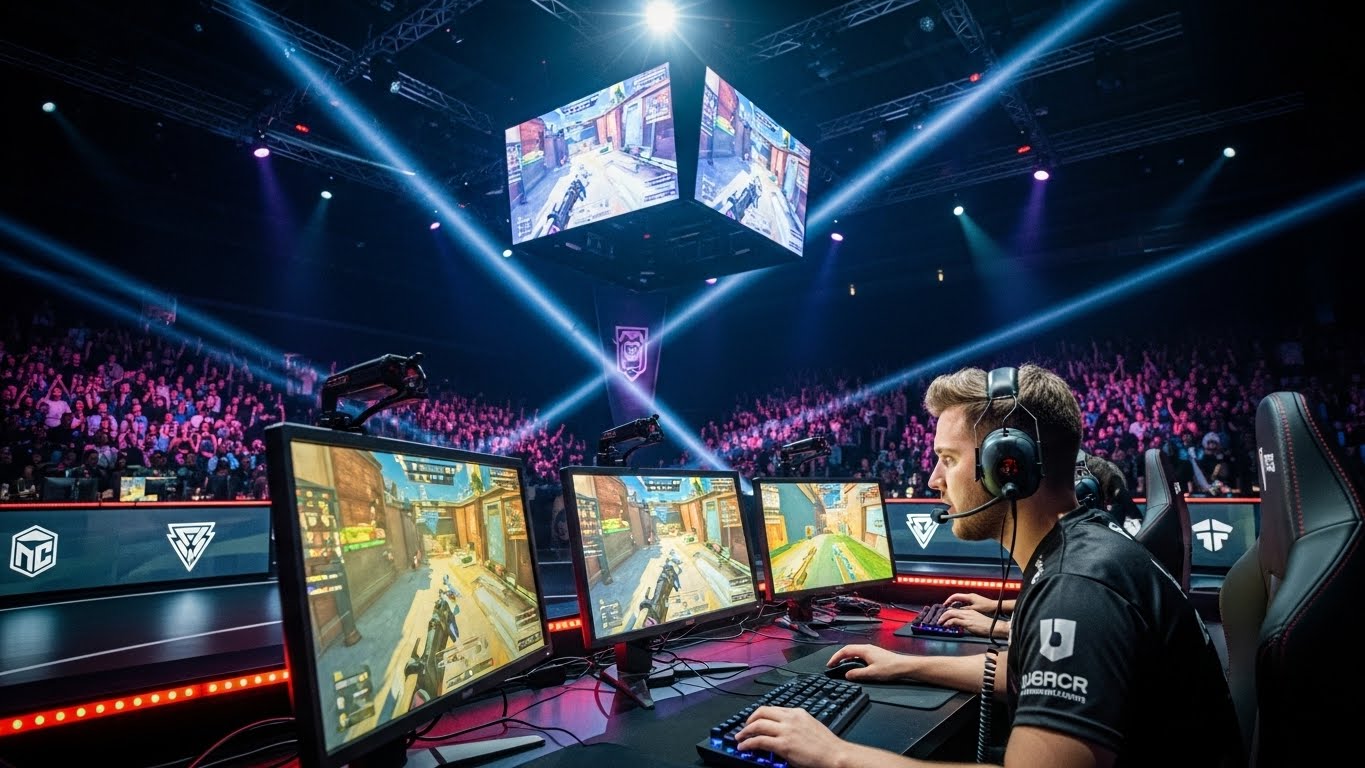
FPS games like Counter-Strike: Global Offensive (CS: GO), Call of Duty, and Valorant offer fast-paced, action-packed gameplay where teams compete to complete objectives or eliminate the enemy. These games test reflexes, precision, and tactical thinking, making them exciting to play and watch. CS: GO, in particular, has become one of the most successful esports titles, with an established professional scene, international tournaments, and large fanbases across Europe, North America, and Asia.
Battle Royale Games: The Thrill of Survival
The Battle Royale genre, which exploded in popularity with games like Fortnite and PUBG (PlayerUnknown’s Battlegrounds), is another driving force in esports. These games feature large, open-world maps where players fight to be the last one standing. Fortnite, with its unique building mechanics and free-to-play model, has attracted a massive audience, especially among younger gamers. The inclusion of celebrity events, live concerts, and crossovers with pop culture icons has turned Fortnite into more than just a game—it’s a cultural event.
Sports Simulations: Bringing Real-Life Sports to the Digital World
Sports simulation games, such as FIFA and NBA 2K, replicate real-world sports in a virtual environment. These games are especially popular in regions where traditional sports like football, basketball, and soccer reign supreme. Esports competitions around these titles often follow real-life sports seasons, adding another layer of realism for fans. The rise of esports leagues in sports games is an interesting trend, as they offer a way to merge traditional sports with digital competition.
Professionalization of Esports: A Career Path for the Skilled
One of the most striking changes in esports has been its professionalization. What began as informal, community-driven competitions has now evolved into a multi-tiered professional industry. Top-tier esports organizations now resemble traditional sports teams, with professional players, coaches, analysts, and team managers working together to secure victories and sponsorships.
Training and Player Development
Becoming a professional esports player is no different from pursuing a career in traditional sports. Players train for hours daily, refining their skills, analyzing opponents, and building team chemistry. Esports players are known for their high level of focus, which involves both physical and mental endurance. The pressure to perform in high-stakes tournaments can be immense, and like athletes in other fields, esports competitors often face burnout and intense stress.
Sponsorships and Revenue Streams
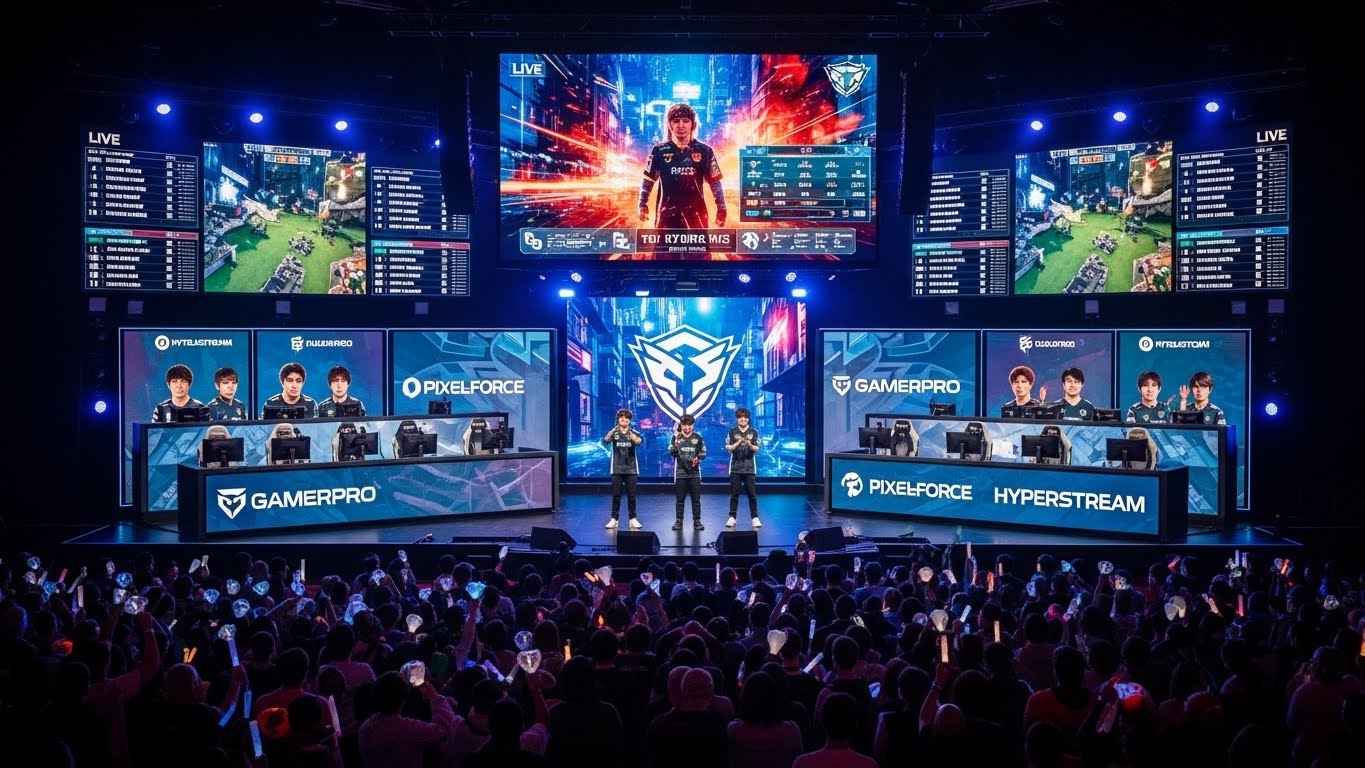
As esports continues to grow, sponsorships and revenue streams have followed suit. Major brands, from tech giants like Intel and Nvidia to beverage companies like Red Bull, have invested heavily in the esports industry. These sponsorships help fund tournaments, player salaries, and team operations. Prize pools for top-tier tournaments now run into the millions, with the biggest events like The International offering tens of millions of dollars in prizes.
Additionally, esports has embraced the digital world in a way that traditional sports have not. Streaming platforms like Twitch and YouTube Gaming have become essential components of the esports ecosystem. Through these platforms, players and teams can connect directly with their audience, building fanbases and generating revenue through ads, subscriptions, and donations.
Esports and the Global Audience: The Power of Streaming
One of the key factors behind the rapid growth of esports is the rise of streaming platforms, primarily Twitch, YouTube Gaming, and Facebook Gaming. These platforms have allowed fans to watch live broadcasts of tournaments, matches, and casual gameplay. For esports, streaming has opened up a world of possibilities, as it allows players to engage directly with fans and build their personal brands. It also enables viewers to enjoy esports content on their own schedule, creating a much more interactive experience than traditional television broadcasts.
The ability to live stream events has democratized the esports scene, allowing players from any corner of the world to compete on an international stage. Fans from every continent can tune in to watch global tournaments in real-time, breaking down geographical barriers. The accessibility of streaming has allowed esports to capture a diverse and international fanbase, with tournaments attracting millions of viewers each year. Events like the League of Legends World Championship regularly draw in more than 100 million viewers, rivaling traditional sporting events such as the Super Bowl.
The Challenges Facing Esports: Navigating the Road Ahead
Despite its rapid growth, esports faces a number of challenges that could impact its long-term success. As the industry matures, it will need to address issues such as player burnout, inclusion, and integrity to continue its ascent.
Player Burnout and Mental Health
The intense practice schedules and pressure to perform at the highest levels can lead to player burnout and mental health struggles. Many professional esports players train for up to 10 hours a day, and the mental strain of high-stakes tournaments can lead to anxiety, depression, and even early retirement. Fortunately, some esports organizations are now focusing on mental health awareness, offering counseling, mental wellness programs, and recovery time to help their players manage stress and stay in top condition.
Diversity and Inclusion
Esports has faced criticism for a lack of diversity, both in terms of gender and ethnicity. Women, in particular, are underrepresented in the professional esports scene, and the gaming community as a whole has often been criticized for its treatment of women. However, there have been efforts to create more inclusive spaces for women and marginalized groups, such as women-only tournaments and advocacy programs aimed at encouraging diversity in gaming. These efforts are essential to ensuring that esports remains an open and welcoming space for all players.
Cheating and Match-Fixing
As esports grows, so does the potential for cheating and match-fixing. These issues are not unique to esports, as they have plagued traditional sports for decades. However, due to the digital nature of esports, cheating can be done at the click of a button, and match-fixing can be harder to detect. Tournament organizers are working hard to implement anti-cheat software, but maintaining the integrity of esports competitions will be an ongoing challenge.
The Future of Esports: Where Will It Go?
The future of esports looks incredibly promising, with many opportunities for expansion and innovation on the horizon. As the industry continues to grow, we can expect more mainstream recognition, larger prize pools, and greater integration with traditional sports.
Technological Innovations
Virtual Reality (VR) and Augmented Reality (AR) could revolutionize the way esports is played and watched. VR, in particular, promises to create a more immersive and interactive experience, where players could compete in fully realized digital environments. These technologies could take esports beyond the screen and into fully interactive worlds, creating new possibilities for both competitors and fans.