championstream42
Introduction: The Rise of Esports
Esports has witnessed a meteoric rise over the past two decades, transitioning from a niche interest to a mainstream global industry. Once a pastime enjoyed by a dedicated community of gamers, esports is now a billion-dollar sector with millions of fans worldwide. Professional gaming is no longer just for a select few; it has evolved into a full-fledged ecosystem complete with players, teams, sponsors, broadcasters, and event organizers, all contributing to an ever-expanding digital sports industry. From local tournaments to global championships, esports has become one of the most popular forms of entertainment, rivaling traditional sports in terms of viewership and financial investment.
In this blog, we explore the fascinating growth of esports, its impact on the entertainment world, and the key factors that make it one of the fastest-growing industries in the world today. We also examine the cultural shift that esports represents, highlighting its appeal to millions of players and fans worldwide, and the future potential of this digital revolution.
The Origins of Esports: From Hobby to Global Phenomenon
The origins of esports can be traced back to the early days of video gaming. In the 1970s and 1980s, competitive gaming was largely informal, with players competing against each other for fun, not prizes. The first significant competitive gaming event, the “Space Invaders Championship” in 1980, marked the beginning of organized video game competitions. However, it wasn’t until the 1990s and early 2000s that esports truly began to take shape.
The emergence of online multiplayer games like “Quake,” “Warcraft,” and “StarCraft” created opportunities for players to face off in virtual arenas from anywhere in the world. These games laid the foundation for competitive gaming as we know it today. It was during this period that South Korea became a key player in the esports industry, with “StarCraft” becoming a national obsession. The creation of professional gaming leagues, like the “Pro League” in South Korea, set a global precedent for the professionalization of esports.
The late 2000s and early 2010s marked a turning point for esports, as the rise of streaming platforms such as Twitch revolutionized how audiences interacted with competitive gaming. Tournaments began to be broadcast live, attracting millions of viewers and significantly expanding the reach of esports. Over time, what began as a niche activity transformed into an industry with global influence and widespread recognition.
The Appeal of Esports: Why Millions Are Watching and Playing
The rapid rise of esports can be attributed to several key factors that make it uniquely appealing to a global audience. First and foremost, esports is highly accessible. Unlike traditional sports, which often require specialized equipment, training, and physical skill, esports only requires a computer or gaming console and an internet connection. This has allowed players from all over the world to participate in competitive gaming, irrespective of their location or socioeconomic background.
The accessibility of esports is particularly important for younger generations who have grown up in the digital age. For them, esports is not just a form of entertainment, but also a social activity. Online multiplayer games allow players to connect with others globally, forming communities and friendships that transcend borders. Whether it’s teaming up for a “League of Legends” match or watching a tournament together with friends, esports fosters a sense of connection among players and fans alike.
Another major factor driving the popularity of esports is the variety of games available. Esports encompasses a wide range of genres, from first-person shooters (FPS) like “Counter-Strike” and “Overwatch” to real-time strategy games like “Dota 2” and “StarCraft II.” There are also battle royale games like “Fortnite” and “PUBG” that have contributed to the diversity of competitive gaming. The sheer variety ensures that there is something for every type of gamer, whether they prefer fast-paced action or more strategic, thoughtful gameplay.
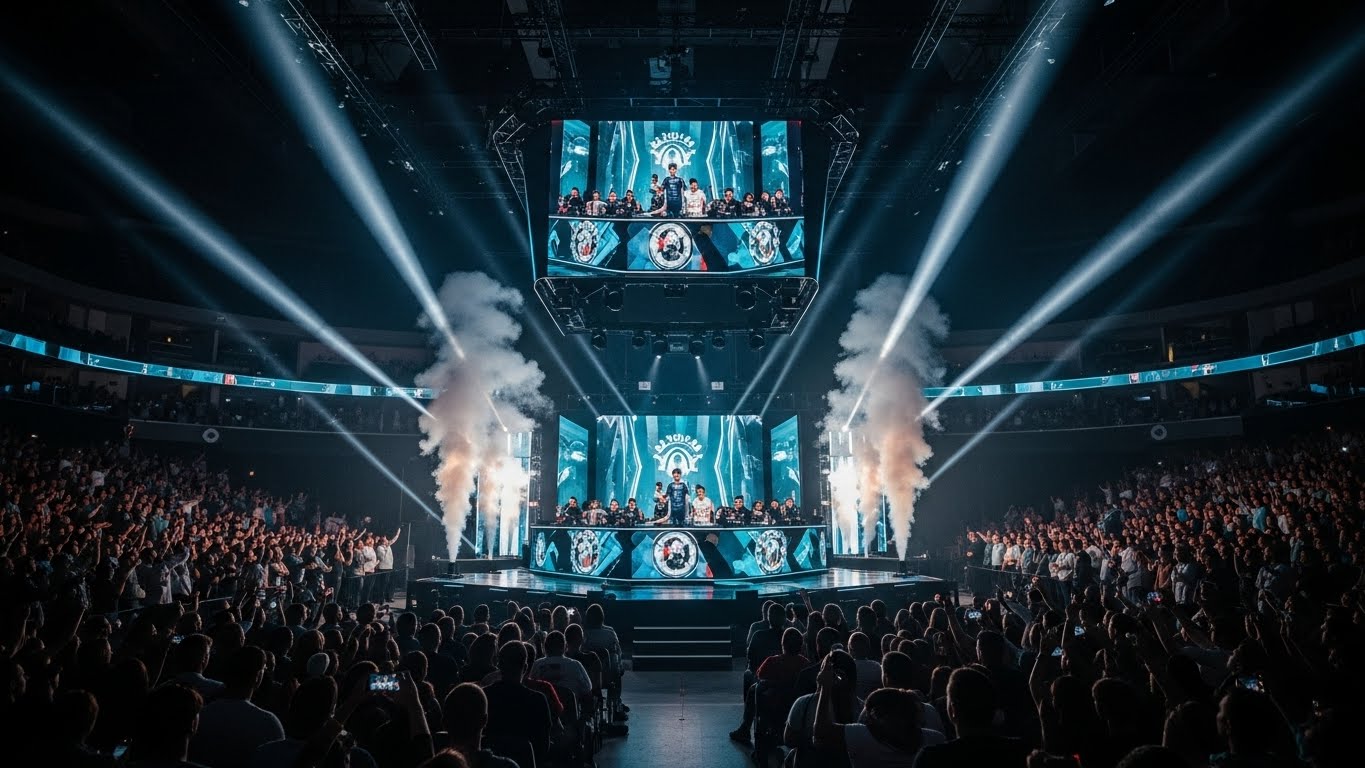
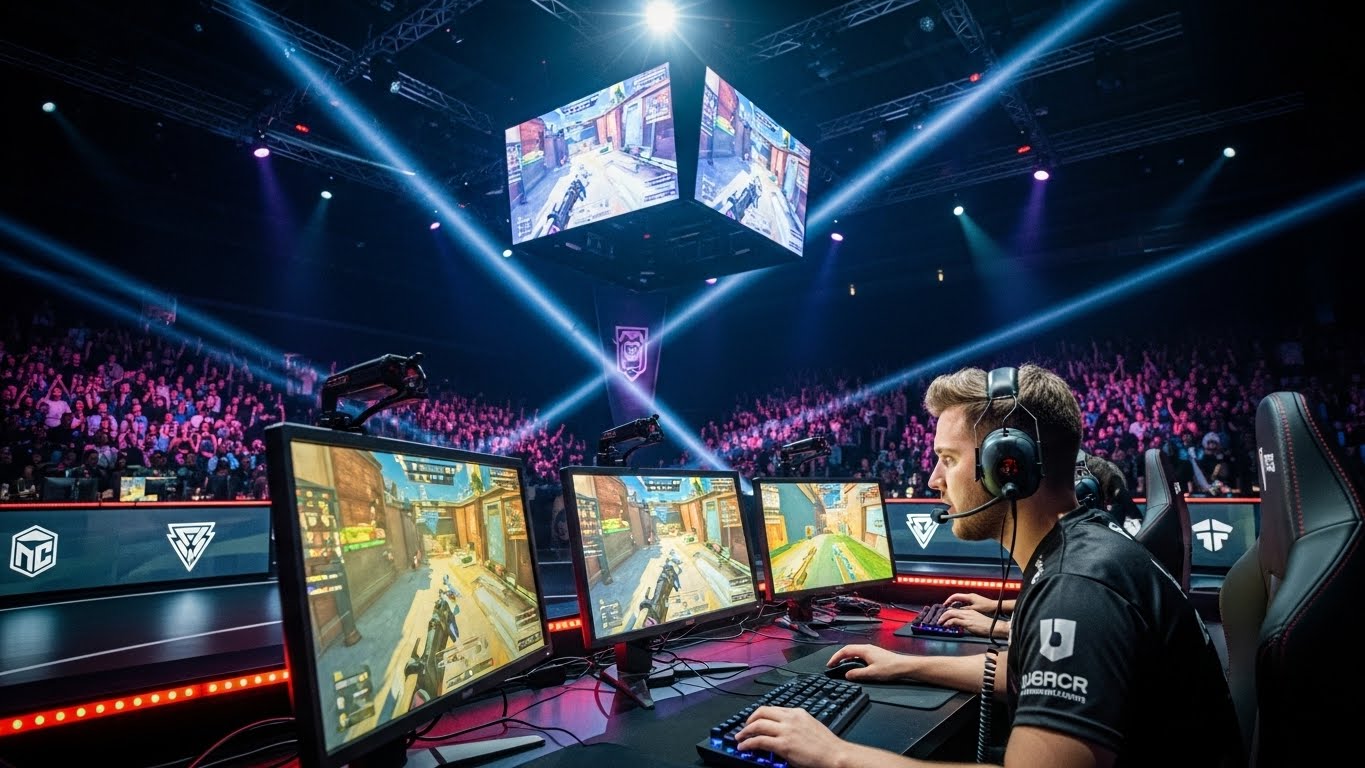
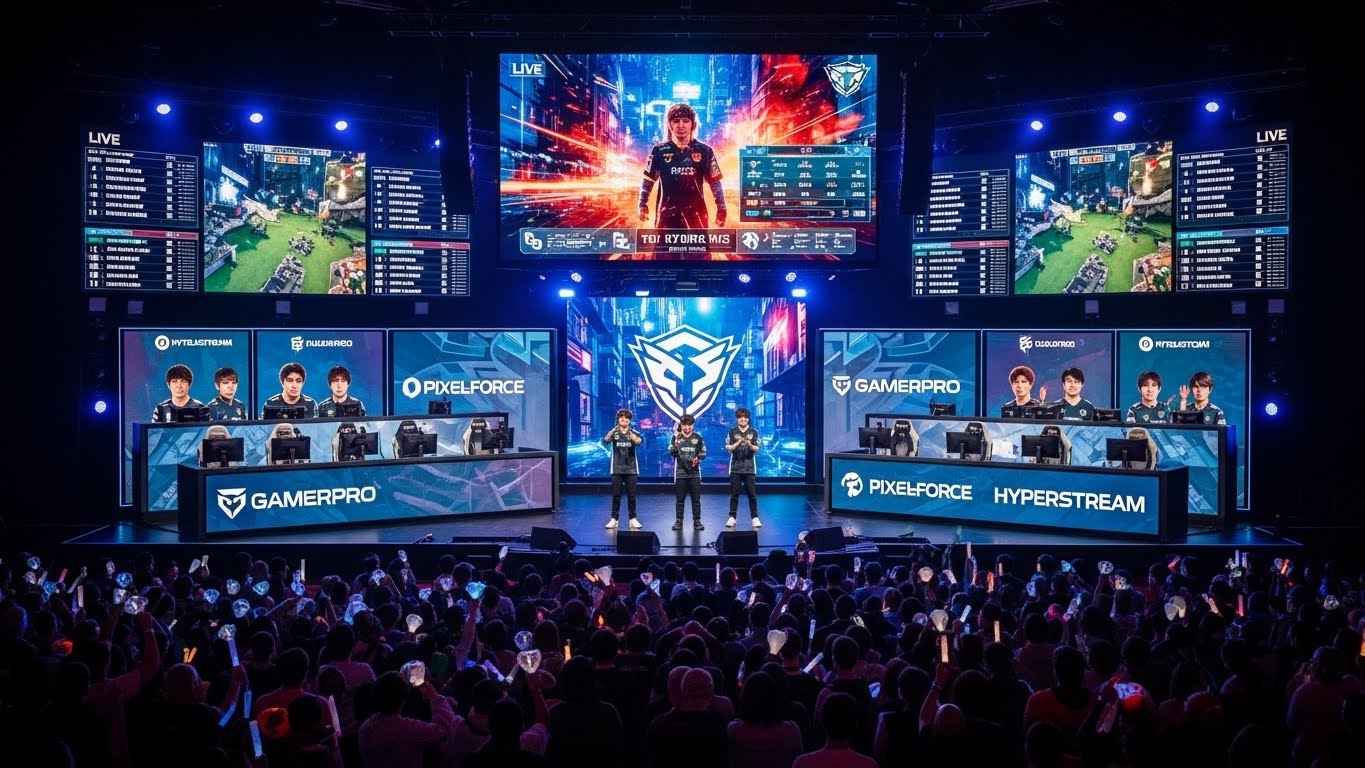
The excitement and intensity of esports competitions also play a huge role in its appeal. Esports tournaments are filled with thrilling moments, where players pull off incredible feats and strategies, often in high-pressure environments. The energy in these tournaments, whether online or in physical arenas, mirrors that of traditional sports events, with fans cheering on their favorite players and teams. The ability to witness these events live, either in person or via streaming platforms, makes esports an exhilarating experience for viewers, with real-time interaction enhancing the sense of community.
The Business of Esports: From Prize Money to Sponsorships
Esports is no longer just a hobby for passionate gamers; it is a thriving industry that generates billions of dollars annually. From sponsorships and advertising to ticket sales and streaming revenue, esports has become a key player in the entertainment and sports sectors. Major brands, including tech giants like Intel and Nvidia, beverage companies like Coca-Cola, and energy drinks like Red Bull, have recognized the value of associating their products with competitive gaming.
The growth of esports has also led to the emergence of professional esports organizations, which manage teams of players and participate in tournaments across various games. These organizations have adopted a similar structure to traditional sports teams, with coaches, analysts, managers, and team owners working to optimize performance and increase brand value. Teams like Cloud9, FaZe Clan, and Team Liquid are well-established names within the esports community, and they have signed sponsorship deals worth millions of dollars.
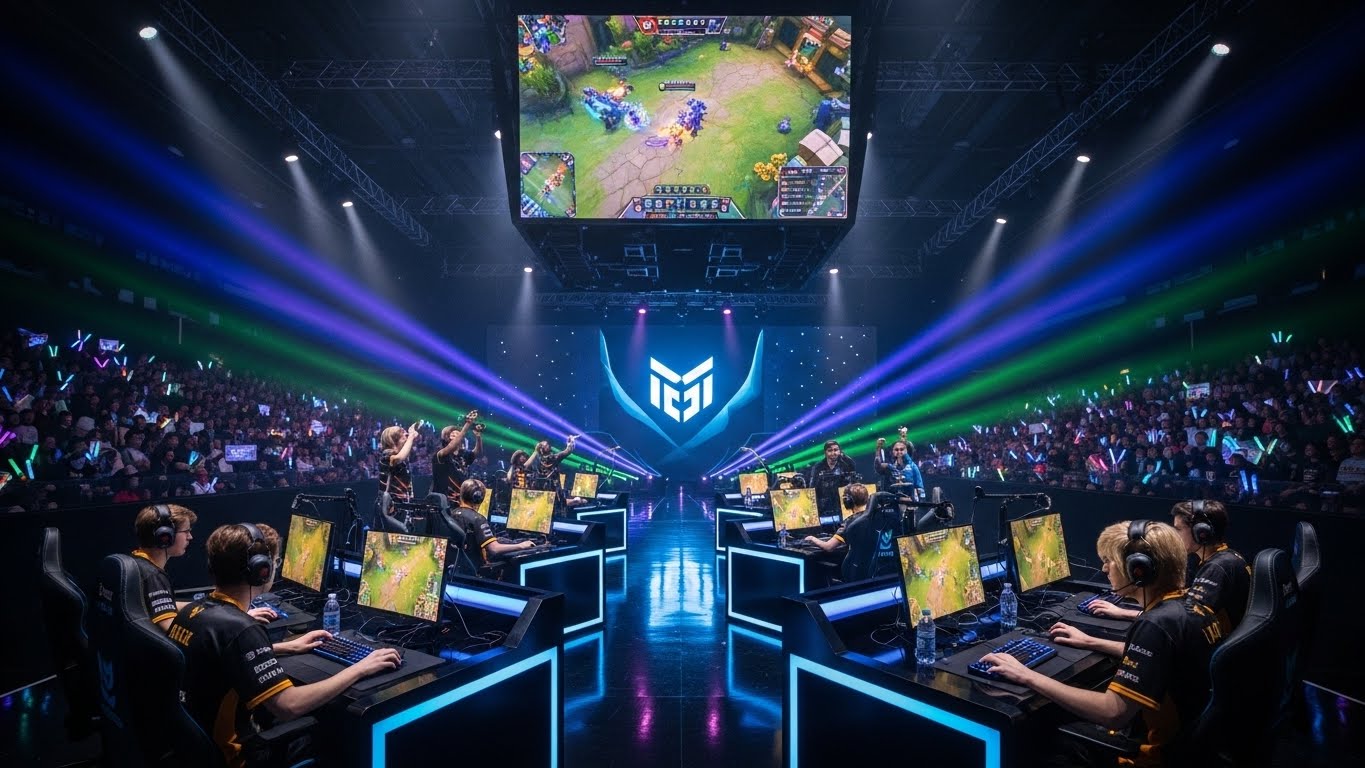
Esports events, particularly large-scale tournaments such as “The International” (Dota 2) and the “League of Legends World Championship,” offer massive prize pools, attracting top-tier talent from around the world. These tournaments are often broadcast live on streaming platforms like Twitch, generating additional revenue through advertisements, subscriptions, and viewer donations. The prize money at these events can reach millions of dollars, making esports a highly lucrative career option for top players.
The rise of esports streaming platforms has played a significant role in monetizing the industry. Twitch, YouTube Gaming, and Facebook Gaming provide platforms for players and content creators to showcase their skills, engage with audiences, and generate income through ads, donations, and subscriptions. Top streamers like Ninja, PewDiePie, and Shroud have millions of followers, turning gaming into a full-time job that can yield significant financial rewards.
The Professionalization of Esports: The Life of a Pro Gamer
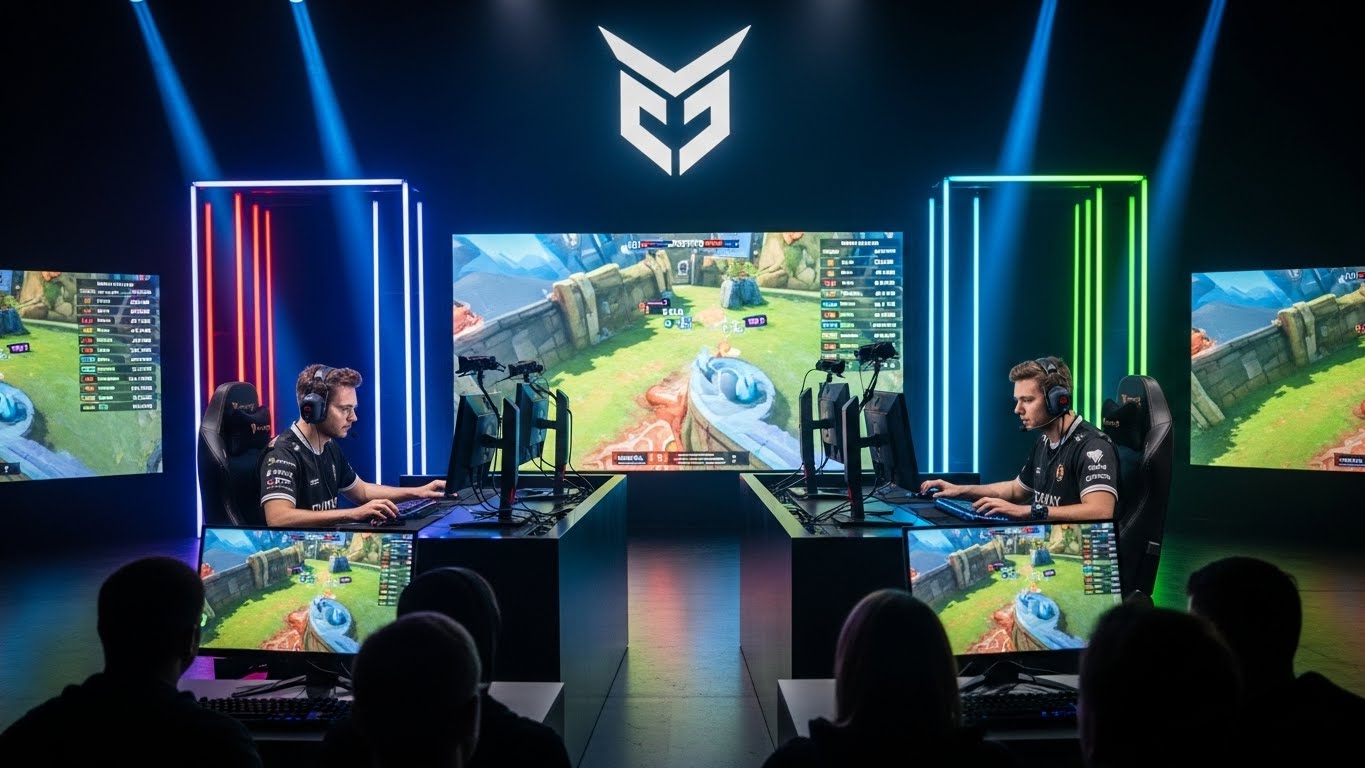
Becoming a professional esports player is no easy feat. It requires an immense amount of dedication, practice, and skill. Just like traditional athletes, esports players spend countless hours refining their gameplay, studying opponents, and analyzing matches to improve their performance. Top-tier players often train for up to 12 hours a day, engaging in scrims (practice matches), reviewing strategies, and keeping up with game updates.
The professionalization of esports has led to the creation of leagues, coaches, and analysts, similar to traditional sports organizations. Many esports teams now have specialized staff to support their players, including fitness coaches, psychologists, and nutritionists, to help them maintain peak performance both mentally and physically. The level of professionalism in esports is constantly increasing, with more players treating their careers as serious athletic endeavors.
While the path to becoming a professional esports player is competitive, it is also highly rewarding. Players can earn significant income through tournament prize money, sponsorships, and streaming. In addition to prize money, esports players often have opportunities to monetize their online presence by becoming influencers or content creators. This dual role as both competitors and influencers has turned esports players into household names, attracting sponsorship deals and collaborations with major brands.
Esports and Its Cultural Impact: Bridging Communities and Changing the Narrative
One of the most significant cultural shifts brought about by esports is its ability to bring together people from different backgrounds and cultures. Online multiplayer games have created virtual communities that transcend national borders, allowing players from all corners of the globe to connect and compete. Esports has become a universal language, uniting people who share a passion for gaming and competition.
Esports also provides opportunities for players to express themselves, whether it’s through their unique playstyles, personas, or streaming content. This creative freedom has empowered individuals to build massive fanbases, turning gaming into a platform for personal expression and community-building. The rise of esports influencers has also helped to redefine what it means to be a “celebrity” in the modern age, with gamers gaining influence and recognition through their online presence.
The increasing mainstream acceptance of esports has also helped shift public perceptions of gaming. What was once considered a solitary or anti-social activity is now viewed as a legitimate form of entertainment, with its own dedicated audience. The portrayal of esports in popular media, including documentaries, news coverage, and TV shows, has further cemented its place in mainstream culture.
The Future of Esports: Endless Possibilities
The future of esports is incredibly exciting, with new developments on the horizon that could reshape the landscape even further. The integration of virtual reality (VR) and augmented reality (AR) could revolutionize the way esports competitions are played and viewed, offering a level of immersion that traditional sports can’t match. With VR headsets becoming more affordable and accessible, the idea of esports players competing in fully immersive digital environments is becoming a real possibility.
Another area of growth is the expansion of esports into new regions, particularly in developing countries where gaming is becoming increasingly popular. As internet infrastructure improves in countries across Asia, Africa, and Latin America, esports will likely see a surge in participation and viewership. These regions are expected to become major hubs for esports, contributing to the global expansion of the industry.
Esports is also likely to continue its integration with traditional sports. With major sports organizations like the NBA and NFL investing in esports, the crossover between digital and physical sports is set to grow. Whether through esports leagues based on traditional sports games or collaborations between esports and real-world sports teams, the future of esports is becoming intertwined with traditional entertainment in exciting new ways.