championstream42
Introduction
Esports, once a niche pastime enjoyed by small groups of enthusiastic gamers, has transformed into a global entertainment phenomenon. What began in living rooms and internet cafés has evolved into massive arenas filled with cheering fans, multimillion-dollar competitions, celebrity-level players, and a thriving ecosystem of teams, coaches, broadcasters, analysts, and sponsors. The rise of esports is not merely a story about video games; it is a story about culture, technology, community, and the power of digital transformation. In this article, we explore how esports became what it is today, why it captivates millions, and what the future could hold for this rapidly expanding industry.
The Evolution of Competitive Gaming
Competitive gaming has existed since the early days of arcade machines, but modern esports truly began taking shape with the rise of high-speed internet and multiplayer PC games. Titles like Counter-Strike, StarCraft, and Warcraft III paved the way for organized competition, but it was the introduction of streaming platforms and online tournaments that turned gaming into a widespread spectator activity. Suddenly, gamers no longer needed to attend physical events to watch their favorite players; they could follow matches from anywhere in the world.
Over the years, advances in technology made online gaming smoother and more accessible. When combined with a growing interest in digital entertainment, competitive gaming naturally evolved into fully structured leagues, professional organizations, and sponsored teams. Today, esports represents a mature industry supported by passionate fans, corporate investment, and international recognition.
Why Esports Captivates Modern Audiences
Esports has captured the attention of millions for various reasons. First, it aligns perfectly with the digital habits of younger generations who have grown up online. Many people discover games not just by playing them but also by watching others, just as traditional sports fans love watching athletes on the field.
Second, esports is interactive. Fans can directly engage with players, participate in discussions, and even join amateur leagues to see how far they can go. This level of accessibility makes the community feel close-knit and welcoming, especially to newcomers.
Third, the fast-paced nature of many esports titles makes them exciting to watch. Whether it is a rapid-fire strategy game, a tense tactical shooter, or an explosive multiplayer battle, esports offers the same adrenaline and unpredictability found in traditional sports.
Finally, the personalities of esports players themselves add to the charm. Many competitors stream their practice sessions, share their thoughts with fans, and maintain a relatable online presence. This transparency helps fans feel connected in a way that traditional sports sometimes struggle to replicate.
The Growth of Esports Infrastructure
As esports gained traction, it quickly developed a comprehensive infrastructure similar to established sports leagues. Professional teams now employ managers, coaches, analysts, nutritionists, and psychologists. Training facilities equipped with high-performance PCs, scrimmage rooms, and strategy labs have become the new normal.
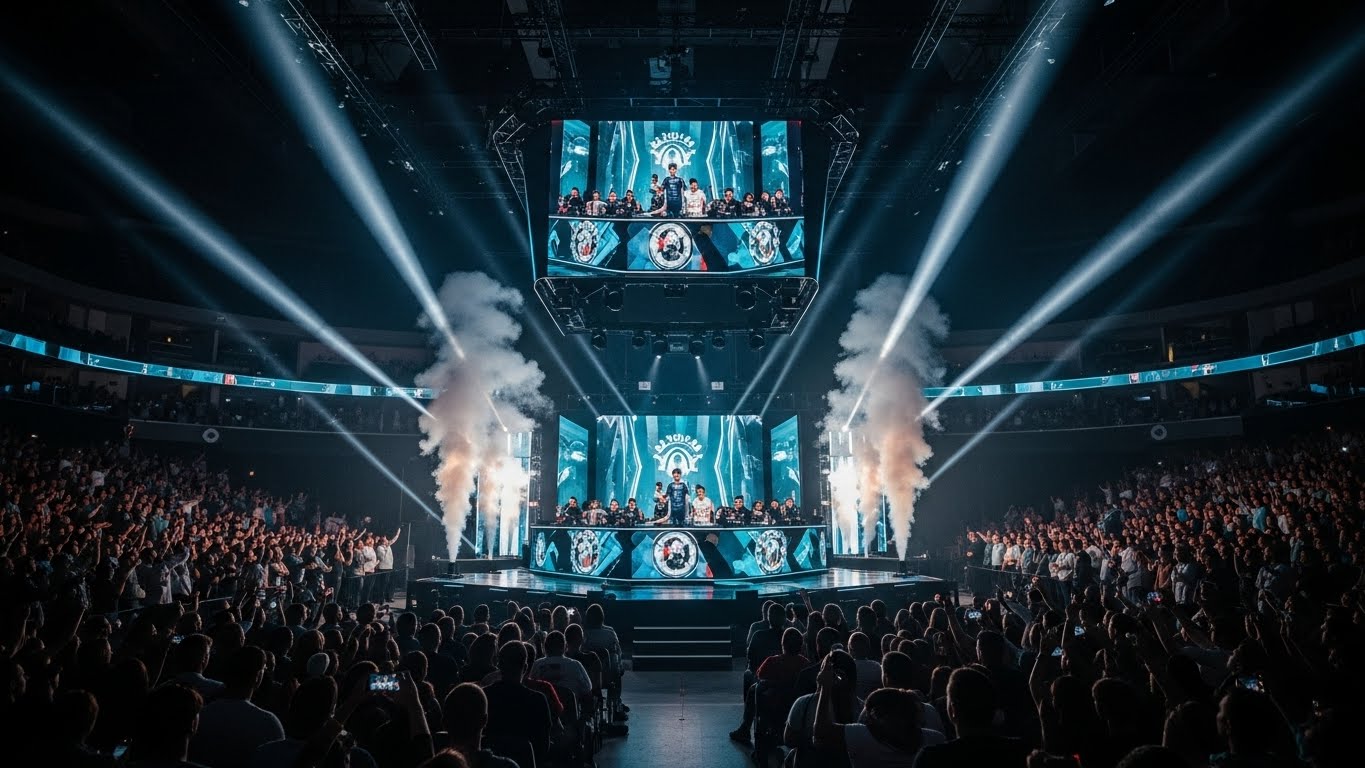
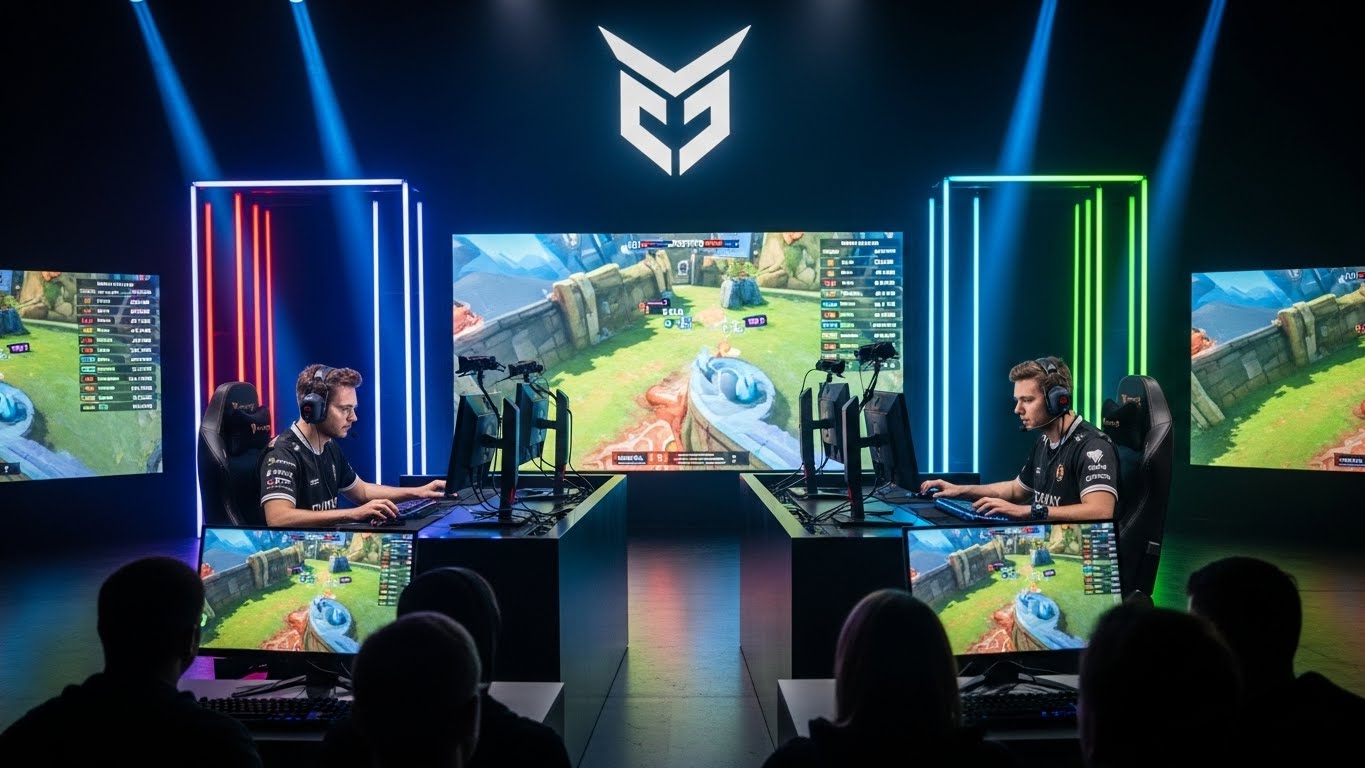
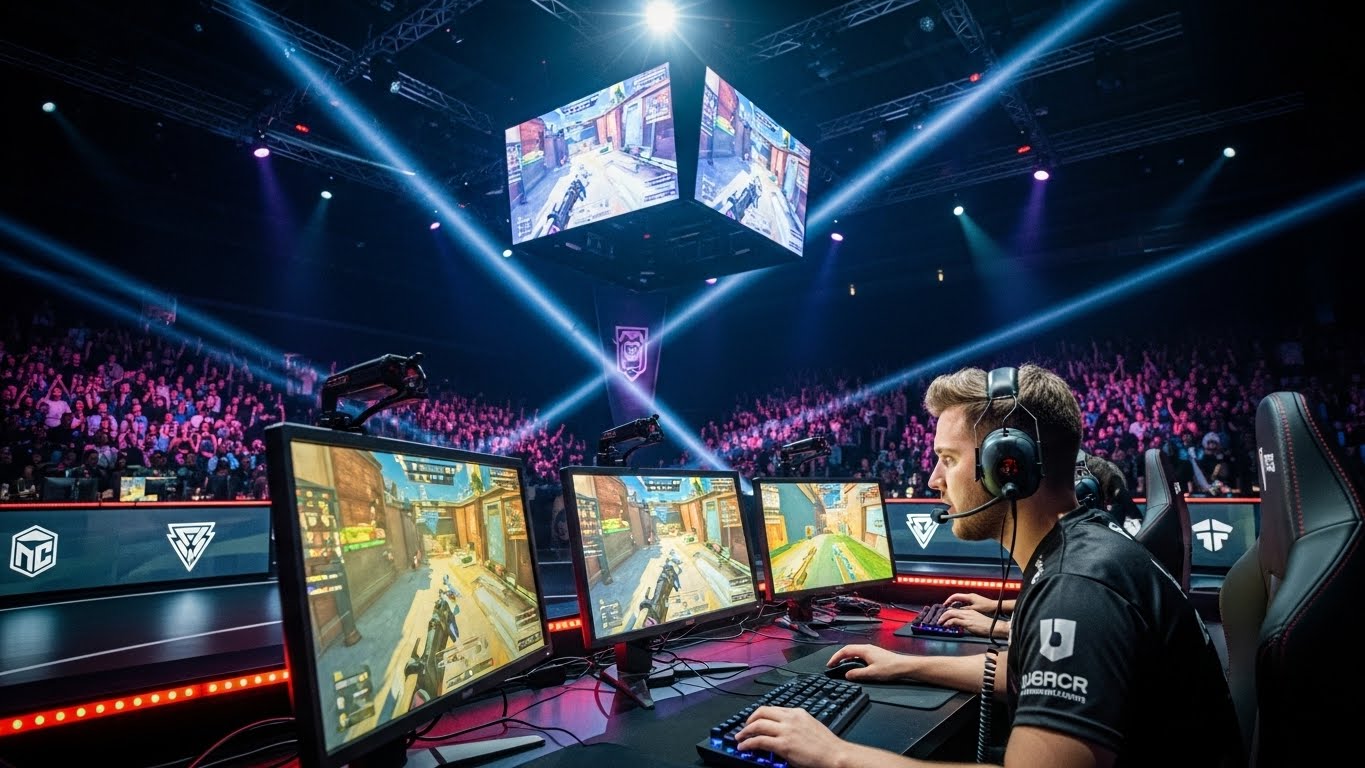
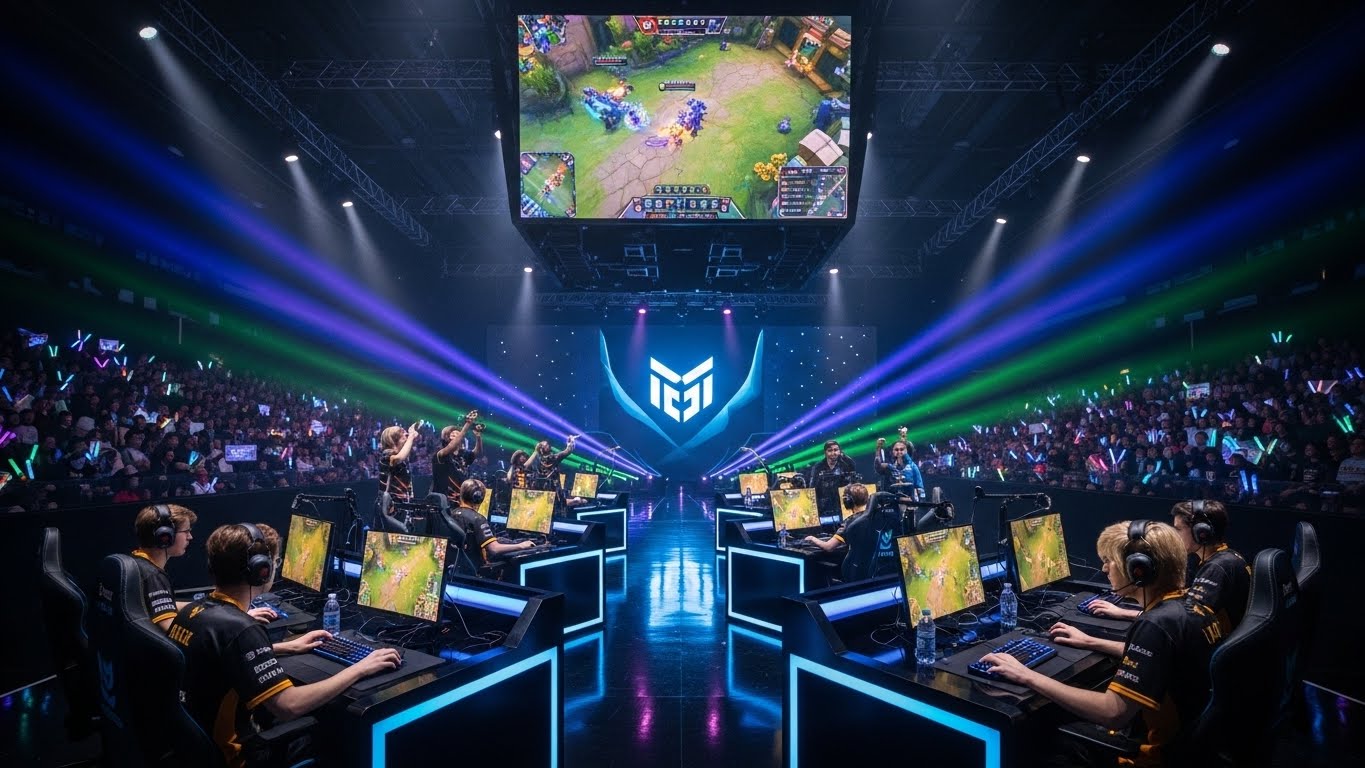
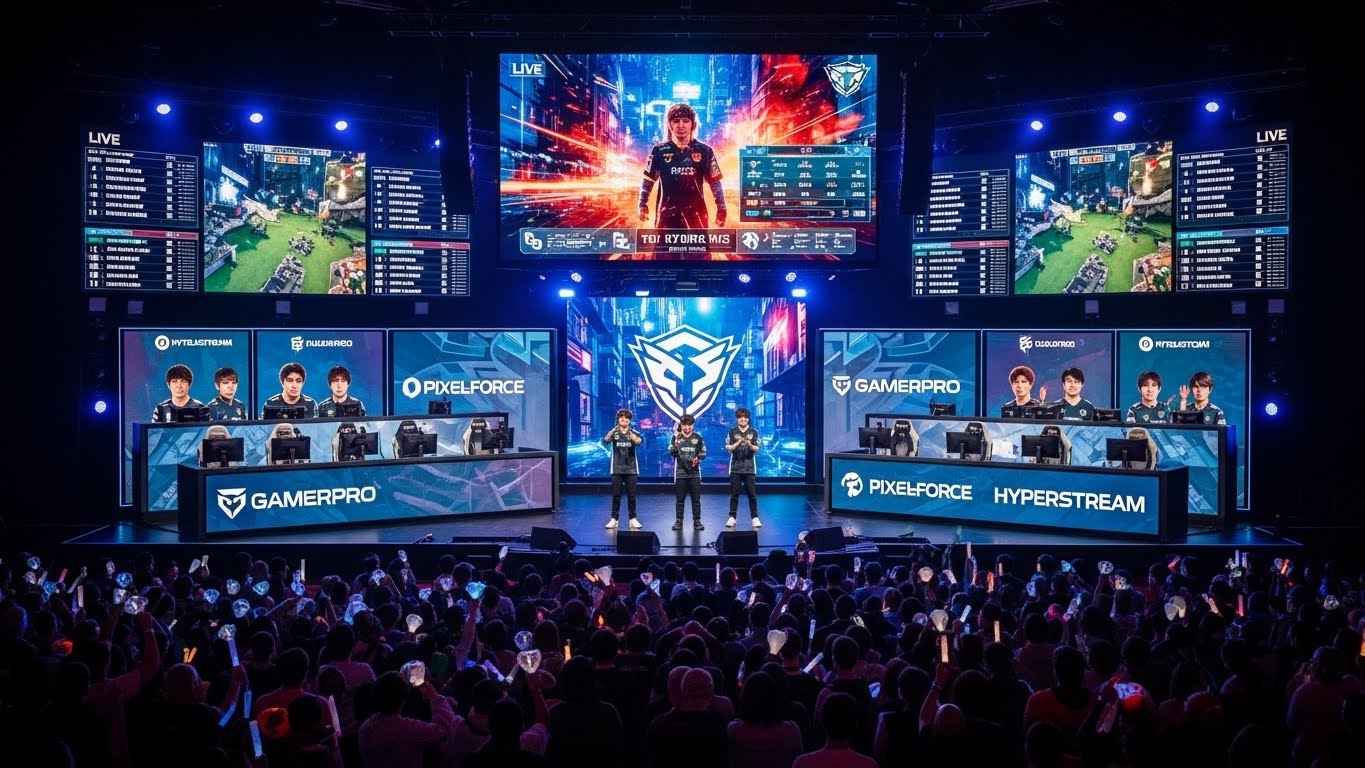
Broadcast quality has also evolved dramatically. Matches are now commentated by professional casters, analyzed like traditional sports, and presented with high-quality cameras, graphics, and replays. Some events fill entire stadiums, complete with dramatic lighting, massive screens, and roaring crowds.
Colleges and universities around the world have even introduced esports programs, scholarships, and courses dedicated to game strategy, esports management, and digital marketing. This academic support further validates esports as a meaningful and respected field.
Popular Esports Titles and Their Impact
Esports is not dominated by a single game but by a wide variety of titles that each bring their own communities and competitive ecosystems. Multiplayer online battle arena games create massive tournaments with international appeal. Tactical shooters require precision and coordination, attracting viewers who appreciate teamwork, strategy, and high-skill gameplay. Fighting games, sports simulations, and battle royale titles all contribute to the industry’s diversity and vibrancy.
Each game fosters its own identity and fanbase. Some games emphasize speed and mechanical mastery while others highlight strategy and team play. This variety allows esports to appeal to different types of viewers, much like how traditional sports offer everything from football to tennis to racing.
The Business Behind Esports
Behind the scenes, esports is powered by a complex business ecosystem. Revenue streams come from sponsorships, merchandise, ticket sales, broadcast rights, media deals, and team branding. Major companies from multiple industries have recognized the marketing potential of esports and invest heavily in partnerships with teams and events.
Professional players, too, benefit financially. Many earn salaries, sponsorships, streaming revenue, and tournament winnings. Top competitors can achieve celebrity status, with fan followings rivaling those of traditional athletes. Despite the demanding training schedule and performance pressure, esports offers opportunities for long and successful careers in playing, coaching, streaming, or even game analysis.
The Cultural Influence of Esports
Esports has reshaped global culture in significant ways. It has introduced new terminology, created international communities, and influenced fashion, music, and entertainment. Esports events often include live performances, interviews, fan activities, and creative stage designs, making them full entertainment experiences rather than simple tournaments.
Moreover, esports has helped break stereotypes about gaming. It has shown that gaming can foster teamwork, discipline, communication, and strategic thinking. Instead of being dismissed as a hobby, gaming is now widely recognized as a legitimate professional pursuit.
Esports has also given rise to new career paths beyond playing. Shoutcasting, content creation, event organization, esports journalism, coaching, and game development are just a few examples of opportunities created by the industry’s expansion.
The Role of Community in Esports Success
Community is the foundation of esports. Fans drive the visibility of tournaments, support their favorite teams, create fan art, participate in discussion forums, and share highlight clips. The enthusiasm and dedication of the community help esports remain dynamic, innovative, and constantly evolving.
In many ways, esports communities function as global families. They connect people from different cultures and backgrounds through a shared passion. These interactions make esports more than a competition; they create meaningful social experiences that extend beyond the screen.
The Future of Esports
Looking ahead, esports appears poised for even greater growth. As technology continues to improve and digital entertainment becomes even more integrated into daily life, esports will likely expand into new platforms, including virtual reality and augmented reality. Cross-platform play, mobile gaming, and new forms of interactive entertainment will shape the next decade of esports innovation.
Governments and educational institutions are increasingly showing interest in esports, which could lead to formal regulations, standardized leagues, and broader professional opportunities. Media coverage is expected to grow, bringing esports further into the mainstream.
Most importantly, the passion of players and fans ensures that esports will continue to thrive. As long as people enjoy competing, collaborating, and connecting through games, esports will remain a powerful force in global entertainment.
Conclusion
Esports has come a long way from its humble beginnings. Today, it stands as a vibrant industry that blends competition, entertainment, community, and technology. It offers thrilling experiences for spectators, meaningful careers for professionals, and a welcoming environment for fans around the world. Whether you are a long-time follower or someone newly curious about the world of competitive gaming, one thing is clear: esports is not just a trend. It is a cultural movement shaping the future of entertainment, and its story is only just beginning.