championstream42
Introduction
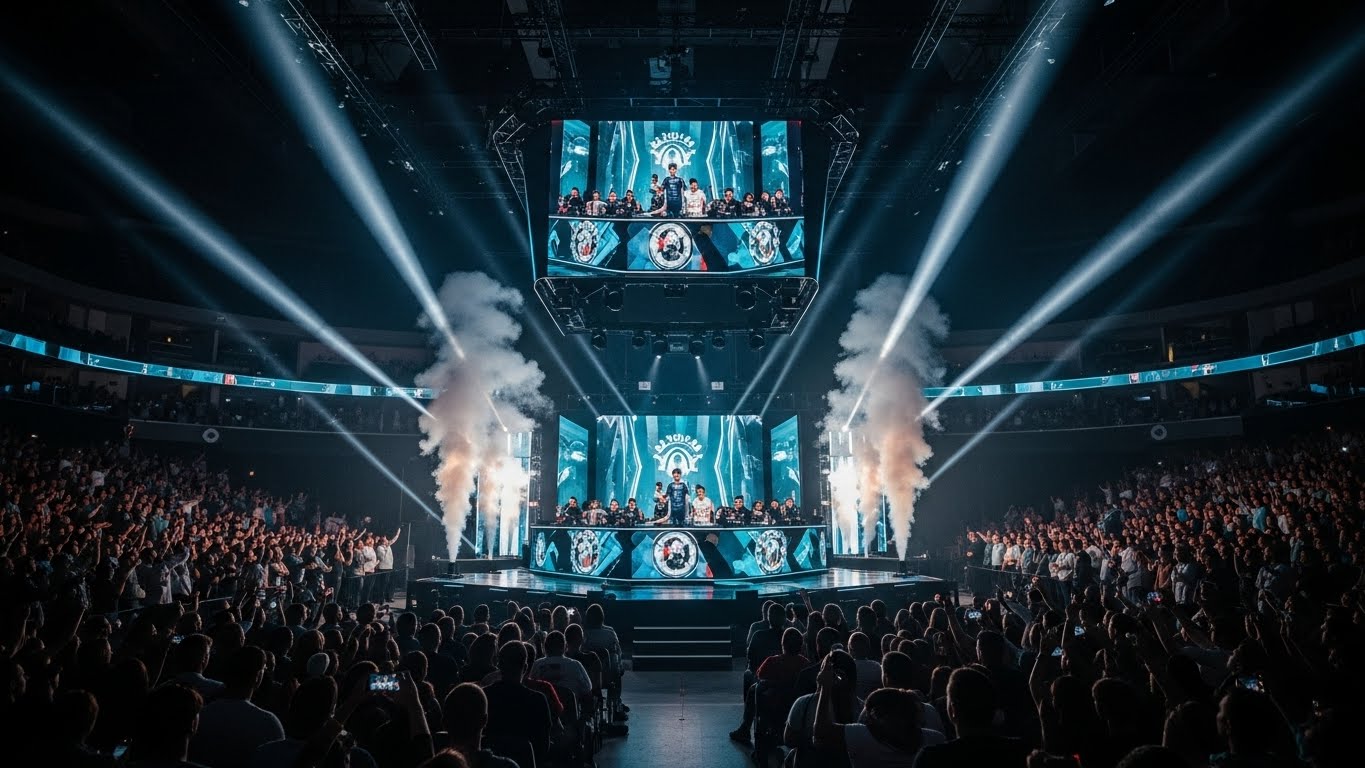
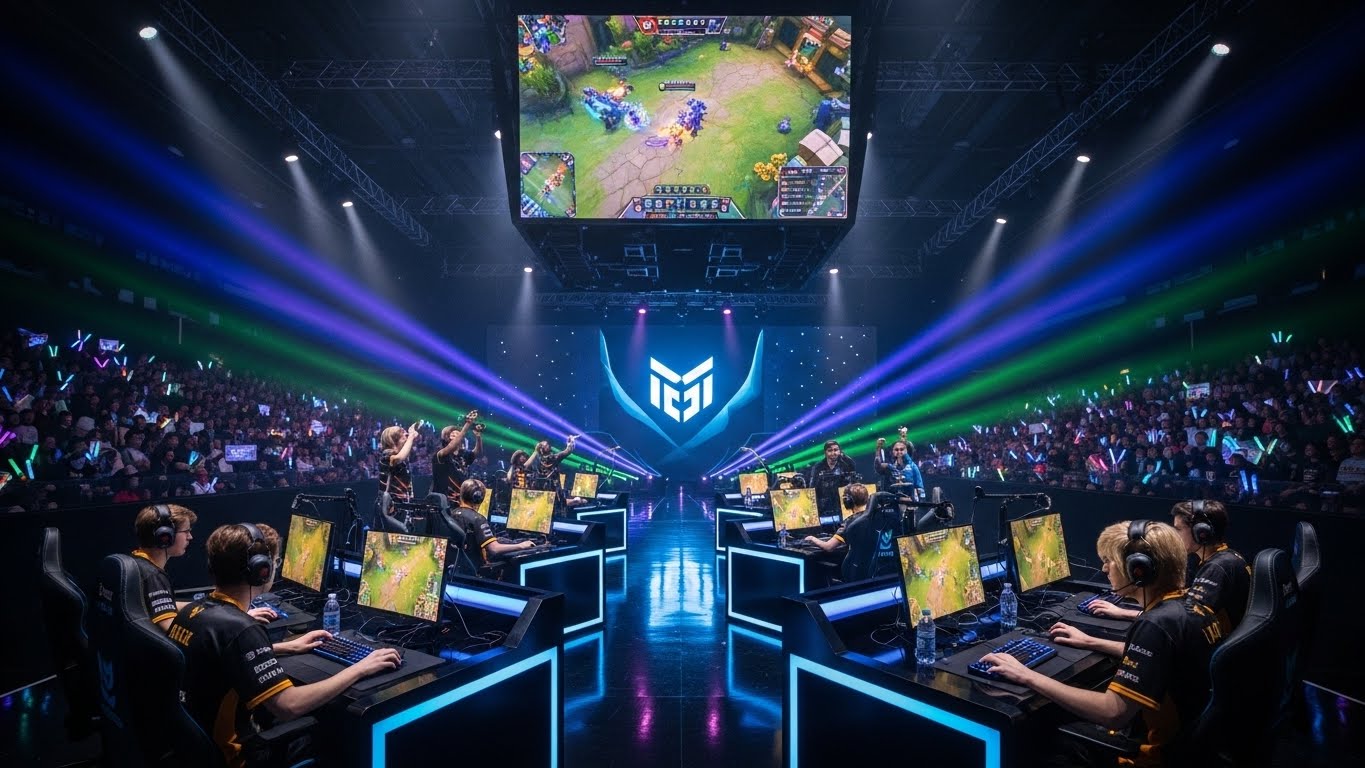
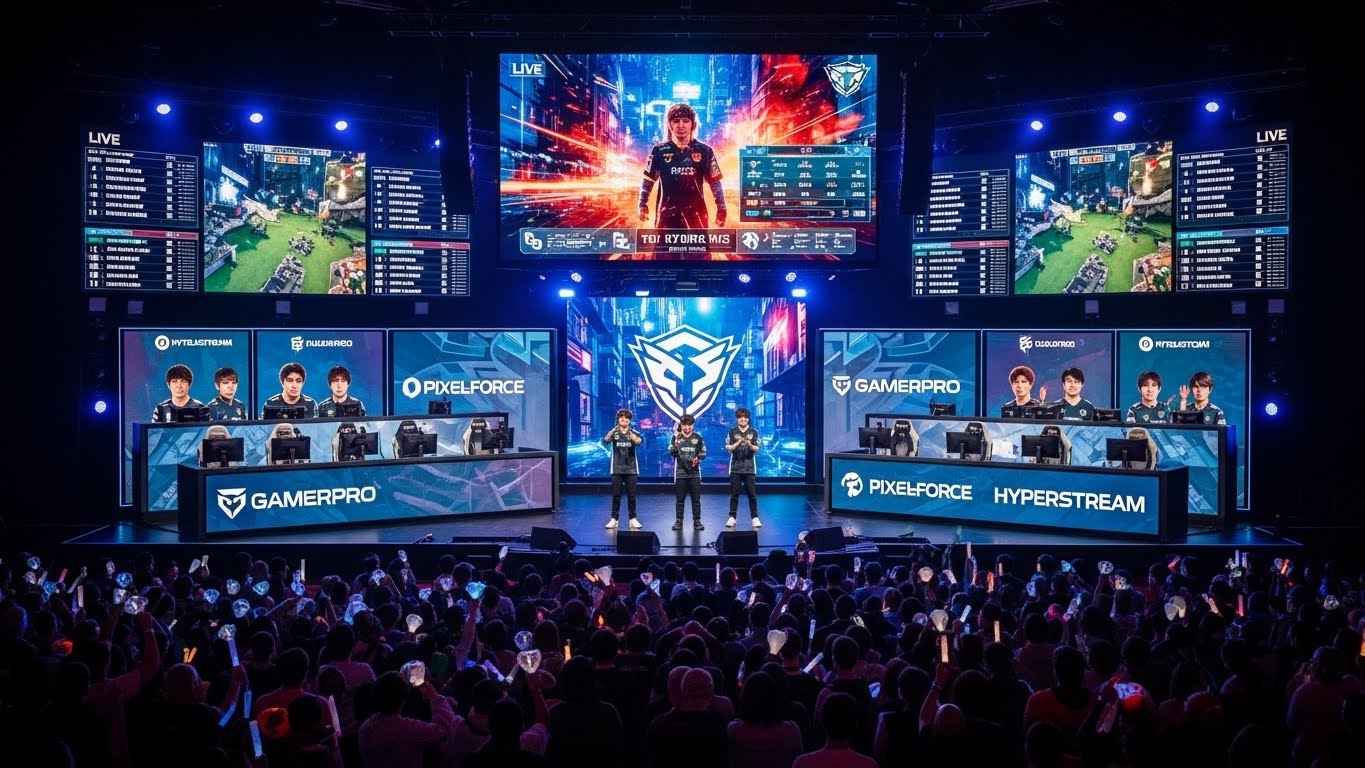
Esports, short for electronic sports, has grown from a niche hobby into a global phenomenon that rivals traditional sports in viewership, influence, and cultural relevance. What started as small gaming competitions in the 1980s has transformed into a billion-dollar industry, drawing millions of fans across the world. Today, esports fills stadiums, dominates streaming platforms, and attracts sponsorship deals from major brands that once only focused on conventional athletics.
But beyond the flashing lights, professional teams, and massive prize pools, esports represents a deeper shift in how entertainment, technology, and human competition intersect. It has redefined what it means to be an athlete, what it means to be a fan, and even how societies understand play and work in a digital age.
This blog takes a deep look at the journey of esports — from its humble beginnings to its towering global presence — exploring the factors that shaped its rise, the culture that sustains it, and the challenges that lie ahead.
The Origins of Esports
The story of esports begins long before Twitch streams and million-dollar tournaments. Its roots stretch back to the early days of video gaming in the 1970s and 1980s.
One of the first known video game competitions took place in 1972 at Stanford University, where students gathered to play “Spacewar.” The prize? A year’s subscription to Rolling Stone magazine. Though simple, that event symbolized a key moment — the recognition that video games could be more than casual fun; they could be competitive.
The 1980s saw the rise of arcade gaming, with titles like Pac-Man, Donkey Kong, and Space Invaders defining a generation. Arcades became community hubs where players competed for high scores on bright screens and leaderboards. Tournaments, such as the 1980 Space Invaders Championship held by Atari, drew tens of thousands of participants across the United States — a scale unimaginable at the time.
While the technology was primitive compared to today, these events planted the seeds of competitive gaming culture. Players developed reputations, fans followed their favorites, and the notion of being the “best” gamer started to take root.
The 1990s: The Birth of Modern Competitive Gaming
The 1990s marked a turning point. The rise of personal computers and home consoles created a new type of gaming environment. Local Area Network (LAN) parties — where players connected multiple computers for multiplayer gaming — became the foundation for modern esports.
Games like Doom, Quake, and StarCraft turned competition into a social event. Players met face-to-face, lugging their bulky PCs to friends’ houses or small venues to prove their skill. It was during this era that professional gaming began to take shape.
In 1997, the Red Annihilation tournament for Quake became one of the first major esports events. The winner, Dennis “Thresh” Fong, won John Carmack’s Ferrari as a prize, earning him the title of the first esports superstar. Around the same time, StarCraft was taking South Korea by storm, setting the stage for a national obsession that would later define the country’s cultural identity.
By the end of the 1990s, gaming had evolved from basement hobby to organized competition. The infrastructure was still modest — no live streaming, limited sponsorships, and minimal media coverage — but the passion was undeniable.
The 2000s: The Rise of Esports Infrastructure
The early 2000s saw a surge in technology that would forever change the gaming landscape. High-speed internet became more accessible, online gaming became standard, and platforms like Battle.net and Xbox Live connected players around the world.
This decade witnessed the formation of professional leagues and organizations. Titles like Counter-Strike, Warcraft III, and Halo fueled global competitions. The Cyberathlete Professional League (CPL), Major League Gaming (MLG), and World Cyber Games (WCG) provided structure, regular tournaments, and recognition for players.
In South Korea, esports evolved into a national spectacle. Television channels broadcast StarCraft matches, and professional players were treated like celebrities. South Korea’s emphasis on internet infrastructure and gaming culture gave it an early lead in shaping the global esports model — one that many other countries would later emulate.
Esports was no longer a small community; it was a growing industry. Sponsors started to notice, fans began organizing, and the term “pro gamer” entered the public lexicon. The world was witnessing the digital version of what sports had always represented — talent, competition, and entertainment — but through screens and servers.
Streaming: The Catalyst That Changed Everything
The 2010s brought the single most transformative element in esports history — live streaming.
Platforms like Twitch, YouTube Gaming, and Facebook Gaming allowed players to broadcast their gameplay to global audiences in real time. For the first time, fans could watch their favorite players practice, chat with them, and feel part of their journey. This changed not just how esports was consumed but how it was funded and celebrated.
Tournaments like The International for Dota 2, launched in 2011 with a $1 million prize pool, shattered expectations. Within a few years, the prize pool had surpassed $30 million, funded largely by fans purchasing in-game items.
Games like League of Legends, Overwatch, and Fortnite became cultural landmarks, with world championships drawing millions of concurrent viewers. The 2018 League of Legends World Championship had more than 100 million viewers — comparable to the Super Bowl.
Streaming turned esports from a subculture into mainstream entertainment. It created influencers, new revenue streams, and communities that transcended geography.
The Globalization of Esports
One of the most remarkable aspects of esports is its truly global nature. Unlike many traditional sports that thrive in specific regions, esports flourishes everywhere — from Seoul to Stockholm, from Los Angeles to Lagos.
Asia remains a powerhouse, with countries like South Korea and China producing world-class players and massive audiences. Europe has emerged as a breeding ground for strategic and tactical play, particularly in games like Counter-Strike: Global Offensive. North America continues to dominate in organization and sponsorship, turning esports into a commercial success story.
Emerging regions like the Middle East, South America, and Africa are rapidly joining the fold, thanks to the accessibility of mobile gaming and improved internet infrastructure. Titles like PUBG Mobile and Free Fire have exploded in popularity in these markets, bringing esports to entirely new audiences.
This global reach has made esports a truly universal form of competition, where anyone with a computer or phone and enough dedication can rise to prominence.
The Business of Esports
Behind every epic play and emotional victory lies a sophisticated business ecosystem. Esports is now a multi-billion-dollar industry encompassing game publishers, tournament organizers, sponsors, streaming platforms, and media rights.
Franchise leagues such as the Overwatch League and League of Legends Championship Series have modeled themselves after traditional sports, complete with city-based teams, contracts, and salary caps. Major brands like Coca-Cola, Intel, and Nike sponsor teams and tournaments, while streaming platforms compete fiercely for broadcast rights.
Esports organizations operate like professional clubs, managing rosters, negotiating sponsorships, and cultivating fan bases. Players are often under contracts, earning salaries, bonuses, and endorsements. Some of the top players now make millions annually through prize money, streaming, and brand deals.
Investors see esports as a gateway to the digital-native generation — a demographic that consumes entertainment differently, values interactivity, and prefers watching others play just as much as playing themselves.
Esports and Education
Another emerging trend is the integration of esports into education. Universities and high schools around the world are now offering esports programs, scholarships, and degrees.
These programs go beyond playing games. They include studies in game design, broadcasting, marketing, and psychology — preparing students for a wide range of careers in the gaming and digital entertainment industries.
Schools have realized that esports cultivates valuable skills: teamwork, strategic thinking, communication, and adaptability. For students who might not excel in traditional sports, esports provides an inclusive and exciting alternative for personal development and social connection.
The Culture of Esports
At its core, esports is more than competition; it’s a culture.
The communities that form around games are vibrant and diverse. Fans create memes, highlight reels, and analysis videos. Artists produce fan art, designers create merchandise, and commentators craft narratives that turn games into stories.
Esports has also influenced fashion, music, and lifestyle. From jerseys and sneakers to collaborations with pop stars, gaming is now deeply embedded in youth culture. Events like the Fortnite concert featuring Travis Scott or virtual tournaments in the metaverse blur the lines between gaming, art, and social experience.
The sense of belonging that comes from esports communities is profound. Whether through online forums, Discord servers, or live events, fans feel connected not just to players but to each other.
The Challenges Facing Esports
Despite its success, esports faces significant challenges that threaten its sustainability.
One of the major issues is player burnout. Professional gamers often train for up to 12 hours a day, and the intense competition can lead to mental and physical strain. With many players retiring before the age of 25, discussions about health, balance, and longevity are becoming more urgent.
Another concern is governance. Unlike traditional sports that have governing bodies, esports lacks a unified regulatory structure. Different games are controlled by different publishers, leading to inconsistent rules, pay structures, and tournament standards.
Toxicity and harassment within online gaming communities also remain pressing issues. Developers and organizations are working to create safer, more inclusive environments, but progress is ongoing.
Lastly, there’s the question of stability. Esports relies heavily on sponsorships and media deals, and the industry’s profitability can fluctuate with trends. Ensuring long-term financial health requires innovation, diversification, and a focus on sustainability over hype.
The Role of Technology
Esports thrives at the intersection of technology and entertainment. Advances in hardware, graphics, and connectivity have been central to its rise.
The next phase of evolution may come from technologies like virtual reality (VR), augmented reality (AR), and artificial intelligence (AI). VR and AR can make gaming experiences more immersive, while AI can enhance training, analytics, and spectator engagement.
Blockchain and digital collectibles are also entering the conversation, allowing players and fans to own unique in-game assets and participate in decentralized tournaments. However, these innovations come with both excitement and skepticism, as the industry weighs their long-term impact.
Esports and Traditional Sports: The Convergence
For years, esports and traditional sports were seen as separate worlds, but that line is blurring fast.
Major sports franchises — from basketball’s NBA teams to soccer clubs like Paris Saint-Germain — have launched their own esports divisions. Athletes such as David Beckham, Shaquille O’Neal, and Serena Williams have invested in esports teams.
The appeal is mutual. Esports offers traditional sports access to younger, tech-savvy audiences, while sports organizations bring structure, professionalism, and sponsorship experience to gaming.
Moreover, training in esports increasingly mirrors that of athletes — focusing on reaction time, teamwork, communication, and even fitness. The idea that gamers aren’t athletes is becoming outdated, as the physical and mental demands of high-level competition become clearer.
The Pandemic Effect
When the COVID-19 pandemic shut down physical sports events in 2020, esports experienced an unexpected surge.
With millions of people stuck at home, gaming became a primary source of entertainment and connection. Traditional sports broadcasters, desperate for content, began airing esports tournaments. New fans discovered the world of competitive gaming, and many stayed even after the world reopened.
This period accelerated esports’ legitimacy. It proved that digital sports could not only survive global disruption but thrive because of it. It also encouraged innovation, as organizers experimented with remote tournaments, virtual audiences, and hybrid event formats.
The Future of Esports
Looking ahead, esports shows no sign of slowing down.
Analysts predict continued growth in revenue, viewership, and cultural impact. As internet access expands globally, mobile esports will likely become the dominant force, especially in developing markets.
The next big frontier may be the integration of esports into mainstream media — with more crossovers into movies, television, and live entertainment. The lines between esports and broader digital culture will continue to blur.
However, success will depend on how the industry manages its challenges. Sustainable career paths for players, better mental health support, gender inclusivity, and transparent governance will define whether esports can mature into a lasting global institution.
Conclusion
Esports is more than just people playing games. It’s a movement — a new kind of sport born from technology, creativity, and community. It represents the passion of millions who find joy and identity through digital competition.
From the arcades of the 1980s to the sold-out arenas of today, esports has come a long way. It reflects our generation’s values: innovation, connectivity, and a reimagining of what it means to compete and belong.
As the world continues to evolve, so will esports. And whether you’re a player, fan, or casual observer, one thing is certain — the digital age of sports is here to stay.