championstream42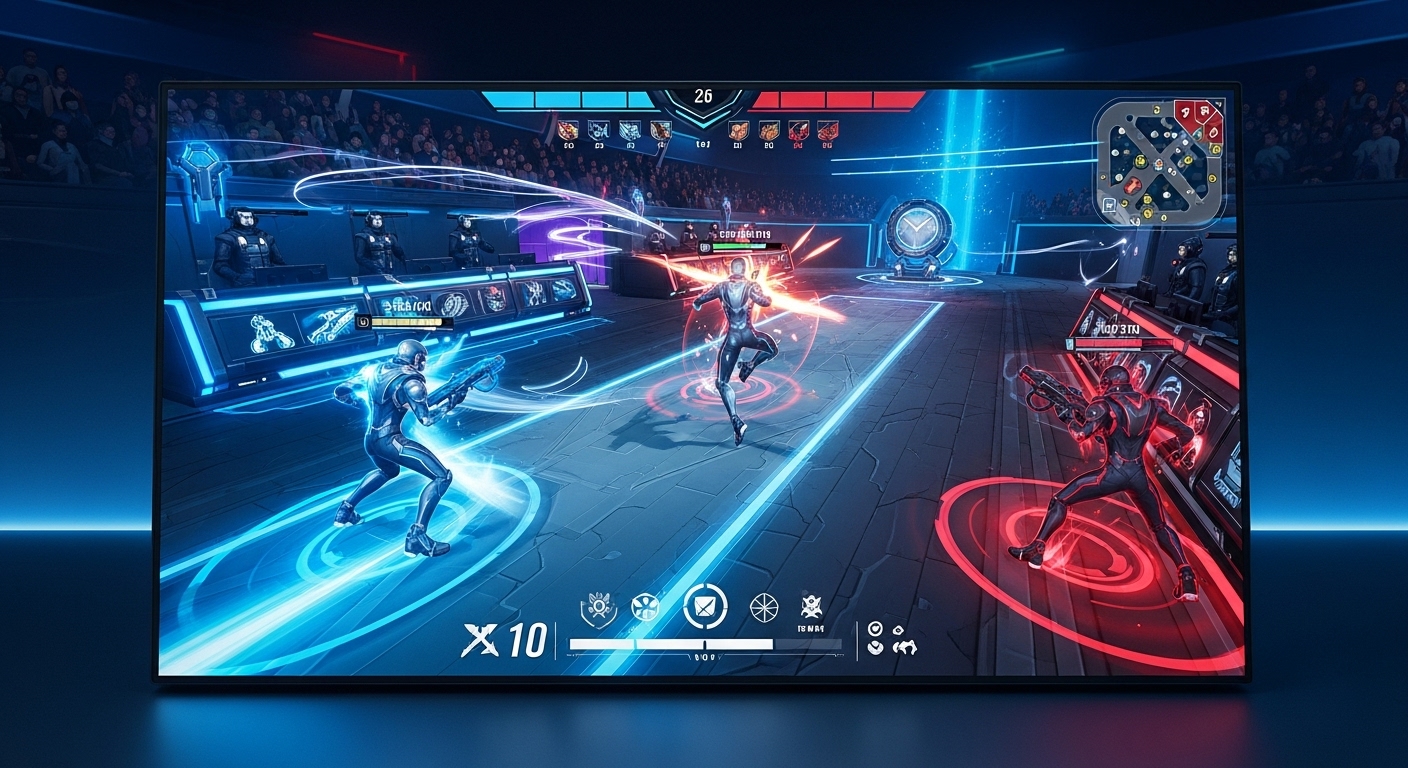
Introduction to Esports
Esports, short for electronic sports, has emerged as one of the most dynamic and rapidly growing industries in the world. It refers to organized, competitive video gaming, where professional players or teams compete in tournaments watched by millions of fans worldwide. What was once seen as a niche hobby for gaming enthusiasts has transformed into a global phenomenon, combining the thrill of sports competition with the digital age’s technological innovation. The journey of esports from small LAN gatherings to massive international events showcases how deeply gaming has become embedded in modern culture.
The Early Days of Competitive Gaming
The roots of esports can be traced back to the late 1970s and early 1980s when video games like Space Invaders and Pac-Man became popular arcade titles. The first recorded video game competition took place at Stanford University in 1972, where players competed in Spacewar! for a prize of a year’s subscription to Rolling Stone magazine. While it may seem modest compared to today’s multimillion-dollar prize pools, it marked the beginning of competitive gaming culture.
In the 1990s, with the rise of personal computers and the internet, competitive gaming started gaining momentum. Games such as Doom, Quake, and StarCraft paved the way for organized tournaments and online competition. The release of StarCraft in particular revolutionized gaming in South Korea, giving rise to a generation of professional players and forming the foundation of what we now recognize as modern esports.
The Golden Era of Esports Begins
The 2000s marked the golden era of esports. Technological advancements, faster internet, and the growth of gaming consoles transformed competitive gaming into a professional and commercial industry. The introduction of streaming platforms and global connectivity allowed players from different regions to compete in real time.
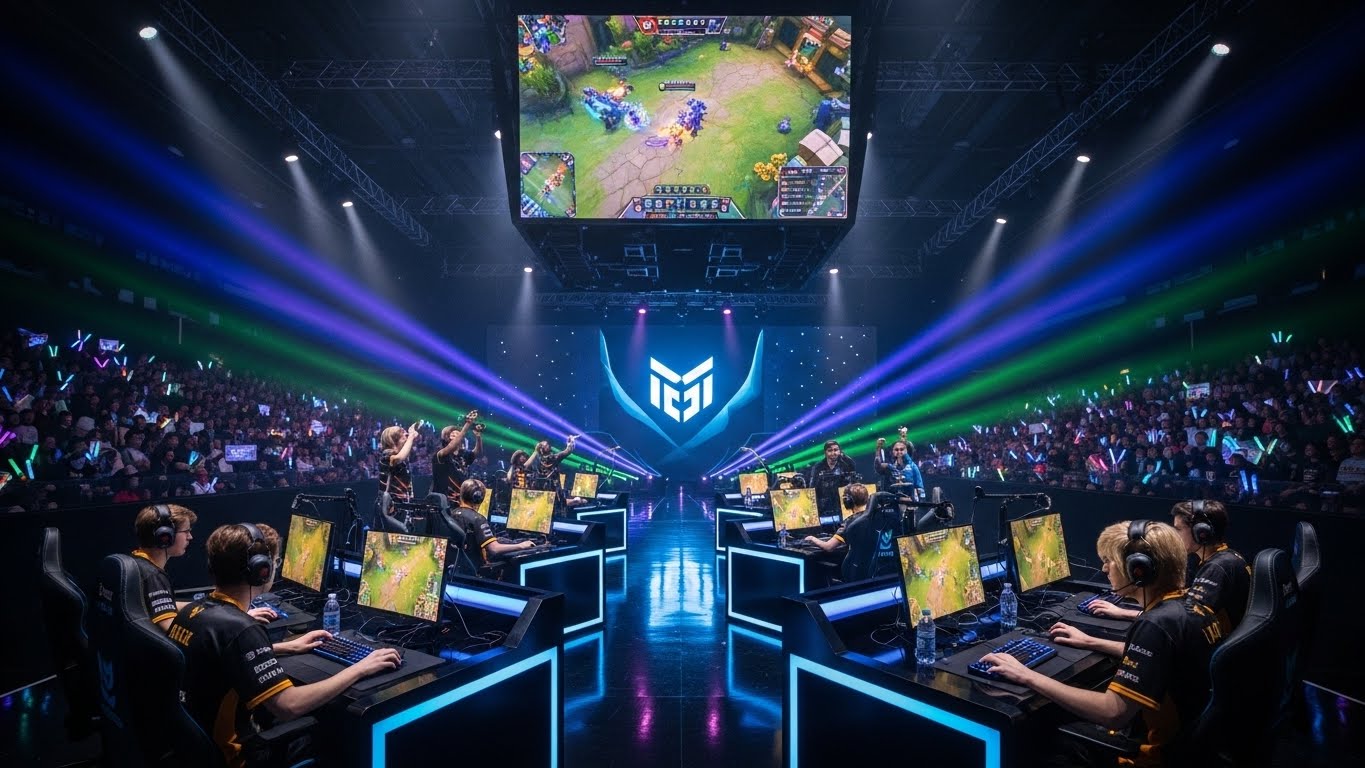
Games like Counter-Strike, Warcraft III, and League of Legends set the standard for competitive balance, teamwork, and spectator engagement. Counter-Strike, a tactical first-person shooter, introduced organized team play that emphasized strategy and communication. Meanwhile, League of Legends and Dota 2 defined the Multiplayer Online Battle Arena (MOBA) genre, captivating audiences with complex strategies, high skill ceilings, and dramatic matches.
Esports as a Global Industry
Today, esports is not just about playing games—it is a full-fledged global industry encompassing tournaments, sponsorships, merchandise, broadcasting, and media rights. The industry’s growth has been astonishing, with revenues surpassing billions of dollars annually. Major corporations, sports organizations, and even governments have recognized the potential of esports and have begun investing heavily in infrastructure, training programs, and events.
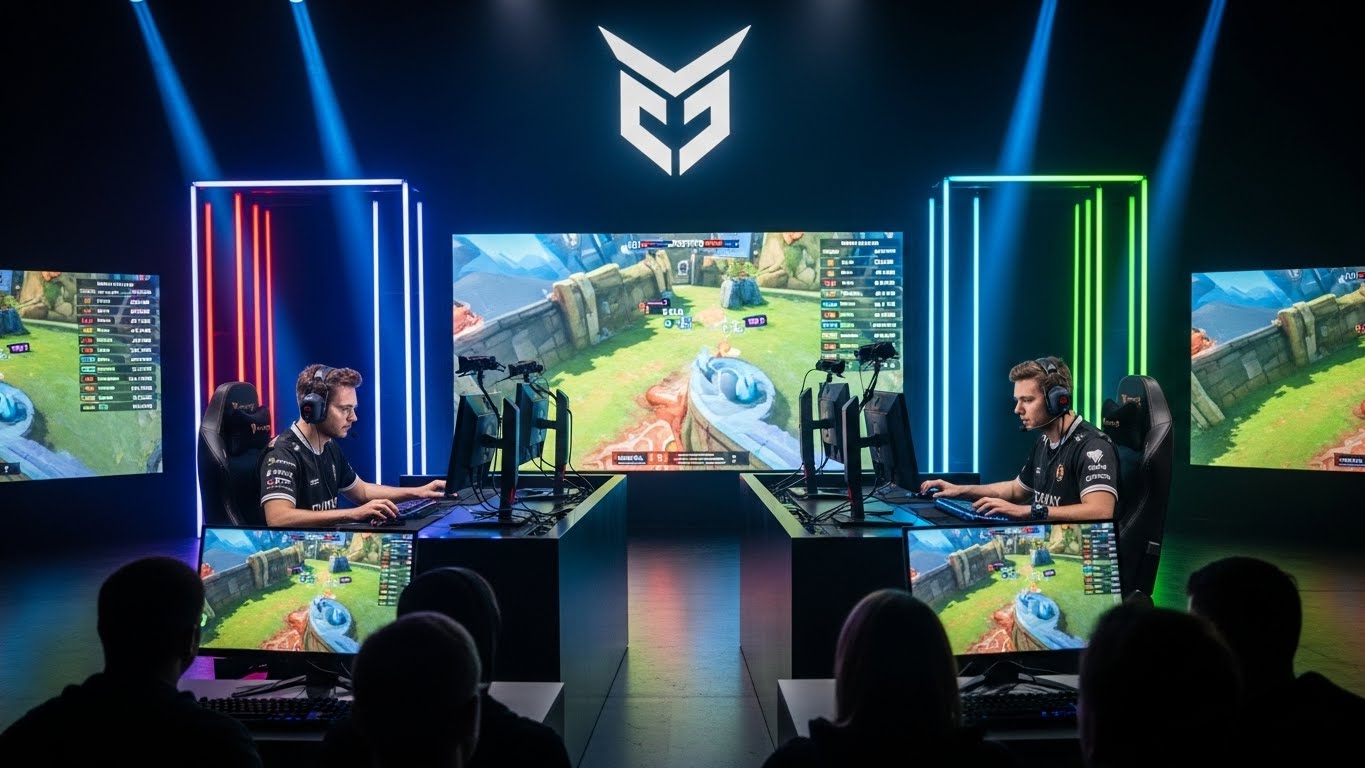
Professional esports organizations now function like traditional sports teams, complete with coaches, analysts, managers, and even psychologists to support player performance. Many players train for up to ten hours a day, practicing strategies, improving reflexes, and analyzing gameplay footage.
Popular Esports Titles
The esports scene is diverse, covering multiple genres and styles of games. Some of the most popular titles include:
- League of Legends (LoL): A MOBA game developed by Riot Games, known for its strategic depth and massive international following. Its annual World Championship draws millions of viewers globally.
- Dota 2: Another MOBA, developed by Valve, famous for its enormous prize pools and intense gameplay. The International tournament consistently breaks records for esports earnings.
- Counter-Strike: Global Offensive (CS:GO): A tactical shooter emphasizing teamwork and precision, with a deeply loyal fan base and numerous professional leagues.
- Fortnite: A battle royale game that combines shooting, building mechanics, and creativity, attracting younger audiences and casual players alongside pros.
- Valorant: A newer entry from Riot Games blending tactical shooting and unique agent abilities, rapidly becoming one of the top esports titles.
- Call of Duty: Known for its competitive multiplayer modes and long-standing franchise legacy.
- Overwatch: A team-based shooter that emphasizes coordination, character roles, and dynamic gameplay.
Each of these games brings a distinct flavor to esports, appealing to different audiences and shaping the competitive landscape in unique ways.
The Spectator Experience
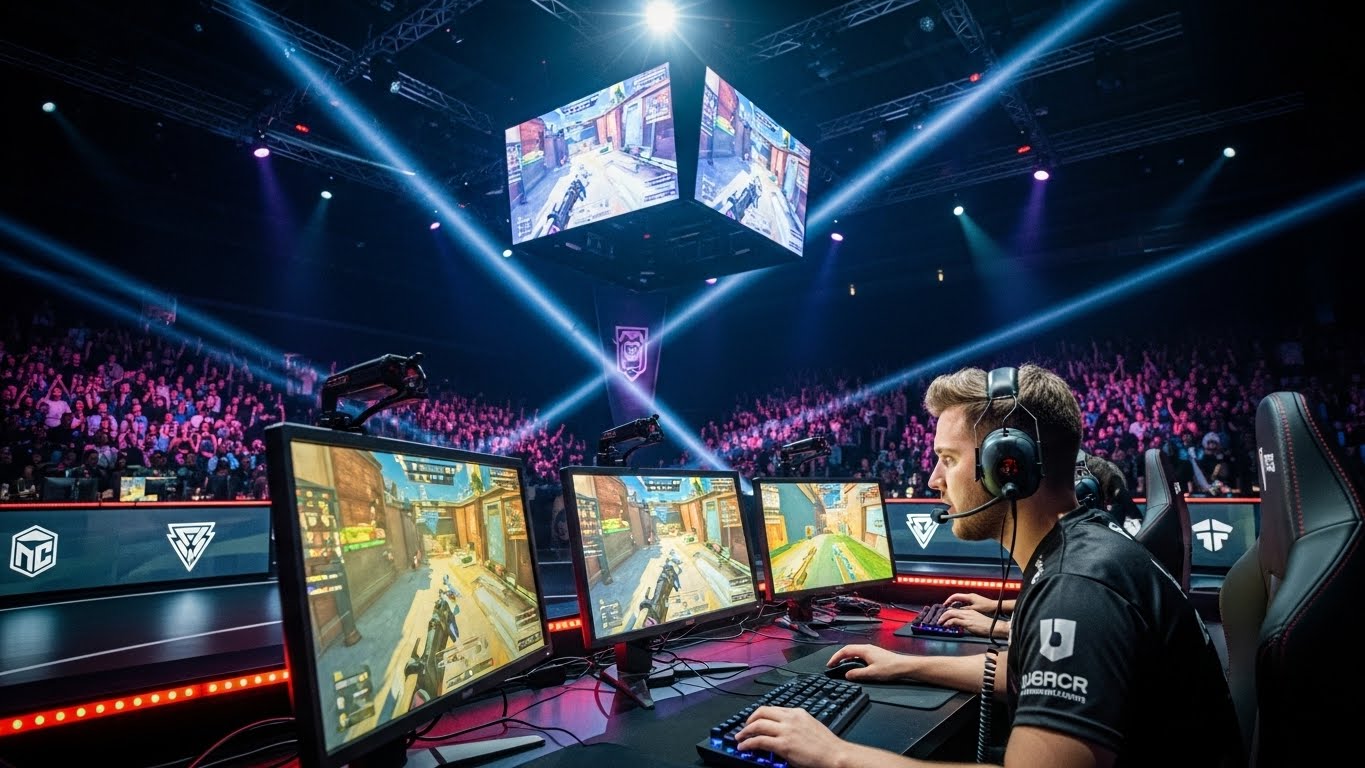
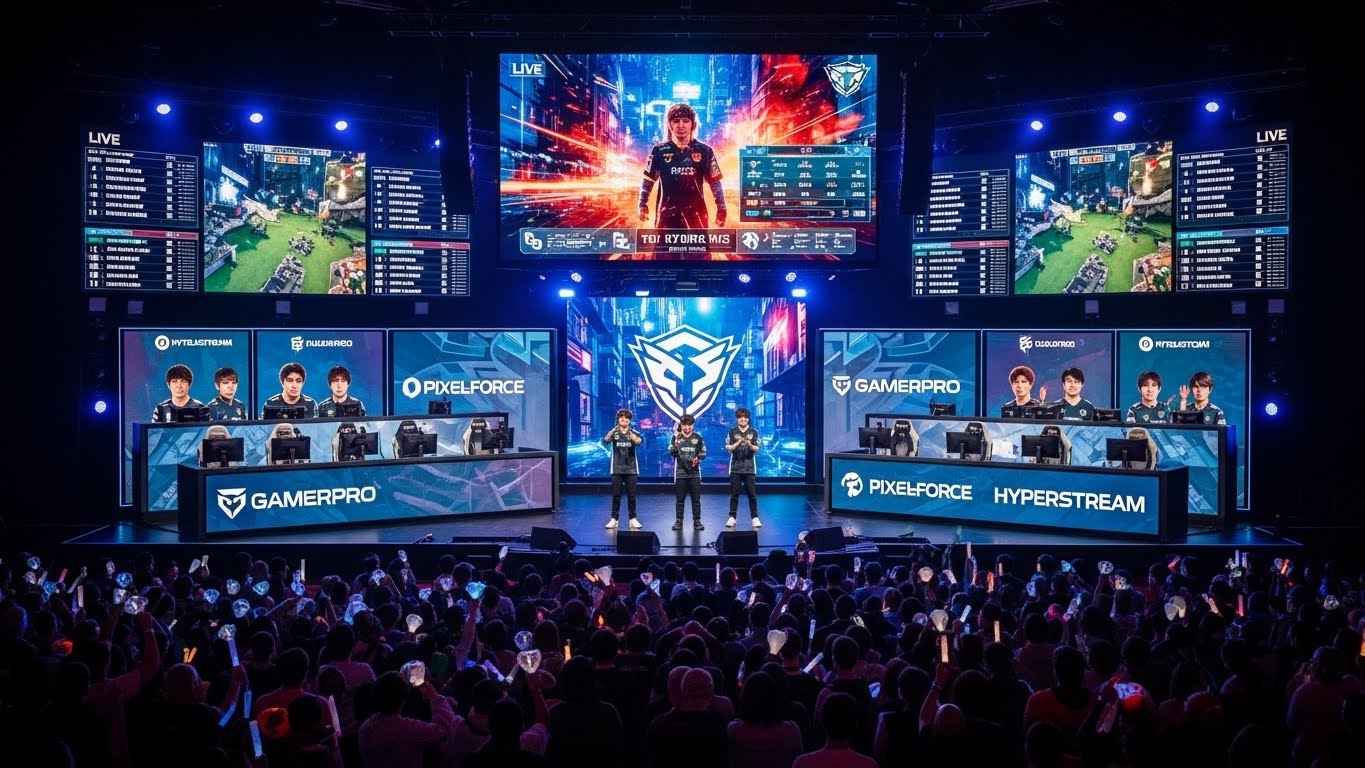
One of the key reasons behind the explosive growth of esports is its entertainment value. Watching esports has become as thrilling as watching traditional sports. Fans tune in to watch their favorite players, teams, and commentators. Events are broadcast with professional production values, complete with live commentary, analysis desks, and instant replays.
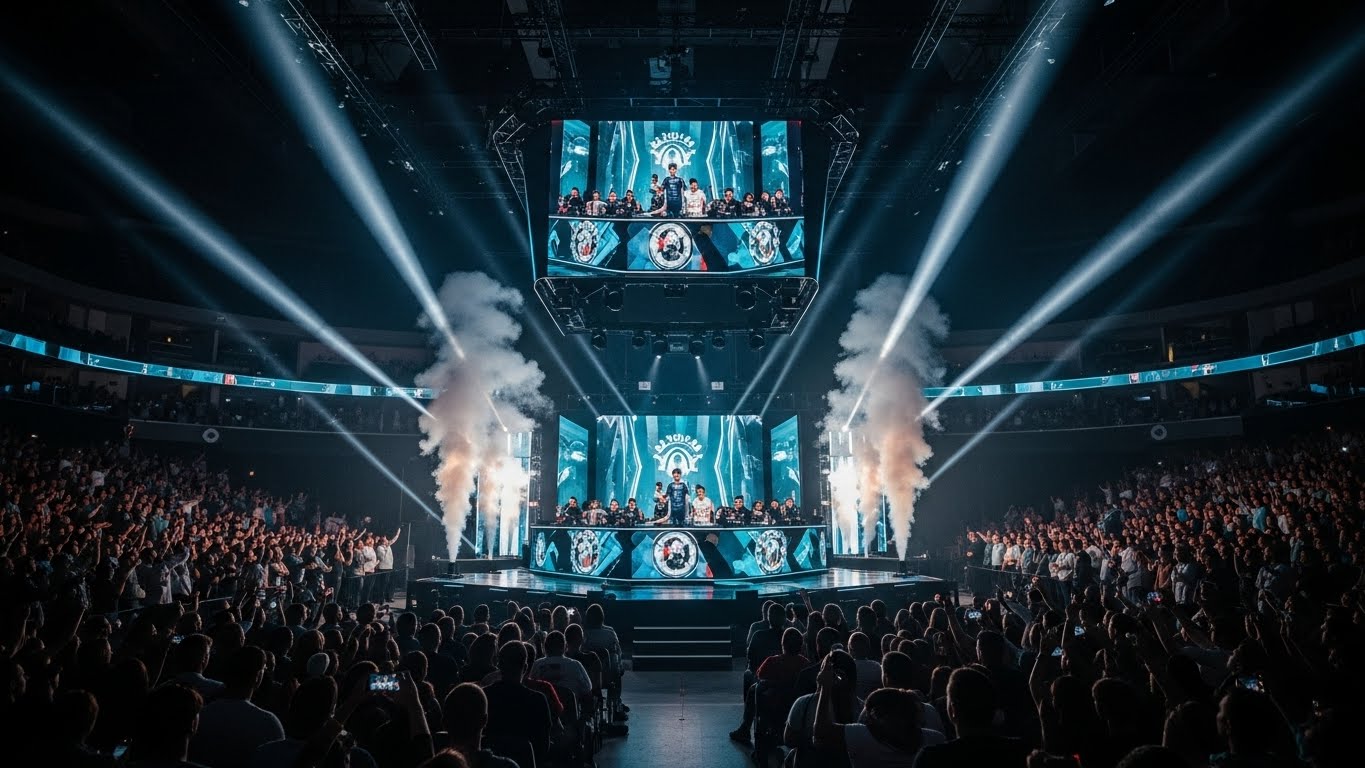
Esports tournaments fill arenas just like basketball or football games. Events such as the League of Legends World Championship, The International, and Fortnite World Cup attract tens of thousands of live spectators, while millions more watch online. The excitement, the energy, and the unpredictability of each match captivate audiences, blurring the line between sports and digital entertainment.
The Role of Streaming Platforms
Streaming platforms have been instrumental in making esports accessible to global audiences. Platforms like Twitch and YouTube Gaming allow fans to watch live matches, follow their favorite streamers, and even learn from professional players. The direct interaction between fans and gamers through chat and social media has built strong communities around each game.
These platforms have also democratized esports, allowing anyone with a computer and internet connection to showcase their skills and potentially rise to professional status. Aspiring players no longer need to rely on traditional broadcasting—streaming provides them a direct platform to connect with audiences and sponsors.
The Professional Esports Player Lifestyle
Becoming a professional esports player requires dedication, skill, and discipline. It’s a demanding career that combines the physical precision of athletics with the mental agility of strategy games. Players often begin their journey in local tournaments or online ladders, gradually earning recognition and sponsorship.
Professional players undergo rigorous training routines, analyzing gameplay, studying opponents, and maintaining physical health. The mental strain of constant competition, travel, and public exposure can be intense. To counter this, many organizations provide psychological support and structured schedules. While the average career span of a professional gamer is shorter than traditional athletes due to the reflex-dependent nature of gaming, opportunities in coaching, commentary, and content creation provide longevity in the industry.
Esports and Traditional Sports
Esports has often been compared to traditional sports, sparking debates about whether it should be considered a “real sport.” While esports lacks physical exertion in the conventional sense, it demands hand-eye coordination, reflexes, teamwork, and strategic planning comparable to any physical sport.
Many traditional sports organizations have embraced esports. Football clubs like Manchester City and Paris Saint-Germain have their own esports divisions, while the NBA launched the NBA 2K League, featuring teams representing actual basketball franchises. This crossover highlights how esports and traditional sports can coexist, appealing to both old and new generations of fans.
The Economic Impact of Esports
The economic footprint of esports is substantial. From sponsorship deals and advertising to merchandise and ticket sales, esports generates revenue streams that rival traditional sports. Major brands from technology, beverage, apparel, and automotive industries have invested heavily in esports sponsorships.
Additionally, esports has created numerous career opportunities beyond playing. Event organizers, commentators, analysts, content creators, and marketers all contribute to the growing ecosystem. Esports media and journalism have also evolved, providing in-depth coverage and analysis akin to mainstream sports reporting.
Esports in Education
The academic world has also recognized the importance of esports. Many universities now offer esports scholarships, degrees in game design, and programs in esports management. Educational institutions see esports as a bridge to engage students in STEM fields, teamwork, and communication skills.
High schools and colleges around the world have established esports clubs and competitive leagues, encouraging students to balance academics and gaming. This integration into education demonstrates the legitimacy and sustainability of esports as a long-term career path.
The Social and Cultural Influence of Esports
Esports has become more than just competition; it’s a cultural movement. It unites people across borders, languages, and backgrounds through a shared love for gaming. Online communities form around games, fostering friendships and collaboration.
Esports events are global celebrations of digital culture, featuring cosplay, art, and fan gatherings. The fandom resembles that of traditional sports, complete with chants, team merchandise, and passionate debates. Esports celebrities have emerged as influencers, shaping youth culture and entertainment trends.
Challenges Faced by the Esports Industry
Despite its success, esports faces several challenges. Player burnout, lack of standard regulation, and issues related to mental health remain major concerns. The fast-paced nature of the industry also leads to instability, as games can quickly rise and fall in popularity.
Another ongoing debate involves fair play and cheating. Since esports operates in a digital environment, hacking and software manipulation pose risks to competitive integrity. Developers and organizers continuously improve anti-cheat systems to ensure fair competition.
Additionally, the industry must address inclusivity and diversity. While esports is accessible to anyone with an internet connection, representation among genders and regions still needs improvement. Creating safe, welcoming spaces for all players is essential for long-term sustainability.
The Future of Esports
The future of esports looks incredibly bright. With advancements in technology like virtual reality, augmented reality, and artificial intelligence, the potential for new forms of interactive competition is vast. The integration of esports into mainstream media, coupled with growing sponsorships, suggests continued expansion.
Esports could soon become a regular feature in global sporting events. Discussions about including esports in the Olympic Games reflect how seriously the world now views competitive gaming. As digital natives grow up in an age where gaming is a fundamental part of life, esports will continue to influence entertainment, culture, and technology.
The Global Reach and Inclusivity of Esports
One of the most remarkable aspects of esports is its global accessibility. Unlike traditional sports that may require physical facilities, esports only needs a computer or console and an internet connection. This allows players from any background or country to compete on equal footing.
From Europe to Asia, North America to Africa, esports communities thrive everywhere. Regions like South Korea, China, and the United States dominate professionally, but emerging scenes in the Middle East, South America, and Africa are rapidly growing. This global inclusivity showcases how esports transcends geography, politics, and language.
The Role of Technology in Esports Growth
The evolution of technology has been the backbone of esports’ success. High-performance computers, low-latency internet, and advanced graphics have created immersive experiences for both players and viewers. Artificial intelligence helps analyze strategies, predict outcomes, and improve player training.
Moreover, the rise of mobile gaming has expanded esports to billions of users. Games like PUBG Mobile, Mobile Legends, and Free Fire have transformed smartphones into competitive platforms, particularly in regions with limited access to gaming PCs.
Conclusion: The Legacy and Promise of Esports
Esports represents the fusion of technology, entertainment, and human skill. From its humble beginnings in arcades and basements to packed stadiums and international broadcasts, it has redefined what competition can look like in the digital age.
The industry continues to inspire new generations of players, innovators, and fans. It promotes values of teamwork, creativity, and perseverance—qualities found in any traditional sport. Esports has become a mirror of our modern world, where digital interaction and global connectivity shape our experiences.
As we look ahead, esports will undoubtedly continue to evolve, bringing people together through the universal language of play. It is not just the future of gaming—it is the future of competition, culture, and entertainment.