championstream42
Introduction: The Rise of a Digital Phenomenon
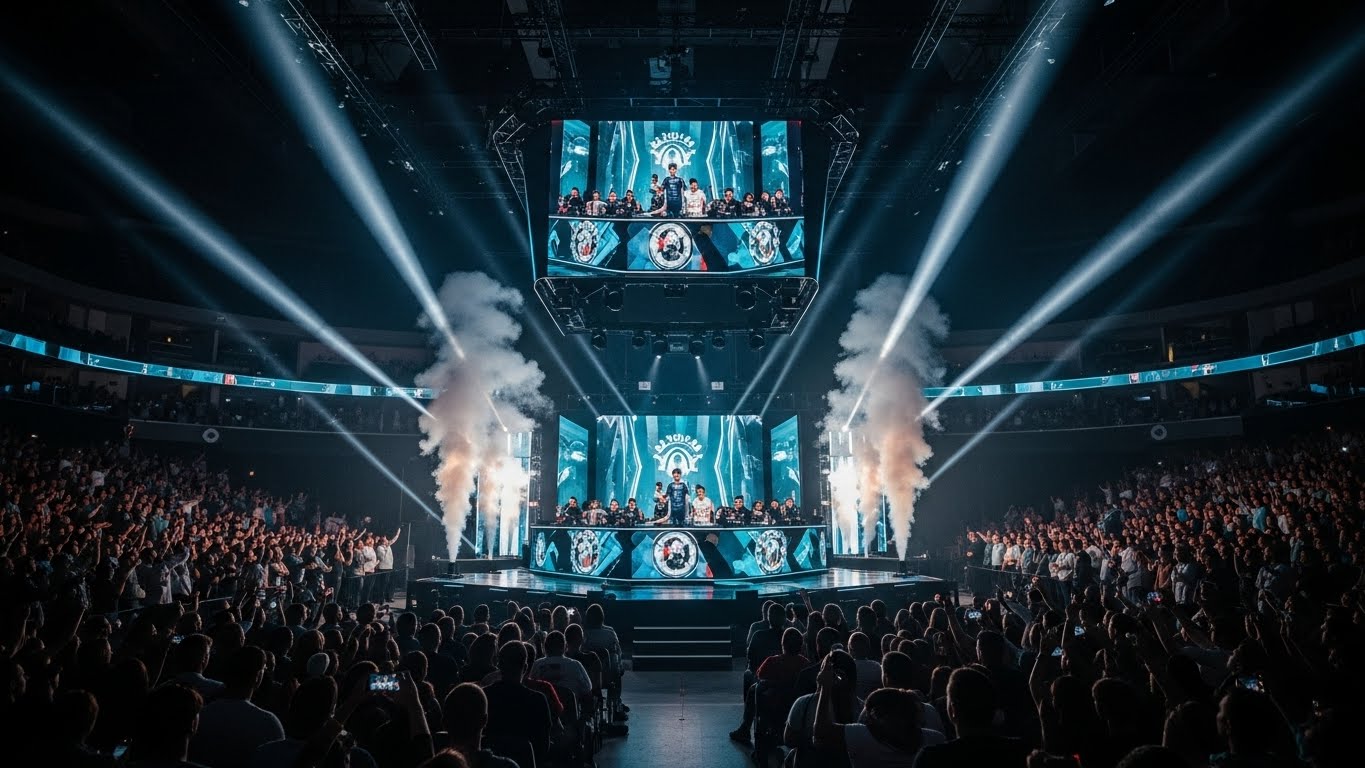
Esports, or electronic sports, has transformed from a niche hobby into a global phenomenon, redefining the landscape of entertainment, competition, and community. What once was confined to small gatherings of friends playing video games in basements or local arcades has evolved into a billion-dollar industry that draws millions of viewers worldwide. The rise of esports represents a fusion of technology, culture, and competitive spirit, offering opportunities for players, content creators, and fans alike. As this industry grows, it challenges traditional ideas of sports, careers, and digital engagement.
The Origins of Competitive Gaming
Competitive gaming is not a modern invention. Its roots trace back to the late 1970s and 1980s when arcade tournaments became popular in the United States and Japan. Early competitions were small, local events where high scores determined winners. Games like Space Invaders, Pac-Man, and later Street Fighter became the battlegrounds for early competitive players. However, it was the advent of personal computers, consoles, and the internet that truly transformed gaming into a competitive, global experience. Multiplayer online games allowed players from different countries to compete, creating a virtual arena where skill and strategy determined success.
Transitioning from Hobby to Profession
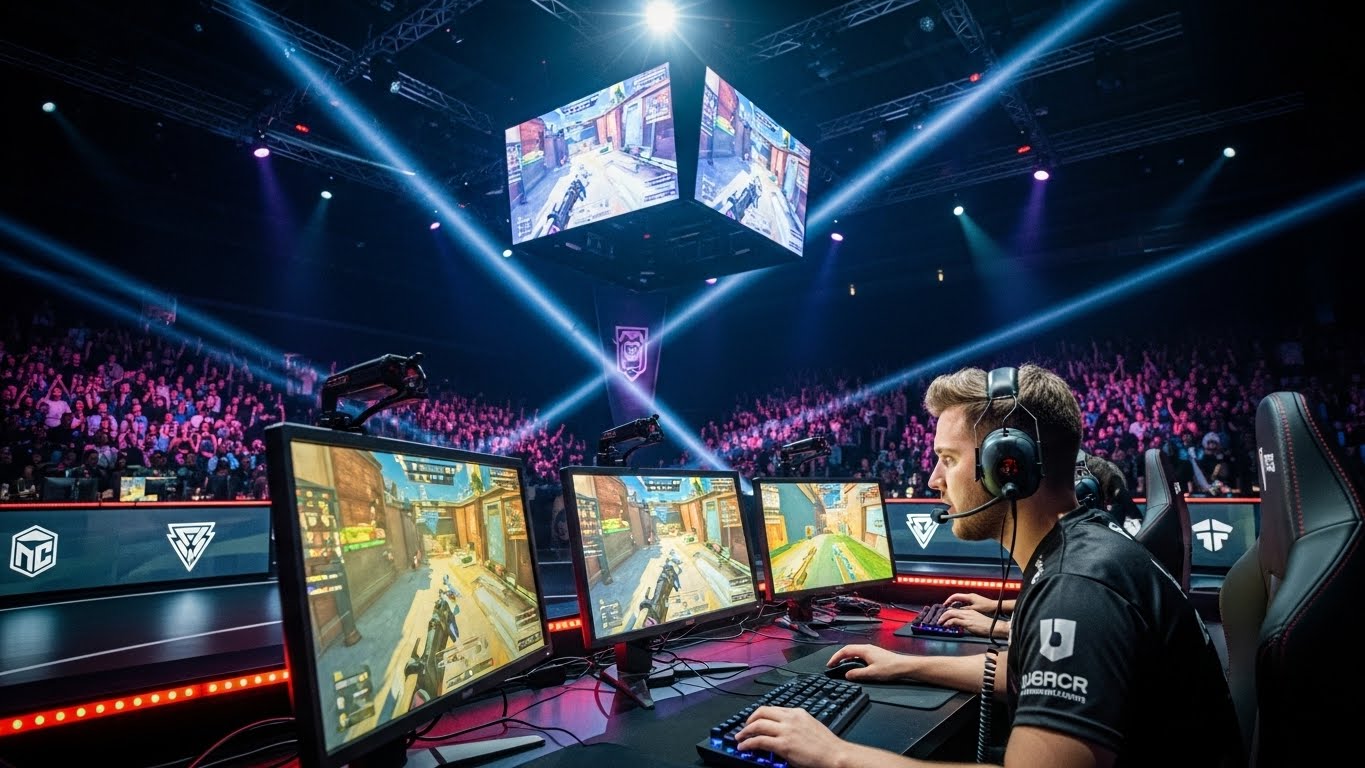
One of the defining features of modern esports is its professionalization. Unlike casual gaming, professional players follow rigorous training schedules, sometimes practicing six to eight hours a day. Esports teams now operate with structures similar to traditional sports organizations, including managers, coaches, analysts, and nutrition or fitness specialists. Salaries, sponsorships, and prize money make it a viable career path for talented individuals. This professionalization has elevated esports’ status, challenging outdated stereotypes that gaming is merely a pastime.
Popular Esports Titles and Their Impact
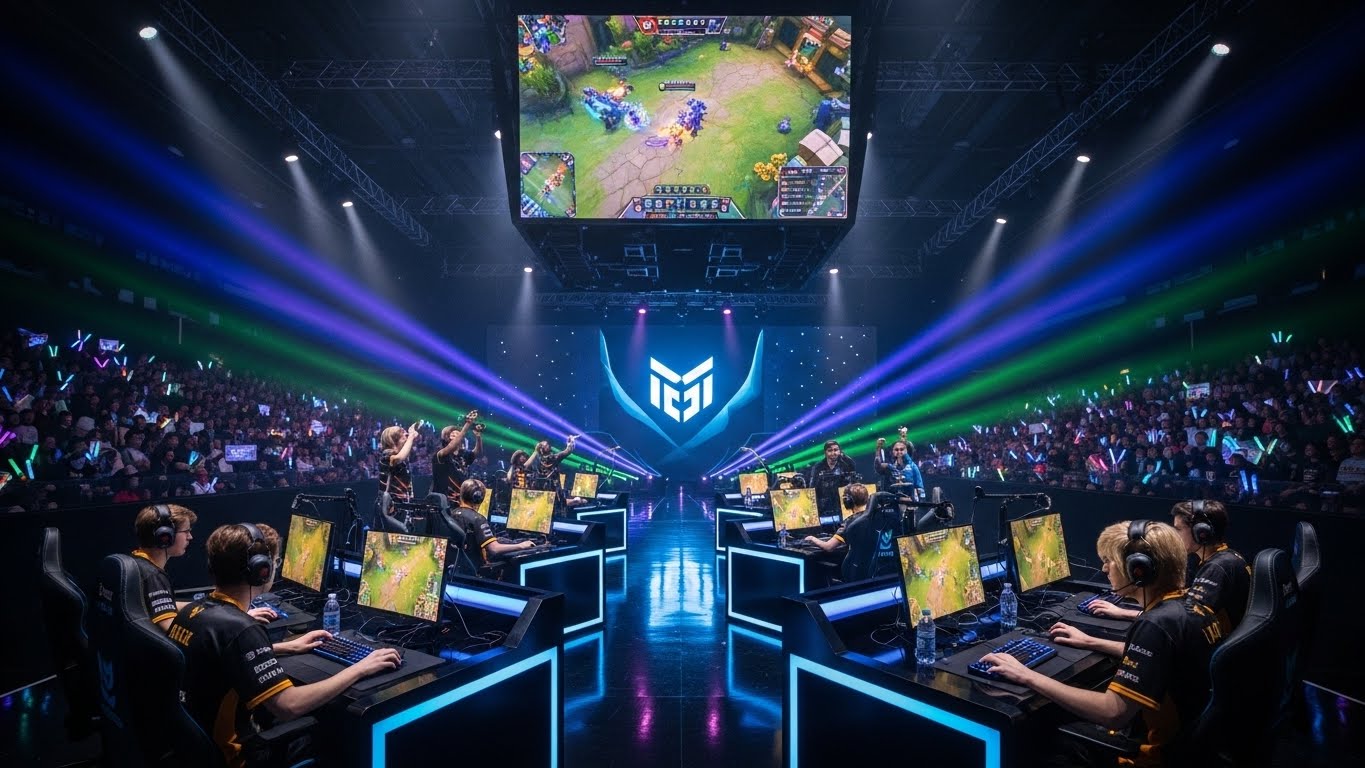
Not every video game becomes an esport. Successful competitive titles share qualities such as balanced gameplay, a high skill ceiling, and spectator appeal. First-person shooters like Counter-Strike and Call of Duty demand precision and quick reflexes, while multiplayer online battle arena games such as League of Legends and Dota 2 emphasize strategy and teamwork. Fighting games, sports simulations, and racing games also have dedicated competitive scenes. These games not only provide entertainment but also shape the esports ecosystem by defining the skills and strategies that players must master.
Streaming and the Growth of Audiences
The explosion of esports is closely tied to streaming platforms. Live broadcasts allow fans to watch competitions in real-time, creating communities around shared experiences. Commentators and analysts enhance the viewing experience by explaining strategies and highlighting key moments, making complex games accessible to casual viewers. Streaming has also empowered individual gamers and content creators, allowing them to build personal brands and connect directly with fans. This accessibility has contributed to the widespread popularity of esports, making it not just a competition but a global entertainment platform.
Economic Significance and Market Growth
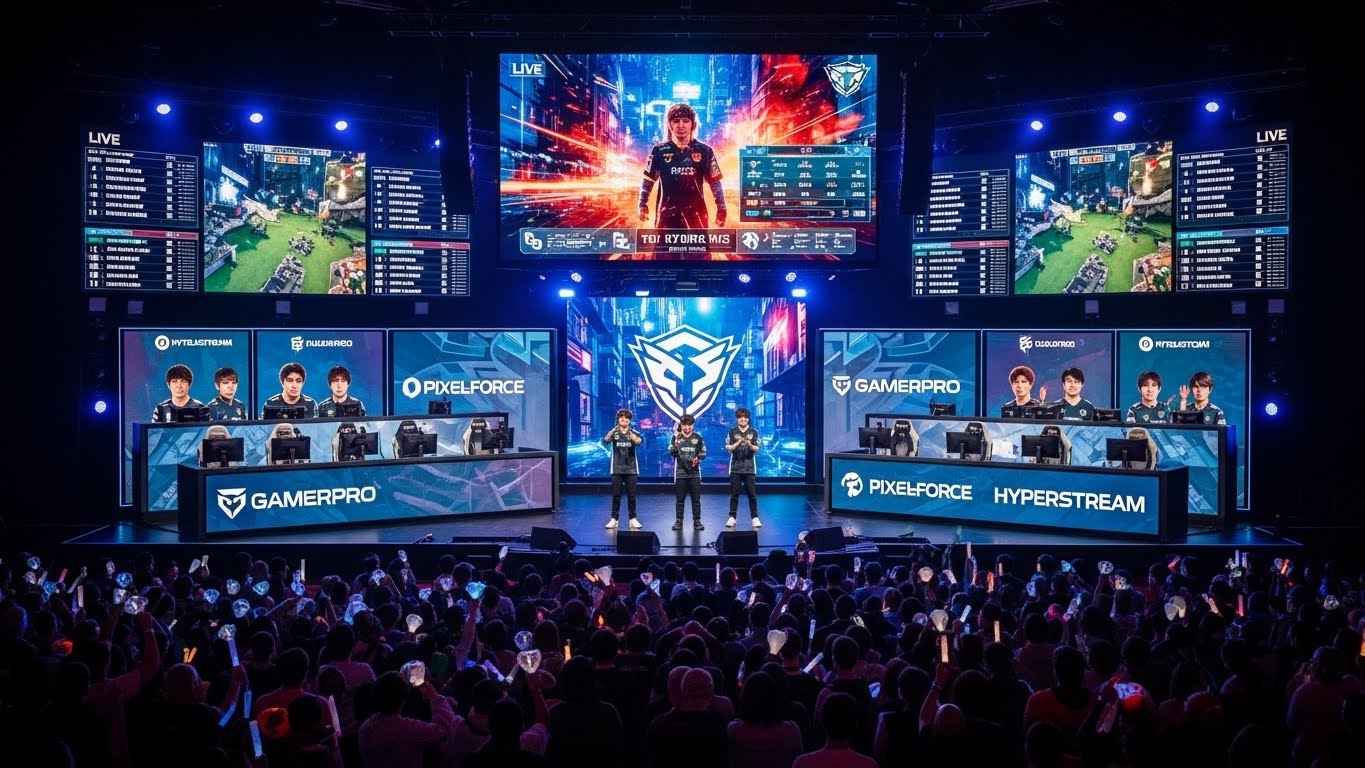
Esports has evolved into a multibillion-dollar industry. Revenue streams include sponsorships, advertising, merchandising, media rights, and event ticket sales. Major brands now invest in esports to reach younger, digitally engaged audiences. Cities and countries actively compete to host international tournaments, boosting tourism and generating economic activity. Additionally, educational institutions are beginning to recognize esports by offering scholarships and courses related to gaming, event management, and digital media. This economic ecosystem supports players, teams, organizers, and other professionals, reflecting the industry’s growing legitimacy and global reach.
Cultural Recognition and Legitimacy
Despite its popularity, esports has faced questions about legitimacy. Traditionalists argue that sports require physical exertion, while critics sometimes dismiss gaming as unproductive. However, the discipline, strategy, and teamwork required in competitive gaming mirror those of conventional sports. Mental acuity, reflexes, and coordination are honed through practice and competition, demonstrating that esports requires dedication and skill. Over time, as tournaments gain media coverage and players achieve celebrity status, public perception continues to shift toward recognizing esports as a legitimate and meaningful form of competition.
Mental and Physical Challenges for Players
Professional esports is demanding both mentally and physically. High-level players face intense pressure to perform consistently, often under the scrutiny of fans and sponsors. Long hours of practice can lead to stress, fatigue, and physical strain such as eye fatigue, wrist injuries, and posture-related issues. To address these challenges, organizations increasingly implement wellness programs, encourage balanced routines, and provide mental health support. Recognizing the need for sustainability, the industry has begun to prioritize player well-being alongside competitive success.
Community Building and Global Connectivity
Esports is inherently global, connecting people from diverse backgrounds through shared passion. Online communities foster collaboration, friendship, and rivalry, creating social spaces where players and fans interact beyond geographical boundaries. International tournaments showcase different playstyles and strategies, influenced by regional gaming cultures. This inclusivity makes esports appealing to younger generations, who value diversity, representation, and digital social interaction. At its best, esports demonstrates how technology can unite people and create meaningful cultural experiences.
Challenges and Controversies in the Industry
Rapid growth has brought challenges to esports. Issues such as cheating, match-fixing, and financial instability can threaten credibility and fairness. Smaller teams and leagues may struggle to survive, and disparities in opportunities raise questions about accessibility. Diversity and inclusion remain ongoing concerns, as representation within professional play and management positions is uneven. Addressing these challenges requires transparency, regulation, and community engagement, ensuring that esports remains competitive, fair, and sustainable.
Technological Innovations Shaping Esports
Technology is central to esports’ evolution. Advances in hardware and software enhance both player performance and audience experience. Virtual reality and augmented reality present possibilities for entirely new forms of competitive gaming, while artificial intelligence assists with performance analysis, strategy development, and broadcast production. High-speed internet and streaming technology enable real-time global competition, while data analytics provides insights into gameplay patterns. Esports continues to push technological boundaries, influencing trends in digital entertainment, media, and interactive experiences.
Esports in Education and Youth Development
Esports has increasingly found a place in education. Schools and universities form teams, clubs, and leagues that teach collaboration, leadership, and strategic thinking. Academic programs explore game design, event management, digital media, and other career-relevant skills through esports. For students, participation in competitive gaming can be a gateway to broader opportunities in technology, entertainment, and creative industries. By integrating esports into educational systems, institutions recognize the potential of gaming to develop cognitive, social, and professional skills.
The Future of Esports
Looking forward, esports is poised for continued growth and innovation. Hybrid events that combine physical and digital experiences may redefine how competitions are held. As technology continues to advance, the possibilities for immersive gameplay and audience engagement expand. New titles, genres, and global markets will diversify the competitive landscape. The challenge will be balancing rapid expansion with community values, fair competition, and player welfare. With ongoing investment and cultural acceptance, esports is likely to remain a central feature of global entertainment for decades to come.
Conclusion: Beyond the Game
Esports has evolved far beyond its origins as a hobby or casual pastime. It has become a structured, competitive, and globally recognized industry that offers economic, social, and cultural value. From players striving for excellence to fans forming vibrant communities, esports embodies the power of technology to create connection, competition, and entertainment. As it continues to grow, esports will not only redefine gaming but also challenge traditional notions of sports, careers, and digital culture. Its impact is profound, proving that what once started as play has transformed into a movement shaping the future of entertainment.