championstream42
Introduction: The Rise of a New Arena
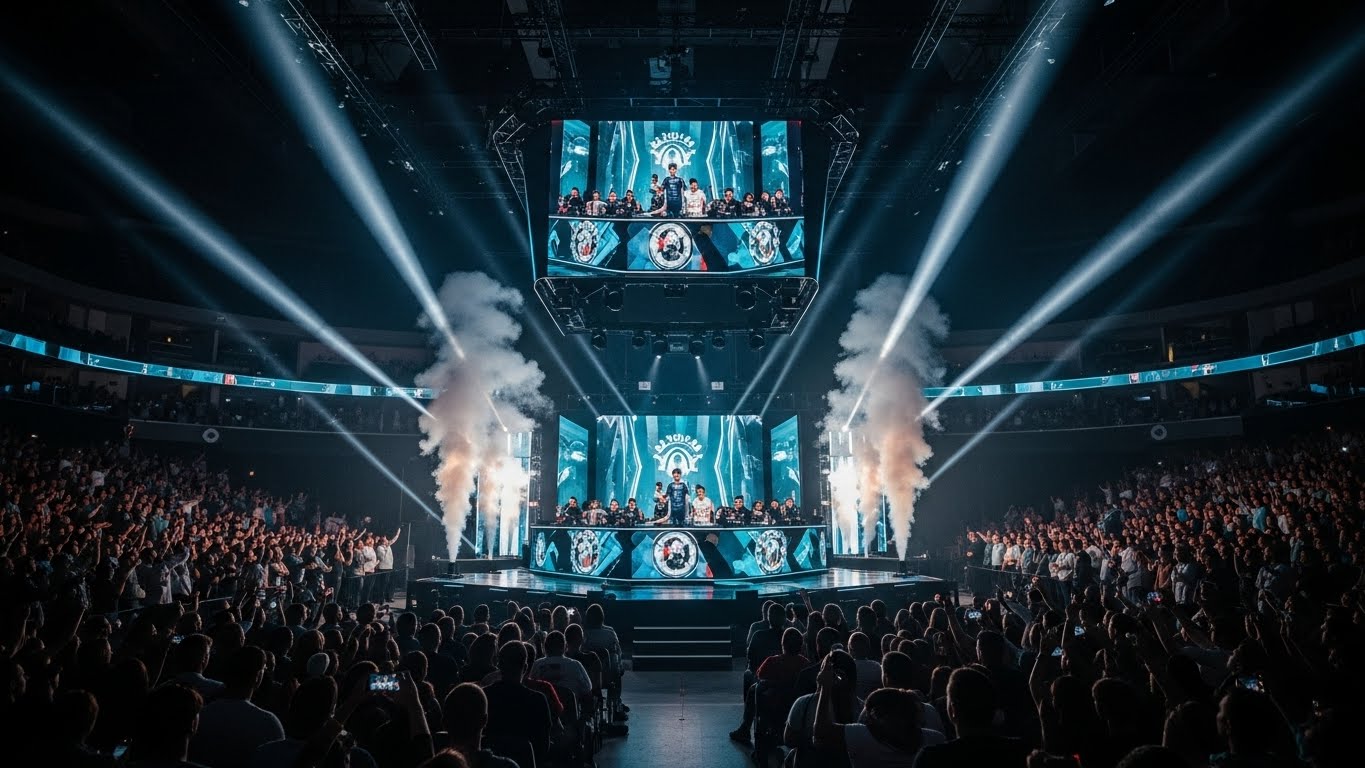
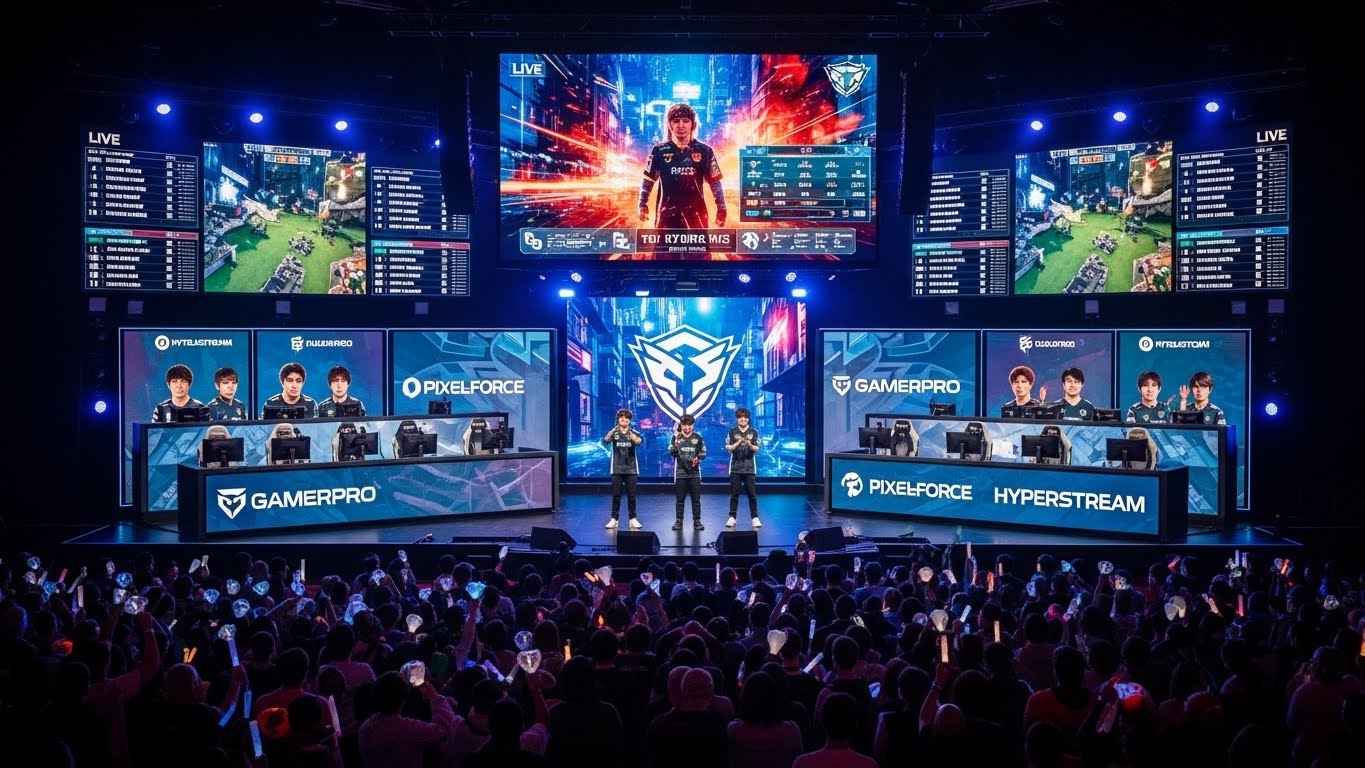
Once dismissed as a pastime for hobbyists, esports has evolved into a global phenomenon that rivals traditional sports in scale, influence, and cultural impact. Competitive gaming is no longer confined to bedrooms or internet cafés. It now fills stadiums, attracts millions of online viewers, and generates billions in revenue. Esports represents more than just playing video games professionally; it is a redefinition of competition, entertainment, and community in the digital age.
As technology advances and digital culture becomes deeply embedded in daily life, esports stands at the intersection of innovation, skill, and passion. This blog explores how esports emerged, why it resonates with a global audience, and what its growth means for the future of sports and entertainment.
Understanding Esports: More Than Just Gaming
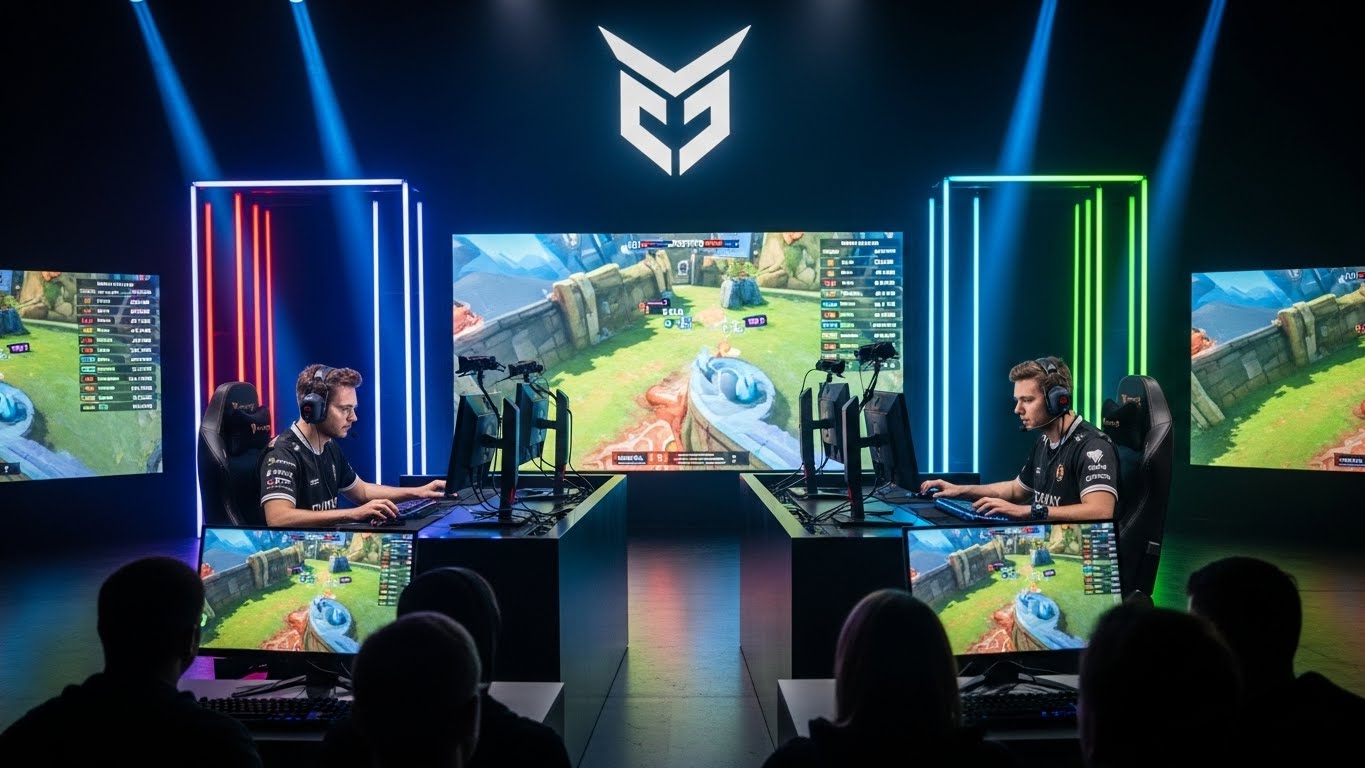
Esports, short for electronic sports, refers to organized, competitive video gaming where individuals or teams compete in structured tournaments. Unlike casual gaming, esports demands discipline, strategic thinking, teamwork, and consistent practice. Players often train for long hours, analyzing gameplay, refining mechanics, and studying opponents much like athletes in traditional sports.
Popular esports titles span multiple genres, including multiplayer online battle arenas, first-person shooters, real-time strategy games, and sports simulations. Each genre requires a different skill set, from lightning-fast reflexes to deep tactical planning. This diversity is one of esports’ greatest strengths, allowing it to appeal to a wide range of players and spectators.
The Evolution of Esports From Niche to Mainstream
The roots of esports can be traced back to early gaming competitions held in small venues with limited audiences. Over time, improvements in internet infrastructure, streaming technology, and gaming hardware allowed competitions to reach a global audience. What was once a niche subculture began to grow into a mainstream entertainment industry.
The turning point for esports came with the rise of live streaming platforms and social media. Fans could now watch matches in real time, interact with players, and become part of online communities. This accessibility fueled rapid growth, turning esports events into global spectacles watched by millions across different continents.
The Players Behind the Screens
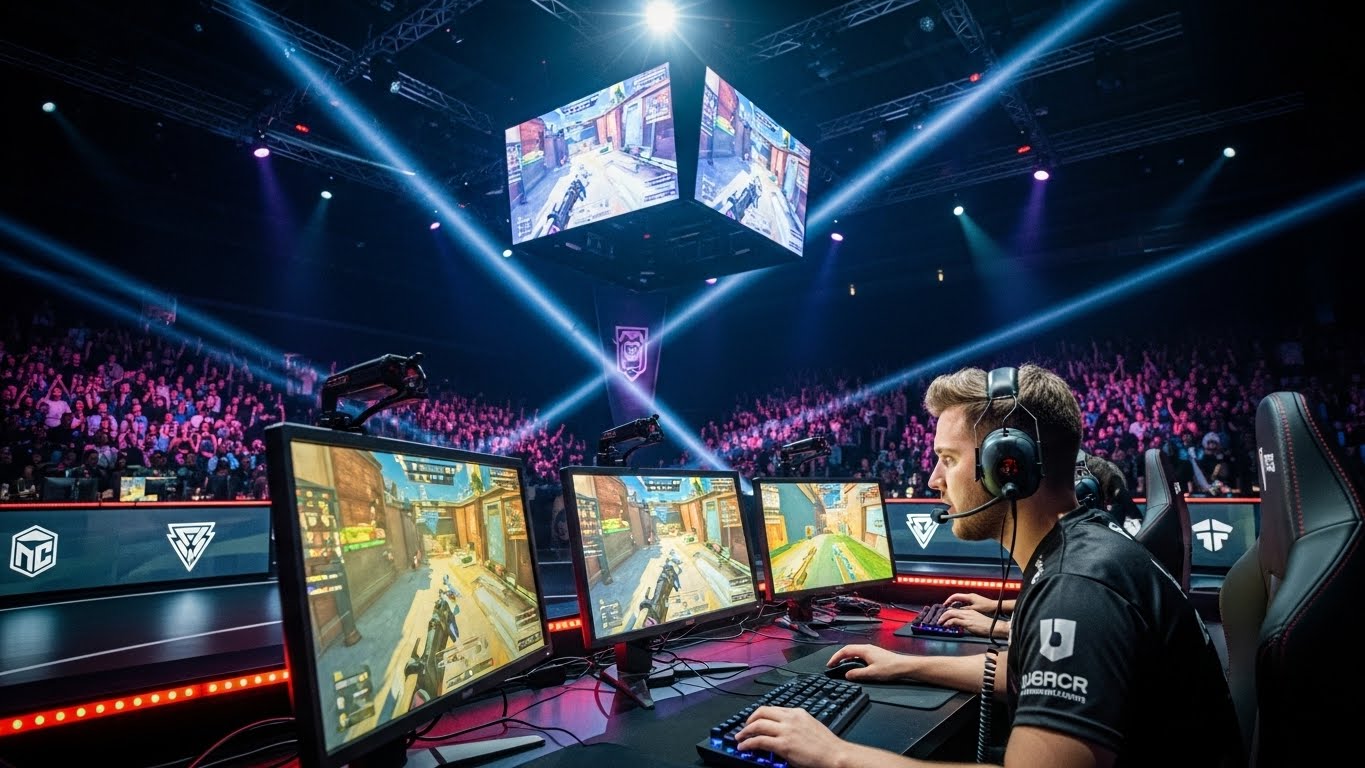
Esports athletes are often misunderstood as simply playing games for fun. In reality, professional players follow rigorous routines that include physical exercise, mental conditioning, and strategic preparation. Reaction speed, hand-eye coordination, communication, and emotional control are critical to success at the highest level.
Many players begin their journey at a young age, honing their skills through years of practice. The competitive lifespan can be short, making dedication and adaptability essential. Despite these challenges, esports offers opportunities for fame, financial success, and global recognition for those who reach the top.
Teams, Coaches, and Strategy
Behind every successful esports player is a support system that mirrors traditional sports organizations. Professional teams employ coaches, analysts, managers, and support staff who help players improve performance and maintain balance. Coaches develop strategies, review gameplay footage, and prepare teams for specific opponents.
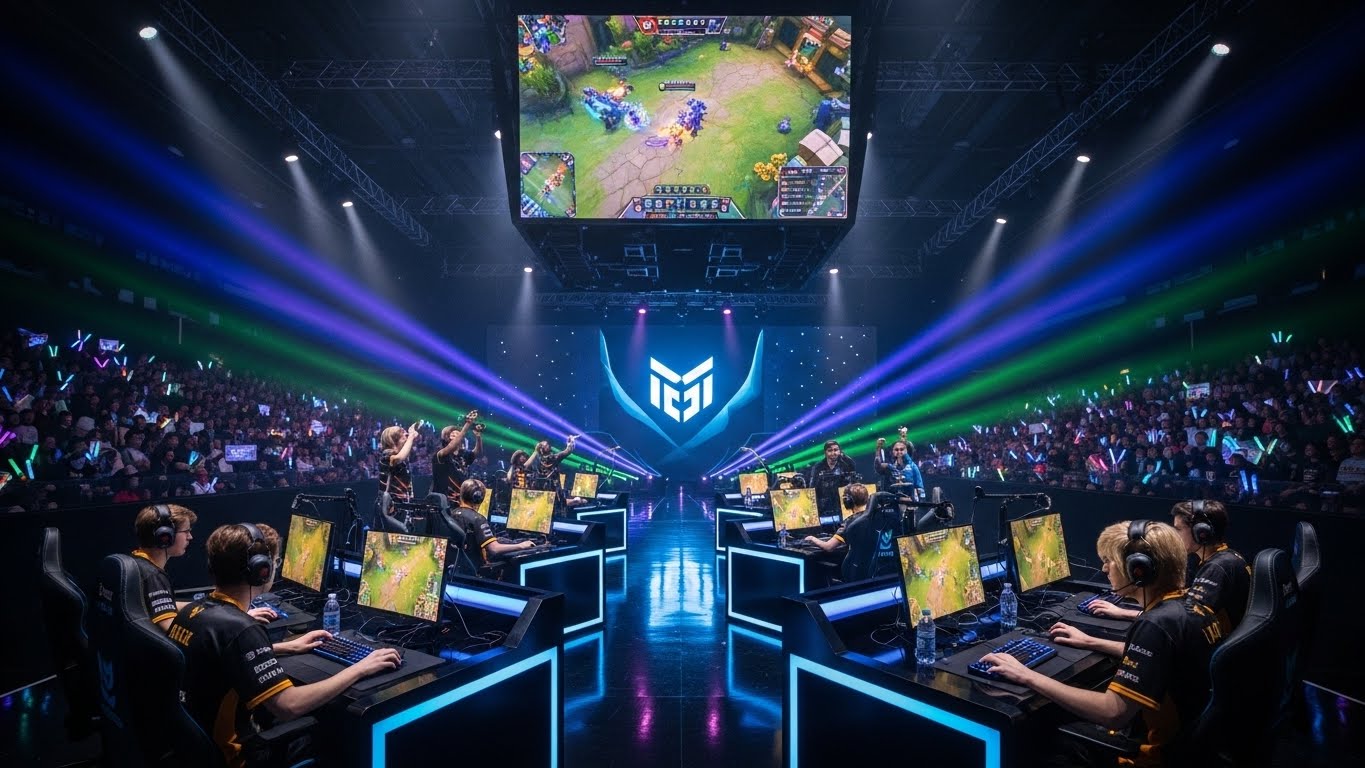
Team synergy is crucial in esports. Success often depends not on individual brilliance but on coordination and trust. Players must communicate effectively, make split-second decisions, and adapt to changing situations during matches. This strategic depth is one of the reasons esports is so compelling to watch.
The Business of Esports
Esports has grown into a powerful economic engine. Revenue streams include sponsorships, advertising, merchandise, ticket sales, and media rights. Major brands from technology, fashion, and consumer goods industries have entered the esports space, recognizing its ability to engage younger, digitally native audiences.
Tournament organizers and game developers play a central role in shaping the ecosystem. By creating competitive structures and supporting grassroots initiatives, they help sustain long-term growth. As the industry matures, professionalism and financial stability continue to improve.
Esports and Global Culture
One of the most remarkable aspects of esports is its global nature. Players from different countries compete on equal footing, often communicating across language and cultural barriers. International tournaments bring together diverse communities united by a shared passion for gaming.
Esports also influences popular culture, shaping fashion trends, music, and online content creation. Streamers and professional players often become influencers, building personal brands that extend beyond competition. This blending of gaming and culture has helped esports reach audiences far beyond traditional sports fans.
The Role of Technology and Innovation
Technology is the backbone of esports. High-performance gaming hardware, advanced software, and reliable online infrastructure are essential for competitive play. Innovations such as virtual reality, artificial intelligence, and enhanced broadcasting tools continue to push the boundaries of what esports can offer.
Spectator experiences have also evolved. Viewers can access detailed statistics, multiple camera angles, and expert commentary that enhance understanding and enjoyment. These technological advancements make esports not only competitive but also highly engaging as a form of entertainment.
Education and Career Opportunities in Esports
As esports grows, so do the career opportunities surrounding it. Beyond professional players, the industry needs event organizers, marketers, broadcasters, developers, and analysts. Educational institutions have begun offering programs focused on esports management, game design, and digital media.
For many young people, esports provides a pathway to careers that combine creativity, technology, and competition. This expansion challenges traditional ideas about success and highlights the changing nature of work in a digital world.
Challenges Facing the Esports Industry
Despite its rapid growth, esports faces several challenges. Issues such as player burnout, mental health, and career longevity require attention. The industry must also address concerns related to fair play, inclusivity, and sustainable growth.
Establishing consistent regulations and standards across different regions remains a complex task. As esports continues to professionalize, balancing commercial interests with player welfare and community values will be crucial.
The Future of Esports
The future of esports looks promising as technology, audience engagement, and institutional support continue to evolve. Integration with traditional sports organizations, increased investment, and broader media coverage are likely to further legitimize competitive gaming.
Esports may also play a role in shaping how future generations view competition and teamwork. As digital spaces become increasingly important, esports offers a model for meaningful interaction, skill development, and global connection.
Conclusion: A New Definition of Sport
Esports is more than a trend or a form of entertainment. It represents a shift in how competition is defined and experienced in the modern world. By combining technology, strategy, and human skill, esports has created a new arena where talent and dedication thrive beyond physical boundaries.
As the digital age continues to evolve, esports stands as a testament to innovation and adaptability. It challenges traditional norms, brings people together across borders, and proves that competition can flourish in many forms. Beyond the screen, esports is shaping the future of sports itself.