championstream42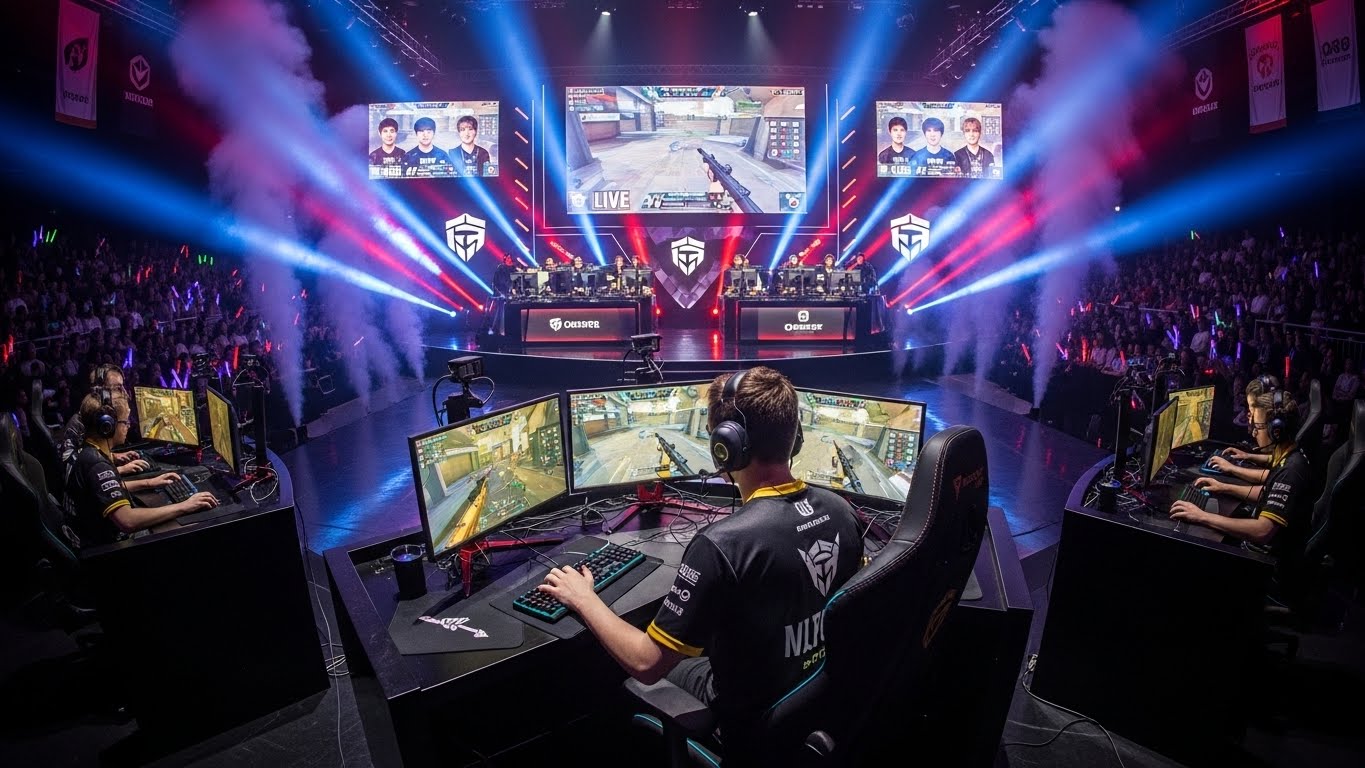
Introduction
In the past decade, esports has transformed from a niche hobby into a worldwide phenomenon, captivating millions of players, fans, and investors alike. Short for electronic sports, esports refers to competitive gaming where individuals or teams compete in video games for prizes, recognition, and professional careers. What was once a pastime for a small community of gaming enthusiasts has grown into a global entertainment and sporting industry. This blog explores the evolution of esports, its cultural and economic impact, the technology behind it, and what the future holds for this exciting digital arena.
The Origins of Competitive Gaming
Competitive gaming is not entirely new. Long before esports became a recognized industry, players competed in local arcades, computer labs, and gaming clubs. High score challenges and friendly tournaments in games like Pac-Man, Street Fighter, and early strategy titles set the stage for organized competition.
With the rise of multiplayer PC games in the 1990s, such as Counter-Strike and StarCraft, competitive gaming started taking a more structured form. Online connectivity allowed players from different regions to compete, fostering international rivalries and communities. These early competitions were the foundation for the professional esports scene we see today.
The Evolution into Organized Esports
The formalization of esports began in the 2000s when large-scale tournaments started offering substantial prize pools and attracting global audiences. Major titles like League of Legends, Dota 2, and Call of Duty created leagues and international competitions that professionalized the gaming experience.
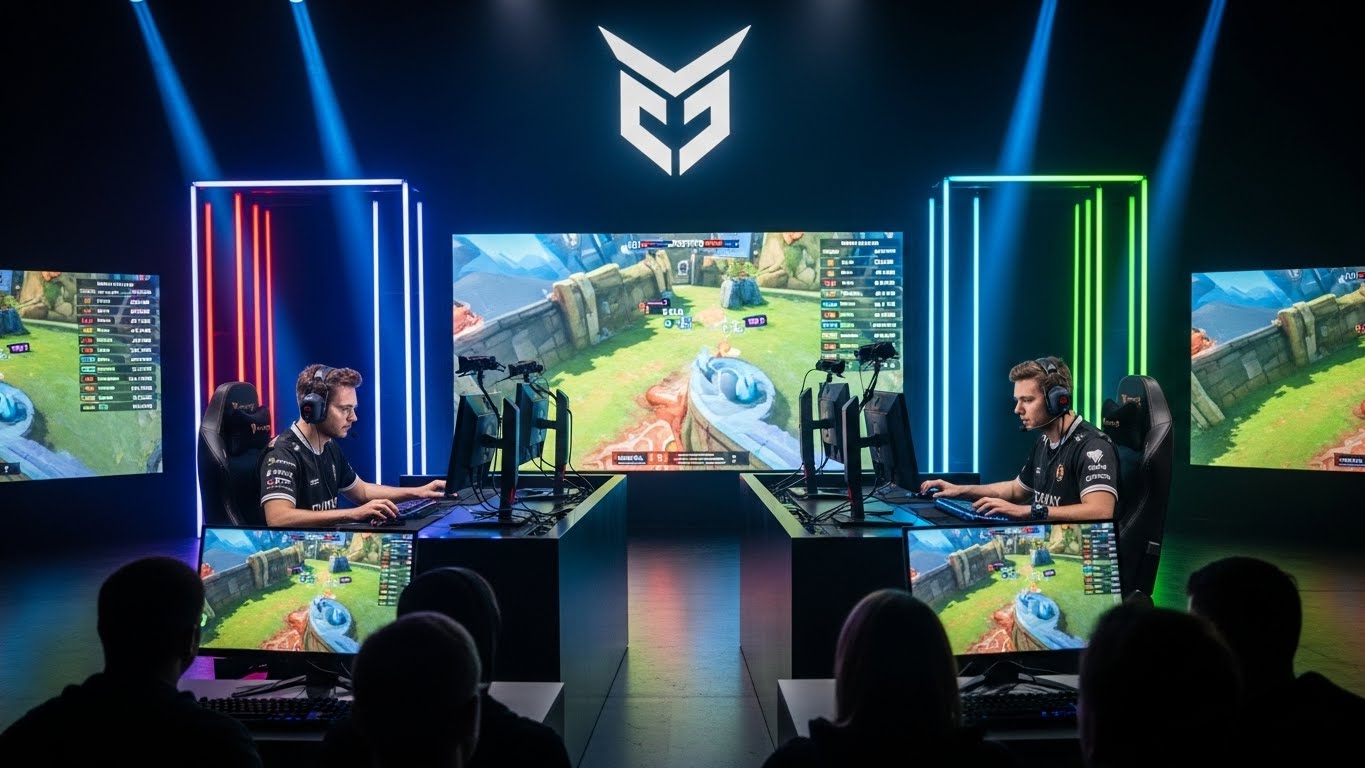
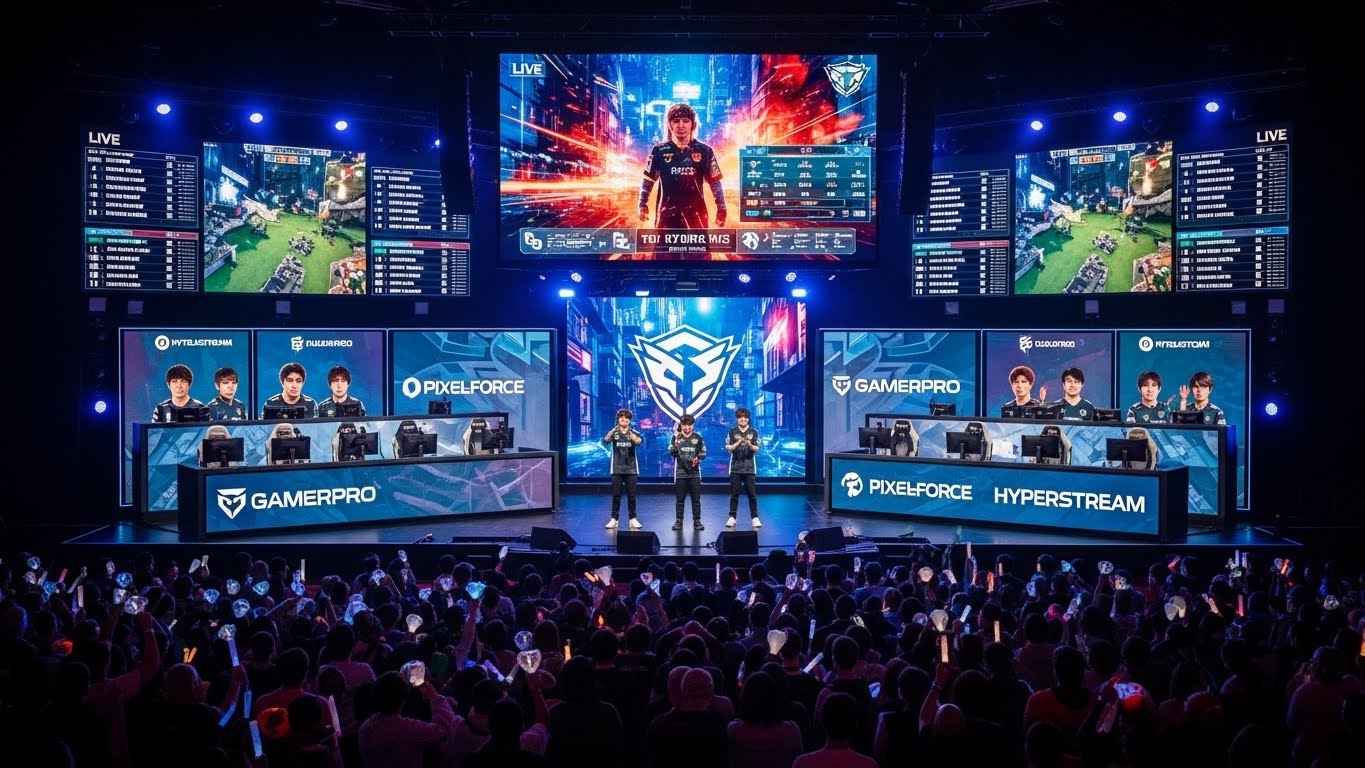
Professional esports teams emerged, complete with coaches, analysts, and structured training regimens. Tournaments became major events, often broadcast live and accompanied by commentary, much like traditional sports. The development of online streaming platforms further accelerated the growth, allowing millions of fans worldwide to follow competitions in real time.
Technology and Infrastructure Behind Esports
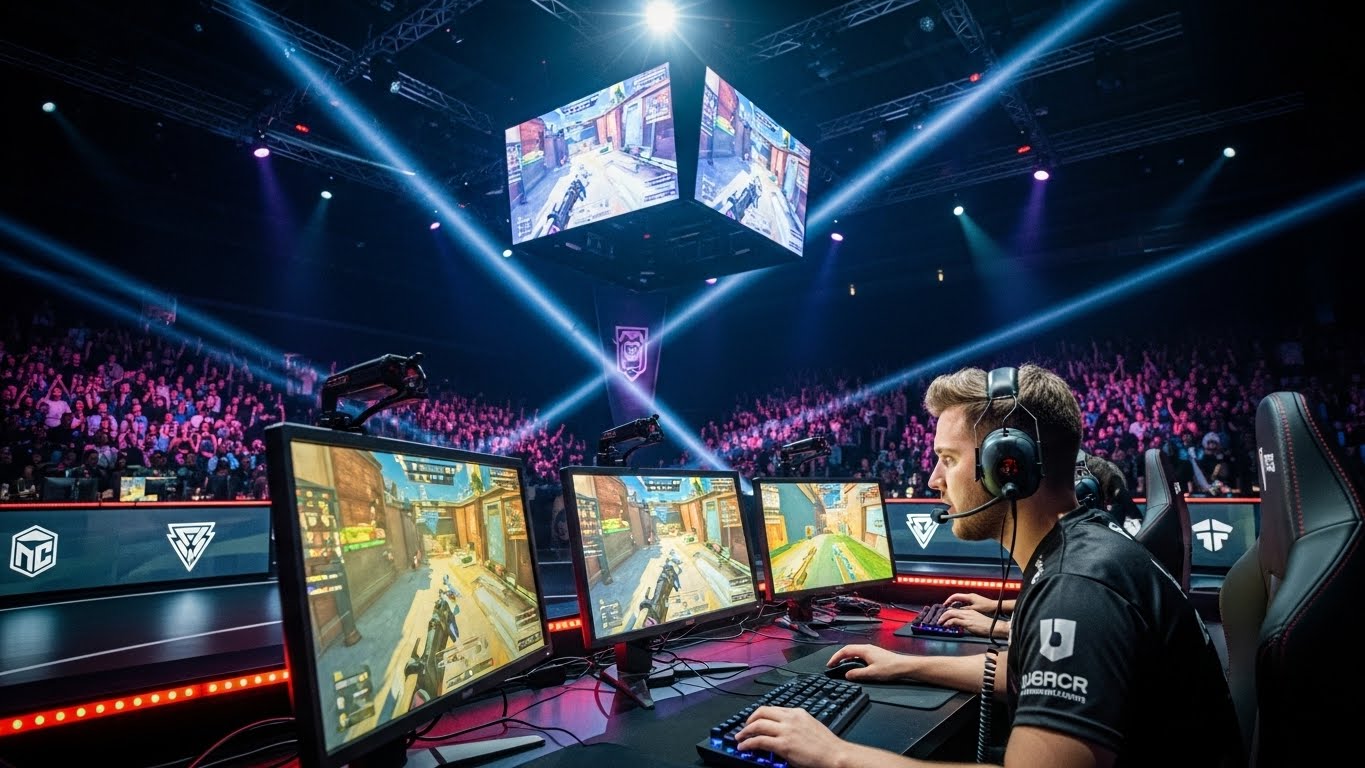
Esports relies heavily on technology. High-performance gaming PCs, consoles, fast internet connections, and specialized peripherals are essential for competitive play. Game developers create complex platforms with precise mechanics, ensuring fair and balanced competition.
Streaming technology is particularly crucial. Platforms allow fans to watch live matches, follow their favorite players, and engage with the community through chats and discussions. Virtual reality and cloud computing are set to expand esports further, offering immersive experiences and accessible competition without the need for high-end hardware.
Popular Esports Genres
Esports encompasses a wide variety of game genres, each attracting different types of players and fans.
First-Person Shooters focus on precision, reflexes, and teamwork. Games like Counter-Strike and Overwatch dominate this genre, with high-stakes tournaments emphasizing speed and accuracy.
Multiplayer Online Battle Arenas (MOBAs) emphasize strategy, coordination, and character selection. League of Legends and Dota 2 are iconic examples, featuring complex maps, character roles, and team-based tactics.
Battle Royale Games challenge players to survive in large-scale maps, often requiring strategy, adaptability, and combat skills. Fortnite and Apex Legends are leading examples.
Fighting Games such as Street Fighter and Tekken emphasize timing, character mastery, and reflexes in one-on-one battles.
Sports Simulations and Racing Games provide virtual alternatives to traditional sports, allowing players to compete digitally in games like FIFA, NBA 2K, and Gran Turismo.
This diversity ensures that esports appeals to a wide audience, from strategy enthusiasts to action-oriented gamers.
The Life of a Professional Esports Player
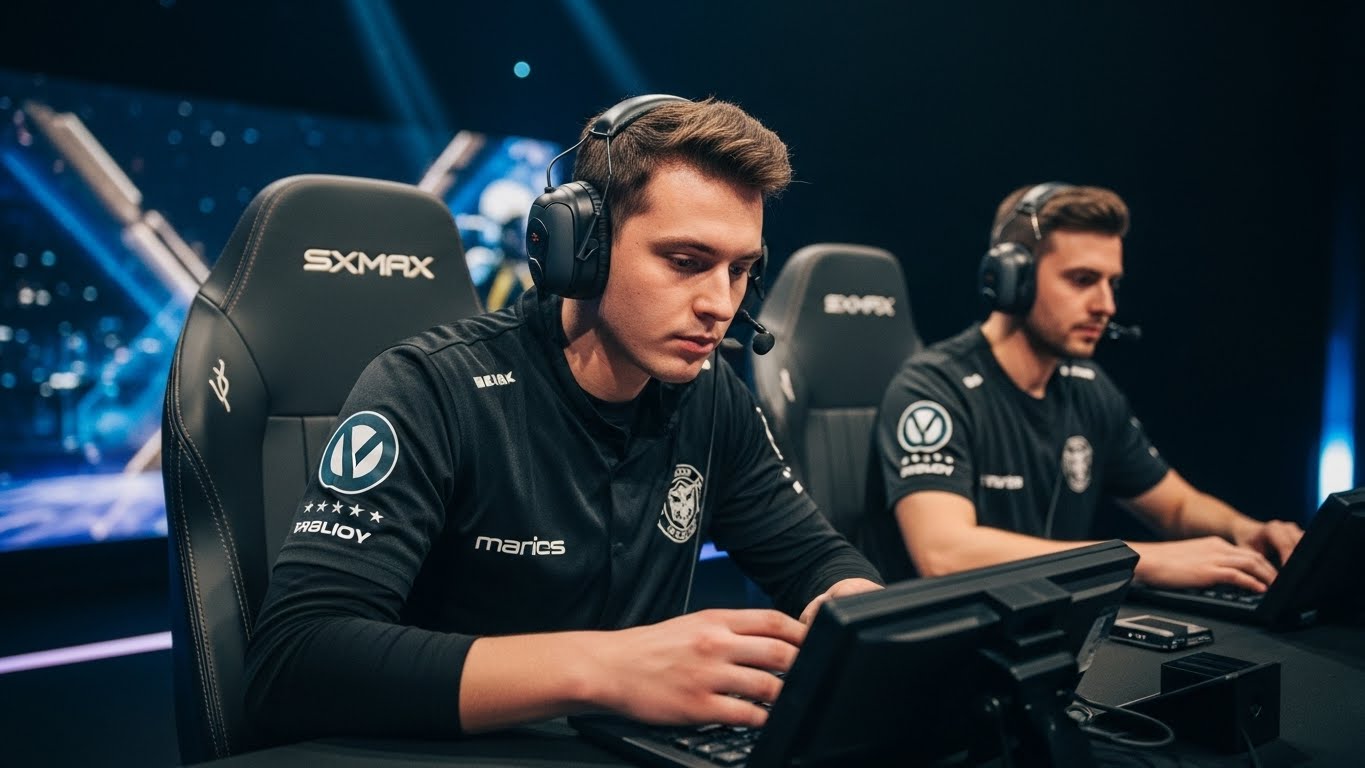
Professional esports players dedicate countless hours to practice, strategy, and teamwork. Training routines often include hours of gameplay, studying opponents, analyzing tactics, and maintaining physical and mental health. Many players belong to professional organizations that provide coaching, support staff, and structured schedules, much like traditional athletes.
Players travel internationally for tournaments, boot camps, and promotional events, building fanbases and representing their teams on a global stage. The rise of social media has also allowed esports athletes to engage directly with fans, further enhancing their popularity and influence.
Esports as a Spectator Sport
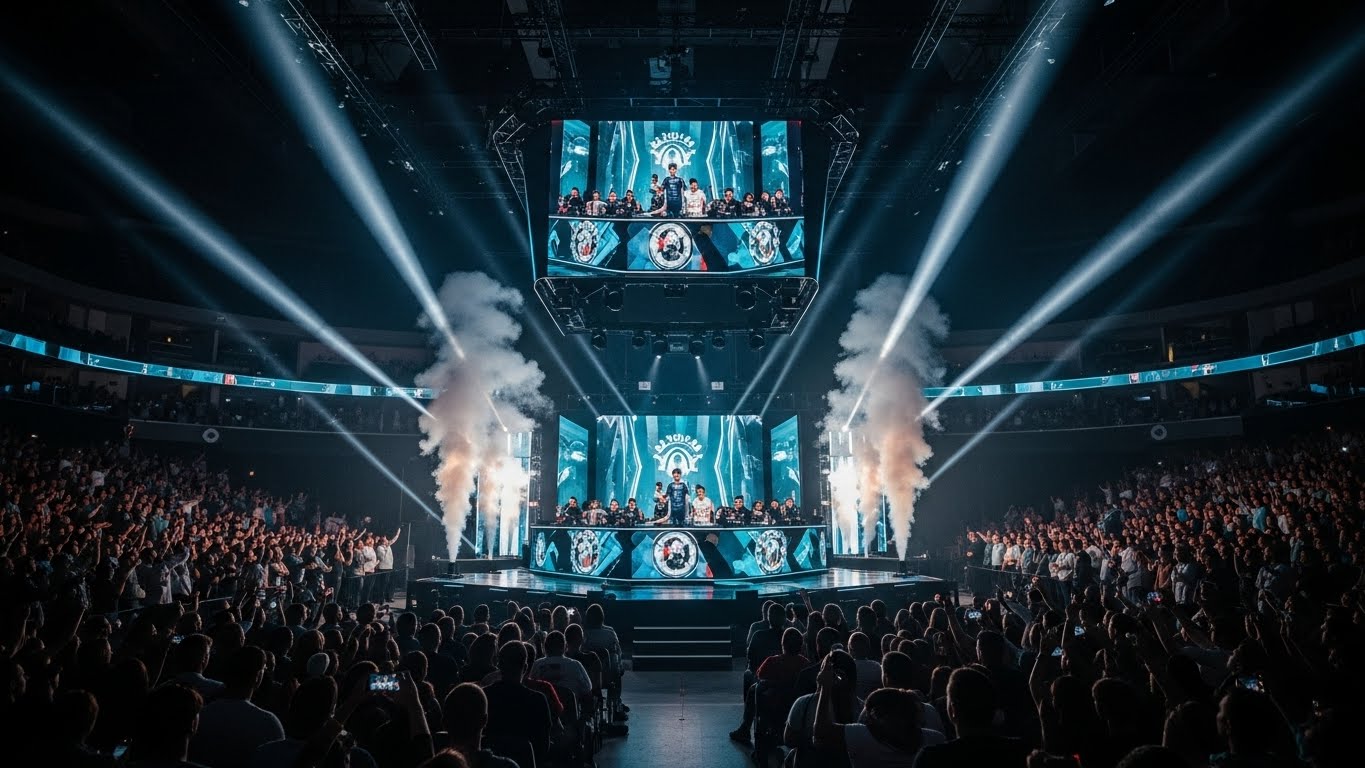
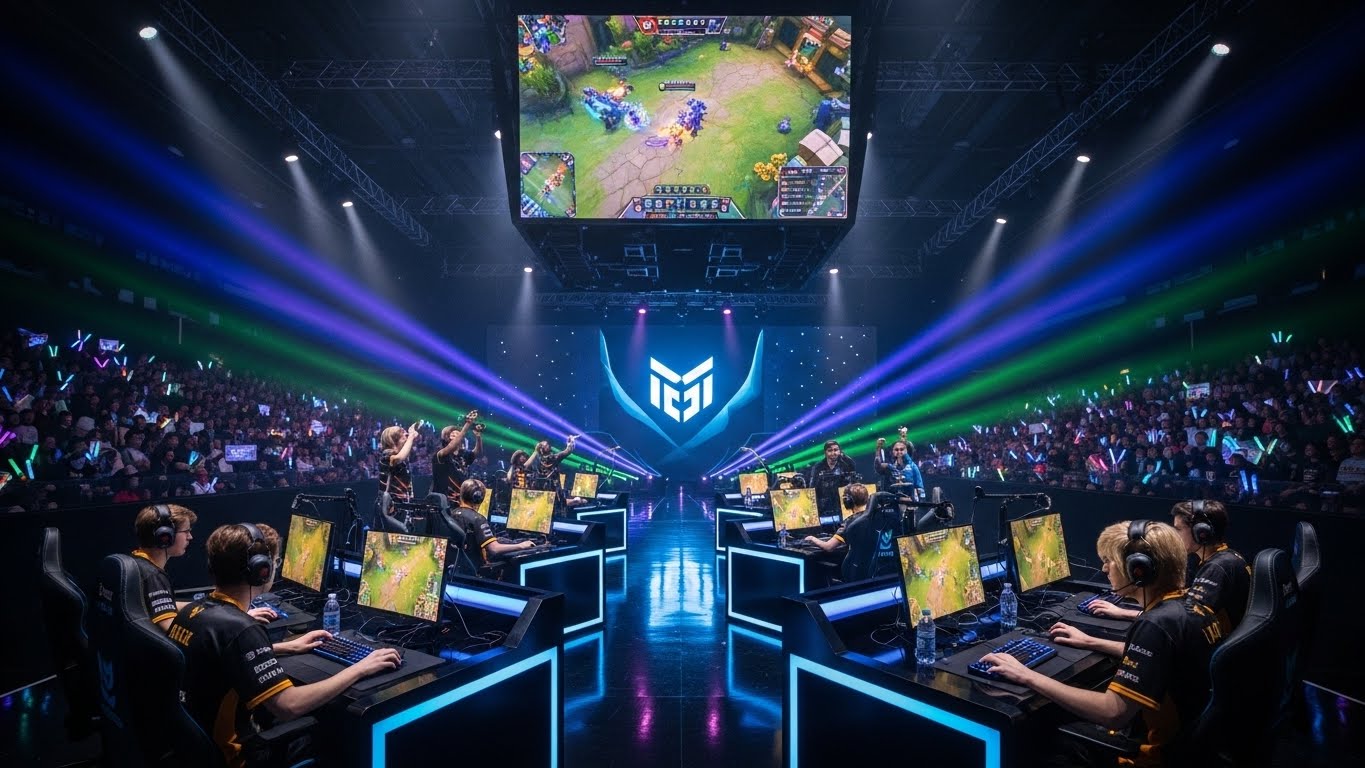
One of the most compelling aspects of esports is its spectator experience. Millions of fans watch live tournaments, either in arenas or through streaming platforms. The excitement of a close match, the strategy displayed by professional players, and the sense of community create an experience comparable to traditional sports.
Commentary, analysis, and live discussions add depth, helping viewers understand the tactics and nuances of the game. Fans celebrate victories, debate strategies, and follow storylines that make esports more than just competition—it becomes a narrative-driven spectacle.
Economic Impact of Esports
Esports is a rapidly growing economic powerhouse. The industry generates revenue from sponsorships, advertising, merchandise, media rights, and ticket sales. Major tournaments offer prize pools worth millions, attracting both investment and talent.
Beyond direct revenue, esports creates jobs in event management, game development, commentary, marketing, and content creation. It also stimulates innovation in technology, streaming, and digital media. The global economic impact of esports continues to grow, making it a key player in the entertainment and sports industries.
Educational and Career Opportunities in Esports
Esports has extended into educational institutions, with schools and universities offering programs, scholarships, and clubs dedicated to competitive gaming. These programs teach teamwork, leadership, communication, and strategic thinking, all transferable skills beyond gaming.
Careers in esports are not limited to professional players. Opportunities exist in broadcasting, coaching, game development, marketing, analytics, and event organization. Esports has become a legitimate career path, providing avenues for personal and professional growth.
Cultural Significance of Esports
Esports reflects modern digital culture, celebrating diversity, creativity, and global connectivity. Players from different countries and backgrounds compete together, demonstrating the unifying power of gaming. The influence of esports extends to music, fashion, and online culture, shaping trends and inspiring communities.
Fans often form communities around their favorite games, teams, or players, creating social bonds and shared experiences. Esports is not only a form of entertainment but also a platform for cultural exchange and community building.
Health and Well-Being in Esports
Maintaining physical and mental health is crucial for esports professionals. The intensity of competition, long hours of gameplay, and travel can lead to burnout if not managed properly. Teams emphasize fitness, ergonomics, hand care, sleep, and mental wellness to ensure longevity in the career.
Health programs and training routines are now standard in professional esports, demonstrating that competitive gaming requires discipline, preparation, and holistic care.
The Future of Esports
The future of esports is bright and full of potential. Emerging technologies such as virtual reality, augmented reality, and artificial intelligence will create more immersive and interactive competitive experiences. Cloud gaming will make esports more accessible, allowing players to participate without expensive hardware.
Esports is also expected to become more inclusive, with efforts to promote diversity, equal opportunities, and accessibility across genders, ages, and backgrounds. International expansion will continue, bringing new markets and audiences into the fold.
The integration of esports with entertainment, education, and professional sports will further solidify its place as a mainstream global phenomenon.
Challenges Facing the Esports Industry
Despite rapid growth, esports faces challenges. Player burnout, fair competition, and regulation are critical concerns. The industry must ensure ethical standards, protect players, and maintain fair gameplay.
Oversaturation of content and rapid technological change can also pose challenges for sustaining audience interest. Collaboration between developers, organizers, and governing bodies is essential to ensure a balanced, fair, and sustainable ecosystem.
Conclusion
Esports has emerged as a defining feature of modern entertainment, combining technology, skill, competition, and community. It has transformed gaming into a global spectacle, creating professional careers, cultural influence, and economic impact on an unprecedented scale.
From humble beginnings in arcades and online forums to international tournaments watched by millions, esports represents the convergence of innovation, passion, and human creativity. It is more than just gaming—it is a movement, a career, and a culture that continues to redefine what it means to compete, connect, and entertain in the digital age.
Esports is here to stay, shaping the future of competition and entertainment for generations to come. It is a world where digital champions rise, communities unite, and the thrill of competition knows no boundaries.