championstream42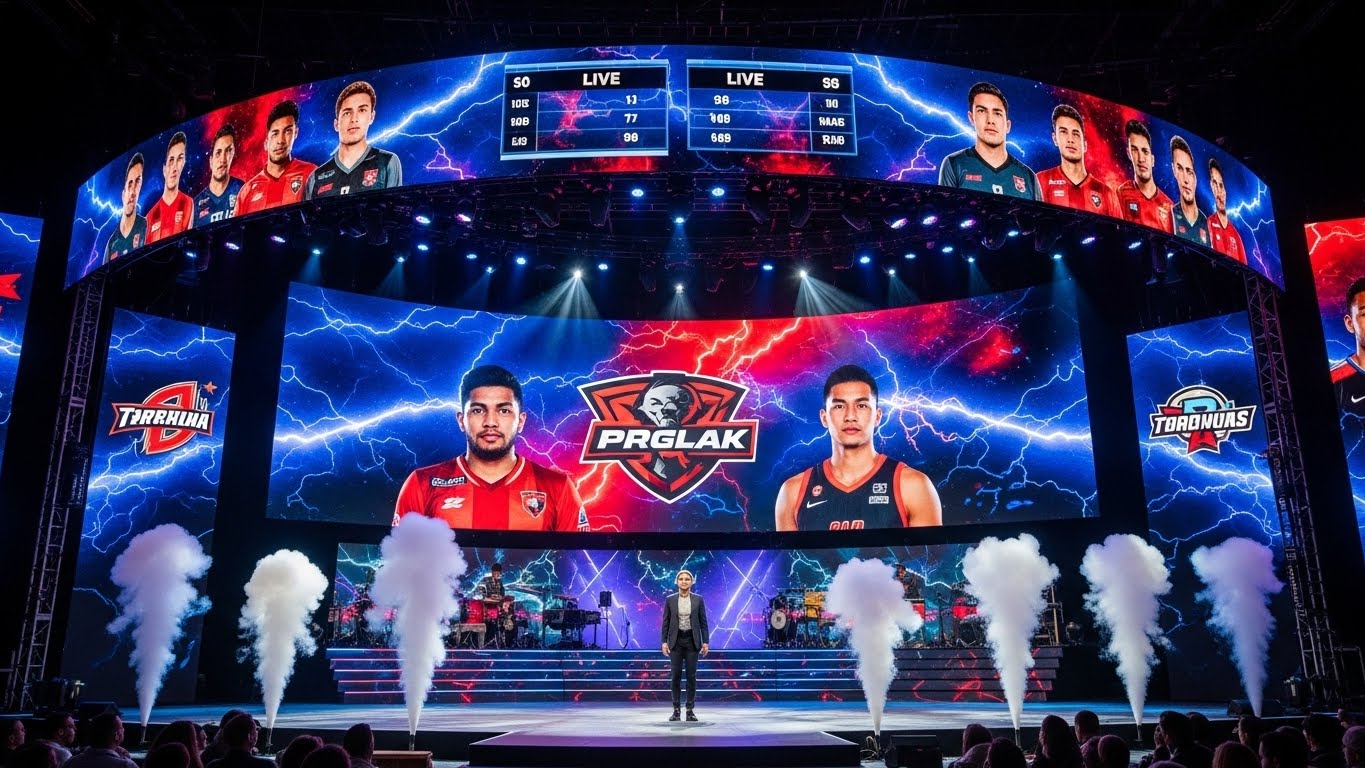
The world of entertainment has experienced a dramatic shift in recent years, and at the forefront of this transformation is esports. Competitive gaming, once considered a niche hobby, has now emerged as a global phenomenon, captivating millions of viewers and participants across the world. Esports, short for electronic sports, combines the thrill of traditional sports with the innovation and interactivity of video games. It is more than just playing games; it is a professional industry, a social movement, and a cultural force that is redefining how people engage with digital entertainment.
The Rise of Esports
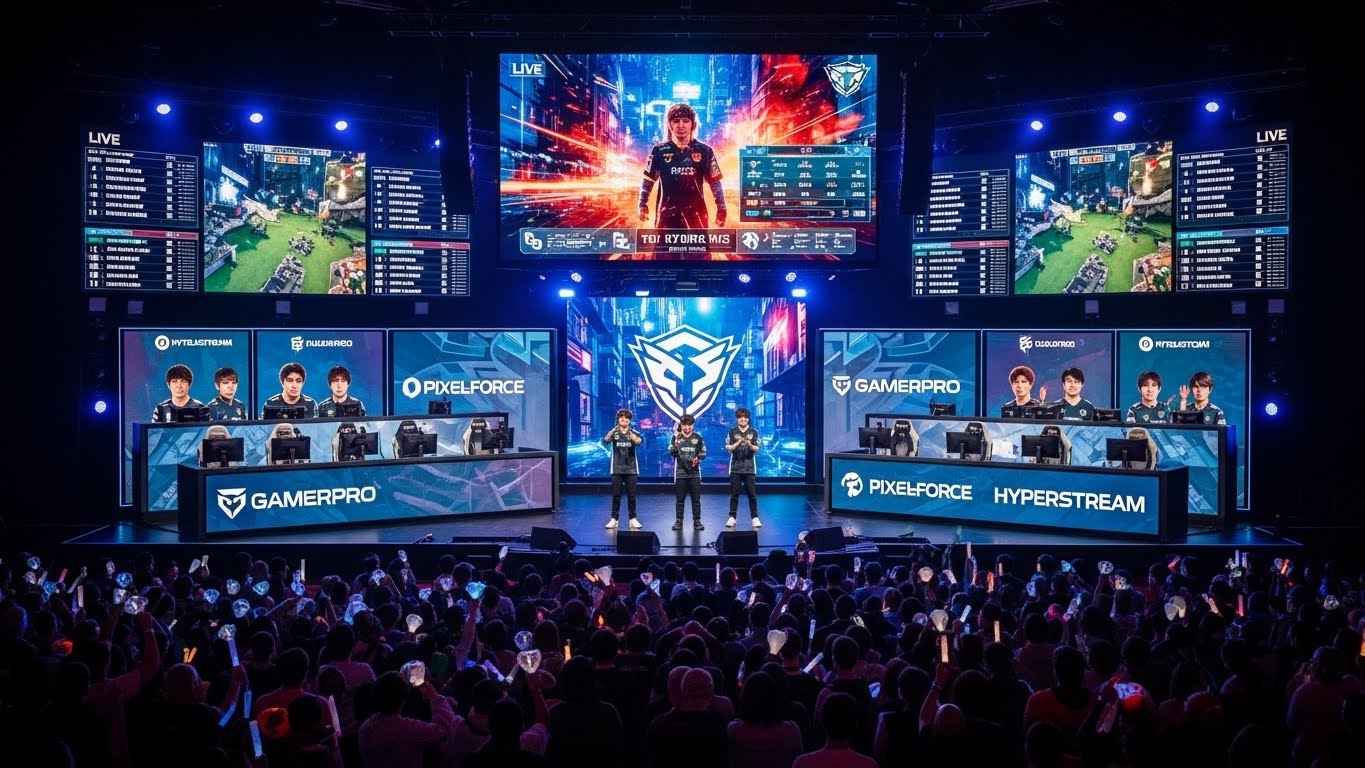
Esports traces its roots back to the early days of video games when competitions were primarily local or regional. Games like Space Invaders and Street Fighter hosted small tournaments that attracted dedicated fans. However, with the advent of high-speed internet, streaming platforms, and advanced gaming technology, esports grew exponentially in the 21st century. Today, esports tournaments rival traditional sporting events in scale, viewership, and prize pools.
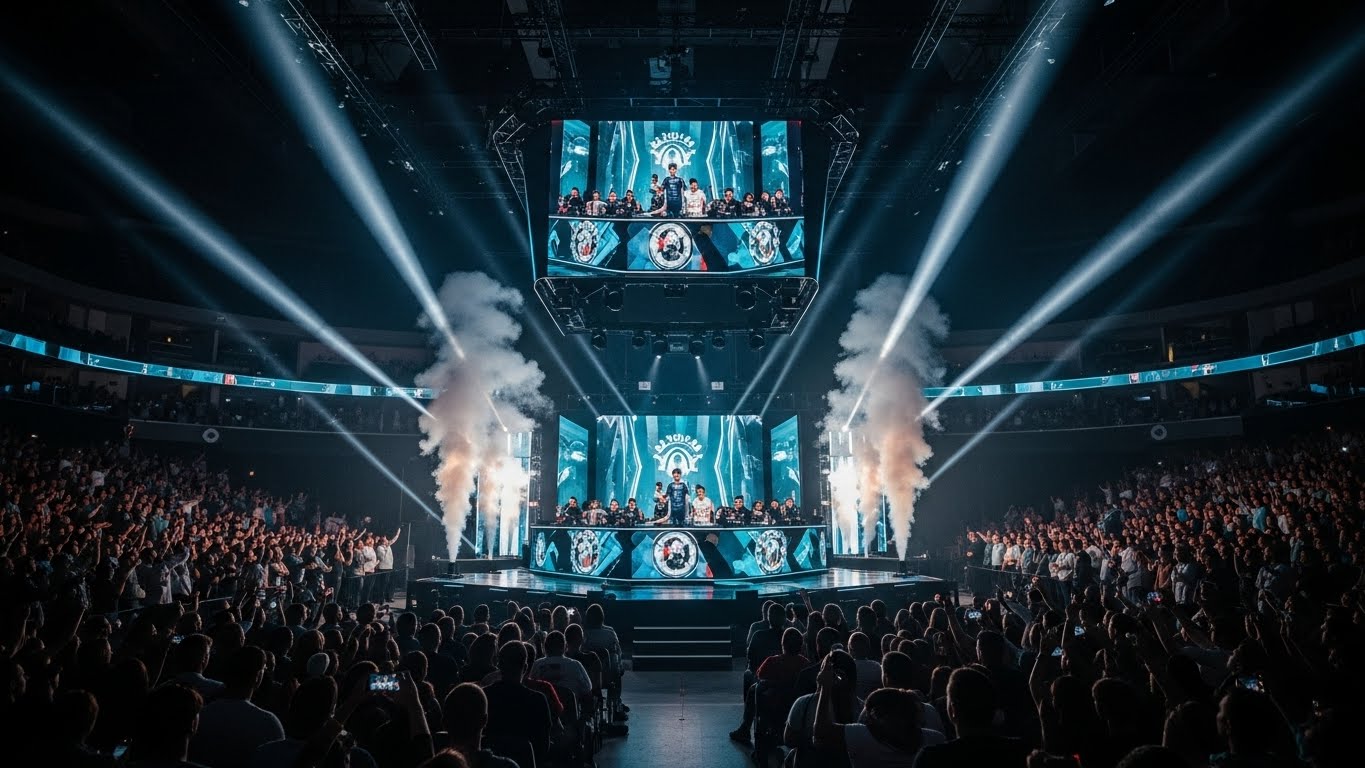
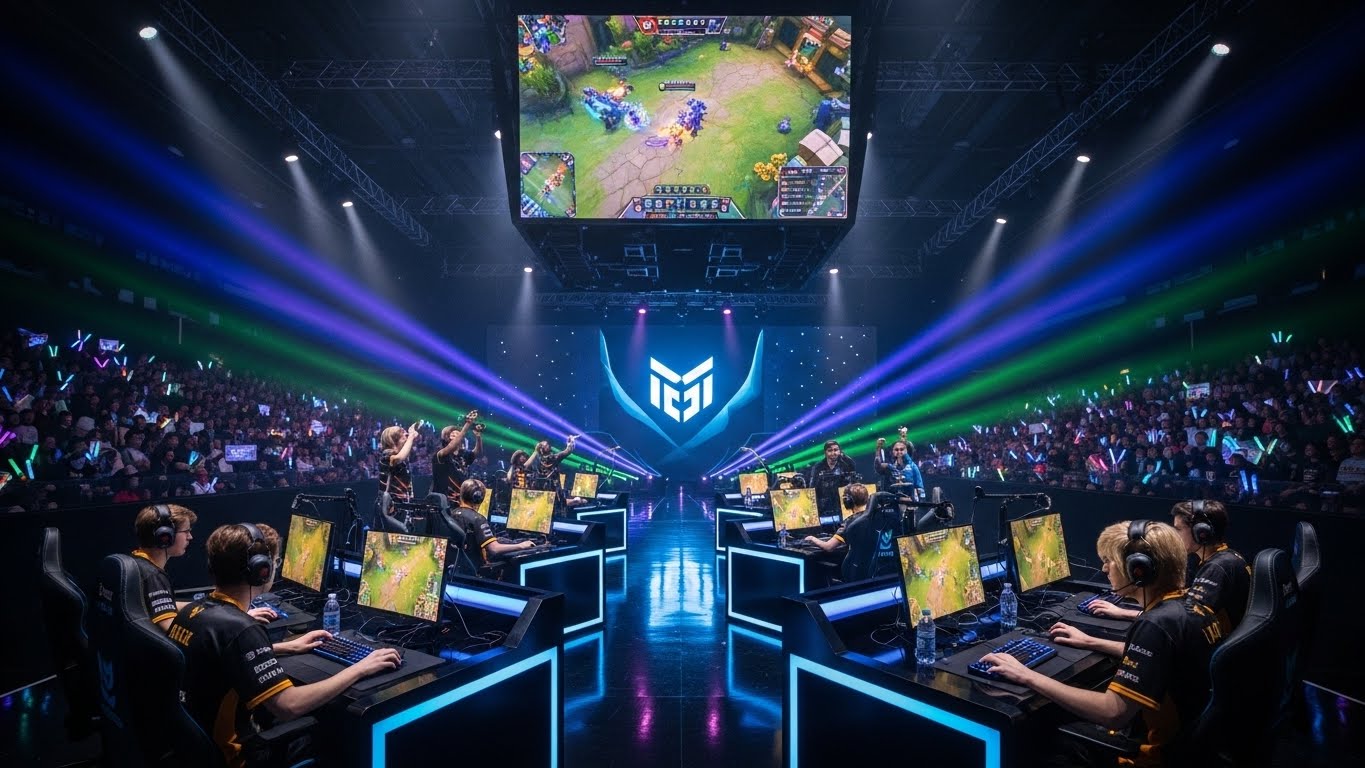
Major titles like League of Legends, Dota 2, Counter-Strike: Global Offensive, and Fortnite have created professional leagues and championships with international audiences. Millions of viewers tune in to watch teams compete, making esports an entertainment spectacle comparable to football, basketball, and tennis. The rise of esports illustrates the increasing convergence of technology, media, and competitive culture in modern entertainment.
Understanding Esports
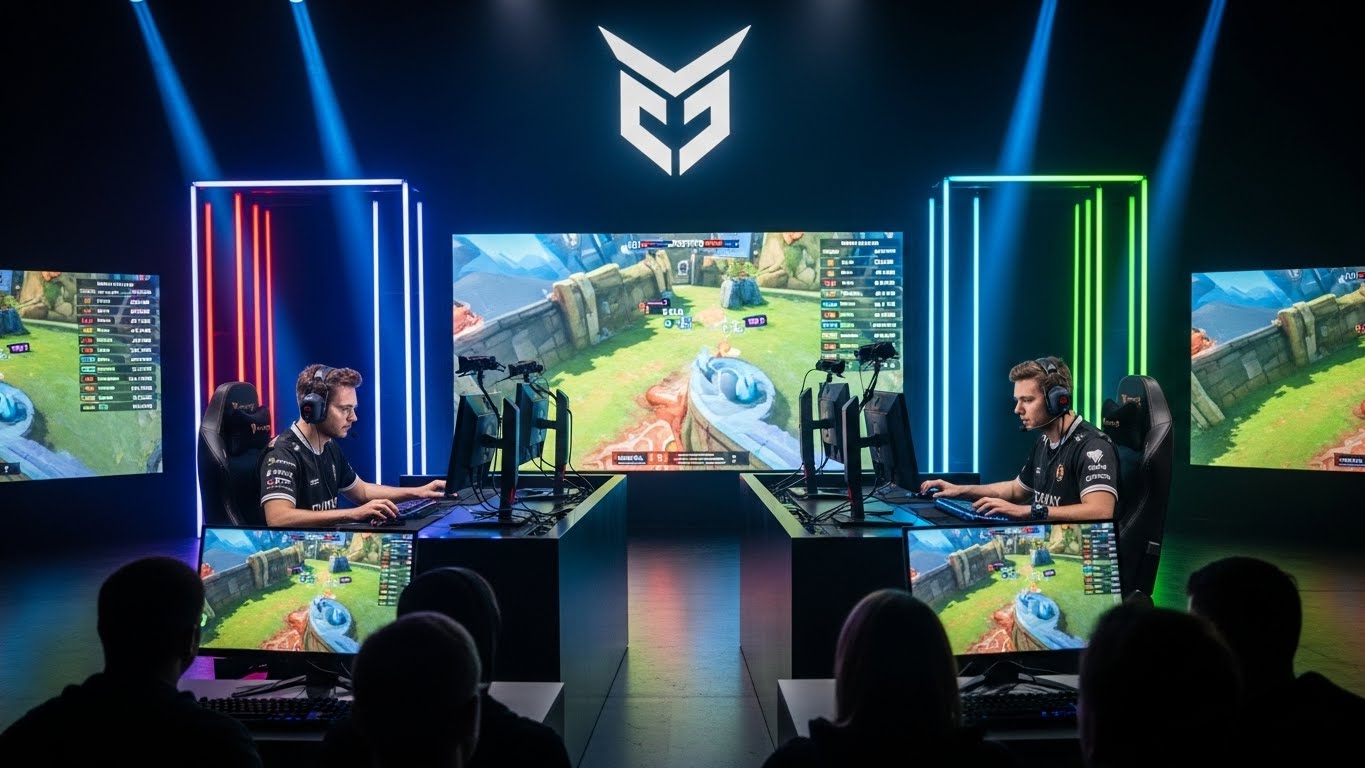
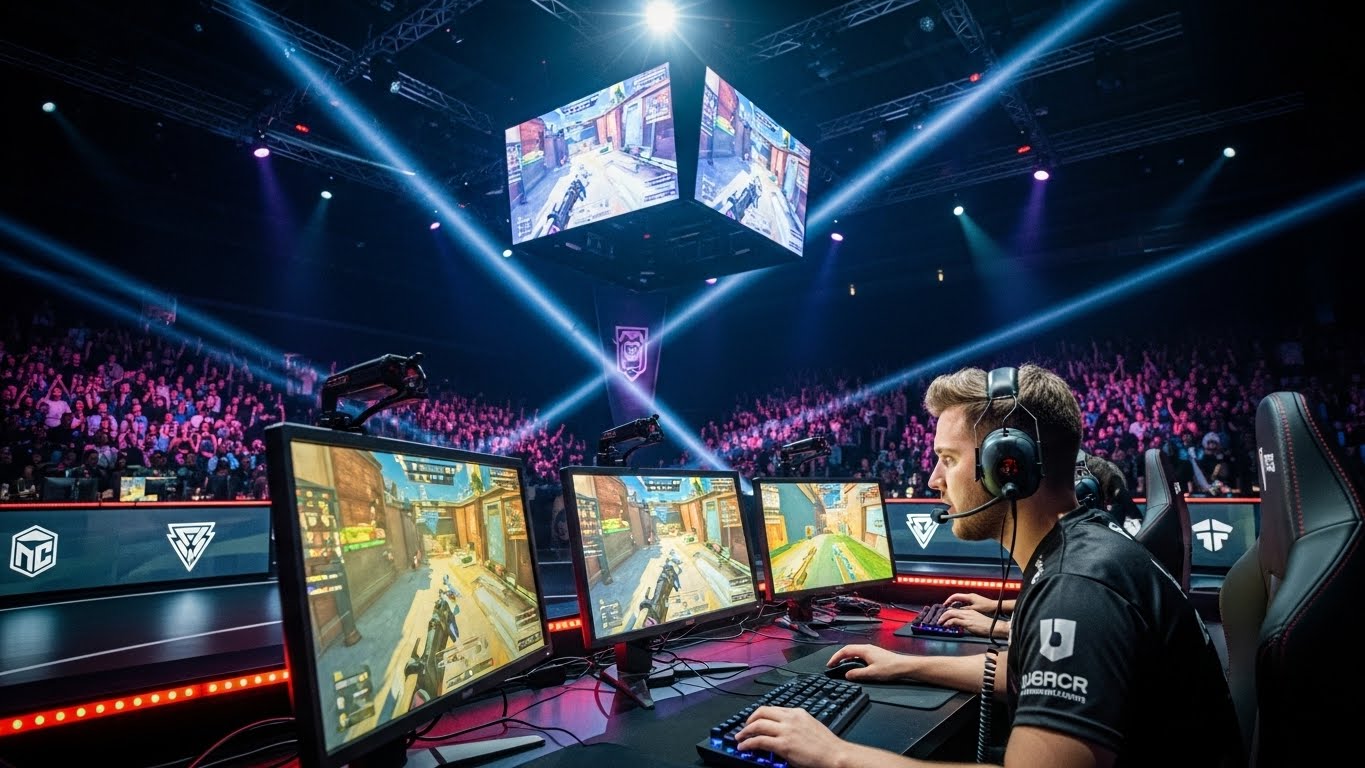
At its core, esports is organized, competitive gaming. Unlike casual gaming, esports involves professional players, teams, coaches, analysts, and sponsors. Players spend countless hours training, strategizing, and refining their skills, much like athletes in traditional sports. The games themselves often require precision, teamwork, and quick decision-making, making competitive gaming both challenging and intellectually demanding.
Esports competitions are structured with leagues, tournaments, and rankings that provide players with clear pathways to professional careers. Many tournaments offer substantial prize money, sponsorship deals, and media coverage, making esports a viable profession for skilled and dedicated players. The ecosystem also includes commentators, streamers, content creators, and analysts who contribute to the industry’s growth and visibility.
The Popularity of Esports
Esports has grown into a mainstream entertainment medium due to several factors. Accessibility is a major driver; unlike traditional sports that require physical infrastructure, esports can be played and watched from virtually anywhere. High-quality streaming platforms allow fans to follow tournaments live, interact with players, and participate in online communities.
The social and competitive aspects of esports also contribute to its popularity. Fans form communities around teams, players, and games, creating a sense of belonging and identity. Multiplayer games enhance this social experience, allowing players to compete, cooperate, and communicate in real-time. Esports has become not just a spectator activity but a participatory culture where players and viewers share experiences, strategies, and insights.
The Economic Impact of Esports
The economic significance of esports cannot be overstated. The industry generates revenue through multiple channels, including tournament prize pools, sponsorships, advertising, merchandise, and media rights. Professional teams and organizations operate like traditional sports franchises, employing coaches, managers, analysts, and content creators to build competitive advantage and brand value.
The growth of esports has also stimulated ancillary industries. Hardware manufacturers, gaming software developers, marketing agencies, streaming platforms, and event organizers all benefit from the expansion of competitive gaming. Emerging markets and increased accessibility have attracted investors and sponsors, making esports one of the fastest-growing sectors in the global entertainment economy.
Esports and Technology
Technology is the backbone of esports. High-speed internet, advanced gaming hardware, and immersive software are essential for both competitive play and spectator engagement. Streaming platforms have revolutionized how fans consume esports, allowing real-time viewing, interactive commentary, and community engagement.
Virtual reality, augmented reality, and AI are beginning to influence esports as well. VR and AR offer new possibilities for immersive training, spectating, and game design, while AI assists in analyzing player performance, strategizing, and creating adaptive challenges. These technological advancements ensure that esports remains dynamic, competitive, and constantly evolving.
The Social and Cultural Influence of Esports
Esports has reshaped how people perceive gaming and digital culture. Once dismissed as a hobby, competitive gaming now enjoys mainstream recognition and legitimacy. Universities and schools offer esports programs, scholarships, and teams, further integrating gaming into educational and social structures.
The cultural impact of esports is significant. It fosters global connectivity, encourages teamwork, and promotes strategic thinking. Esports events are not just competitions; they are social gatherings, cultural festivals, and entertainment experiences. The influence of esports extends to fashion, music, and lifestyle, creating a vibrant cultural ecosystem around competitive gaming.
Challenges Facing the Esports Industry
Despite its growth, esports faces several challenges. One major concern is the physical and mental well-being of players. Competitive gaming demands long hours of practice, high levels of concentration, and exposure to stress, which can lead to burnout, anxiety, and health issues. Organizations are increasingly investing in mental health support, fitness training, and work-life balance programs to protect players.
Another challenge is regulation and standardization. Unlike traditional sports, esports lacks universally recognized governing bodies. This leads to inconsistencies in rules, tournament structures, and player contracts. Intellectual property issues, cheating, and online harassment are also concerns that require careful oversight. Ensuring fair play, safety, and professionalism is critical to sustaining the growth of esports as a legitimate industry.
The Future of Esports
The future of esports is promising, with continued expansion and innovation on the horizon. Mobile esports is growing rapidly, allowing players to compete on smartphones and tablets, which broadens accessibility and audience reach. Cloud gaming and high-speed internet infrastructure will further enable seamless, high-quality gaming experiences for both players and viewers.
Esports will continue to merge with mainstream media, entertainment, and education. Universities and schools will expand programs, creating pathways for professional careers. Sponsorship and advertising will grow as brands recognize the value of esports audiences. Virtual and augmented reality may redefine both gameplay and spectating, creating more immersive and interactive experiences for fans worldwide.
Esports as a Career
Esports offers a variety of career opportunities beyond playing competitively. Professional players, coaches, analysts, and team managers are at the forefront, but other roles include content creators, streamers, commentators, event organizers, and marketing specialists. Skills in communication, strategy, analytics, and technology are highly valued in the esports ecosystem.
Many players transition to roles such as coaching, broadcasting, or brand representation after their competitive careers. Organizations and leagues offer long-term career prospects, making esports a sustainable profession for those with dedication, skill, and creativity.
Conclusion: The Transformative Power of Esports
Esports is no longer just a hobby or a niche activity. It is a professional industry, a cultural movement, and a global form of entertainment that is reshaping the way people play, watch, and interact with games. The combination of technology, strategy, and community has created an ecosystem that rivals traditional sports in popularity, influence, and economic impact.