championstream42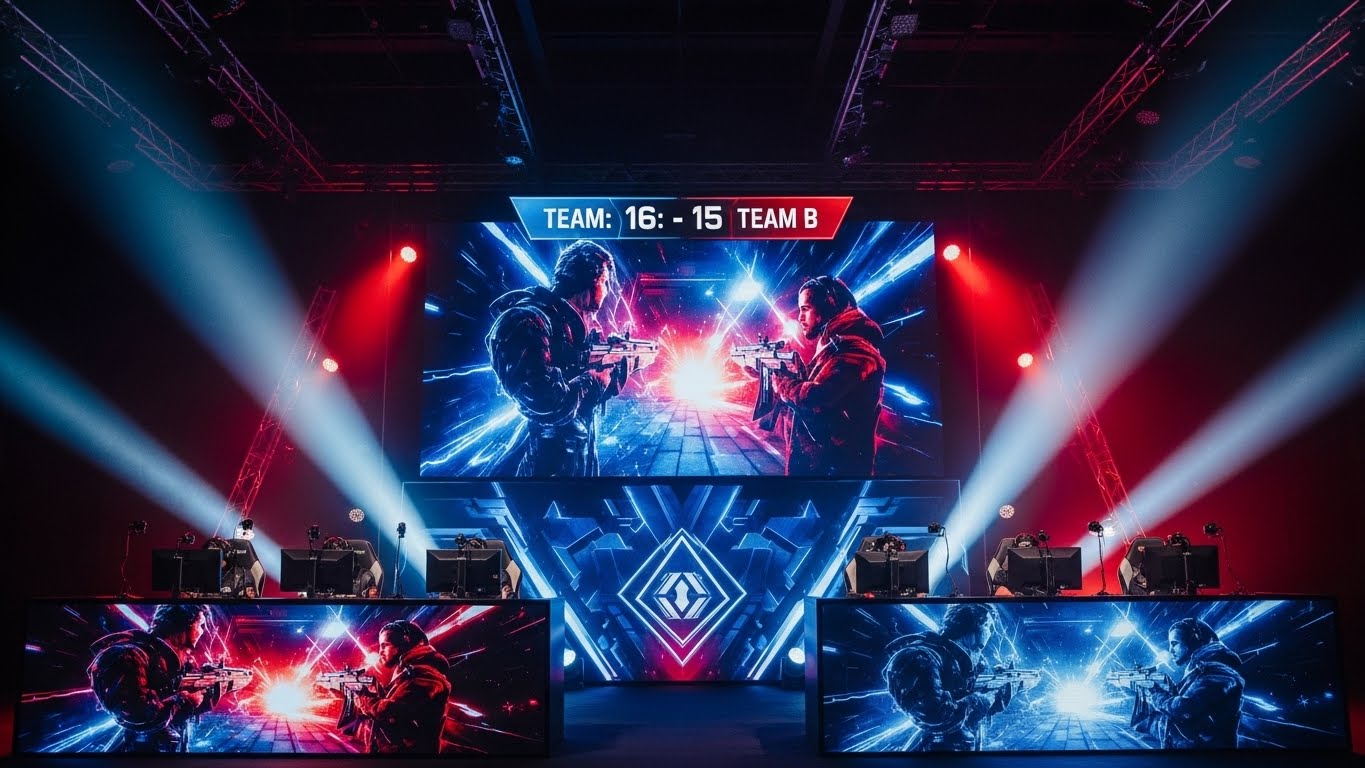
Introduction: The Digital Sporting Phenomenon
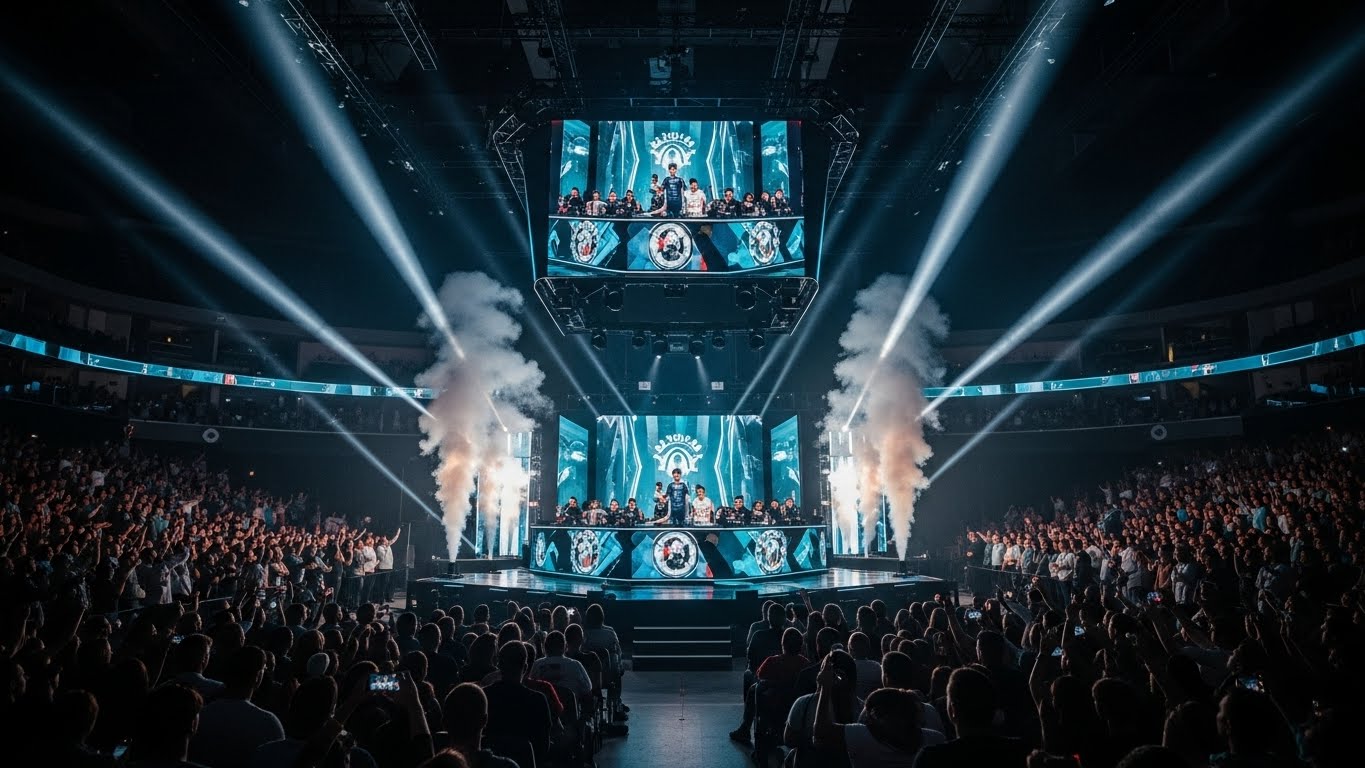
Esports, once considered a niche hobby for gaming enthusiasts, has emerged as a global phenomenon that rivals traditional sports in popularity, viewership, and influence. This new form of competition has transformed the way people perceive gaming, blending entertainment, strategy, skill, and technology into a dynamic industry. Esports is not just about playing video games; it is an ecosystem that encompasses professional players, tournaments, sponsorships, content creation, and a passionate global audience. Its meteoric rise reflects the digital evolution of society, where virtual arenas now host competitions with millions of viewers worldwide, and professional gamers command fame and respect comparable to traditional athletes.
The Growth and Popularity of Esports
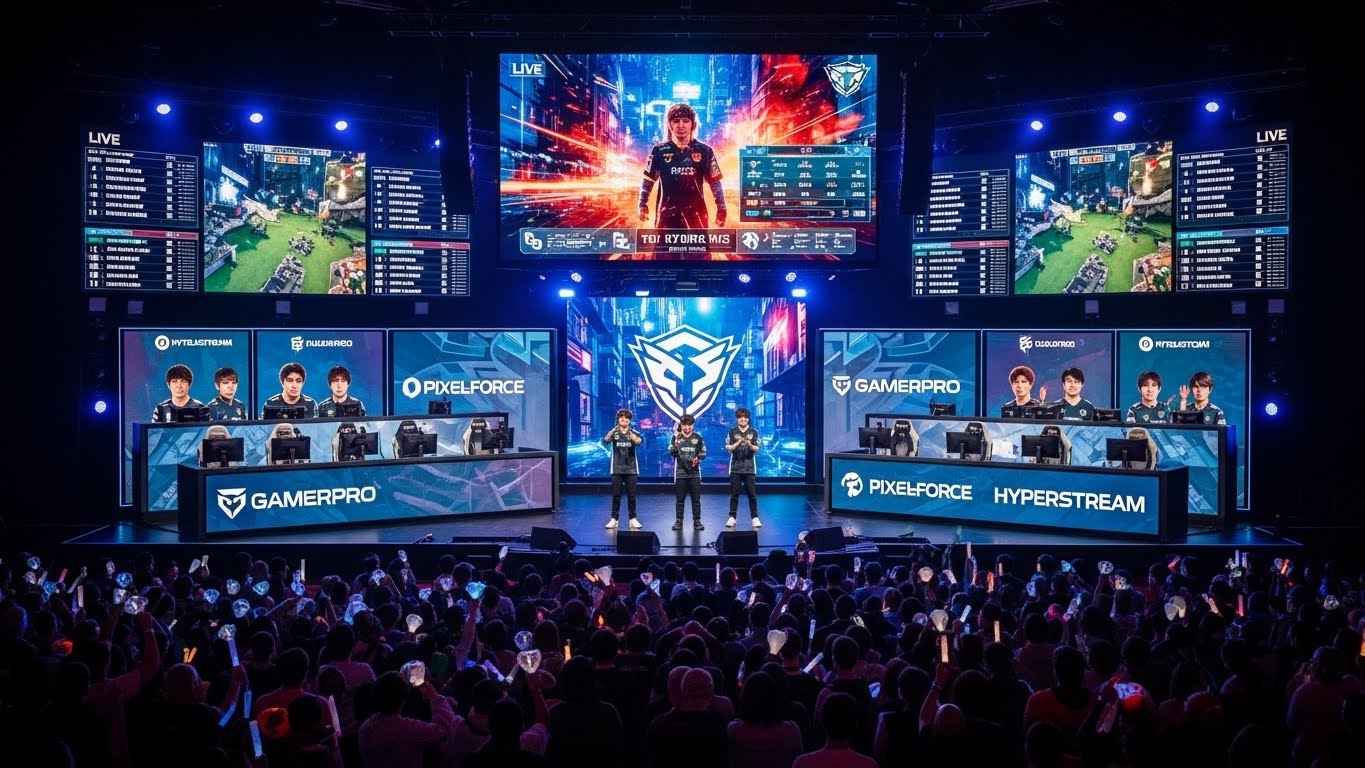
The expansion of esports over the last decade has been extraordinary. Tournaments now attract millions of viewers, and prize pools reach into the millions of dollars, rivaling established sports leagues. Games like League of Legends, Dota 2, Counter-Strike, Fortnite, and Call of Duty have become household names among both players and fans. The proliferation of streaming platforms has further accelerated the growth of esports, allowing audiences to watch live events, follow their favorite players, and engage with communities in real-time. This global reach has also created opportunities for international collaboration and competition, transforming esports into a truly worldwide spectacle that transcends borders and cultures.
Understanding the Different Genres of Esports
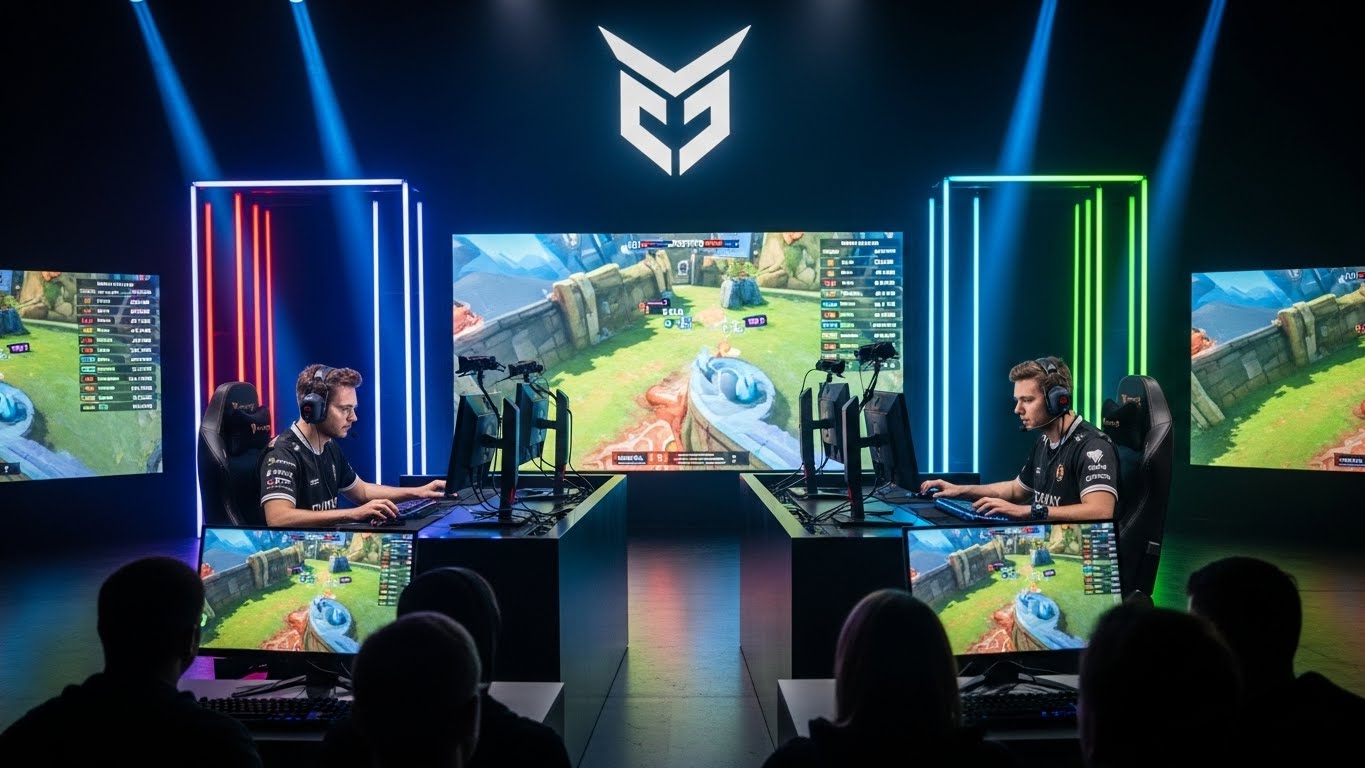
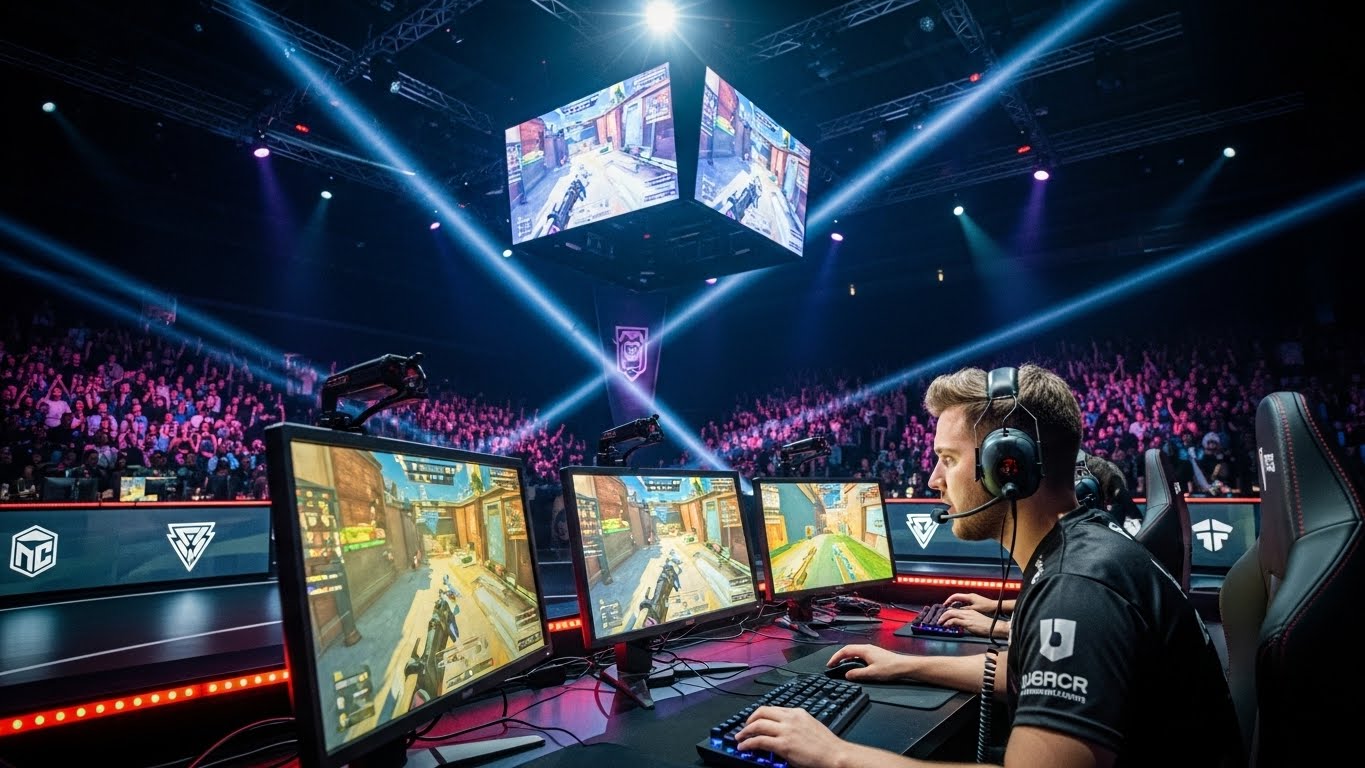
Esports is not a singular activity but a collection of competitive gaming genres, each with unique demands and audiences. Multiplayer online battle arena games, or MOBAs, such as League of Legends and Dota 2, require strategic thinking, teamwork, and rapid decision-making. First-person shooters like Counter-Strike and Valorant emphasize reflexes, precision, and coordination. Fighting games such as Street Fighter and Tekken focus on skill, timing, and adaptability. Additionally, sports simulations like FIFA or NBA 2K bridge the gap between virtual and real-world sports, attracting both gaming enthusiasts and traditional sports fans. The diversity of esports genres ensures that there is a competitive platform for every type of player and audience, making it an inclusive and expansive industry.
The Physical and Mental Demands of Esports
Contrary to the stereotype of gaming as a sedentary activity, professional esports demands rigorous physical and mental preparation. Players spend hours practicing mechanics, strategies, and teamwork, which requires intense concentration and mental stamina. Physical fitness also plays a critical role, as hand-eye coordination, reflexes, and endurance are enhanced through exercise and proper nutrition. Mental health is equally important, as high-pressure competitions can lead to stress, burnout, and anxiety. Many professional players engage in mindfulness practices, psychological coaching, and balanced routines to maintain performance levels. These physical and mental demands illustrate that esports is a highly disciplined field, requiring dedication and resilience comparable to traditional sports.
Team Dynamics and Communication in Esports
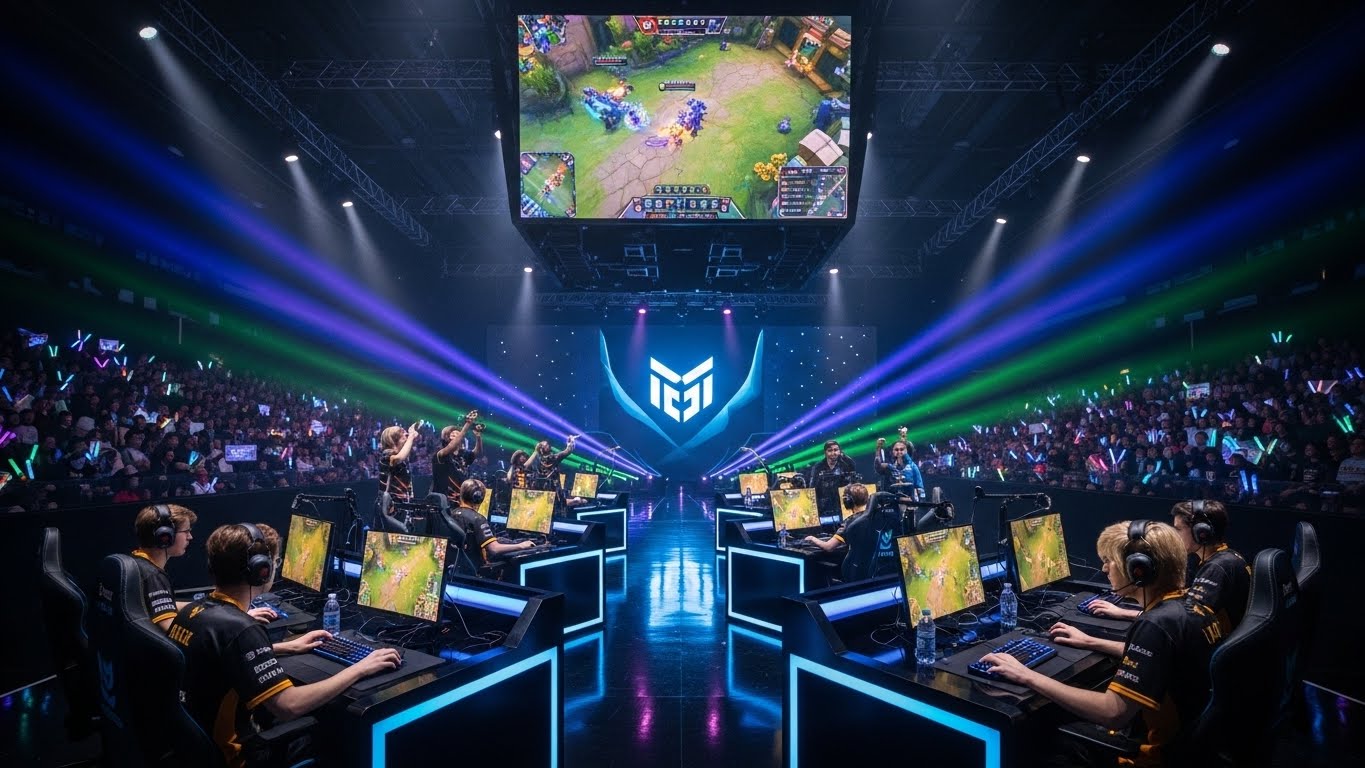
Team-based esports games highlight the importance of collaboration, strategy, and communication. Games such as Overwatch, Valorant, and Dota 2 require players to coordinate movements, share information in real-time, and execute complex strategies. Successful teams cultivate trust, mutual understanding, and adaptability, often practicing together for hours daily to refine strategies and improve synergy. Even in individual-based esports like StarCraft or fighting games, players work closely with coaches and analysts to optimize performance and develop game plans. This emphasis on teamwork and communication mirrors traditional sports, demonstrating that esports not only challenges individual skill but also fosters essential social and leadership abilities.
Esports as a Professional Career
The emergence of esports as a professional career has redefined the concept of digital labor and talent. Top-tier players earn significant incomes through tournament winnings, sponsorships, endorsements, and streaming revenue. Professional organizations provide structured support systems, including coaches, analysts, physical trainers, and mental health specialists. Beyond players, the esports ecosystem offers career opportunities for content creators, event managers, commentators, and technical staff. Unlike traditional sports, esports allows individuals to enter the professional realm at a younger age, with global exposure and potential for financial stability. The professionalization of esports has also contributed to its credibility, turning gaming into a respected and viable career path.
Cultural Impact of Esports
Esports has transcended gaming to become a major cultural force. It has created a global community united by shared passion, where fans engage through live streams, forums, social media, and local events. Esports celebrities and content creators influence fashion, technology, and entertainment trends, while tournaments provide a shared cultural experience comparable to the World Cup or Olympics. Additionally, esports has helped challenge stereotypes about gamers, highlighting their skill, discipline, and creativity. Its cultural impact demonstrates that esports is more than a hobby—it is a reflection of modern digital lifestyles, shaping the way people connect, communicate, and consume entertainment.
Technological Advancements Driving Esports
Technology is at the core of esports growth. High-speed internet, advanced gaming hardware, and cloud-based platforms allow seamless competitive experiences for both players and audiences. Analytical tools and performance tracking systems enable players to refine strategies, monitor metrics, and gain competitive advantages. Streaming technology and interactive platforms allow fans to watch live tournaments, engage in real-time discussions, and even influence game experiences. Emerging technologies such as virtual reality and augmented reality are expanding the possibilities for immersive gameplay and spectator experiences. Technology continues to redefine what esports can offer, merging the boundaries between gaming, entertainment, and interactive media.
Economic Significance of Esports
Esports has become a significant contributor to the global economy. Professional tournaments generate revenue through sponsorships, ticket sales, merchandise, and media rights. Corporations invest heavily in esports as a marketing strategy to reach younger, digitally native audiences. Additionally, esports stimulates local economies, creates employment opportunities, and promotes entrepreneurship in gaming-related sectors. The financial ecosystem also extends to online content creators, streaming platforms, and training academies. The economic impact of esports demonstrates that it is not merely entertainment; it is a growing industry with substantial influence on global markets and business practices.
Integration of Esports in Education
Educational institutions are increasingly recognizing the value of esports programs. Schools and universities offer scholarships, organized competitions, and structured training to support student participation. Esports fosters cognitive skills such as strategic thinking, problem-solving, leadership, and collaboration. It also encourages inclusivity, providing opportunities for students who may not excel in traditional sports to shine in a competitive environment. The integration of esports in education highlights its potential to develop well-rounded individuals, combining digital skills with teamwork, discipline, and personal growth.
Global Appeal and Audience Engagement
Esports has captured the attention of a diverse global audience. Major tournaments attract millions of viewers across continents, creating shared experiences that transcend language and cultural barriers. Fans engage actively with the esports ecosystem through online platforms, interactive events, and community discussions. Unlike traditional sports, esports allows for real-time interaction between players and audiences, creating a participatory and immersive entertainment model. This global engagement has transformed esports into a social and cultural phenomenon, demonstrating its unique power to unite communities through digital competition.
Challenges Facing the Esports Industry
Despite its rapid growth, esports faces challenges that require careful attention. Player burnout and mental health concerns are significant issues due to the intensity of professional competition. The lack of standardized regulations and governance structures can lead to inconsistencies and disputes across tournaments. Ethical concerns, including cheating, harassment, and match-fixing, can threaten the credibility of esports. Additionally, inclusivity remains a challenge, as efforts are needed to create equal opportunities for women and underrepresented groups. Addressing these challenges is essential for sustaining esports as a professional, ethical, and respected industry.
The Future of Esports
The future of esports promises innovation, expansion, and deeper integration into mainstream entertainment. Advancements in virtual reality, artificial intelligence, and cloud gaming are set to revolutionize gameplay, training, and audience engagement. Esports is likely to continue intersecting with traditional sports, media, and cultural industries, creating hybrid forms of entertainment. Growing recognition from governments, educational institutions, and global organizations will further legitimize esports as a professional and socially impactful field. As the industry evolves, esports will continue to shape how people compete, connect, and experience entertainment in the digital era.
Conclusion: Esports as a Transformative Force
Esports represents a transformative shift in the world of competition and entertainment. It combines skill, strategy, teamwork, and technology, offering physical, mental, social, and economic benefits. From professional players to global audiences, esports has created a digital arena where talent, dedication, and innovation converge. Its growth reflects broader trends in technology, culture, and communication, positioning esports as a defining aspect of contemporary life. More than a game, esports is a dynamic platform that empowers individuals, fosters global communities, and reshapes the future of competitive entertainment. It is a digital revolution that continues to challenge traditional notions of sports, proving that the virtual arena is as thrilling, demanding, and influential as any physical stadium.