championstream42
In just a few decades, esports has transformed from a niche activity enjoyed by a small group of enthusiasts to a billion-dollar industry with millions of fans around the world. What began as a collection of competitive video games played at local arcades has now evolved into a global phenomenon with professional leagues, massive sponsorships, and even college scholarships. But how did esports rise to its current prominence? And what is its future? In this blog post, we will explore the history, growth, and future of esports, diving into its cultural impact and how it continues to redefine entertainment in the 21st century.
The Humble Beginnings of Esports
The roots of competitive gaming can be traced back to the early days of video games in the 1970s and 1980s. While arcade games like Pong and Space Invaders were mostly for casual play, there were some early competitions that set the stage for what would eventually become esports. The first documented video game tournament took place in 1972 at Stanford University, where players competed in a Spacewar competition. Though small in scale, it demonstrated the potential for competition in the gaming world.
However, it wasn’t until the 1990s that esports began to take a more recognizable form. Games like Street Fighter II and Doom were among the first to inspire competitive play on a larger scale. In 1997, the Red Annihilation tournament for Quake became a turning point in the development of esports, offering a significant prize and gaining media attention. Esports was still largely underground during this period, with competitions being held at LAN (Local Area Network) parties or small gatherings of friends and enthusiasts. But it laid the foundation for what would become a global movement.
The Rise of Online Gaming and the Birth of Major Leagues
As the internet became more widespread in the late 1990s and early 2000s, online gaming exploded. This provided a crucial turning point for esports, as players could now compete against one another from the comfort of their own homes. Titles like StarCraft, Warcraft III, Counter-Strike, and Quake III Arena helped foster the growth of esports communities, many of which were based on dedicated forums and websites where players could find information about tournaments and teams.
The first professional esports leagues began to take shape around this time. The Cyberathlete Professional League (CPL) was founded in 1997 and quickly became one of the first major esports organizations to host global tournaments. The CPL helped bring attention to the growing esports scene, and its tournaments often featured prize pools of several thousand dollars—something previously unheard of in competitive gaming.
Around the same time, the Korean gaming scene began to flourish. South Korea, with its tech-savvy population and widespread internet access, quickly became the epicenter of competitive gaming. The launch of StarCraft in 1998 was a key event that drove the growth of esports in the country. The game became a national phenomenon, and in 2000, the Korean esports organization KeSPA (Korean e-Sports Association) was founded to oversee and regulate professional competitions. This period also saw the creation of dedicated esports broadcasting channels, such as Ongamenet (OGN) and MBCGame, which helped raise the profile of esports on a national level.
By the mid-2000s, esports was no longer just a hobby for passionate gamers; it had become a legitimate career for many players. Sponsorships from major brands, television broadcasts, and online streaming platforms like Twitch began to fuel the growth of the industry, setting the stage for a new era of professional gaming.
Esports Goes Global: A Multi-Billion-Dollar Industry
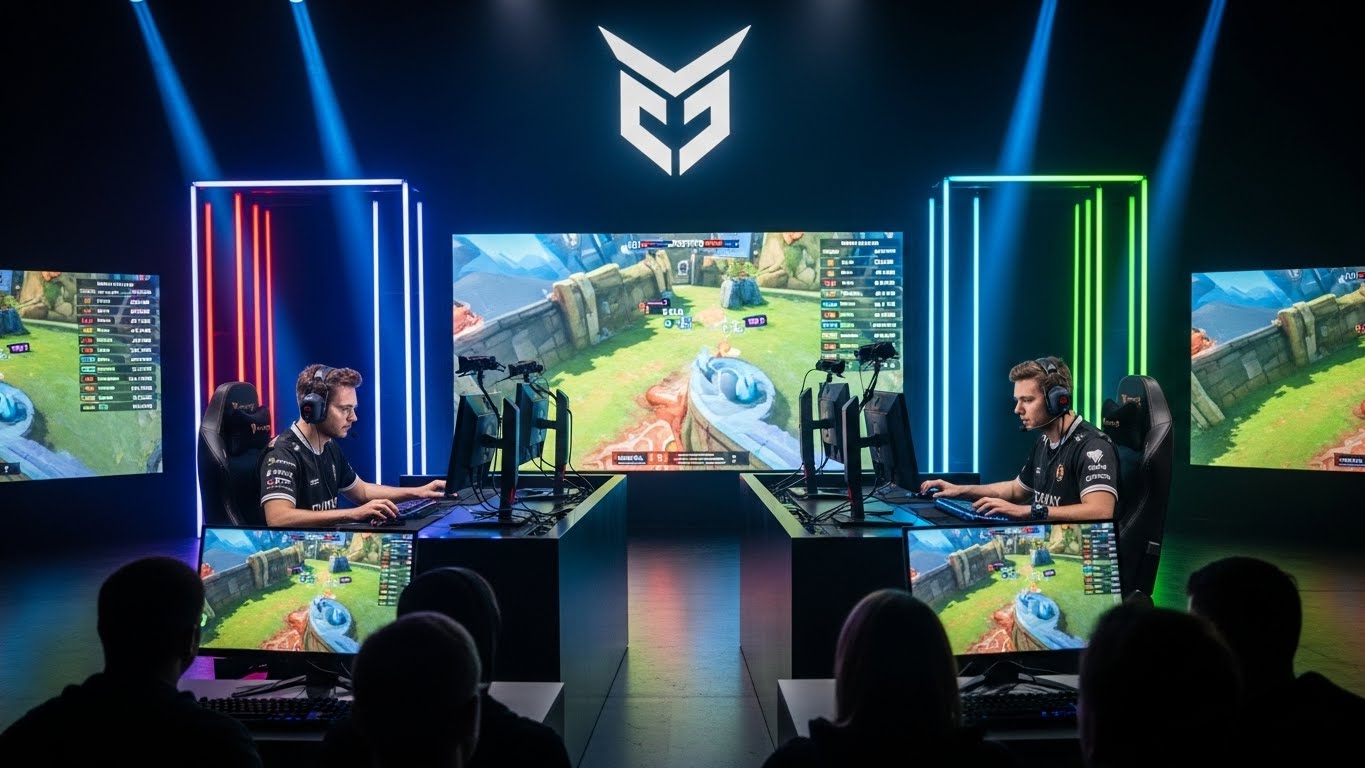
The 2010s marked the true global expansion of esports. Thanks to advancements in streaming technology, games like League of Legends, Dota 2, and Counter-Strike: Global Offensive found massive audiences across the world. Platforms like Twitch and YouTube Gaming became the go-to destinations for live streams of esports tournaments, allowing fans to watch matches from the comfort of their own homes.
Esports organizations, such as Cloud9, Team Liquid, Fnatic, and SK Telecom T1, began to attract top-tier players from around the world, with teams competing for lucrative sponsorship deals and championship titles. The rise of global platforms like Twitch also made it easier for fans to interact with players and other fans, further fueling the growth of the esports ecosystem. In fact, Twitch’s success has played a pivotal role in bringing esports into the mainstream, offering a 24/7 stream of esports events, talk shows, and casual gameplay.
Major tournament organizers like Riot Games (creator of League of Legends), Valve (creator of Dota 2), and Blizzard (creator of Overwatch) began to host events with multi-million-dollar prize pools, solidifying the esports industry’s legitimacy and financial viability. For example, The International—the annual Dota 2 tournament—has become one of the most prestigious esports events, with prize pools regularly exceeding $30 million. Similarly, the League of Legends World Championship regularly attracts millions of viewers and boasts a multi-million-dollar prize pool.
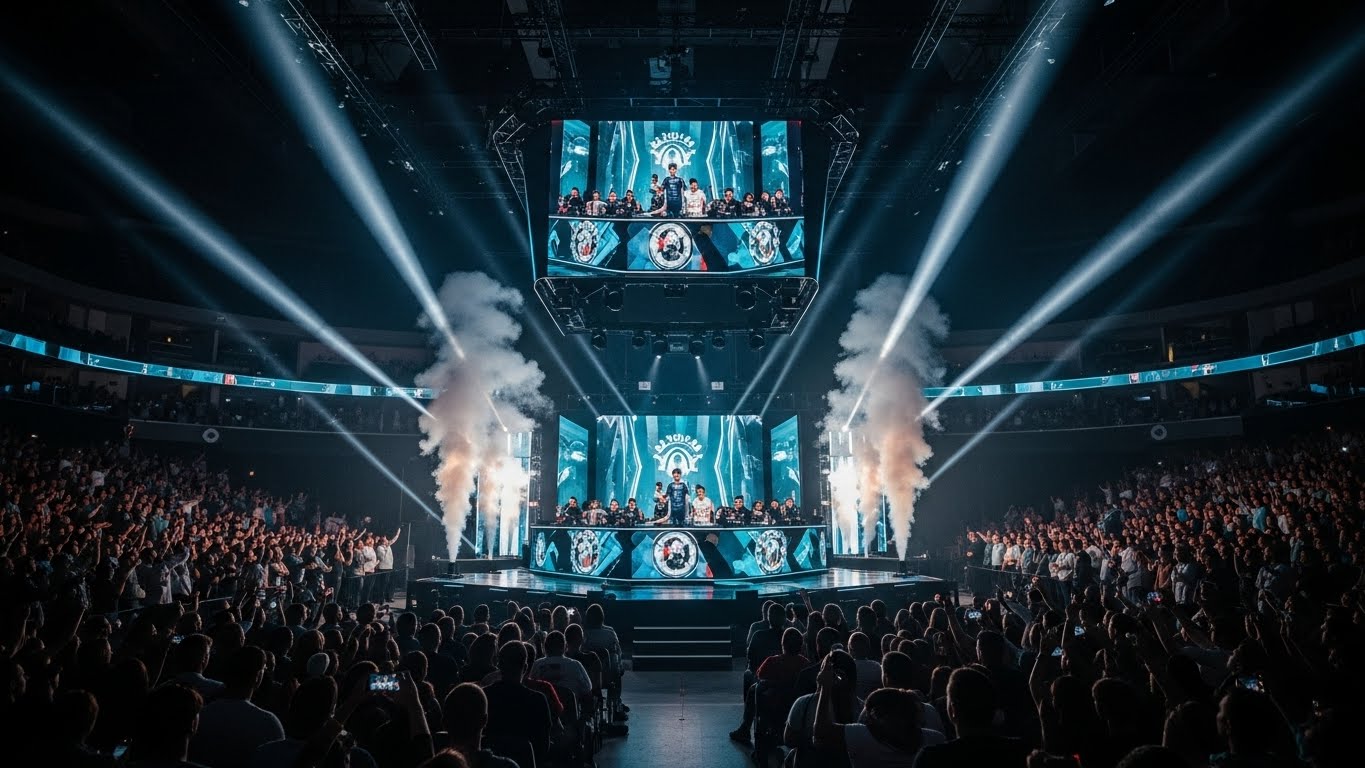
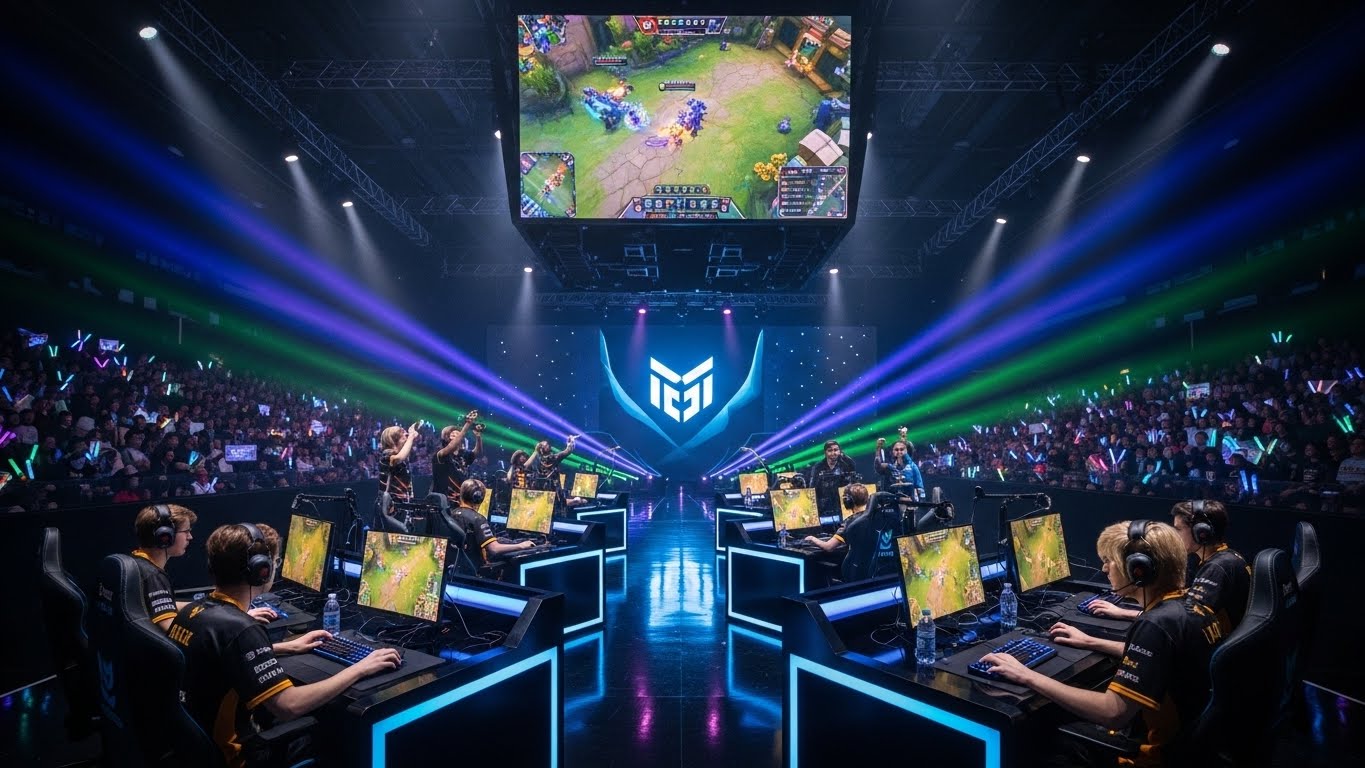
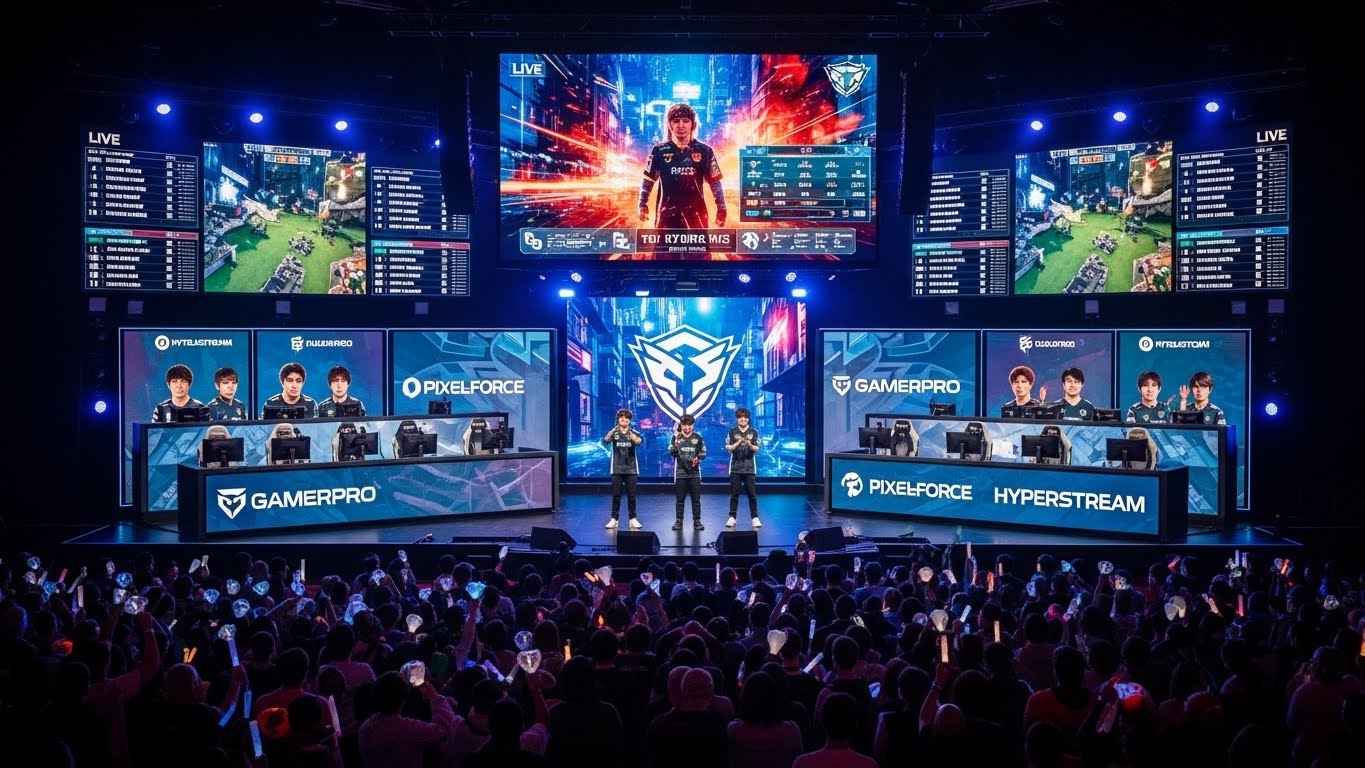
In addition to tournaments, esports has evolved into a major spectator sport. Events like the League of Legends World Championship and the Overwatch League are broadcast live in arenas, often drawing in massive crowds of fans. Additionally, esports is now included in mainstream sports media, with networks like ESPN and TBS airing major events. Some sports stadiums and arenas now regularly host esports tournaments, showcasing the growing mainstream acceptance of competitive gaming.
The Role of Esports in Modern Entertainment
Esports has become an integral part of the entertainment landscape, with a wide variety of people—ranging from casual gamers to seasoned professionals—taking part in or following the industry. The allure of esports is multi-faceted. For many, it’s about the thrill of competition, the camaraderie of playing on a team, and the joy of watching high-level gameplay. For others, it’s about the potential to build a career and achieve fame and fortune in the digital realm.
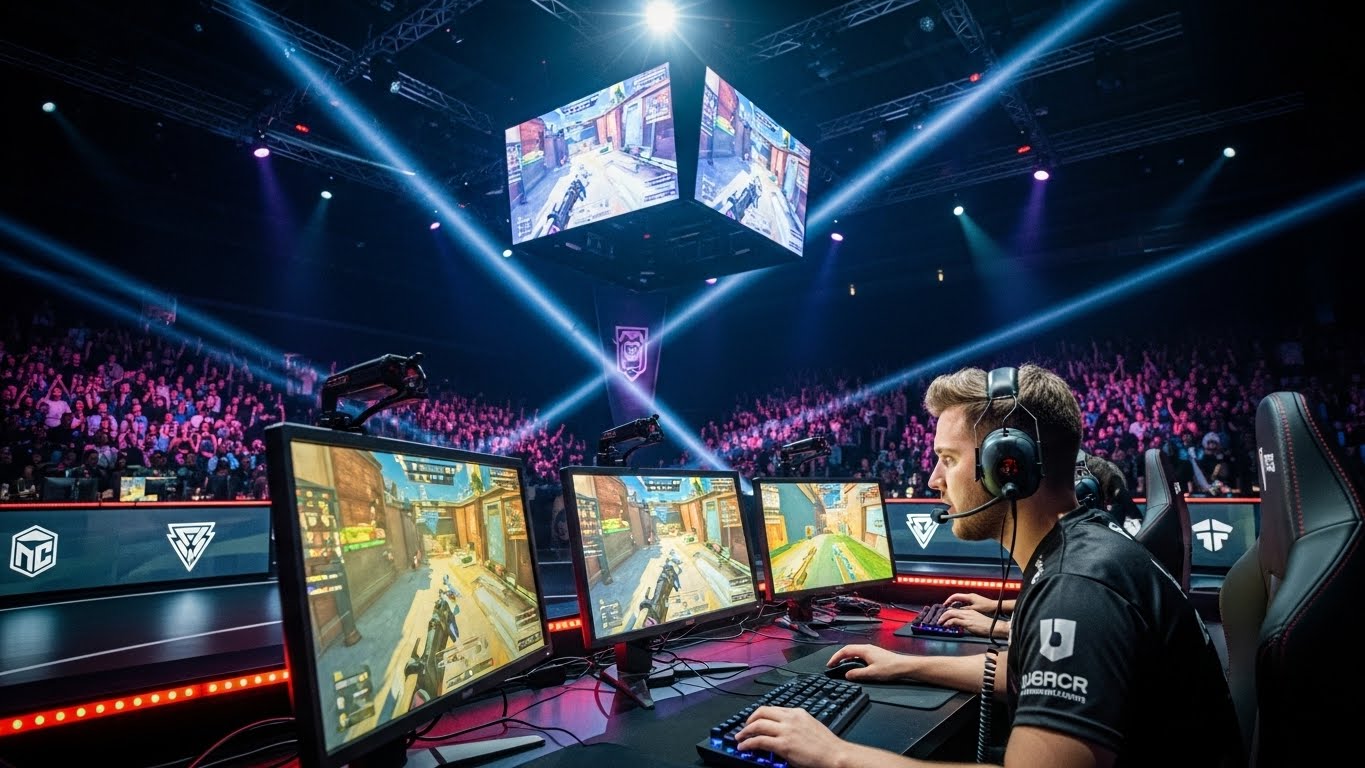
Esports also bridges the gap between gaming and traditional sports. Much like traditional athletes, professional esports players train rigorously to improve their skills, and their matches can be just as intense and dramatic as any sporting event. In fact, many esports players follow training regimens, including physical exercises, to maintain their health and mental sharpness. The level of strategy, coordination, and teamwork required in esports titles like League of Legends and Overwatch makes them just as captivating to watch as traditional sports.
Moreover, esports has proven to be incredibly lucrative for a variety of stakeholders. Players, coaches, and analysts can earn substantial salaries, often backed by sponsorships, appearance fees, and prize winnings. Teams and organizations generate revenue through sponsorships, merchandise sales, and streaming rights. In fact, the global esports market is expected to surpass $1.5 billion in revenue by 2025, with significant contributions from media rights, sponsorships, and advertising.
The Rise of Collegiate Esports and Future Growth
One of the most exciting developments in the esports world has been the rise of collegiate esports programs. Major universities in North America, Europe, and Asia are now offering scholarships and creating dedicated esports programs for students. In the United States, organizations like the National Association of Collegiate Esports (NACE) and the Electronic Gaming Federation (EGF) have helped shape a competitive landscape for college-level players, offering tournaments and fostering development pathways for young talent.
Collegiate esports has provided a viable route for aspiring players to enter the professional gaming world. Many universities now host their own esports arenas and training facilities, and some offer degrees in fields like game design, esports management, and broadcasting. This development signals that esports is no longer just a casual hobby, but a legitimate career path, with a structured ecosystem supporting players and professionals at all stages of their journey.
The future of esports looks incredibly promising, with rapid growth expected in emerging markets such as India, Latin America, and Africa. As internet infrastructure improves globally, esports is set to reach even more players and fans. Additionally, the increasing inclusion of esports in major media channels and its potential inclusion in the Olympic Games further highlights its mainstream acceptance.
Conclusion: The Future of Esports
Esports is no longer just a niche interest; it is a global phenomenon that has reshaped the way we think about competitive sports and entertainment. From humble beginnings as local LAN parties to the multi-billion-dollar industry it is today, esports has become an integral part of modern culture. With the continued growth of technology, media, and the competitive gaming scene, the future of esports is bright.
The future of esports is not just about expanding viewership and prize pools. It’s also about fostering a community where players, fans, and organizations can thrive together. As the industry continues to evolve, esports will likely become an even more prominent part of the global entertainment landscape, redefining how we engage with sports, competition, and technology in the years to come.