championstream42
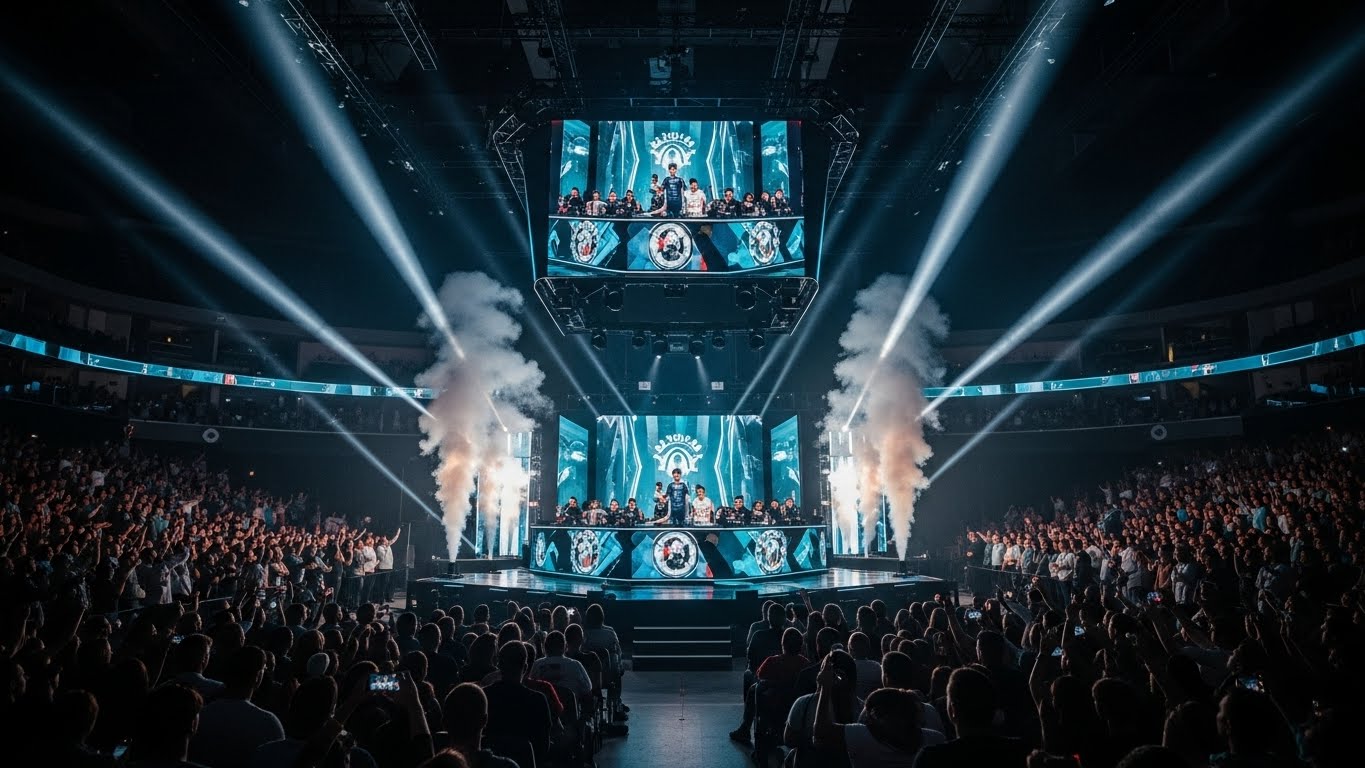
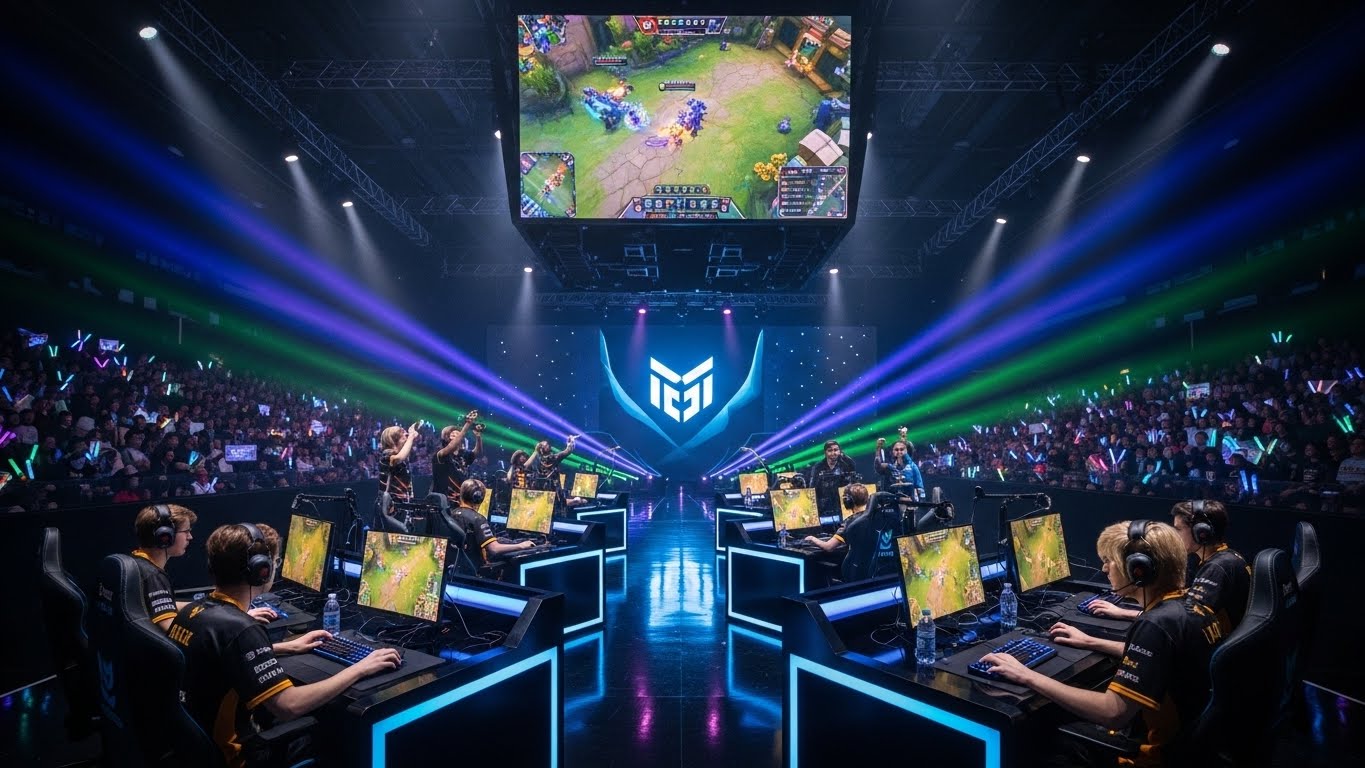
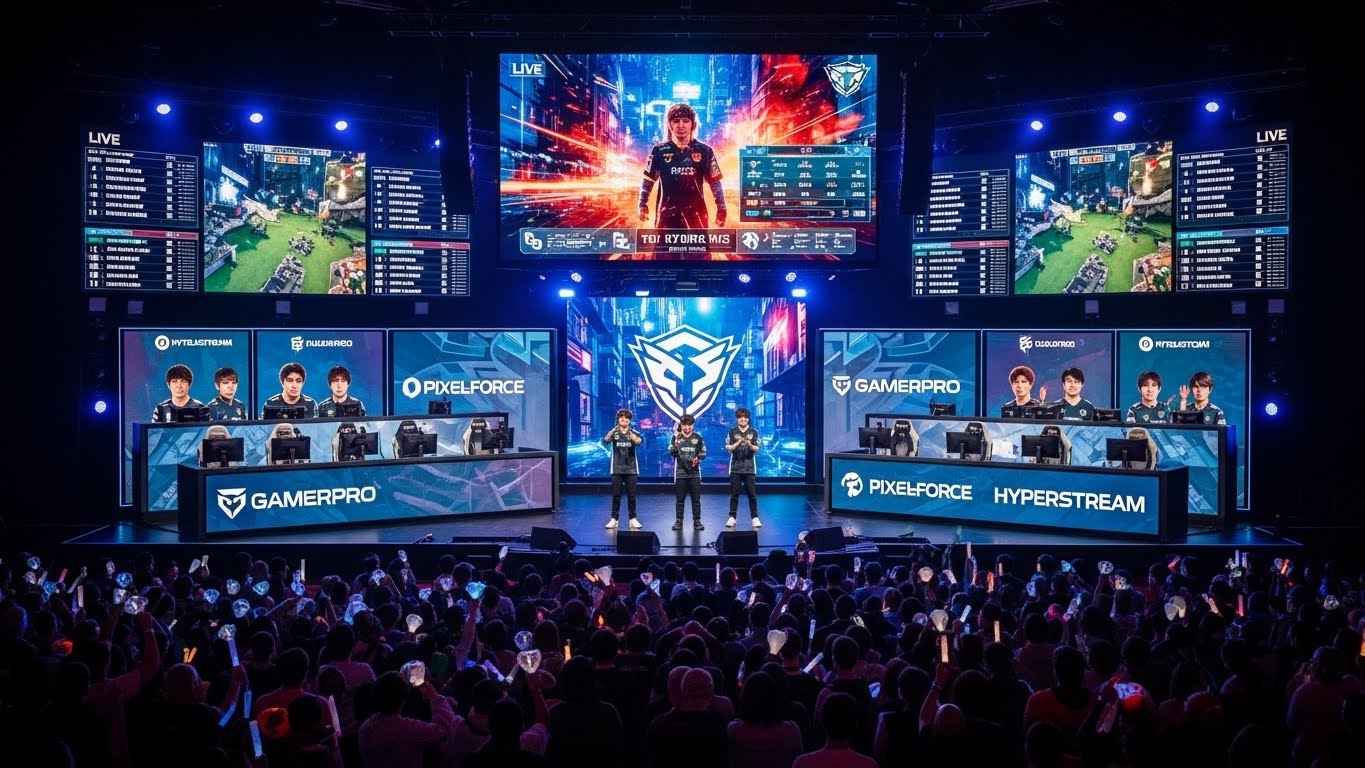
Esports, or electronic sports, has evolved from a niche hobby to a multi-billion-dollar industry, captivating millions of players and viewers across the globe. From competitive gaming tournaments held in large arenas to streamed matches with millions of viewers, esports has quickly established itself as a legitimate form of entertainment. In this blog post, we’ll explore the phenomenon of esports, its rapid rise to prominence, the economic impact it’s having, and what the future holds for competitive gaming.
What Is Esports?
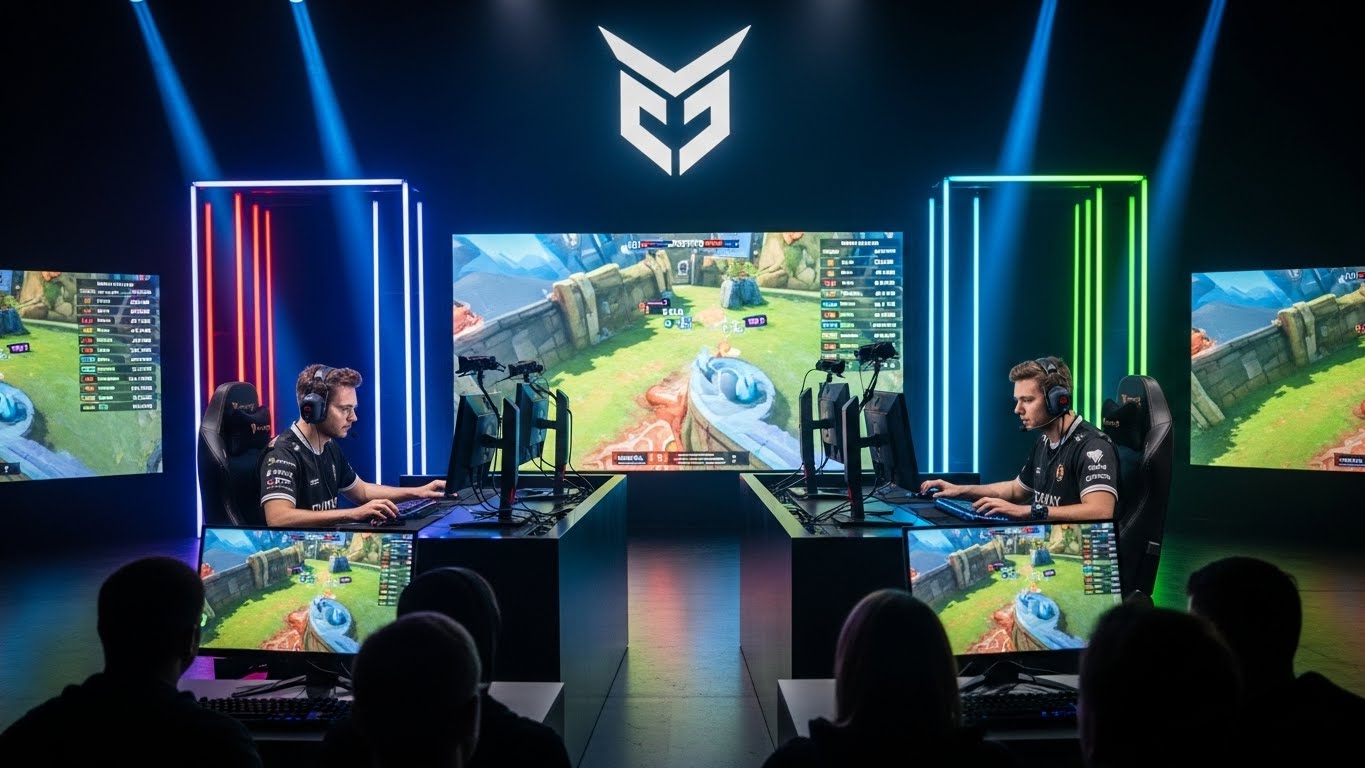
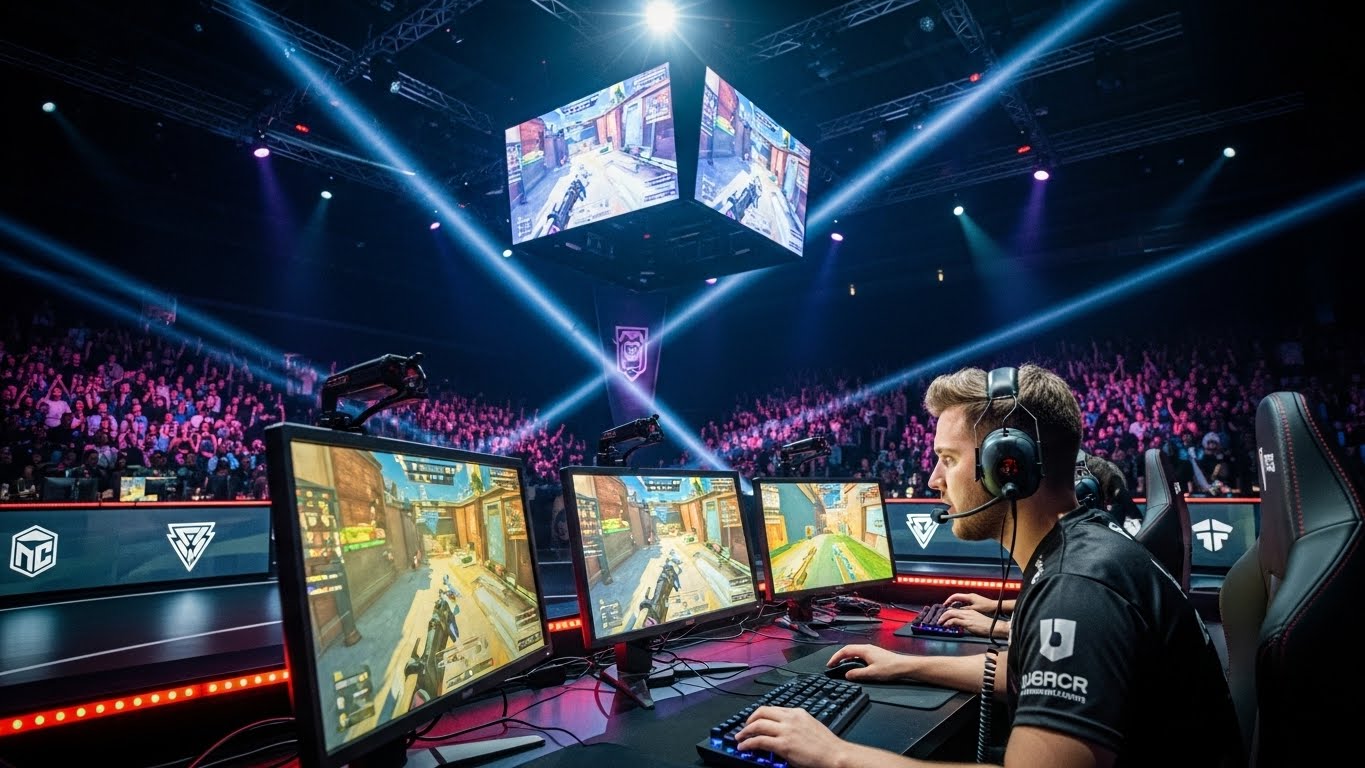
At its core, esports refers to competitive video gaming where individuals or teams compete against each other for prizes, recognition, and, sometimes, sponsorships. Games like League of Legends, Counter-Strike: Global Offensive (CS:GO), Dota 2, and Fortnite are prime examples of titles that have garnered massive followings. The competitions are often live-streamed on platforms like Twitch, YouTube, and Facebook Gaming, drawing millions of spectators from around the world.
While the term “esports” is often associated with organized tournaments and professional players, it can also encompass the broader gaming community. Esports is more than just a few players fighting it out in an arena; it’s about building an ecosystem that includes fans, teams, coaches, analysts, streamers, and sponsors all working together to fuel the industry.
A Brief History of Esports
Esports’ roots trace back to the early days of video games in the 1970s and 1980s. One of the first major competitive gaming events occurred in 1972, when Stanford University hosted the Intergalactic Spacewar Olympics. Players competed in the video game Spacewar, which, though primitive by today’s standards, set the foundation for competitive gaming.
However, it wasn’t until the late 1990s and early 2000s that esports truly began to take shape. The rise of popular games like StarCraft and Warcraft III sparked the creation of organized tournaments, particularly in South Korea. The launch of major gaming leagues like the World Cyber Games (WCG) and the Electronic Sports World Cup (ESWC) helped formalize the competitive scene, giving rise to professional players and dedicated fans.
In the 2010s, esports reached new heights, with the introduction of global leagues, sponsorships, and streaming platforms. Games like League of Legends and Dota 2 broke records with their prize pools and viewership numbers, establishing esports as a global phenomenon.
The Growth of Esports
The rise of esports can be attributed to several key factors. One of the primary drivers is the increasing accessibility of gaming. Video games are no longer confined to specialized arcades or expensive gaming consoles. With the proliferation of high-performance personal computers, gaming laptops, and consoles, anyone can now compete in games at a professional level.
Furthermore, platforms like Twitch and YouTube have played a pivotal role in the growth of esports. These platforms not only allow players to stream their gameplay but also provide a space for fans to engage with their favorite players, teams, and events. The ability to watch tournaments live, sometimes with millions of concurrent viewers, has brought esports into the mainstream.
Another factor is the increasing recognition from traditional sports organizations and media companies. Major sports networks like ESPN and Fox Sports have started broadcasting esports events, while traditional sports teams, such as the Golden State Warriors and the Dallas Mavericks, have invested in esports teams. Partnerships with big-name brands, such as Coca-Cola, Intel, and Red Bull, have also helped elevate esports to a new level of legitimacy.
Esports as a Profession
One of the most significant shifts in the esports world has been the transition of gaming from a pastime to a full-fledged career. Professional gamers can earn substantial incomes through tournament winnings, sponsorships, and streaming. Top players in games like Dota 2, Fortnite, and Call of Duty can earn millions of dollars annually, not just from competition but also from content creation and brand endorsements.
For example, the Dota 2 International tournament, held annually, is known for its staggering prize pool, often reaching over $30 million. The top players in these events walk away with life-changing amounts of money, giving rise to a new generation of professional gamers. Additionally, streaming platforms like Twitch allow players to monetize their audience, offering another avenue for income. Popular streamers with millions of followers can earn substantial revenue from subscriptions, donations, and ad revenue.
But it’s not just about the players. Esports has created an entire ecosystem of careers and professions. Coaches, analysts, broadcasters, team managers, and marketing professionals all contribute to the success of an esports organization. The rise of esports organizations has also led to the creation of team sponsorships, merchandise, and even esports arenas, creating new business opportunities in the process.
The Economic Impact of Esports
Esports is a multi-billion-dollar industry, and its economic impact is far-reaching. According to Newzoo, a global market intelligence firm, the global esports market is projected to surpass $1.8 billion in 2023, with sponsorships, media rights, and merchandise making up a large portion of that revenue. These numbers highlight just how much money is flowing into the industry.
The economic impact isn’t just limited to big corporations and esports organizations. Local economies also benefit from hosting large esports events. Cities like Los Angeles, Shanghai, and Berlin have become hotspots for esports tournaments, drawing in tourists and generating revenue for local businesses such as hotels, restaurants, and transportation services. Esports has also spurred job creation in fields like event management, content creation, and technology development.
Furthermore, esports has become an important tool for brands looking to target younger, tech-savvy audiences. Companies in industries like technology, fashion, and lifestyle have invested heavily in esports, understanding the marketing potential it offers. Sponsorships and brand partnerships with esports teams and events have become a common strategy for companies seeking to reach a new generation of consumers.
The Impact of Esports on Traditional Sports
While esports has flourished in its own right, its impact on traditional sports has also been profound. Many traditional sports organizations and athletes have embraced esports, recognizing its potential as a new form of entertainment. Teams like the New England Patriots and Paris Saint-Germain have launched esports divisions, and individual athletes like Michael Jordan and David Beckham have invested in esports teams.
One of the most significant ways esports and traditional sports have intersected is through media coverage. As esports becomes more mainstream, it’s gaining recognition from major sports networks and media companies. ESPN, for example, has broadcasted League of Legends tournaments and partnered with esports leagues to bring more attention to competitive gaming. This crossover has legitimized esports and helped bridge the gap between the worlds of gaming and traditional sports.
The Future of Esports
The future of esports looks incredibly promising, with growth expected to continue at a rapid pace. The integration of virtual reality (VR) and augmented reality (AR) into esports could revolutionize the way games are played and watched. Games that incorporate these technologies could provide more immersive and engaging experiences for both players and viewers, taking esports to new heights.
Additionally, esports is likely to become more integrated with mainstream media. We’re already seeing esports tournaments broadcast on major television networks and streaming services, and this trend will likely continue. As the audience for esports grows, so too will the opportunities for media companies to profit from broadcasting rights and sponsorships.
Another key trend is the growth of collegiate and high school esports programs. Universities are already offering scholarships for esports athletes, and many high schools are beginning to offer esports as a competitive extracurricular activity. This will help build a sustainable talent pipeline for the future and further legitimize esports as a viable career path.
Conclusion
Esports is no longer a passing trend. It’s a global entertainment phenomenon that’s transforming the way we think about gaming and competition. With its rapid growth, economic impact, and increasing mainstream acceptance, esports is poised to become an integral part of the entertainment landscape. As the industry continues to evolve, it will undoubtedly create new opportunities for players, fans, and businesses alike.
Esports has come a long way since its humble beginnings, and its future holds even greater potential. Whether you’re a competitive gamer, a fan, or someone curious about the world of esports, one thing is certain: the world of competitive gaming is here to stay, and it’s only going to get bigger.