championstream42
Esports, short for electronic sports, has transformed from a niche hobby into a multi-billion-dollar industry, captivating millions of fans and players across the globe. What began as small, localized competitions among passionate gamers has exploded into a massive, organized world of professional leagues, international tournaments, and high-stakes competitions. Today, esports is a cultural phenomenon, influencing the way we view entertainment, sports, and even career opportunities. This blog post will delve into the world of esports, exploring its origins, current state, impact on the gaming and entertainment industries, and its potential future.
The Humble Beginnings: How Esports Came to Be
The roots of esports stretch back to the early days of video games. While competitive gaming has existed since the first video games were created, esports, as we know it today, only started to take shape in the late 20th century. The concept of competitive video gaming was not immediately obvious to the general public. Early video game competitions were relatively simple affairs, mostly taking place in arcades or between friends in living rooms. However, as gaming technology advanced, so did the possibilities for competition.
One of the first recorded instances of competitive gaming occurred in 1972 at Stanford University, where students participated in the “Spacewar Olympics.” Participants competed in a game called Spacewar, and the winner received a year’s subscription to Rolling Stone magazine. Though small in scope, this event laid the groundwork for the future of competitive gaming.
In the 1990s, the advent of personal computers and online multiplayer games opened up new opportunities for competitive gaming. Titles like Quake, Warcraft, and StarCraft gave players the chance to compete against each other in virtual arenas, sparking the interest of a growing gaming community. At the same time, South Korea became a major hub for esports, with games like StarCraft and League of Legends achieving cult status. It was here that the seeds of modern esports were sown, with professional leagues, television broadcasts, and even dedicated arenas for gaming.
The Rise of Esports: From Local Competitions to Global Tournaments
The 2000s marked a turning point for esports, as the growth of broadband internet enabled players to compete with each other across long distances. No longer were tournaments restricted to local events or regional competitions. Gamers could now face off against opponents from around the world, creating a truly global competitive environment.
One of the first major games to take esports mainstream was Warcraft III, which laid the foundation for StarCraft and its successor titles. These games not only introduced new mechanics and strategic depth but also sparked the creation of esports teams and professional players who dedicated themselves to mastering the games. By the early 2000s, organized esports leagues and tournaments began to emerge, such as the World Cyber Games and the Electronic Sports World Cup, both of which attracted thousands of participants and viewers.
In 2011, the launch of Twitch, a live streaming platform dedicated to gaming content, revolutionized the esports industry. Gamers could now watch professional tournaments in real time from the comfort of their homes. The platform’s success helped further legitimize esports, bringing it to a wider, more diverse audience and providing a means for players to build their personal brands. Esports was no longer confined to underground scenes; it was becoming a mainstream spectacle.
By 2013, the League of Legends World Championship set new records for esports viewership, attracting millions of viewers worldwide. With increasing sponsorship deals, television broadcasts, and massive prize pools, esports entered the public consciousness as a major form of entertainment.
The Current State of Esports: A Multi-Billion-Dollar Industry
Today, esports is a global powerhouse with a diverse ecosystem that includes professional teams, players, sponsors, fans, and media outlets. The industry is valued at over a billion dollars, with projections to grow even further in the coming years. Esports has become more than just a competition; it is a global cultural movement that touches various aspects of society.
Professional Esports Leagues and Teams
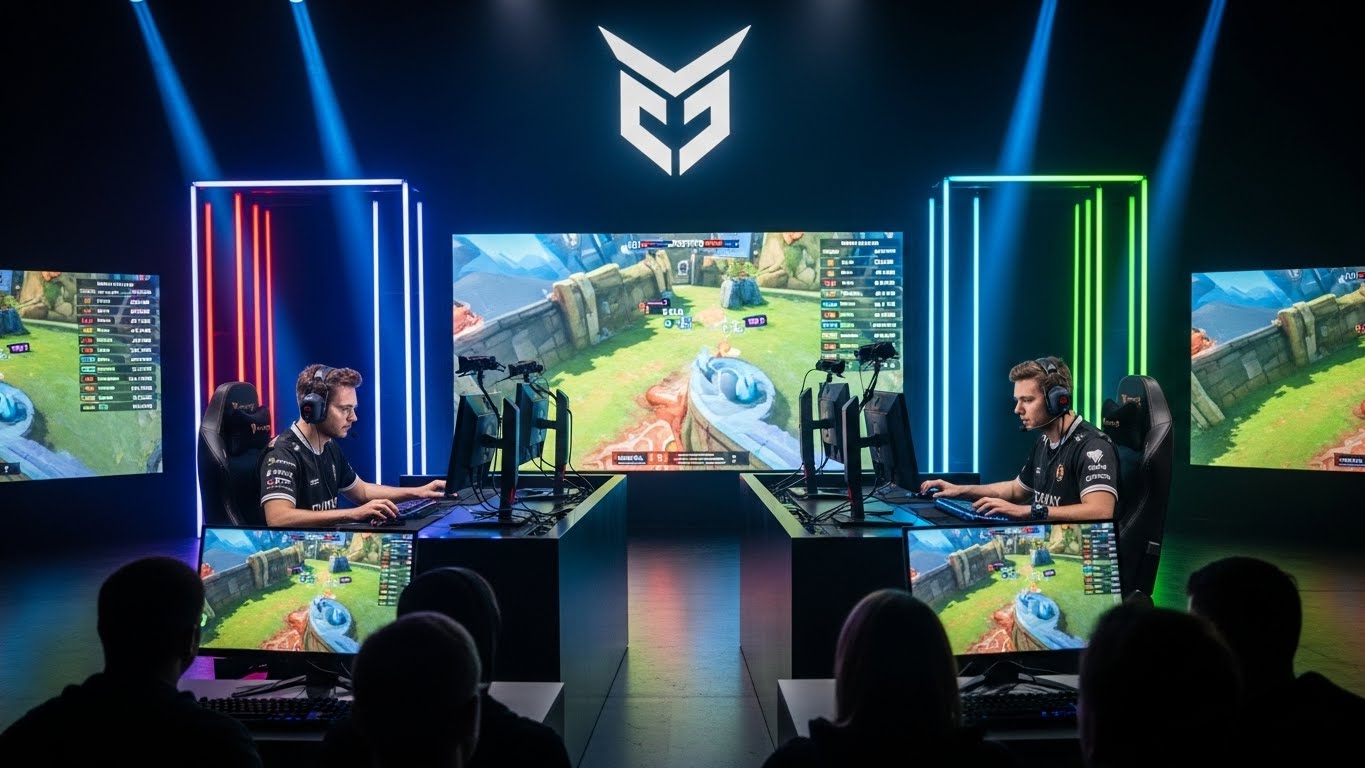
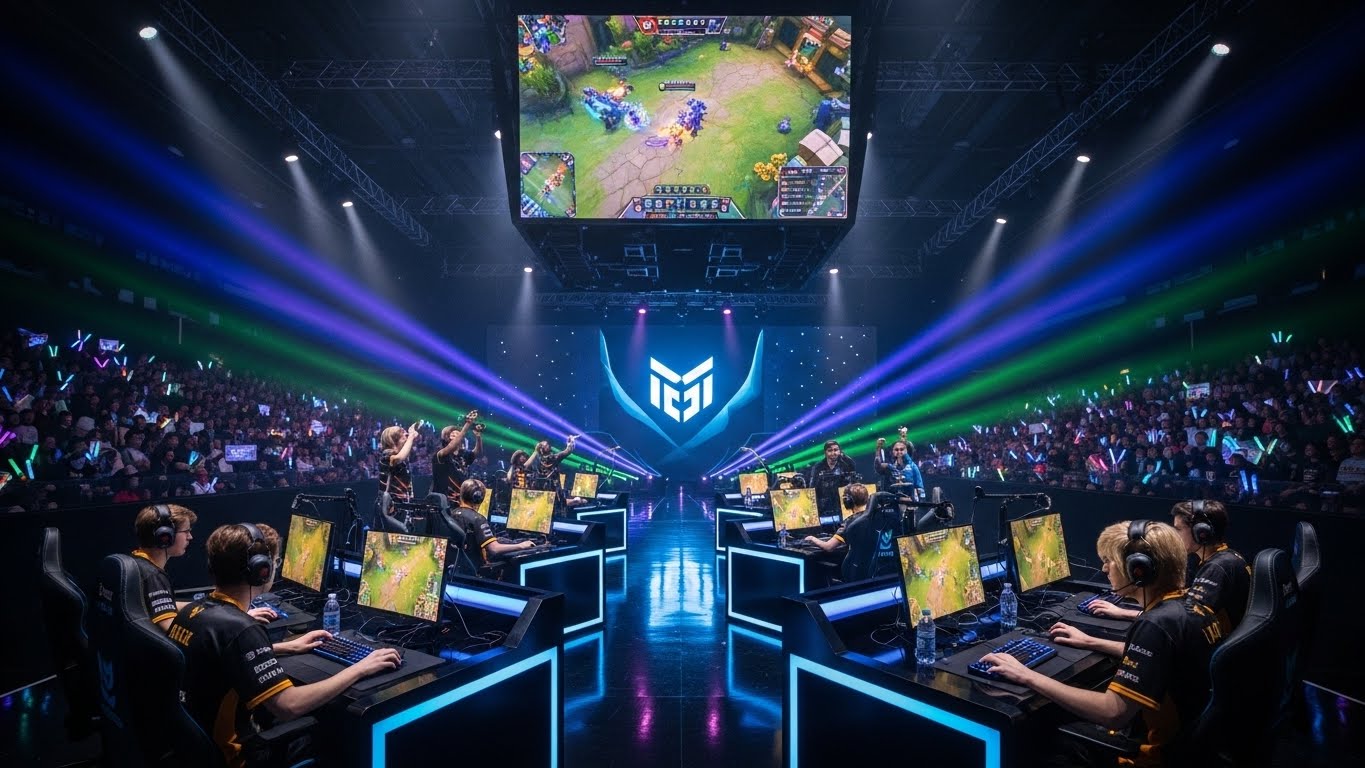
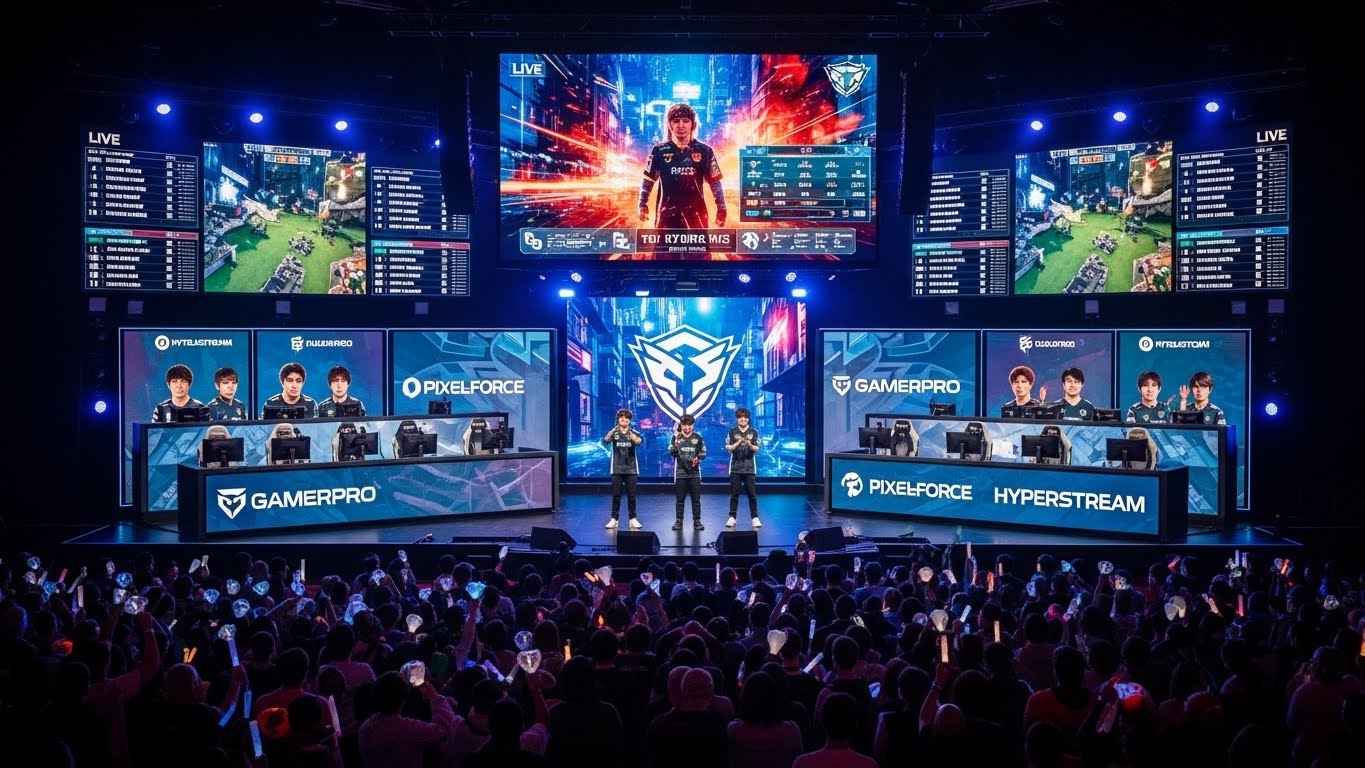
Professional esports leagues have become a staple of the industry, offering players the opportunity to compete for large cash prizes and global recognition. These leagues are similar to traditional sports leagues, with teams representing cities, regions, or countries. Among the most prominent leagues are the Overwatch League, the League of Legends Championship Series (LCS), and the Call of Duty League. These leagues feature top-tier players who compete in regular seasons, playoffs, and championships, drawing millions of fans both online and in stadiums.
Esports organizations, such as Cloud9, Team Liquid, and Fnatic, field teams that specialize in different games, including League of Legends, Counter-Strike: Global Offensive, Dota 2, Fortnite, and more. These organizations provide players with salaries, coaching, facilities, and support, making esports a viable career for talented individuals.
International Tournaments and Prize Pools
Esports tournaments have grown exponentially in scale and prize money. The Dota 2 International, held annually since 2011, is one of the most well-known tournaments, featuring prize pools that exceed $40 million in some years. Fortnite, another hugely popular title, saw its World Cup in 2019 offer a $30 million prize pool, with the winner taking home $3 million. These massive prize pools have helped to elevate esports players to the status of celebrities, with many earning substantial income through tournament winnings, sponsorships, and streaming deals.
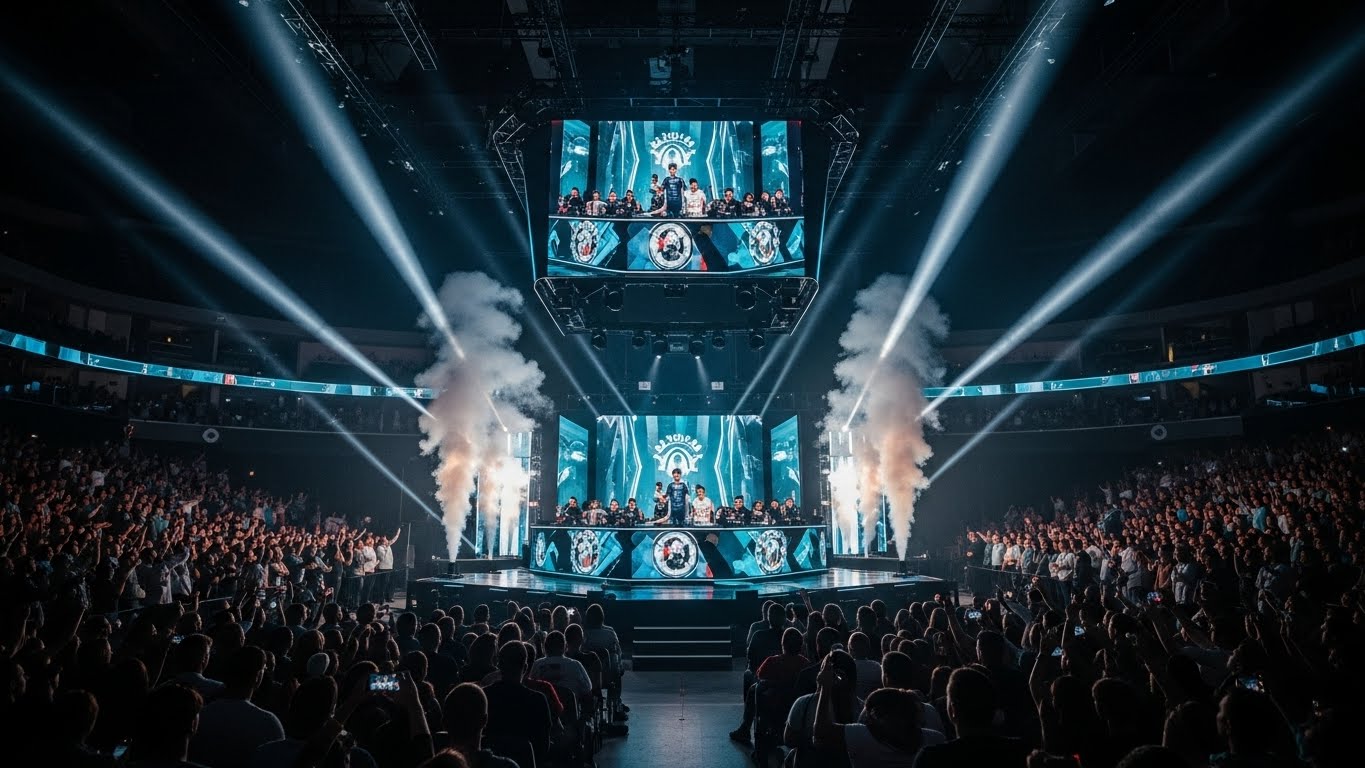
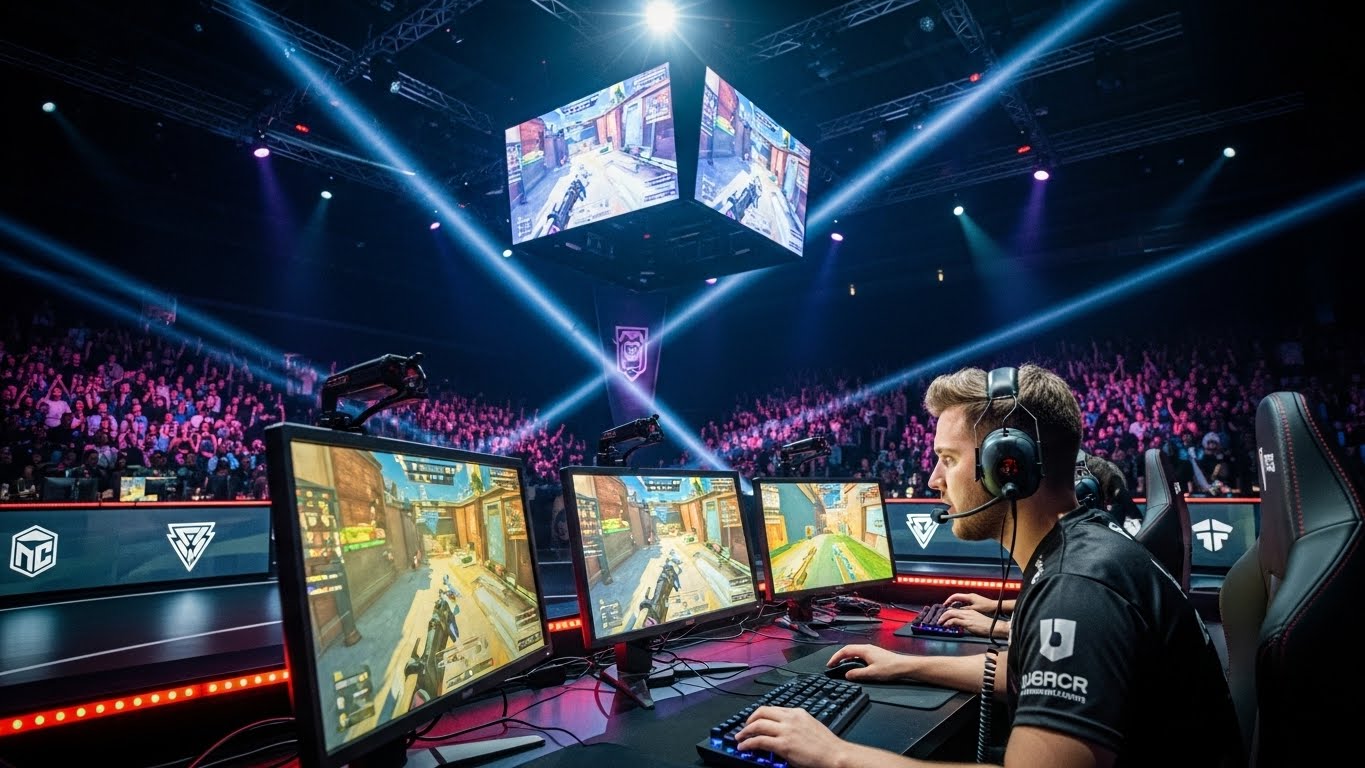
Other significant esports tournaments include The International (Dota 2), CS:GO Major Championships, League of Legends World Championship, and the Overwatch League Grand Finals. These events draw tens of thousands of spectators to arenas around the world, while millions more watch from the comfort of their homes, thanks to live streaming on platforms like Twitch and YouTube.
Sponsorships and Media Partnerships
Sponsorship is a key component of esports’ financial success. Major corporations have recognized the value in partnering with esports organizations, teams, and tournaments to promote their products. Companies like Coca-Cola, Intel, Red Bull, and Audi have all become prominent sponsors in the esports scene, offering financial backing, advertising opportunities, and branded content.
In addition to corporate sponsorships, media rights and broadcasting deals have further fueled the growth of esports. Traditional media outlets, such as ESPN, TBS, and BBC, now regularly broadcast major esports events, and digital platforms like Twitch, YouTube, and Facebook Gaming continue to provide millions of viewers with access to live streams and highlight content. The increasing mainstream media attention has helped esports reach audiences beyond the gaming community, bringing in new fans and viewers who might not have otherwise engaged with competitive gaming.
The Social and Cultural Impact of Esports
Esports has had a profound impact on social interaction and cultural trends. Through streaming platforms like Twitch and YouTube, fans and players can interact in real time, discussing strategies, sharing tips, and offering support. These platforms also provide opportunities for content creators to build personal brands, stream their gameplay, and monetize their channels through sponsorships, ads, and subscriptions.
Esports has fostered a sense of community among fans who share a common passion for gaming and competition. Online forums, social media, and fan meetups have allowed people from around the world to connect and share their love for esports. This sense of belonging has helped esports grow beyond just gaming, transforming it into a lifestyle and a subculture.
Another key aspect of esports’ cultural impact is its inclusivity. Unlike traditional sports, where physical attributes may play a significant role in success, esports levels the playing field. Players from all backgrounds, ages, and regions can compete on equal terms, and this inclusivity has made esports accessible to a global audience. It has also led to the development of a diverse player base, with esports communities becoming more open to women, minorities, and people from different walks of life.
The Future of Esports: New Horizons and Innovations
Looking ahead, the future of esports appears bright, with several exciting developments on the horizon. Virtual reality (VR) and augmented reality (AR) are expected to play a larger role in the evolution of competitive gaming, offering new ways for players and spectators to interact with esports. Imagine a world where fans can watch matches from within the game itself, experiencing the action as if they were part of the virtual environment.
Mobile gaming also represents a significant area of growth in esports. As smartphones continue to evolve with better graphics and processing power, mobile gaming titles like PUBG Mobile, Clash Royale, and Mobile Legends have gained popularity, especially in regions like Southeast Asia and India. Mobile esports tournaments are becoming increasingly common, and these games are likely to contribute significantly to the future of the industry.
Additionally, esports will continue to bridge the gap between gaming and traditional sports. With new franchise leagues, inter-sport collaborations, and digital fan engagement strategies, esports will solidify its place as a mainstream form of entertainment.
Esports as a Career Path: From Player to Content Creator
Esports has also opened up a wide array of career opportunities. While professional players remain at the center of the industry, esports organizations also hire coaches, analysts, managers, content creators, and social media influencers. For many gamers, becoming a content creator or streamer on platforms like Twitch or YouTube has become a viable career path, where success is measured not only by gameplay skill but also by personality, entertainment value, and fan engagement.
Furthermore, the growth of esports has led to the emergence of dedicated educational programs and scholarships for aspiring esports professionals. Universities and colleges worldwide are offering degrees in esports management, game design, and competitive gaming, helping to formalize esports as an academic discipline and a legitimate career path for the next generation of gamers.