championstream42
Introduction: From Arcades to Arenas
Over the past few decades, video games have transformed from a simple pastime into one of the most powerful entertainment industries in the world. What was once considered a niche hobby for teenagers has evolved into a billion-dollar ecosystem known as Esports. The term refers to competitive, organized video gaming, where individuals or teams compete in professional tournaments for fame, recognition, and enormous prize pools. Esports has broken cultural barriers, built global communities, and redefined what it means to be an athlete. In this blog, we’ll explore the growth of Esports, its history, major games, players, teams, tournaments, technology, culture, and what the future may hold for this fast-evolving digital sport.
The Early Days: Seeds of a Revolution
The origins of Esports can be traced back to the late 1970s and early 1980s, when video game competitions began emerging in arcades and college campuses. One of the earliest recorded tournaments was the 1980 Space Invaders Championship, organized by Atari, which attracted over ten thousand participants across the United States. It was a groundbreaking moment that proved gaming could be a social and competitive experience, not just a solitary one. In the 1990s, the arrival of personal computers and the internet created new opportunities for players to connect and compete globally. Games like Doom, Quake, and StarCraft gave rise to local and international competitions, building the foundation for modern Esports. South Korea played a vital role during this period, turning gaming into a professional pursuit and establishing the first Esports leagues.
The 2000s: The Professionalization of Gaming
The 2000s marked a turning point for Esports. As broadband internet became more accessible, online multiplayer games exploded in popularity. Titles like Counter-Strike, Warcraft III, and Halo built strong competitive communities. Professional gaming organizations began to form, offering structured teams, sponsorships, and salaries for players. South Korea’s Korean e-Sports Association (KeSPA) played a pivotal role in formalizing the industry. Players became celebrities, television channels began broadcasting tournaments, and live audiences grew steadily. Western countries soon followed suit. Events like the World Cyber Games (WCG) and Electronic Sports World Cup (ESWC) turned Esports into a global spectacle. These tournaments demonstrated that video games could draw large crowds and attract corporate sponsors.
The Streaming Revolution and Global Explosion
The next major leap came in the 2010s with the rise of live streaming platforms such as Twitch and YouTube Gaming. These platforms allowed millions of fans to watch Esports matches live from anywhere in the world. Streaming eliminated the need for television broadcasting and democratized access to gaming content. Players could now reach global audiences instantly. Games like League of Legends, Dota 2, and Counter-Strike: Global Offensive rose to prominence. Riot Games’ League of Legends World Championship began filling entire stadiums, while Dota 2’s The International set new records for prize pools every year, funded by in-game purchases from fans. The Esports audience grew exponentially, crossing hundreds of millions of viewers. Esports was no longer underground — it was mainstream entertainment.
Major Games That Shaped Esports
While many games have contributed to Esports, a few titles have defined entire eras and established themselves as cornerstones of competitive gaming.
League of Legends
Developed by Riot Games and released in 2009, League of Legends (LoL) quickly became one of the biggest Esports titles in the world. Its free-to-play model, constant updates, and strategic depth helped create a massive global player base. The League of Legends World Championship now stands as one of the most-watched Esports events annually, drawing millions of online viewers and selling out arenas worldwide.
Dota 2
Valve’s Dota 2 is another titan of Esports, known for its complexity and massive prize pools. Its premier event, The International (TI), has awarded some of the largest prize funds in the history of competitive gaming. Crowdfunded through the game’s “Battle Pass,” TI’s prize pool once exceeded 40 million dollars, highlighting the power of community-driven support in Esports.
Counter-Strike: Global Offensive
The Counter-Strike series has been synonymous with competitive first-person shooters since its inception. CS:GO, released in 2012, brought refined mechanics, balanced gameplay, and a thriving competitive scene. It remains one of the most respected Esports titles, with legendary players and iconic tournaments such as the Majors, where elite teams face off for glory and prestige.
Fortnite
Epic Games’ Fortnite redefined what a modern Esport could be. Mixing the battle royale genre with creative building mechanics and accessible gameplay, Fortnite became a global sensation. The Fortnite World Cup in 2019 awarded tens of millions of dollars in prizes and showcased how casual and professional gaming worlds could merge.
Valorant and the New Era
The release of Valorant in 2020 marked a new chapter for competitive gaming. Combining elements from tactical shooters and hero-based games, Valorant quickly developed a thriving Esports ecosystem. Its global tournaments feature diverse international rosters and attract huge viewership, proving that new games can still make a massive impact in the Esports landscape.
Esports Athletes: The New Generation of Competitors
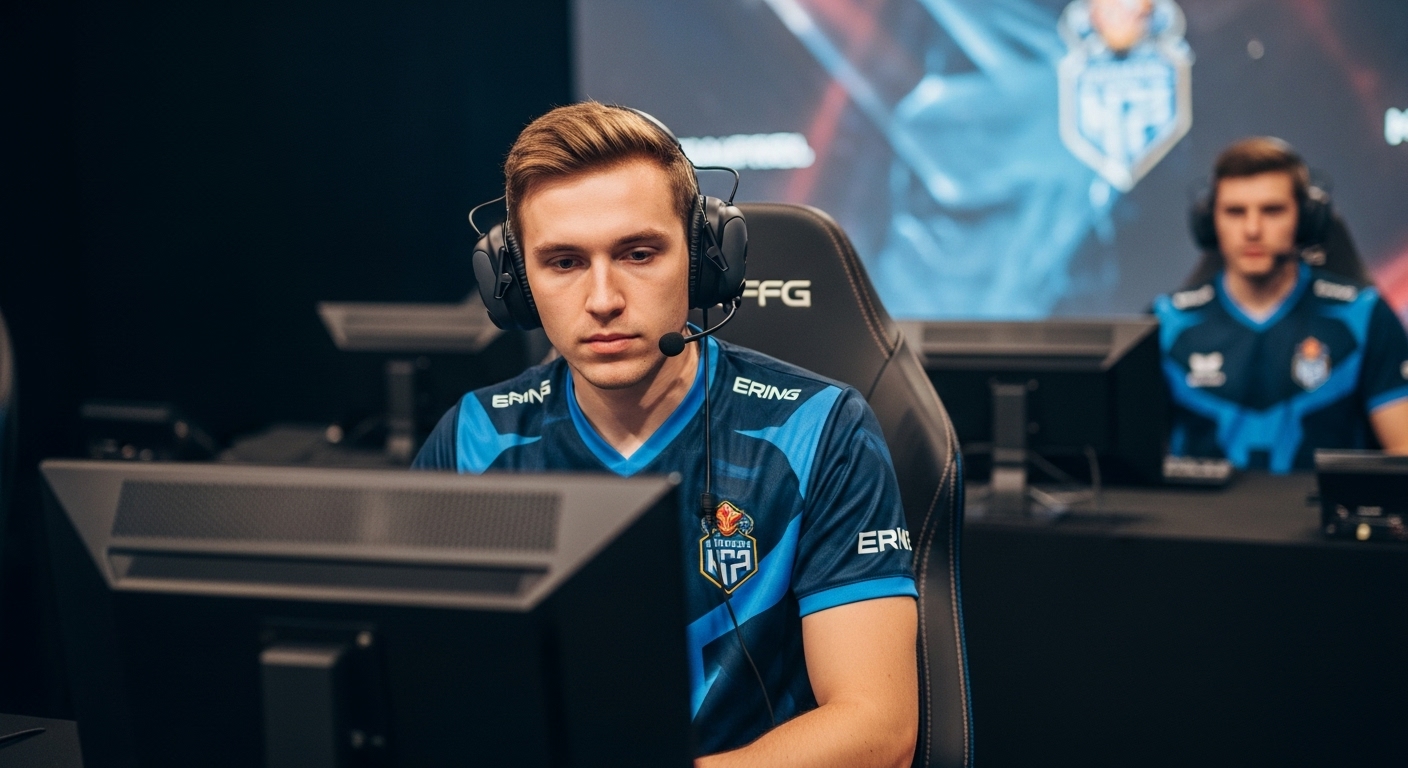
The modern Esports player is far removed from the stereotypical “gamer in a basement” image. Today’s professional Esports athletes undergo rigorous training routines, follow strict diets, and maintain disciplined schedules. They often practice for eight to twelve hours a day, focusing on communication, strategy, reaction time, and mental endurance. Teams employ coaches, analysts, nutritionists, and sports psychologists to ensure optimal performance. Many Esports players begin their careers as teenagers and retire in their mid-twenties, similar to traditional sports. Names like Faker (Lee Sang-hyeok) in League of Legends, s1mple (Oleksandr Kostyliev) in CS:GO, and Bugha (Kyle Giersdorf) in Fortnite have become international icons. Their skills, consistency, and achievements inspire millions of aspiring gamers worldwide.
The Role of Teams and Organizations
Just as in traditional sports, teams and organizations are the backbone of the Esports ecosystem. Well-known organizations such as Team Liquid, Fnatic, Cloud9, T1, and G2 Esports operate like professional sports franchises. They manage rosters, sign sponsorships, and engage in brand partnerships. These organizations don’t just focus on winning tournaments but also build their identities around community engagement, merchandise, and content creation. Esports organizations often have divisions across multiple games, creating diversified fan bases and revenue streams.
The Esports Industry and Its Economy
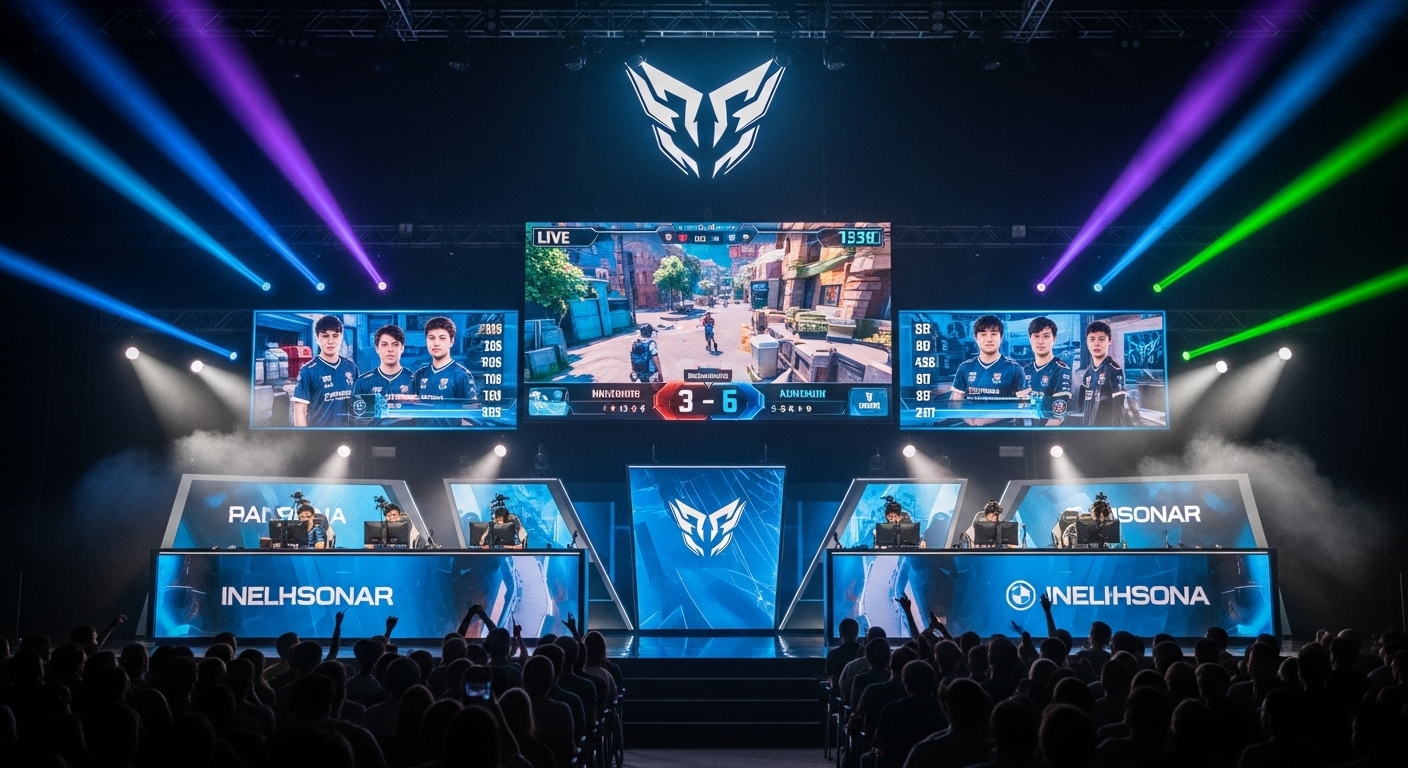
The Esports industry has become a global economic powerhouse. Revenue streams come from sponsorships, advertising, ticket sales, merchandise, broadcasting rights, and in-game purchases. Major brands such as Coca-Cola, Intel, and Red Bull have invested heavily in Esports sponsorships, recognizing the value of reaching younger, digitally engaged audiences. Esports events are now held in world-class venues, from Madison Square Garden in New York to the Bird’s Nest Stadium in Beijing. Prize pools can reach tens of millions of dollars, while streaming platforms generate additional advertising revenue. Esports has also created thousands of jobs — from production crews and event organizers to social media managers and shoutcasters.
Shoutcasters and Content Creators: The Voices of Esports
Shoutcasters, often called commentators, play an essential role in bringing Esports to life. Their dynamic commentary, strategic insights, and emotional storytelling transform digital battles into epic narratives. Alongside them, content creators and streamers bridge the gap between professional players and fans. Personalities like Ninja, Shroud, and Pokimane have turned gaming into full-fledged entertainment careers. Their influence extends far beyond Esports, inspiring brand collaborations and mainstream recognition.
The Role of Technology
Technological innovation has been the driving force behind Esports’ growth. High-speed internet, powerful gaming PCs, advanced graphics engines, and immersive peripherals have elevated the competitive experience. Cloud gaming and AI-driven analytics are revolutionizing training, strategy development, and player performance assessment. Virtual reality (VR) and augmented reality (AR) could redefine how audiences experience tournaments, allowing fans to step inside virtual arenas or spectate from a player’s perspective. As technology continues to advance, the boundaries between digital and physical sports will blur even further.
Education and Esports
The rise of Esports has also reached academia. Universities around the world now offer Esports scholarships, degree programs, and training facilities. These initiatives recognize the value of gaming not only as entertainment but also as a legitimate career path. Students study game design, event management, marketing, and broadcasting, preparing for roles in the Esports ecosystem. Educational institutions are also using gaming as a tool for teamwork, leadership, and problem-solving development.
Esports and Mainstream Acceptance
Esports is no longer on the fringes of society. It has gained recognition from major institutions, including the International Olympic Committee, which has hosted Esports showcases alongside its events. Governments in countries like South Korea, China, and the United States have started investing in Esports infrastructure and regulations. Traditional sports franchises — such as NBA teams and football clubs — now own or sponsor Esports divisions, bridging the gap between physical and digital sports. Esports tournaments consistently draw more viewers than some traditional sports championships, further cementing their mainstream appeal.
Challenges Facing the Industry
Despite its success, Esports still faces several challenges. One of the biggest issues is player burnout, as intense training schedules and mental pressure take a toll on young athletes. The industry also struggles with inconsistent regulations, as each game publisher sets its own rules and formats. Match-fixing, cheating, and doping have occasionally tarnished Esports’ reputation. Additionally, there are ongoing debates about gender inclusivity and diversity, as women remain underrepresented in many competitive scenes. The Esports community must continue to address these issues to ensure long-term sustainability and fairness.
The Global Community and Cultural Impact
Esports is more than just competition; it’s a cultural movement. It unites players and fans from different backgrounds, languages, and countries under a shared passion for gaming. Events like DreamHack and BlizzCon serve as festivals celebrating gaming culture, art, and creativity. Online communities thrive on discussion forums, Discord servers, and social media platforms, where fans connect, share highlights, and support their favorite players. Esports has influenced music, fashion, and even film, shaping a generation’s identity and entertainment preferences.
Women in Esports: Breaking Barriers
Although Esports has historically been male-dominated, women are increasingly making their mark as players, commentators, and executives. Female Esports teams such as CLG Red and Dignitas Female compete at professional levels, while personalities like Sasha “Scarlett” Hostyn and Zainab “zAAz” Turkie have proven that skill and determination know no gender. Organizations are beginning to create more inclusive environments, supporting mixed tournaments, mentorship programs, and awareness campaigns that promote diversity in gaming.
Esports as a Career Path
The Esports industry offers more than just opportunities for players. Aspiring professionals can build careers in broadcasting, event production, marketing, coaching, analytics, journalism, and content creation. As the ecosystem expands, the demand for skilled workers in these areas continues to grow. Universities, companies, and even governments are investing in Esports training programs to nurture future talent. The idea that gaming can provide stable, respected careers is no longer fantasy — it’s a modern reality.
The Future of Esports
Looking ahead, Esports shows no sign of slowing down. The next decade will likely bring even greater technological integration, including virtual and augmented reality experiences, blockchain-driven tournament systems, and AI-powered coaching tools. Esports could become a permanent fixture in international sporting events, further blurring the line between traditional and digital sports. As internet access expands globally, emerging regions such as Africa, the Middle East, and South America will produce new generations of Esports stars. With innovation, inclusivity, and global collaboration, Esports will continue to redefine entertainment and competition in the digital age.
Conclusion: A New Era of Sports and Culture
Esports has come a long way from its humble arcade beginnings. What started as a small community of passionate players has evolved into a massive global industry that transcends language, geography, and culture. It has proven that competition doesn’t need a physical ball or field — all it requires is skill, strategy, and passion. The world of Esports is not just about playing games; it’s about dreaming big, breaking barriers, and building communities. As technology continues to evolve and the world becomes more connected, Esports stands as a symbol of how human creativity and competition can thrive in the digital era.