championstream42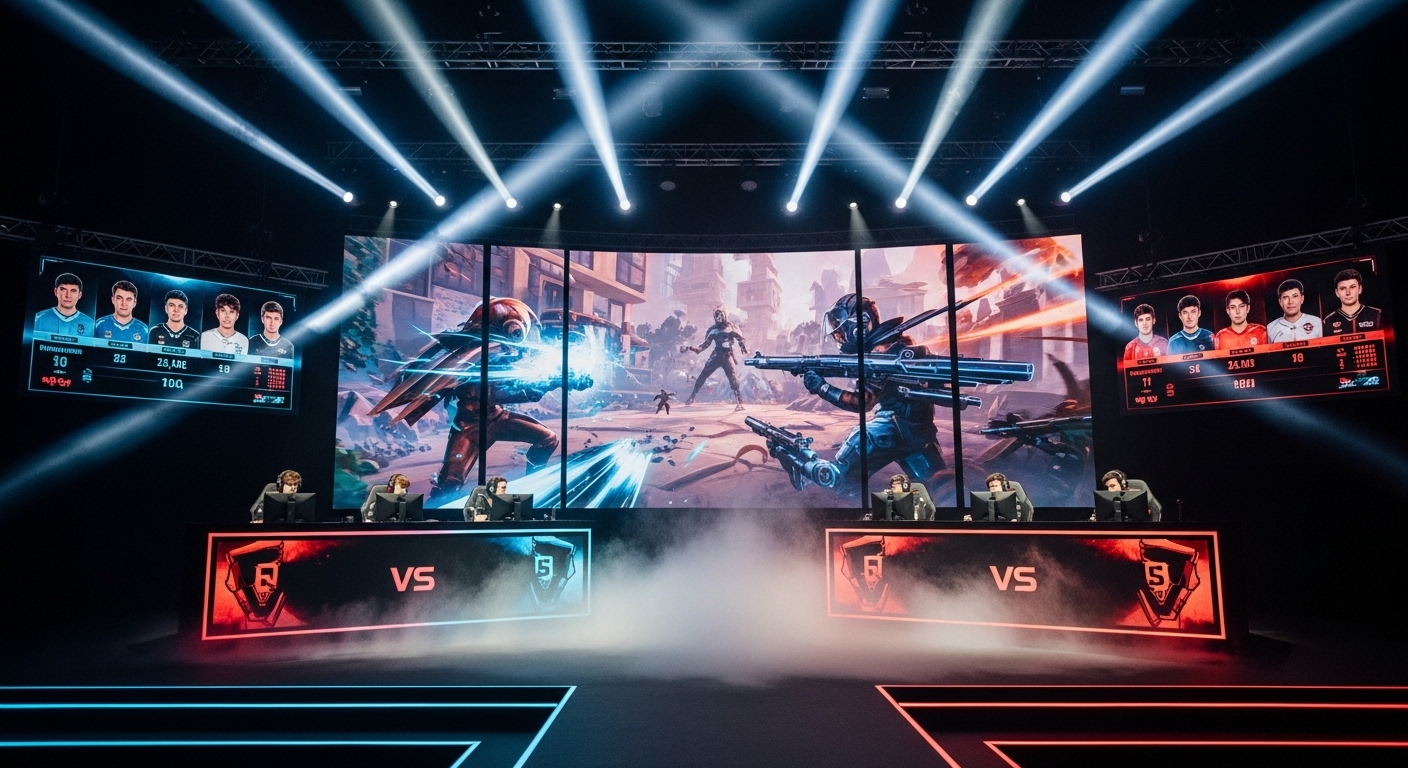
Introduction
Esports, or electronic sports, has transformed from a niche pastime for gaming enthusiasts into a multibillion-dollar global industry. What began as small-scale competitions in the early days of arcade and PC gaming has evolved into packed arenas, professional teams, global sponsorships, and mainstream media coverage. Today, esports stands shoulder to shoulder with traditional sports in terms of audience engagement, revenue generation, and cultural influence. But this rise didn’t happen overnight. It’s the result of decades of technological advancement, shifting cultural attitudes, and the passion of countless players and fans around the world.
The Origins of Competitive Gaming
The story of esports begins long before streaming platforms and professional leagues. In the 1970s, video games were still a novelty, but even then, competition was part of their DNA. One of the first known gaming competitions took place at Stanford University in 1972, where students battled it out in a game called “Spacewar.” The prize wasn’t cash or sponsorship—it was a year’s subscription to Rolling Stone magazine. This small event set the tone for what was to come: gaming as a shared, competitive experience.
As technology progressed into the 1980s, arcade culture exploded. Players crowded into dimly lit rooms filled with flashing screens, chasing high scores in games like “Pac-Man,” “Donkey Kong,” and “Space Invaders.” Leaderboards became the first form of recognition, allowing players to etch their initials into gaming history. The competitive spirit was alive, but the infrastructure to support organized tournaments wasn’t quite there yet.
The Rise of LAN Parties and Early Online Competitions
The 1990s marked a pivotal moment for gaming competitions, thanks to the rise of personal computers and the internet. LAN (Local Area Network) parties became popular among gaming communities. Players would lug their heavy monitors and desktops to a friend’s house or local venue to connect directly and compete in games like “Quake,” “Counter-Strike,” and “StarCraft.”
These gatherings built the foundation of modern esports—team-based play, real-time strategy, communication, and camaraderie. The competitive scene was still grassroots, but major gaming companies began to notice. Blizzard Entertainment, for instance, supported “StarCraft” tournaments in South Korea, which later helped the country become the epicenter of professional gaming.
South Korea: The Birthplace of Modern Esports
No discussion of esports history is complete without mentioning South Korea. In the late 1990s and early 2000s, “StarCraft” became a national obsession. With the government’s investment in broadband infrastructure, internet cafés—known as PC bangs—spread rapidly across the country. These venues became community hubs where gamers trained, competed, and socialized.
Television networks began broadcasting professional “StarCraft” matches, and players like Lim “BoxeR” Yo-hwan became household names. South Korea’s model of structured leagues, dedicated teams, and salaried players was revolutionary. It provided a blueprint that would later be adopted globally. The country’s embrace of esports helped legitimize gaming as a career path and a spectator sport.
The 2000s: A Decade of Global Expansion
The early 2000s saw esports expanding beyond South Korea. Western countries began developing their own competitive scenes. Titles like “Counter-Strike,” “Warcraft III,” and “Halo” gained popularity among Western gamers. The World Cyber Games (WCG), founded in 2000, became one of the first international esports tournaments, bringing players from around the world to compete under one roof.
Meanwhile, Major League Gaming (MLG) emerged in the United States, focusing on console gaming and professionalizing competition in titles like “Halo” and “Call of Duty.” The concept of esports as a legitimate spectator event was gaining traction, though it still struggled with mainstream acceptance. Traditional media outlets often dismissed gaming as a fringe activity, but passionate fans and players kept pushing boundaries.
The Streaming Revolution
The 2010s changed everything. The rise of streaming platforms, especially Twitch (launched in 2011), revolutionized how audiences consumed gaming content. For the first time, anyone with a decent internet connection could broadcast their gameplay to the world. Esports no longer depended on television coverage or niche websites—it had its own direct channel to millions of viewers.
Streaming allowed fans to interact with players in real time, creating a sense of community that traditional sports couldn’t replicate. It also provided players with new ways to earn income through subscriptions, donations, and sponsorships. Games like “League of Legends,” “Dota 2,” and “Overwatch” built massive followings through this ecosystem, driving esports into the mainstream.
The Rise of Major Esports Titles
Every era of esports has its flagship games—titles that define the competitive landscape. In the 2010s, a few key games became the pillars of professional play.
League of Legends
Released by Riot Games in 2009, “League of Legends” (LoL) became a global phenomenon. Its structured seasons, regional leagues, and annual World Championships set a new standard for professionalism. The 2018 World Championship drew more viewers than the Super Bowl, a staggering statistic that underlined esports’ growing influence.
Dota 2
Valve’s “Dota 2” followed a similar path but emphasized community involvement. Its annual tournament, The International, features the largest prize pools in esports history—often exceeding $30 million, thanks to crowdfunding through in-game purchases. Dota 2’s competitive scene is known for its high skill ceiling and passionate fan base.
Counter-Strike: Global Offensive
As one of the oldest competitive franchises, “Counter-Strike” maintained its dominance with “CS:GO.” The game’s simplicity—planting bombs, defusing them, and team strategy—made it easy for audiences to understand and thrilling to watch. Its global reach, from Europe to Asia to the Americas, made it a staple of professional esports.
Fortnite and Battle Royale Games
In the late 2010s, “Fortnite” introduced a new kind of competition. Blending battle royale mechanics with creative building and mass appeal, it attracted both hardcore gamers and casual players. The 2019 Fortnite World Cup saw 16-year-old Kyle “Bugha” Giersdorf take home $3 million, capturing mainstream headlines and proving that esports could create global superstars.
The Business of Esports
Esports is not just entertainment—it’s big business. Global esports revenue surpassed the billion-dollar mark, with projections suggesting continued growth. The industry draws income from multiple sources: sponsorships, media rights, ticket sales, merchandise, and in-game purchases.
Major brands such as Coca-Cola, Intel, Nike, and Red Bull have invested heavily in esports sponsorships. These partnerships validate esports’ commercial viability and connect brands with a young, tech-savvy demographic that traditional advertising often misses. Franchised leagues, similar to the NBA or NFL, have emerged for games like “Overwatch” and “Call of Duty,” offering team owners a share of revenue and long-term stability.
The Players and Their Lifestyles
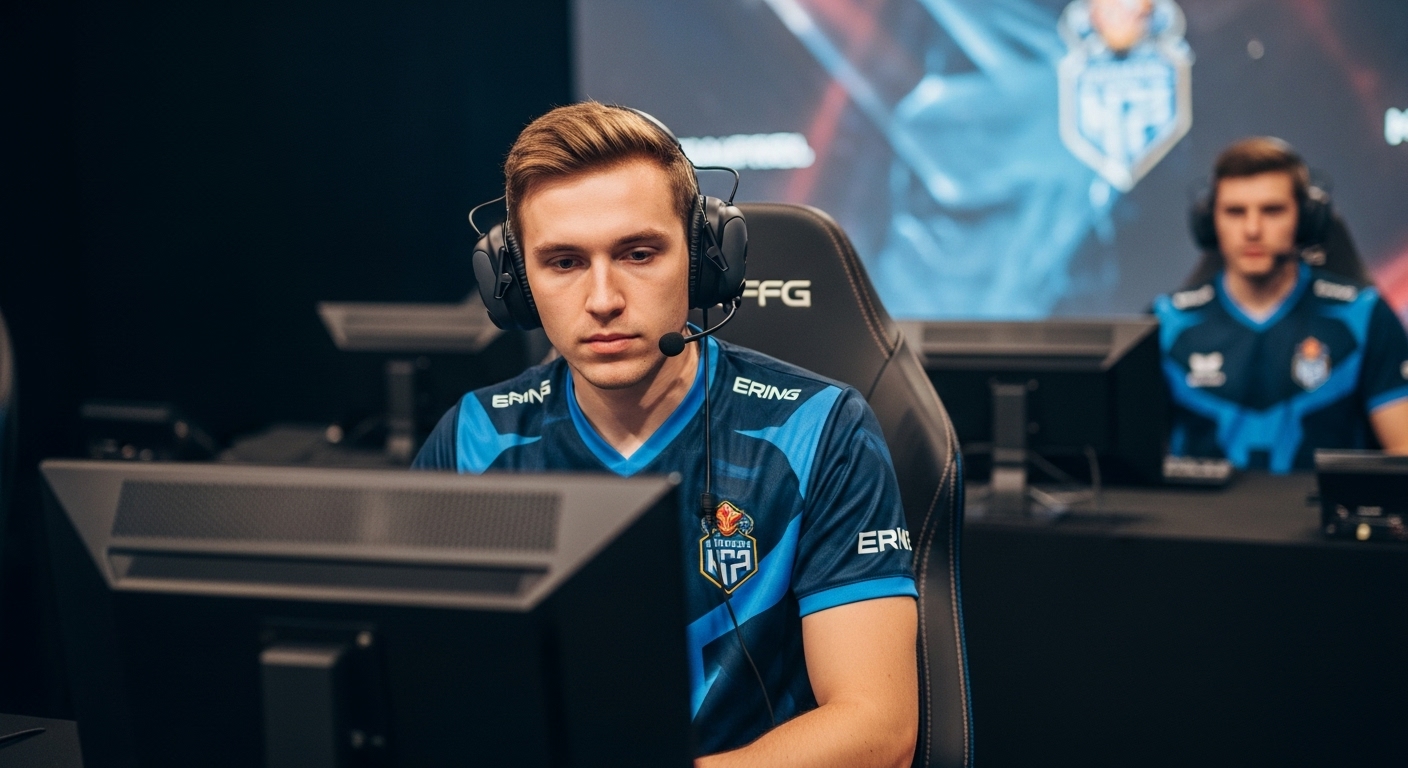
Professional gamers are athletes in their own right. Their training regimens include hours of daily practice, strategy meetings, physical exercise, and even mental conditioning. Reaction time, hand-eye coordination, teamwork, and endurance are crucial in maintaining competitive performance.
Yet, the life of an esports player isn’t always glamorous. Many retire in their early twenties due to burnout or declining reflexes. Teams now employ nutritionists, psychologists, and fitness coaches to help players manage stress and maintain a balanced lifestyle. The recognition of these challenges marks another step in esports’ evolution toward legitimacy as a sport.
Esports Arenas and Live Events
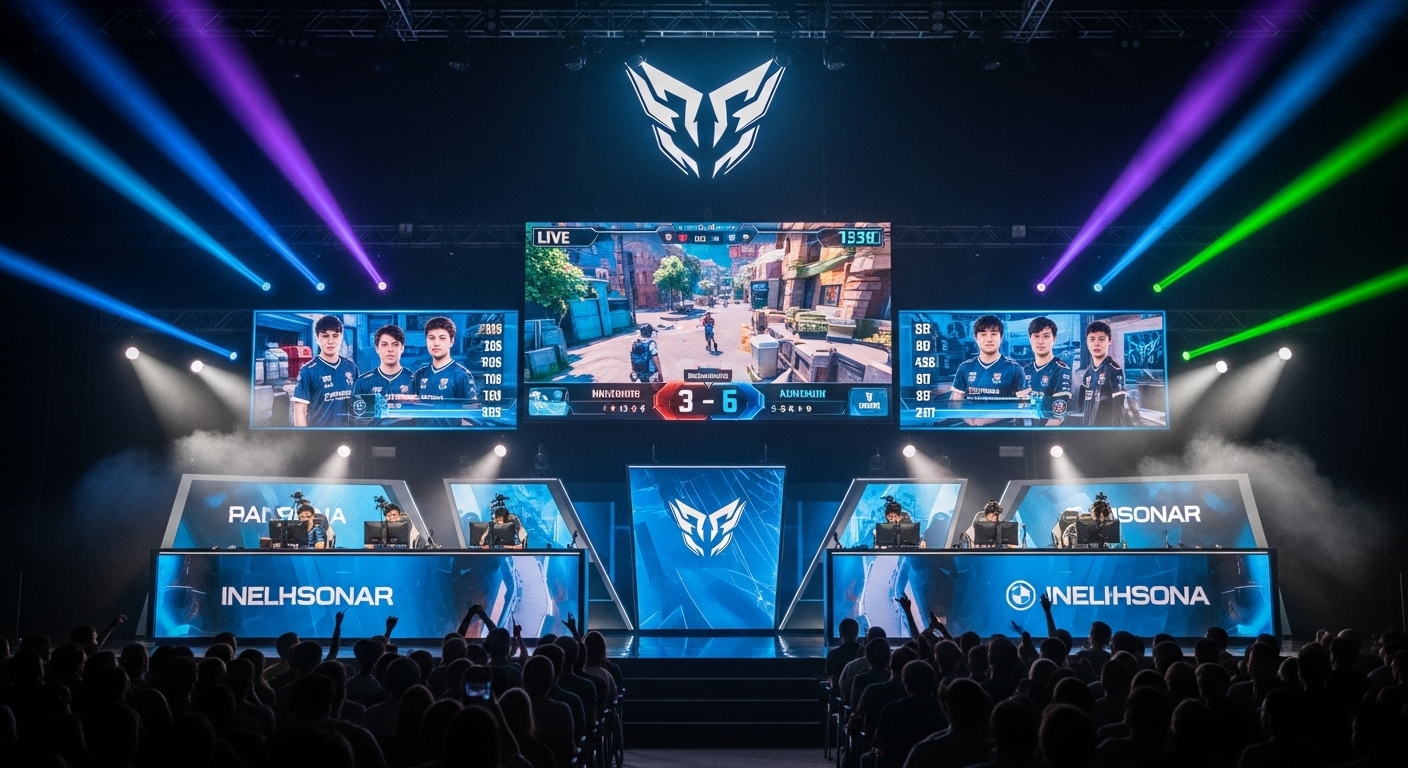
Gone are the days when gamers competed in cramped LAN centers. Today, esports events fill massive arenas and stadiums. The League of Legends World Championship has been held in venues like Beijing’s Bird’s Nest Stadium and Paris’ AccorHotels Arena. Dota 2’s The International takes place in front of roaring crowds, with millions more watching online.
The energy at these events rivals that of any traditional sporting event. Fans wave team banners, chant player names, and celebrate every clutch play. The atmosphere underscores the fact that esports is not just about the games—it’s about the shared passion and community that surrounds them.
Esports and Traditional Sports: Convergence and Collaboration
At first, traditional sports organizations viewed esports with skepticism. But as audience numbers and revenue potential became impossible to ignore, many sports franchises jumped in. Teams from the NBA, NFL, and European football leagues have invested in esports organizations or created their own teams.
This crossover is mutually beneficial. Traditional sports bring organizational expertise and marketing power, while esports attract younger, digital-first audiences. Some athletes, like NBA star Gordon Hayward and footballer Gareth Bale, are active esports investors or even players themselves. The boundaries between sports and esports continue to blur as both industries learn from each other.
Education and Career Opportunities
Esports is opening doors far beyond competitive play. Universities around the world now offer scholarships for esports players, treating them like traditional athletes. Academic programs focused on game design, broadcasting, and esports management are preparing the next generation of professionals.
There are countless career paths within the esports ecosystem: coaches, analysts, event organizers, shoutcasters, production crew, marketers, and content creators. As the industry matures, it’s creating sustainable job opportunities that extend well beyond the stage.
Challenges Facing the Esports Industry
Despite its growth, esports faces significant challenges. One of the biggest issues is player well-being. The intense pressure to perform, combined with long practice hours and online scrutiny, can take a toll on mental health. Organizations are becoming more aware of this, but progress is ongoing.
Another concern is regulation. Unlike traditional sports governed by centralized bodies, esports is fragmented across different game publishers, each with its own rules and structures. This decentralization can lead to inconsistencies in player contracts, tournament standards, and dispute resolution.
Cheating, match-fixing, and doping also pose threats to the integrity of competition. With high stakes and large prize pools, some players and teams have been tempted to bend the rules. Maintaining fair play remains a top priority for organizers.
Lastly, diversity and inclusion are areas that still need improvement. While esports is theoretically open to everyone, women and marginalized groups often face harassment and barriers to participation. Initiatives promoting inclusivity are growing, but there’s still work to be done to make the community truly welcoming for all.
The Role of Technology in Esports Growth
Technology has always been the driving force behind esports. High-speed internet, powerful gaming hardware, and streaming platforms have made global competition possible. Now, emerging technologies like virtual reality (VR), augmented reality (AR), and artificial intelligence (AI) are shaping the next generation of esports experiences.
AI-driven analytics help teams study opponents’ strategies and refine their gameplay. VR esports, while still in early stages, offers immersive experiences that blend physical movement with digital competition. Meanwhile, cloud gaming promises to make esports more accessible by removing the need for expensive hardware.
The Cultural Impact of Esports
Esports isn’t just about competition—it’s a cultural movement. It has influenced fashion, music, media, and even education. Streetwear brands collaborate with esports teams; popular musicians perform at gaming events; and streaming stars are now celebrities with massive global followings.
The sense of community is what truly defines esports culture. Whether it’s fans gathering online to watch a tournament, players connecting from across the world, or creators sharing their gaming experiences, esports has created a shared digital culture that transcends geography and language.
The Future of Esports
Looking ahead, the future of esports is bright but complex. As technology continues to advance and global interest grows, the industry will face both opportunities and challenges. Greater investment will bring stability, but also pressure to professionalize further. Governments may step in to regulate player contracts, betting, and intellectual property rights.
Mobile esports is another frontier. In regions like Southeast Asia, India, and Latin America, games like “Mobile Legends” and “PUBG Mobile” are exploding in popularity, bringing millions of new players into the scene. Cloud gaming could make esports even more accessible, leveling the playing field for those without high-end PCs or consoles.
Virtual and augmented reality may eventually redefine how we watch and play esports, creating hybrid experiences that blend digital and physical worlds. And with the continued push for inclusivity, we may soon see a more diverse range of players and voices shaping the future of competition.
Conclusion
From a small gathering of students playing “Spacewar” in 1972 to packed stadiums and multimillion-dollar tournaments today, esports has come an incredibly long way. It’s not just a form of entertainment—it’s a global industry, a cultural phenomenon, and a testament to the power of technology and community.
Esports has broken boundaries between gamers and audiences, between digital and physical worlds, and between passion and profession. What was once considered a hobby is now a respected career path and a source of inspiration for millions. The story of esports is far from over—it’s still being written by every player who picks up a controller, every fan who cheers from the stands, and every dreamer who believes that gaming can change the world.