championstream42
Introduction
In the span of only a few decades, esports has evolved from small-scale local tournaments to a global phenomenon, attracting millions of viewers and professional players alike. What began as competitive gaming in college dorm rooms or internet cafés has blossomed into a multibillion‑dollar industry. In this blog post, we will dive deep into the world of esports: its history, its cultural significance, the ecosystem around it, challenges it faces, and projections for its future. Whether you are new to competitive gaming or a longtime fan, this exploration will illuminate the many dimensions of esports and why it matters.
The Origins and Evolution of Esports
Early Beginnings: Arcade Tournaments and LAN Parties
Long before streaming platforms and corporate sponsorships, competitive gaming took shape in arcades and local gathering spaces. Players would compete in classics like Fighting Game tournaments or Pac‑Man high score contests. As personal computers and consoles became more accessible, the first multiplayer gaming communities emerged. LAN (Local Area Network) parties, where dozens or hundreds of computers were connected to play together under one roof, became hotbeds for grassroots competition and camaraderie.
The Birth of Organized Competition
With the rise of broadband internet in the late 1990s and early 2000s, multiplayer online games gained traction. Titles like “StarCraft,” “Counter‑Strike,” and “Warcraft III” cultivated competitive communities. Some of the earliest formal tournaments appeared around these titles, often organized by gaming magazines, universities, or fan groups. These early tournaments laid the groundwork—demonstrating that people would not only play but also watch others play.
Professionalization and Growth
In the mid to late 2000s, esports began to adopt more structured systems. Professional teams formed, coaches and analysts emerged, training facilities were established, and tournaments adopted more formal broadcast setups. Prize pools scaled upward, drawing interest from sponsors and media outlets. Major milestones included the creation of league systems, franchising in some regions, and large international events.
Streaming & Spectatorship
A critical turning point was the advent of live streaming. Platforms dedicated to game streaming allowed gamers to watch matches in real time. This broadened the audience from only those physically present to a global viewership. Esports transformed from niche events to stadium-filling spectacles with professional commentary, crowd reactions, and production values that rival conventional sports.
The Esports Ecosystem: Key Components
Game Titles and Genres
Not every video game becomes an esport, but certain genres lend themselves naturally to competitive play. Some of the most prominent include:
- First‑Person Shooters (FPS): Games in this genre emphasize precision, reflexes, and team tactics. Titles like tactical shooters have dominated many regions.
- Multiplayer Online Battle Arena (MOBA): These games require strong teamwork, map awareness, and strategy.
- Real‑Time Strategy (RTS): Once a central pillar of competitive gaming, RTS still maintains a dedicated fan base.
- Sports Simulations & Racing: Virtual versions of real sports like football, basketball, or racing also have competitive leagues.
- Fighting Games: One-on-one or small-team matches, emphasizing mechanical skill and matchup knowledge.
Each title that becomes part of the esports circuit cultivates a dedicated community, develops its spectator features (spectator modes, in‑game observers), and attracts tournament organizers.
Teams, Players, and Infrastructure
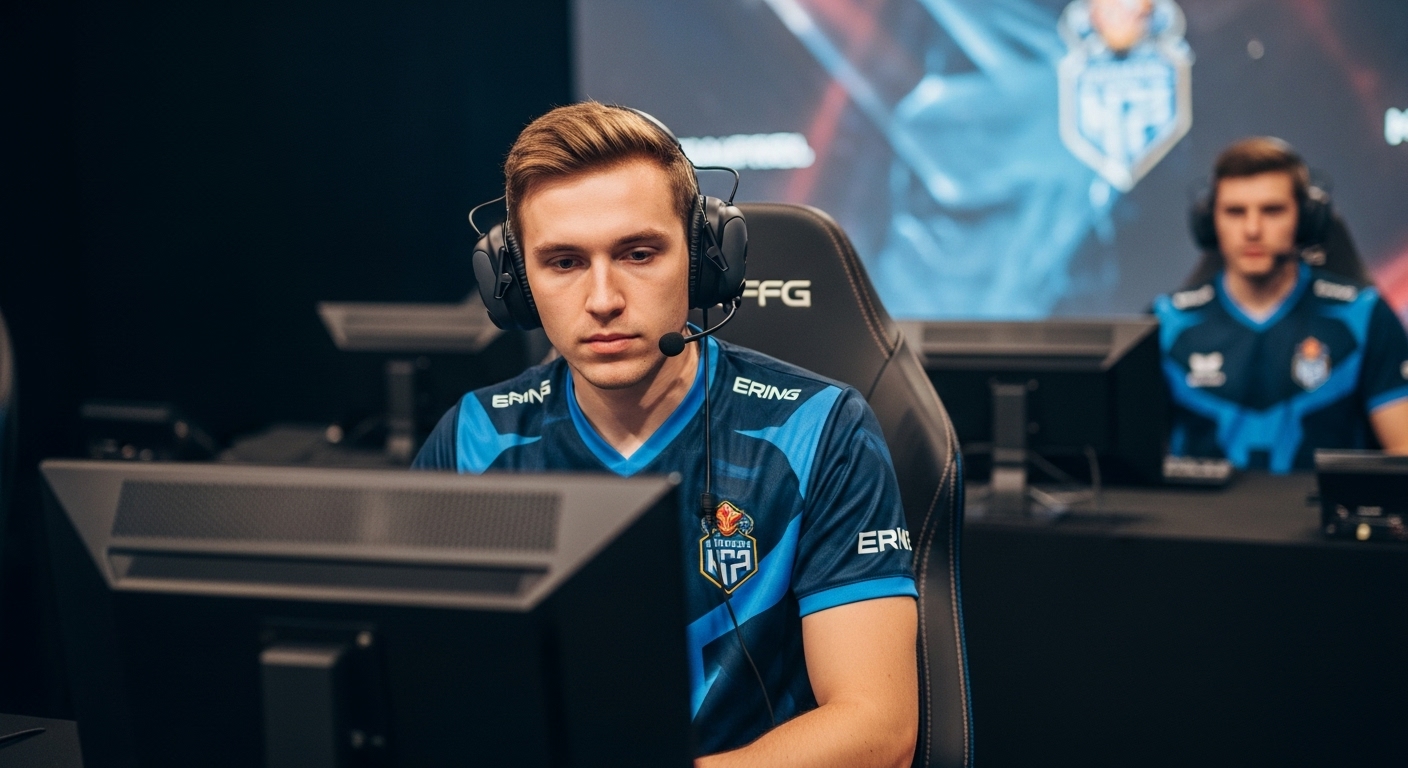
Professional esports teams now operate similarly to sports franchises. They maintain rosters, coaching staff, analysts, nutritionists, psychologists, and support staff. Players often live in team houses or training centers to maximize teamwork and communication. Some top teams also invest in youth development or “academy” systems to scout future talent.
Streaming & Media
Streaming platforms serve as the backbone for viewership. Whether through livestreams of matches, player streams, or recap content, media is essential. Commentators (casters), hosts, observers, production crews, and graphic designers all contribute to the viewing experience.
Tournament Organizers & Leagues
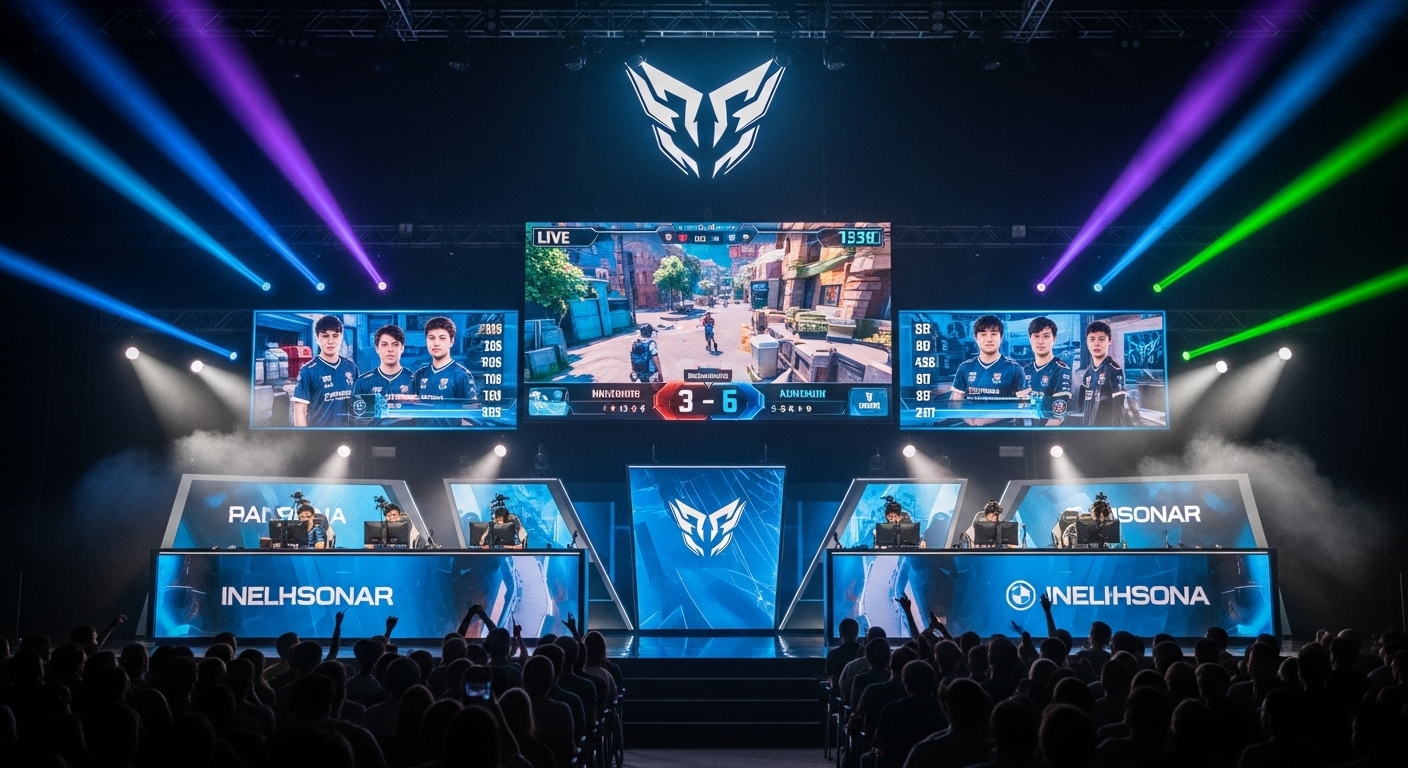
Independent tournament organizers and centralized league authorities are essential. Some esports titles host annual world championships; others run seasonal leagues with playoffs. Organizers define rulesets, formats, prize pools, broadcasting rights, and scheduling. Major events may fill arenas, with stage setups, audience seating, lighting rigs, and broadcast booths comparable to traditional sports.
Sponsors, Brands & Monetization
Sponsors and brands play a pivotal role in sustaining esports. They provide prize money, team funding, advertising, and product partnerships. Revenue streams include ticket sales, merchandise, media rights, advertising, in‑game purchases, and sponsorship deals. Many non‑endemic brands (those outside gaming) now invest heavily in esports to reach younger, tech-savvy audiences.
Cultural Impact and Community
Identity and Belonging
Esports creates a sense of identity for participants and fans. Teams develop fan bases complete with branding, logos, and community rituals. Fans wear team jerseys, use emblems, and participate in discussions, forums, and local meetups. The passion and loyalty mirror those seen in traditional sports.
Youth & Education Integration
Schools, colleges, and universities have increasingly integrated esports into their programs. Many institutions now offer esports scholarships or formal teams. This institutional support gives credence to competitive gaming as a legitimate vocational path or extracurricular activity.
Accessibility & Global Reach
One powerful aspect of esports is accessibility. Anyone with a capable computer or console and internet access can participate in gaming. This allows strong players from regions with fewer resources to rise through grassroots competition. Viewers from remote areas can watch and support without being physically present. The global connectivity merges audiences across continents, building a shared digital culture.
People Behind the Screens
The narrative of players—from underdog stories to triumph over adversity—is a thread that draws viewers in. Profiles, interviews, behind‑the‑scenes documentaries humanize players, turning them into public figures. Stories of long hours of practice, team dynamics, personal struggles, and redemption arcs enrich the ecosystem.
Challenges Faced by Esports
Burnout and Mental Health
The demands of high-level competitive gaming are intense—long practice hours, travel, performance pressure, and time away from family. Many players face burnout, anxiety, or health problems. Ensuring mental health support and sustainable training schedules is critical.
Integrity and Cheating
Maintaining a fair competitive environment is vital. Issues like cheating, match-fixing, doping (e.g. stimulants), account boosting, and collusion threaten legitimacy. Organizers must implement anti-cheat systems, rigorous monitoring, and enforce penalties.
Balancing Commercialization with Community
As esports becomes more lucrative, there’s a tension between maintaining community authenticity and maximizing profits. Some fans resent over-commercialization or closed ecosystems. Striking a balance between professionalism and grassroots energy is essential.
Regional Disparities
Some regions have far more resources, infrastructure, and support than others. Players in less developed regions may struggle to access competitive circuits due to geography, cost, or lack of local tournaments. This gap can stifle talent from emerging regions.
Regulation and Governance
Esports spans multiple platforms, companies, and jurisdictions. There is no single global governing body with full authority. Questions about player contracts, intellectual property, broadcasting rights, taxation, and arbitration create complexities.
Signature Events and Their Importance
Major esports tournaments are more than competitions; they are cultural events. They serve multiple functions:
- Showcases for Talent: Top players display peak performance.
- Monumental Prize Pools: They attract viewership and investment.
- Marketing Opportunities: Game publishers use these events to launch expansions or new games.
- Fan Engagement: They offer interactive experiences, merchandise, meet‑and‑greets, and themed exhibitions.
- Broadcast Spectacle: With live cameras, multiple stage angles, pre-shows, analyst desks, sponsor activations, and crowd visuals, these events rival traditional sports in production scale.
Examples of flagship events include world championships for MOBA and FPS titles, seasonal finals, and international invitationals. These events often command multi‑million dollar prize pools and garner tens of millions of views.
Success Stories and Case Studies
A Breakthrough From Humble Beginnings
Many professional players started from minimal resources. A player might begin in their hometown with few resources but climb ranks through skill, streaming, and small tournaments until gaining notice.
Team Franchising & Long-Term Strategy
Some teams have transformed into brand powerhouses. They invest beyond player performance—into content creation, merchandising, talent management, and cross‑platform presence. The vision extends beyond winning to becoming sustainable entertainment brands.
Regional Rise of New Hubs
Regions once considered peripheral have risen to compete at the top. Development of local leagues, governmental support, and infrastructure improvements have shifted power balances. This reinforces that talent is global, not confined to historical strongholds.
The Future of Esports
Expansion into New Platforms
As technology evolves, so do opportunities. Virtual reality (VR) and augmented reality (AR) esports are emerging frontiers. Mobile esports continues its rapid growth, especially in regions where mobile gaming is dominant.
Cross‑Platform Integration
Hybrid ecosystems where players can compete across multiple platforms (console, PC, mobile) may become more common. Titles that bridge devices could bring larger accessible audiences.
Enhanced Spectator Experience
Immersive viewing experiences—augmented overlays, real-time stats, multiple camera angles, spectator features, and interactive systems—will deepen engagement. Viewers may control camera feeds, explore match data, or influence in-game visuals.
Integration with Traditional Sports
As esports gains legitimacy, alliances with conventional sports leagues may deepen. Partnerships, joint merchandise, joint events, and shared facilities may blur the line between “traditional” and digital sports.
Institutional Support & Education
Expect a continued rise in esports programs in universities, sports academies, and public policy initiatives to nurture talent. Esports may become part of athletic departments, with infrastructure investment from governments.
Sustainable Business Models
Monetization strategies will evolve: refined in-game economies, dynamic sponsorship models, fractional ownership, ticketing innovations, and digital merchandise might mature. Keeping the fan at the center while building sustainable revenue models will be key.
Tips for Aspiring Players or Organizers
For Players
- Consistency and Discipline: Build a practice routine with breaks and self-care.
- Teamplay and Communication: Esports is rarely solo—it’s about synergy.
- Study and Adaptation: Analyze meta trends, patch changes, opponent strategies.
- Health and Balance: Physical fitness, sleep, nutrition, mental wellness matter as much as gameplay.
- Self-Promotion: Stream, produce content, and engage with community to build visibility.
For Organizers
- Set Clear Structure: Tournament rules, formats, schedules must be transparent.
- Invest in Production Quality: Good camera work, commentary, graphics elevate the experience.
- Engage Community: Fan features, interactive polls, backstage content draw deeper engagement.
- Focus on Integrity: Anti-cheat, fair refereeing, spectator oversight build trust.
- Sustainable Planning: Sponsor relations, scalable logistics, backup plans for tech issues.
The Broader Significance of Esports
Esports is not merely a niche pastime; it reflects broader shifts in entertainment, media, culture, and human connection. It challenges definitions of athleticism, bringing mental dexterity, teamwork, and reflexes to the fore. It fosters cross-cultural exchange, as gamers from different nations compete, collaborate, and share experiences. It drives innovations in streaming technology, real-time data visualization, and interactivity. It also gives voice to underrepresented voices, enabling inclusion through digital platforms.
In the near future, esports might serve as a bridge between physical sports and digital realms—where athletes and gamers share common ground. Schools might treat esports as seriously as traditional athletics. Cities may invest in esports stadiums. Brands may see competitive gaming as equally valuable as conventional sponsorships. When the spectatorship of esports approaches that of major televised sports, we may genuinely say that esports is not niche, but mainstream.
Conclusion
From arcade roots to stadium spectacles, esports has come a long, rapid journey. It thrives at the intersection of competition, entertainment, technology, and culture. Along the way, it has reshaped how we think about sport, spectatorship, and digital communities. The road ahead will bring new platforms, deeper integration with education and traditional sports, multisensory viewing experiences, and further professionalization. Challenges remain—equity, integrity, health, sustainability—but the momentum is undeniable.
Whether you aspire to be a player, content creator, organizer, fan, or industry stakeholder, esports offers a canvas of creativity and opportunity. The game is still evolving, and today’s decisions help shape tomorrow’s legacy. May your next match be your best one yet—and may the future of competitive gaming be even brighter than the present.