championstream42
Esports has rapidly transformed from a niche hobby into a global cultural phenomenon, captivating millions of players, viewers, and investors worldwide. This explosive growth has not only created new entertainment and business opportunities but has significantly influenced how video games are designed, developed, and marketed. As competitive gaming evolves, game developers are increasingly aligning their creative and technical efforts to cater to the demands and dynamics of the esports ecosystem. This blog post explores how esports is shaping game development trends across multiple dimensions, from gameplay mechanics and user experience to community building and monetization strategies.
The Rise of Esports and Its Impact on the Gaming Industry
The rise of esports is arguably one of the most influential developments in the gaming industry over the last decade. Competitive video games now attract tens of millions of viewers for major tournaments, some rivaling traditional sports in viewership numbers. The growing popularity of esports has pushed developers to rethink their approach to game creation, focusing on aspects that promote competitiveness, fairness, and spectator engagement.
This phenomenon means games are no longer designed just for casual play but must also meet the rigorous standards demanded by professional players and audiences. Competitive integrity, balanced gameplay, and clear communication systems have become fundamental in the design process, ensuring that games can thrive in the high-stakes environment of esports tournaments.
Designing Games for Competitive Balance
One of the most critical influences esports has had on game development is the focus on competitive balance. In a casual game, balance may be less stringent since players might enjoy exploring overpowered abilities or unorthodox strategies. However, in esports, fairness is paramount. If certain characters, weapons, or tactics dominate, it undermines the competitive nature and viewer interest.
Developers now prioritize rigorous playtesting and data analytics to ensure no element is too dominant or weak. This attention to balance encourages diverse strategies and keeps the competitive scene fresh and engaging. The constant feedback loop between the esports community and developers often leads to timely updates and patches that adjust game elements based on competitive data.
Additionally, esports demands transparency in mechanics. Players and viewers must understand how the game works to appreciate skillful plays and strategies. This clarity often influences UI design, tooltips, and tutorial systems to help players at all levels grasp the nuances of the game.
Enhanced Spectator Experience and Broadcasting Features
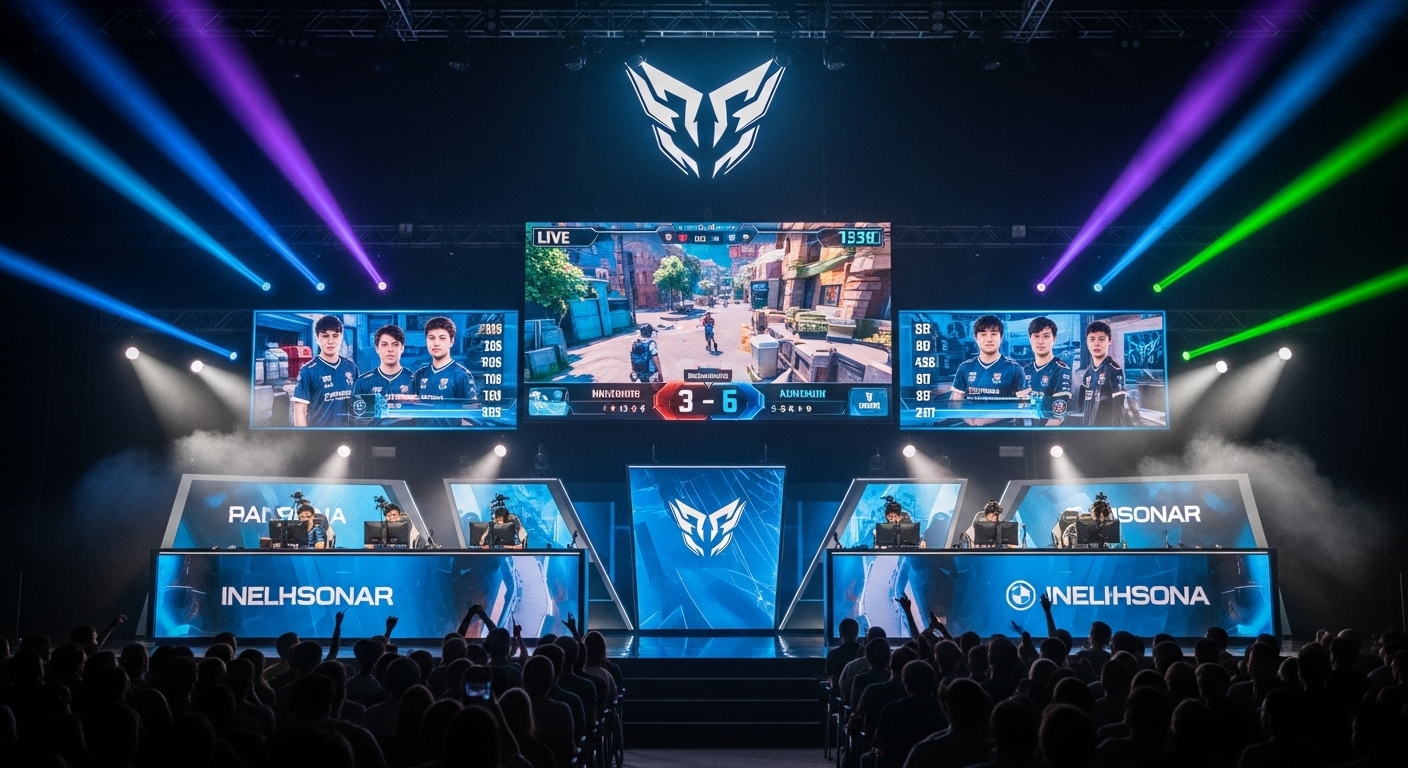
Esports is as much about spectators as it is about players. To capture the excitement of live competitive play, game developers have integrated features specifically designed to enhance viewer engagement. Spectator modes have evolved significantly, offering multiple camera angles, real-time statistics, and instant replays.
These features allow broadcasters to deliver professional-quality streams and provide viewers with insights into player performance, strategy decisions, and game dynamics. The inclusion of these broadcasting tools within the game itself is a direct result of esports’ influence, making the viewing experience more immersive and informative.
Furthermore, developers consider the pacing of the game to maintain excitement throughout broadcasts. Games with overly slow or chaotic moments may lose viewer interest, so design decisions are often made to optimize the flow of matches for entertainment purposes.
Community Building and Social Integration
The esports scene thrives on a strong community presence. Competitive games often have passionate fanbases that contribute to the game’s longevity and popularity. Recognizing this, developers now emphasize social features within games to foster community interaction.
Features like ranked matchmaking, leaderboards, guilds or clans, and in-game communication tools encourage players to connect, compete, and cooperate. Additionally, many games support custom game modes or user-generated content, allowing communities to create unique experiences that can influence the official competitive meta.
Developers often engage directly with the community through forums, social media, and live events, using feedback to guide development priorities. This collaborative relationship has become a vital aspect of modern game development, ensuring the game evolves in a way that satisfies both casual players and competitive enthusiasts.
Monetization Strategies Tailored to Esports
Esports has reshaped how games approach monetization, shifting focus from merely selling copies of a game to building ongoing revenue streams that support competitive ecosystems. While traditional sales remain important, many esports titles generate income through cosmetic items, battle passes, and seasonal content.
Since competitive integrity is essential, developers avoid pay-to-win models where players can purchase gameplay advantages. Instead, cosmetic customization allows players to personalize their experience without affecting fairness. This approach aligns with the esports community’s values and promotes a healthy competitive environment.
Moreover, esports events themselves create monetization opportunities through ticket sales, merchandise, and partnerships with brands. Developers often collaborate with tournament organizers to create in-game content related to events, such as special skins or emotes, further connecting gameplay and esports culture.
Influence on Game Genres and New Titles
The esports phenomenon has influenced which game genres gain prominence and how new titles are developed. Traditionally, genres like real-time strategy (RTS), first-person shooters (FPS), and fighting games have dominated competitive scenes. However, with esports becoming mainstream, developers explore innovative hybrids and new competitive formats.
Battle royale games, multiplayer online battle arenas (MOBAs), and hero shooters are examples of genres that have emerged or evolved due to esports demand. Developers design these games with features that facilitate competitive play, such as balanced rosters, clear objectives, and dynamic yet fair maps.
This trend has encouraged investment in game development studios specializing in esports-ready titles, and publishers now consider competitive potential when greenlighting projects. The success of esports titles also influences how existing games evolve, with developers adding competitive modes or integrating esports elements into games initially designed for casual audiences.
Emphasis on Player Skill and High Skill Ceilings
Esports’ focus on competition has pushed developers to create games that reward player skill and mastery. High skill ceilings ensure that even the best players continuously refine their strategies and techniques, keeping the competitive scene vibrant and challenging.
Designers incorporate mechanics that allow for skill expression, such as precise aiming, complex combos, or strategic resource management. This approach not only appeals to professional players but also creates a clear pathway for aspiring competitors to improve and succeed.
At the same time, developers must balance accessibility so newcomers can learn the game without being overwhelmed. Tutorials, practice modes, and gradual introduction of advanced mechanics help maintain a broad player base while fostering competitive excellence.
The Role of Esports in Game Testing and Feedback
The esports community often acts as an extended testing ground for new game features, balance changes, and updates. Professional players and teams provide valuable insights based on their deep understanding of game mechanics and competitive dynamics.
Developers leverage this feedback to refine gameplay and address issues quickly. Public test servers and beta releases allow the broader community to experience changes before they are finalized, ensuring that updates enhance rather than disrupt competitive play.
This iterative development cycle is a hallmark of esports-influenced game design, leading to more polished and balanced products. It also increases player trust and engagement, as the community feels heard and involved in the game’s evolution.
Technological Advances Driven by Esports
The demands of esports have accelerated technological innovations in gaming hardware and software. For instance, developers optimize games to run smoothly on a variety of systems to ensure fair competition regardless of equipment differences.
Network infrastructure is another critical area. Low latency and stable connections are essential for real-time competitive gaming, prompting advancements in server technology and matchmaking algorithms.
Additionally, esports has driven the adoption of artificial intelligence and machine learning to analyze gameplay data, identify trends, and even detect cheating. These technologies help maintain competitive integrity and enhance player experience.
The Future of Game Development in an Esports-Driven Market
Looking ahead, esports will continue to shape game development trends in profound ways. As virtual and augmented reality technologies mature, developers will explore how these immersive platforms can enhance competitive gaming experiences.
Cross-platform play is becoming increasingly important, allowing players on different devices to compete fairly. Developers must address challenges related to control schemes, performance, and matchmaking to deliver seamless esports experiences across platforms.
Furthermore, the integration of blockchain and non-fungible tokens (NFTs) may introduce new forms of digital ownership and monetization within competitive games, though this area remains controversial and under development.
Ultimately, the esports ecosystem encourages developers to prioritize community engagement, competitive fairness, and innovation. These principles are transforming game development from a purely creative process into a dynamic collaboration between creators, players, and spectators.
Conclusion
Esports has indelibly influenced how games are developed, from the core mechanics to monetization and community management. The need for competitive balance, spectator engagement, and player skill expression drives developers to create titles that are both entertaining and fair.
As esports continues to grow, it will push the boundaries of technology and design, fostering innovations that benefit the entire gaming industry. For developers, embracing the esports mindset means creating games that not only entertain but also inspire competition, collaboration, and community—essential ingredients for success in today’s vibrant digital landscape.