championstream42
Introduction: Esports in the Modern Era
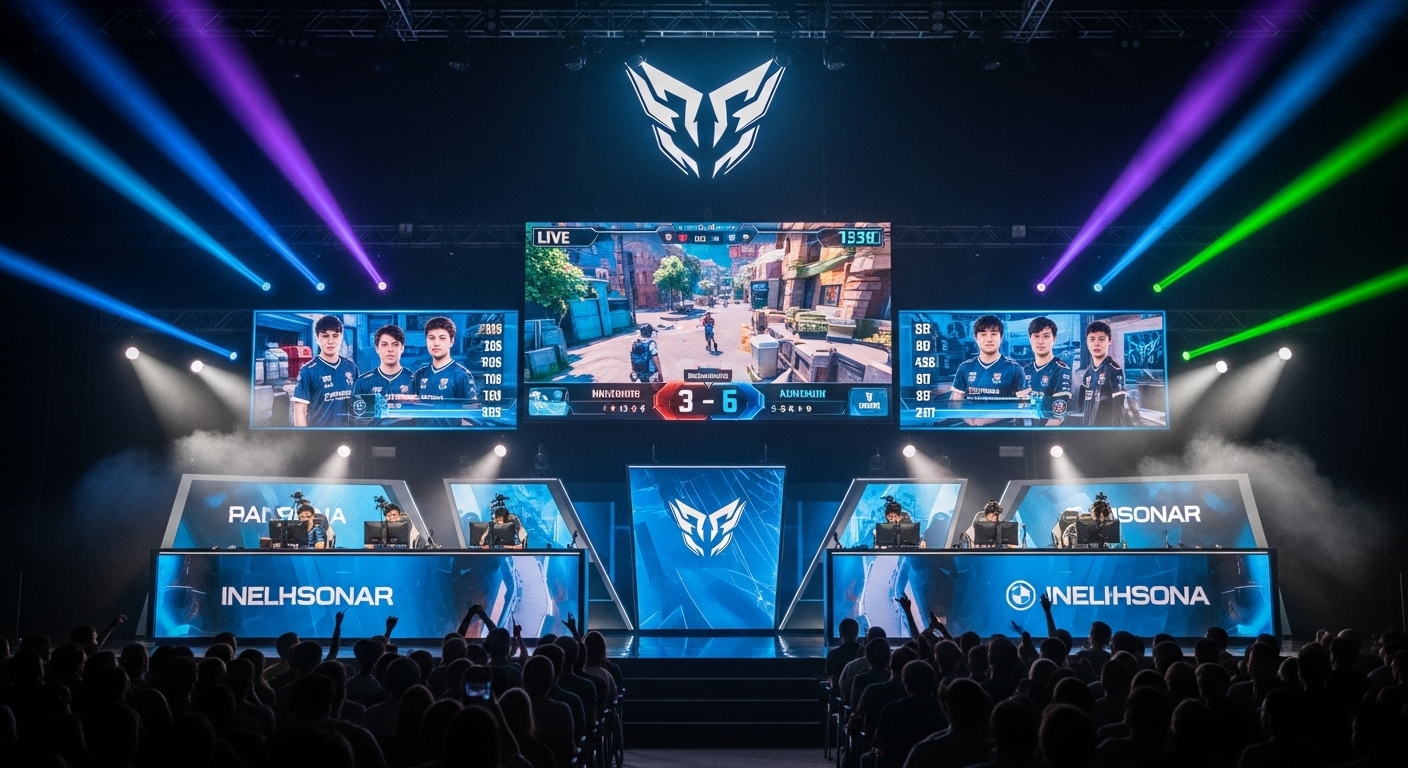
Esports has emerged as one of the fastest-growing forms of entertainment in the world. What began as casual gaming competitions has evolved into a professional and highly competitive industry. Millions of fans tune in to watch players compete in virtual arenas, while gamers train rigorously to master their craft. Esports has become a global phenomenon that blends technology, strategy, and passion.
Understanding the Competitive Nature of Esports
Esports is more than just playing games—it requires dedication, focus, and strategy. Players spend hours practicing, learning game mechanics, and refining teamwork. From first-person shooters to strategy games, every decision can impact the outcome. This high level of competition turns esports into a legitimate sport where skill and mental agility are key to success.
Global Reach and Community Engagement
One of the remarkable aspects of esports is its ability to bring people together. Online tournaments, live streaming, and global events allow fans from all over the world to connect, cheer for their favorite teams, and participate in shared experiences. Esports communities foster interaction, friendship, and collaboration, making it a social as well as a competitive platform.
Career Opportunities in Esports
The esports industry has grown to provide diverse career paths. Professional players, coaches, analysts, event organizers, and content creators all play a role in the ecosystem. Top-tier players earn prize money and sponsorships, while behind-the-scenes professionals ensure events run smoothly and audiences remain engaged. Esports has become a viable career option for talented individuals worldwide.
Technology Driving Esports Forward
Technological advancements are at the core of esports’ rapid growth. High-performance gaming hardware, reliable internet, and streaming platforms allow players to compete globally in real time. Innovations like virtual reality, AI integration, and advanced graphics continue to enhance gameplay, creating more immersive and interactive experiences for both players and spectators.
Cultural Impact of Esports
Esports has influenced culture beyond gaming itself. Professional players are celebrated as modern athletes, and tournaments attract massive audiences comparable to traditional sports events. It has inspired new forms of entertainment, fashion, and education, while also promoting teamwork, strategy, and critical thinking among players and fans.
Conclusion: Esports as the Future of Competitive Gaming
Esports represents a unique blend of competition, community, and technology. It is no longer just a hobby but a professional and cultural movement. With opportunities for players, fans, and industry professionals, esports continues to redefine how we view competition and entertainment in the digital age. The rise of esports shows that the future of gaming is not just about play—it’s about skill, strategy, and connection.