championstream42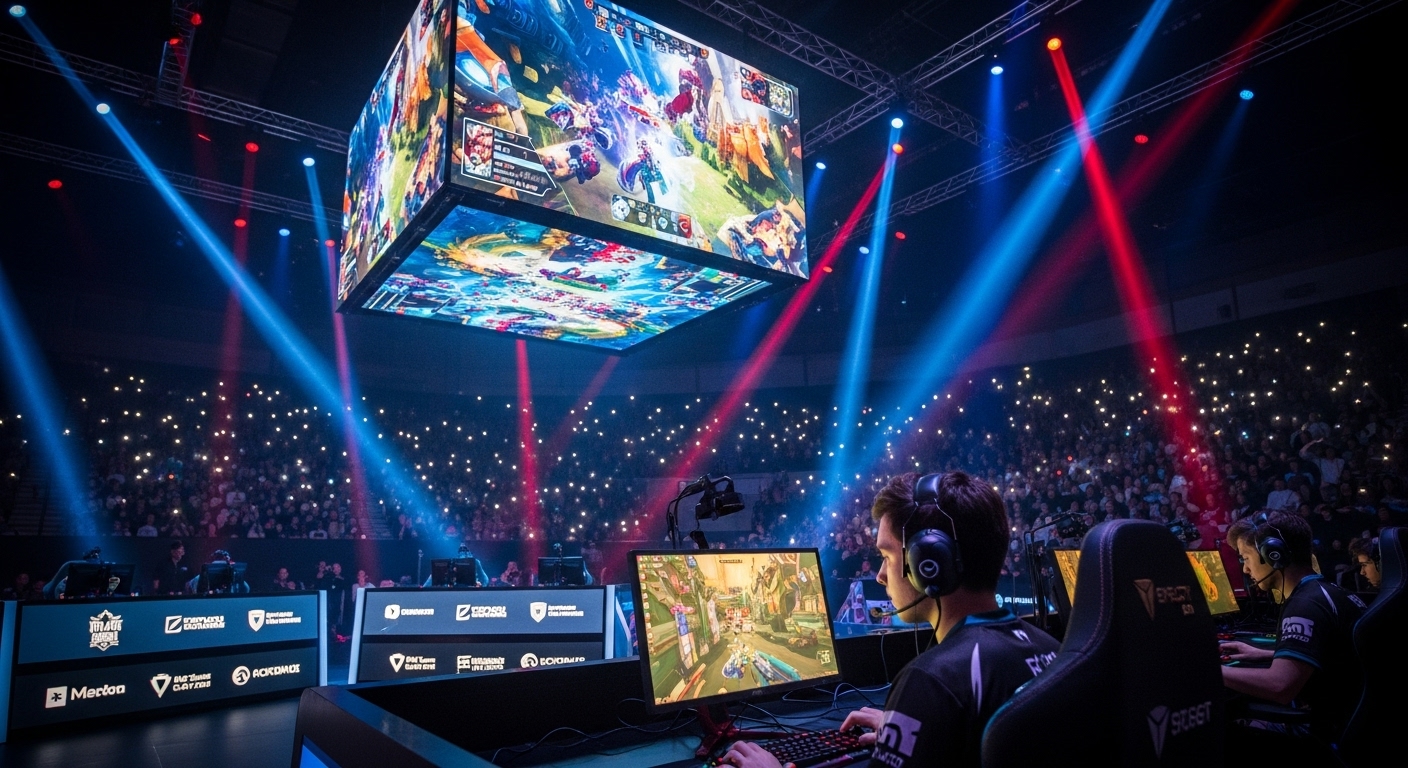
In the last decade, eSports has shifted from a niche hobby to a global phenomenon. What once seemed like a pastime confined to a small circle of dedicated gamers has now evolved into a multi-billion-dollar industry, attracting millions of viewers and providing opportunities for professional gamers to make careers out of their skills. eSports is more than just competitive gaming; it’s a vibrant and growing ecosystem of players, fans, tournaments, and media that has transformed the way we view entertainment and sports.
What is eSports?
eSports, short for electronic sports, is the competitive side of gaming, where players or teams face off in multiplayer video games for prizes, fame, and often, lucrative sponsorship deals. Unlike casual gaming, eSports is about high-level competition, strategic play, and professional preparation. Major titles like League of Legends, Dota 2, Counter-Strike: Global Offensive, and Fortnite are at the forefront of the eSports scene, attracting millions of viewers both online and in live arenas.
Unlike traditional sports, eSports doesn’t require physical athleticism in the traditional sense. Instead, it demands high mental acuity, fast reflexes, coordination, and deep understanding of the game’s mechanics. Professional players train for hours daily, practicing strategies, studying game footage, and perfecting their skills in preparation for the next big tournament.
The Surge in Popularity of eSports
eSports has seen an unprecedented rise over the last decade. What was once considered a pastime for a small group of enthusiasts has now blossomed into a massive global industry. Several factors have contributed to this meteoric rise, including technological advancements, the rise of streaming platforms, and the growth of gaming as a mainstream cultural activity.
Streaming platforms like Twitch and YouTube Gaming have played a huge role in making eSports more accessible. Gamers can now watch live streams of their favorite players, follow tournaments in real-time, and engage with players directly through comments and chats. This direct connection between players and fans has created a community unlike any other, fueling eSports’ growth as a spectator sport.
As eSports tournaments began to attract large audiences, sponsorship deals followed. Major brands, from tech giants like Intel and Razer to beverage companies like Red Bull, began to see the value in associating themselves with competitive gaming. The financial support from sponsors has helped elevate eSports to the level of professional sports, with some tournaments now offering prize pools that rival those of prestigious traditional sports events.
Why is eSports So Popular?
eSports’ popularity can be attributed to several factors that make it unique and engaging for fans.
1. The Thrill of Competition
At the heart of eSports is intense competition. Whether it’s the strategic gameplay of League of Legends or the fast-paced shooting action of Call of Duty, eSports offers viewers the excitement of watching top-tier players battle for supremacy. Fans tune in to watch their favorite players make split-second decisions that could mean the difference between victory and defeat. This makes every match exciting, full of tension, and highly unpredictable.
2. Accessibility for Viewers
Unlike traditional sports, where you may need to attend live events or watch them on expensive cable channels, eSports is incredibly accessible. All you need is an internet connection and a streaming platform like Twitch or YouTube to watch events live. This makes eSports highly attractive to younger generations who prefer on-demand entertainment. The ability to watch international tournaments for free has made eSports one of the most widely viewed and accessible sports globally.
3. Global Reach
eSports transcends geographical boundaries. Thanks to the internet, players from all over the world can compete against each other, and fans from different continents can tune in to watch live broadcasts. This international appeal has been a key driver in its rapid expansion. Major tournaments often feature teams and players from multiple regions, adding to the global nature of the competition.
4. Personality and Storylines
One of the most engaging aspects of eSports is the players themselves. Just like traditional athletes, eSports players have personalities that resonate with fans. They often stream their gameplay, interact with their followers, and share their personal stories, building a fanbase that feels like a community. Players like Faker, s1mple, and Ninja have become global icons, known not just for their skill, but for their charisma and unique personalities.
These players often have backstories that are just as compelling as their in-game performances. From humble beginnings to rising stars, fans love to follow the journey of their favorite players as they climb the ranks of competitive gaming. The storylines—rivalries, upsets, and comebacks—add emotional depth to the competition, making eSports more than just a game to watch but a narrative to follow.
The Structure of eSports: Tournaments and Leagues
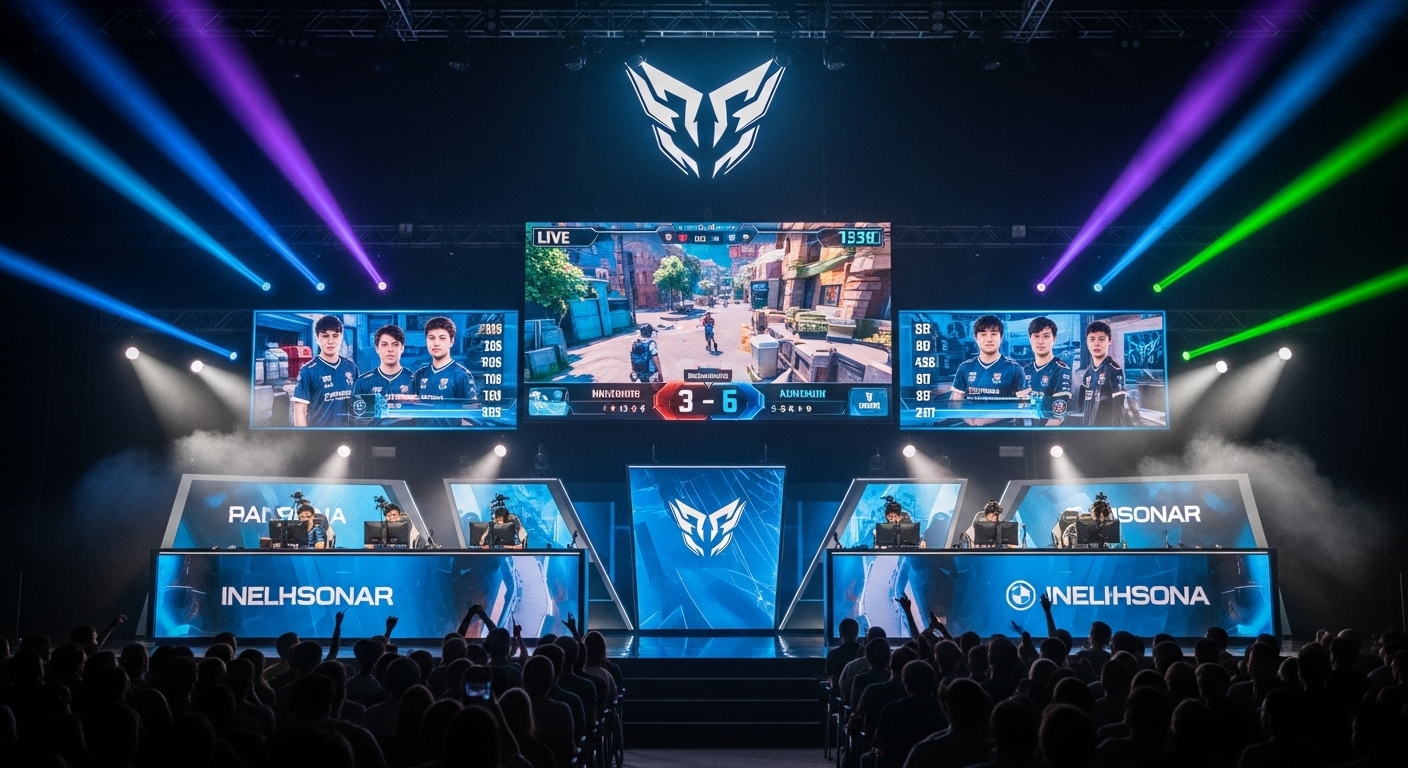
eSports is far from a random collection of players competing for cash prizes. It has a structured format that mirrors traditional sports leagues. Major eSports titles feature regular tournaments, leagues, and events throughout the year, culminating in world championships or finals where the best players and teams compete for the ultimate prize.
1. Major Tournaments
Tournaments are the backbone of the eSports ecosystem. The League of Legends World Championship and The International (Dota 2) are among the biggest and most prestigious eSports tournaments, attracting millions of viewers. These events typically feature months of qualifiers, regional leagues, and play-ins before the final teams battle it out for the grand prize.
What’s fascinating about eSports tournaments is the sheer scale. The prize pools for these events often run into the millions of dollars, with The International boasting one of the largest, offering over $40 million in 2021 alone. These tournaments are often broadcast live, with expert commentators, interviews, and analysis that give the same level of excitement and professionalism as traditional sports broadcasts.
2. eSports Leagues
In addition to tournaments, eSports also has regular leagues, much like traditional sports. The Overwatch League and Call of Duty League are great examples of this model, where teams compete in a regular season, face-offs, and playoffs leading to a championship. These leagues bring a level of consistency to the eSports scene, with fans following the progress of their favorite teams over the course of a season, just like they would with any professional sports team.
The Business Side of eSports
As eSports has grown, so has its economic impact. It’s not just about players and tournaments; it’s a full-fledged industry with sponsorships, merchandise, broadcasting rights, and much more.
1. Sponsorship and Partnerships
Brands across all industries—from tech companies to food and beverage giants—are getting involved in eSports sponsorships. Companies like Intel, Nike, and Coca-Cola have invested heavily in the eSports space, helping fund teams, tournaments, and events. These sponsorships not only help professionalize the industry but also attract large audiences, which in turn drives more commercial opportunities.
2. Media Rights and Broadcasting
As eSports has evolved, so has its relationship with traditional media. Major networks like ESPN, TBS, and Turner Sports have started broadcasting eSports events, and streaming platforms like Twitch are now the primary medium for viewing competitive gaming. The growing interest from mainstream media outlets further solidifies eSports’ place in the global entertainment landscape.
3. Monetization through Streaming
One of the unique aspects of eSports is the monetization opportunities for players and streamers. Many professional players supplement their tournament earnings by streaming on platforms like Twitch, where they interact with fans, share gameplay, and make money through subscriptions, donations, and ads. Top-tier players can earn significant income this way, and even newcomers can carve out a niche for themselves by building a following.
The Future of eSports
The future of eSports is incredibly bright. With its increasing viewership, growing sponsorship deals, and the rise of digital platforms, eSports is poised for even more rapid growth. Here are some trends that could shape the future of the industry:
1. Integration with Traditional Sports
We may soon see more partnerships between eSports and traditional sports leagues. Major sports teams and leagues, such as NBA and NFL, have already begun investing in eSports, either by creating their own teams or by supporting existing eSports organizations. As eSports continues to gain mainstream acceptance, this synergy between traditional sports and eSports could lead to even more crossover events, sponsorships, and media exposure.
2. Virtual Reality (VR) and Augmented Reality (AR)
The advent of VR and AR technologies presents an exciting possibility for the future of eSports. Imagine watching a Dota 2 tournament in VR, where you can view the match from the perspective of the players themselves. As technology improves, these immersive experiences could become a major part of the eSports landscape.
3. More Diverse Games and Tournaments
While League of Legends, Counter-Strike, and Fortnite dominate the eSports scene today, there are always opportunities for new games and formats to rise to prominence. As developers continue to innovate and create new competitive games, the variety of eSports titles could expand, attracting new audiences and players.
Conclusion: eSports is Here to Stay
From grassroots competitions to multi-million-dollar tournaments, eSports has firmly established itself as a powerful force in the entertainment world. Whether you’re a hardcore gamer, a casual viewer, or just someone looking to experience the excitement of competitive gaming, eSports offers something for everyone.
With its growing fanbase, increasing media attention, and ever-expanding business opportunities, eSports is no longer just a trend